Historical Background of Busan and Jungbu District
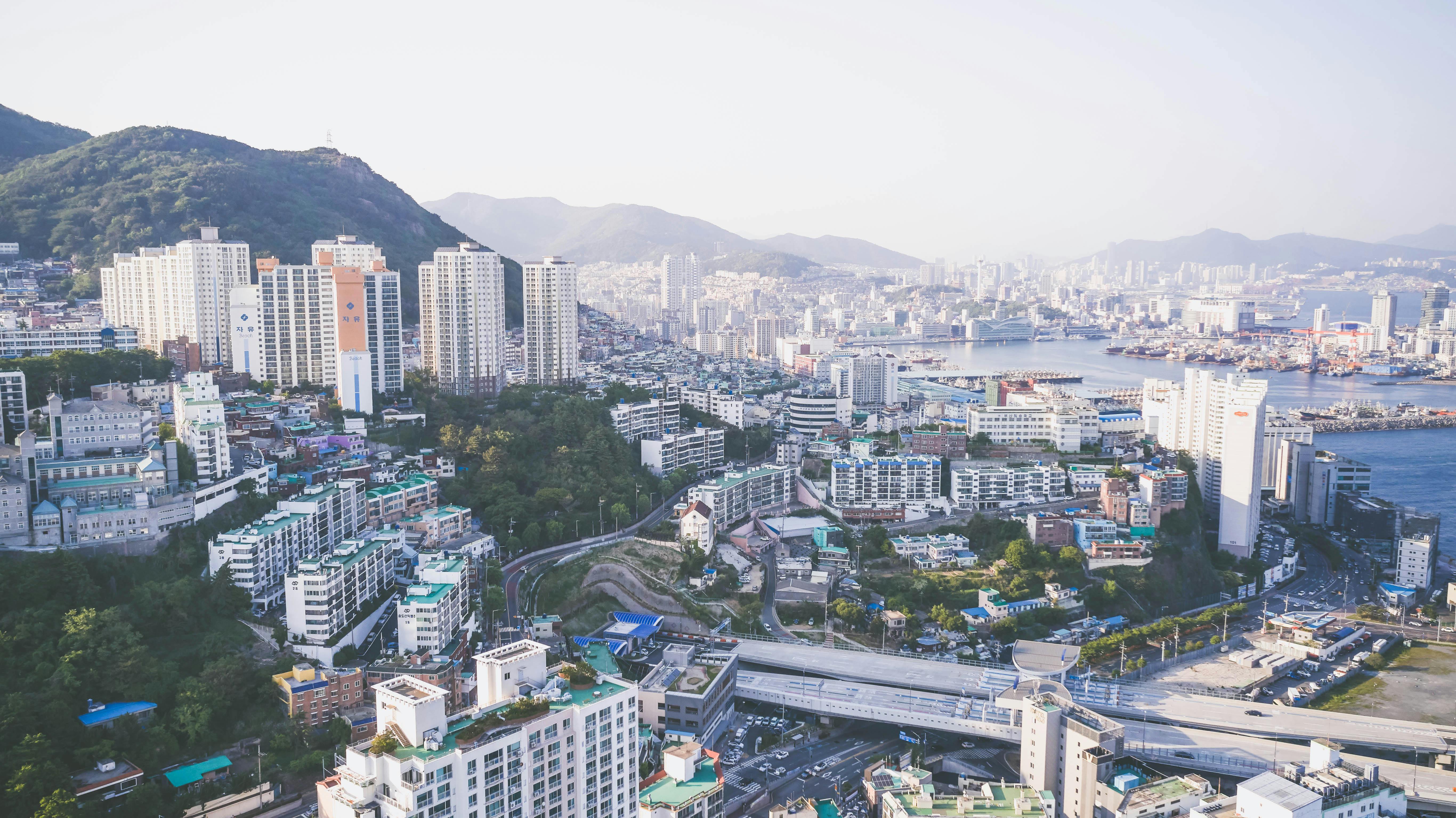
Busan’s history as a strategic port city dates back to the Silla Dynasty. Its advantageous coastal location fostered centuries of trade, migration, and defense. The Jungbu District, meaning “central,” has served as the city’s administrative and commercial heart for generations, encompassing neighborhoods like Nampo-dong and Gwangbok-dong.
During the Joseon Dynasty, Busan became one of the first Korean cities to open formal trade with Japan, establishing early international connections. The city’s modernization accelerated with the opening of Busan Port in 1876, leading to rapid urbanization, especially during the Japanese colonial period and the post-war era when Busan served as South Korea’s temporary capital (Wikidata; Busan Metropolitan Government).
Significance and Functions of Busan Jungbu Police Station
The Busan Jungbu Police Station is a vital institution, reflecting both historical continuity and modern policing in a bustling urban environment. Located at 105 Jungang-daero, Jung-gu, it serves one of Busan’s busiest commercial and tourist districts (Traveloka). Its core responsibilities include:
- Law Enforcement & Public Safety Preventing crime, investigating incidents, managing traffic, and responding to emergencies in the central district.
- Support for Residents and Tourists Offering lost-and-found services, assistance with legal matters, and translation support for non-Korean speakers.
- Community Engagement Conducting safety seminars, traffic campaigns, and outreach to build public trust (Busan Metropolitan Police Agency).
During large-scale events like the Busan International Film Festival or street parades, the station coordinates with organizers to ensure safety and provide information booths for visitors (Korea Travel Planning).
Visiting Information
Visiting Hours
- Business Hours (Non-Emergencies) 9:00 AM – 6:00 PM, Monday to Friday
- Emergencies 24/7
The station is an active law enforcement facility and not a conventional tourist attraction; no tickets or entry fees are required.
Accessibility
The station is fully accessible, with ramps and elevators. It is centrally located, within walking distance from Busan Station (KTX, SRT, local trains) and Jungang Subway Station (Line 1). Many city buses and taxis serve the area (Koreaboo).
Available Services
- Lost and Found Assistance for lost items, including passports and valuables.
- Incident Reporting Theft, scams, or other issues can be reported.
- Emergency Response Immediate support for urgent situations.
- Tourist Police Staff trained to assist foreign visitors, sometimes wearing armbands.
- Multilingual Support Some English-speaking officers; for additional help, use translation apps or the Korea Travel Hotline (1330).
Photography Policy
- Exterior Photography Allowed with discretion; always ask before taking photos.
- Interior Photography Prohibited for security and privacy reasons.
Nearby Attractions
The Jungbu Police Station’s central location puts you within easy reach of major landmarks:
- Jagalchi Fish Market Korea’s largest seafood market.
- Yongdusan Park and Busan Tower Panoramic city views and cultural displays.
- Gwangbok-dong Shopping Street Lively shopping and local cuisine.
- Nampo-dong Popular for street food and traditional markets.
Maps and high-quality images are available on official travel sites for planning your exploration.
Safety and Community Relations
Busan is widely regarded as one of the safest cities in South Korea, thanks in part to effective policing and strong community ties. The Jungbu District maintains a low crime rate and a welcoming atmosphere. The police station actively engages in community programs and is a vital contact point for both residents and travelers (The Sunrise Dreamers).
Cultural Etiquette and Practical Tips
Etiquette When Visiting
- Formality Greet officers politely; a slight bow is customary.
- Language Use basic Korean phrases or translation apps for smoother communication.
- Dress Modest, neat attire is recommended; avoid wearing hats or sunglasses indoors.
- Behavior Remain calm, patient, and respectful; avoid sarcasm or loud voices.
- Photography Always ask before taking photos of the building; interior photography is not permitted.
Practical Tips
- Carry valid identification (passport or ARC).
- Use T-Money or Cashbee cards for transit.
- For emergencies, dial 112 (police) or 119 (fire/ambulance). The Korea Travel Hotline (1330) offers interpretation.
- Make use of the Emergency Ready App for real-time alerts in multiple languages.
- Keep valuables secure and stay vigilant in crowded areas.
Frequently Asked Questions (FAQ)
Q: What are the visiting hours for Busan Jungbu Police Station?
A: 9:00 AM to 6:00 PM, Monday to Friday for non-emergencies; 24/7 for emergencies.
Q: Do I need a ticket or pay a fee to enter?
A: No, it is a public facility and not a tourist attraction.
Q: Can I get help in English?
A: Some staff speak English; use translation apps or call 1330 for assistance.
Q: Is the station wheelchair accessible?
A: Yes, there are ramps and elevators.
Q: Can I take photos inside?
A: No, interior photography is prohibited. Exterior photography may be permitted with permission.
Q: What should I do in an emergency?
A: Dial 112 or visit the station directly.
Summary Table: Key Visitor Information
| Aspect | Details |
|---|---|
| Address | 105 Jungang-daero, Jung-gu, Busan, South Korea |
| Nearest Subway | Jungang Station (Line 1), Busan Station (KTX/SRT/Line 1) |
| Emergency Numbers | 112 (Police), 119 (Fire/Ambulance), 1330 (Tourist Hotline) |
| Hours | 24/7 (Business hours: 9:00 AM – 6:00 PM, Mon–Fri) |
| Languages | Korean, some English; translation apps and 1330 hotline for support |
| Accessibility | Wheelchair accessible; ramps and elevators |
| Nearby Attractions | Yongdusan Park, Busan Tower, Jagalchi Market, Gwangbok-dong |
| Lost & Found | Available; bring ID and incident details |
| Photography | Exterior only, with permission; interior not allowed |
| Dress Code | Modest, neat attire recommended |
Final Tips
Busan Jungbu Police Station is pivotal in safeguarding the city’s vibrant central district. While not a tourist attraction, it is an invaluable resource for information, assistance, and reassurance during your visit. Follow local etiquette, utilize available translation and safety resources, and take the opportunity to explore the rich history and culture surrounding the station.
For more travel tips and real-time updates, download the Audiala app and explore related guides on Busan’s top sights and safety advice.
Audiala2024