
Origins and Development
The National Maritime Museum was established to serve as South Korea’s premier center for maritime history, culture, science, and education. Its creation was motivated by Korea’s recognition of the ocean’s central role in shaping its identity, economy, and resilience, especially as Busan is the nation’s largest port city. The museum’s water droplet–shaped architecture captures this symbolism, and its vast collection of over 14,000 artifacts makes it a major hub for maritime research and public engagement (VisitKorea).
Busan’s Maritime Legacy
Busan has long been a strategic maritime gateway, pivotal for trade, cultural exchange, and naval defense. During the Joseon Dynasty and the 20th century, Busan served as both a trade port and a vital lifeline during the Korean War. The museum’s mission reflects a national effort to preserve and celebrate Korea’s rich maritime heritage, ensuring future generations understand the ocean’s influence on national identity (KoreaTripGuide).
Mission and Vision
The museum is dedicated to fostering public understanding of the ocean’s ecological, historical, and economic significance. Through its exhibitions and educational programs, it promotes sustainable ocean stewardship and encourages visitors to appreciate humanity’s relationship with the sea. Its vision is to be a world-class institution showcasing Korea’s maritime achievements and facilitating international collaboration on marine issues (VisitKorea).
Key Collections and Exhibitions
Spread across eight permanent exhibition halls, a special exhibition hall, and a children’s gallery, the museum’s highlights include:
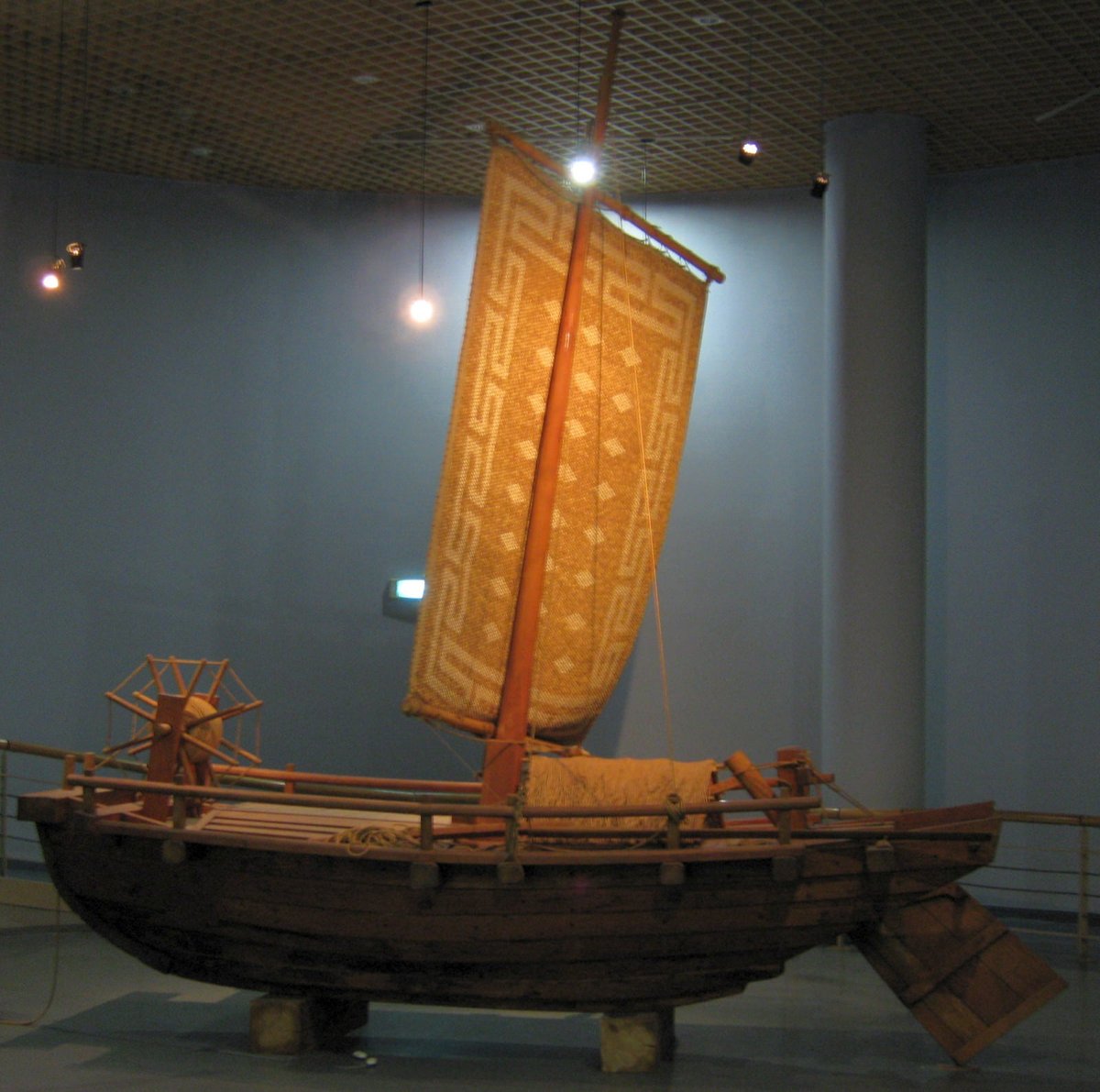
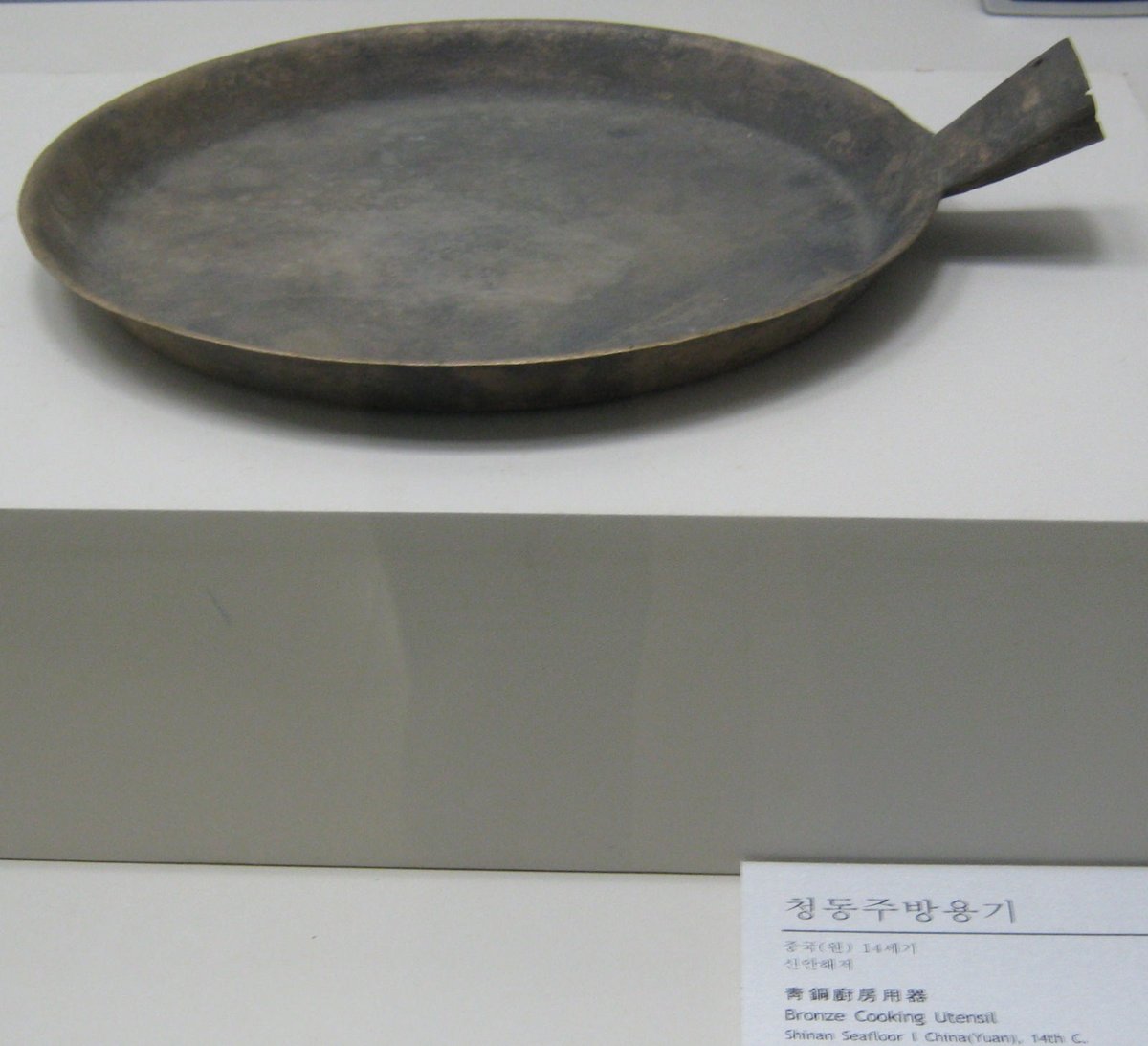
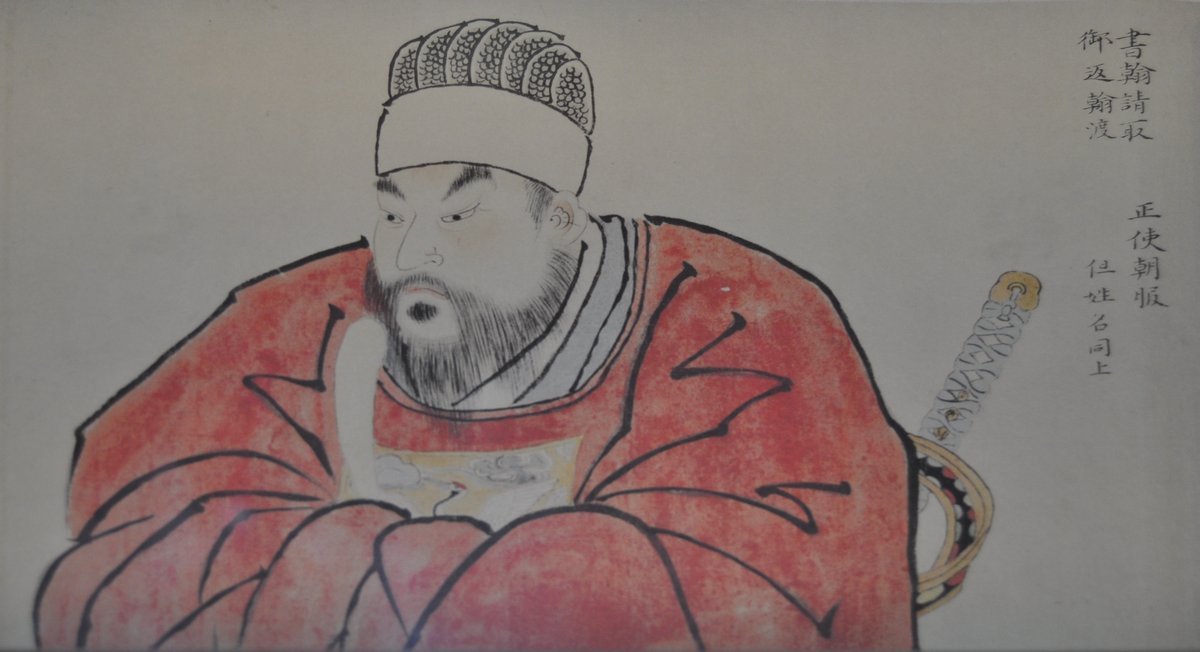
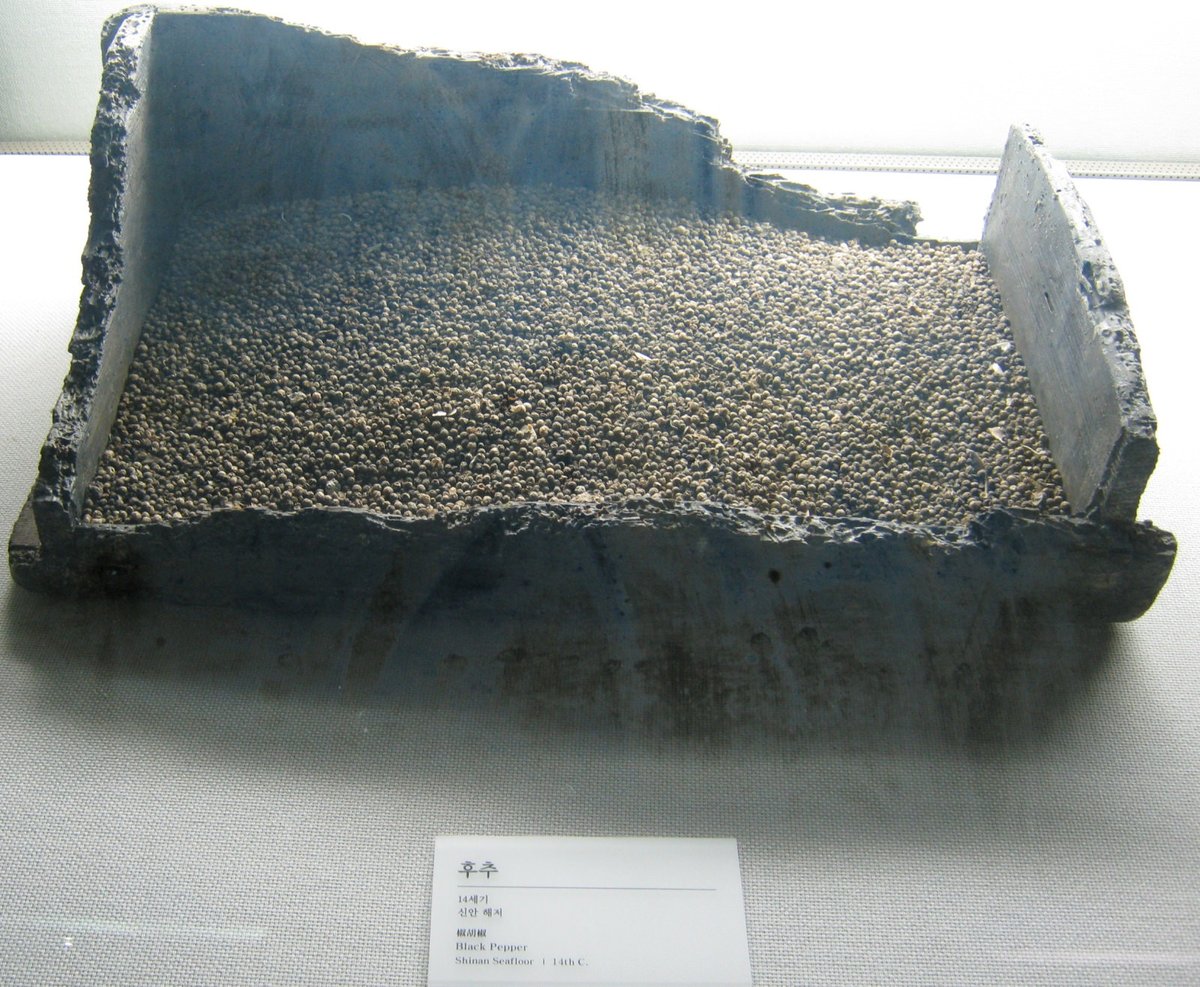
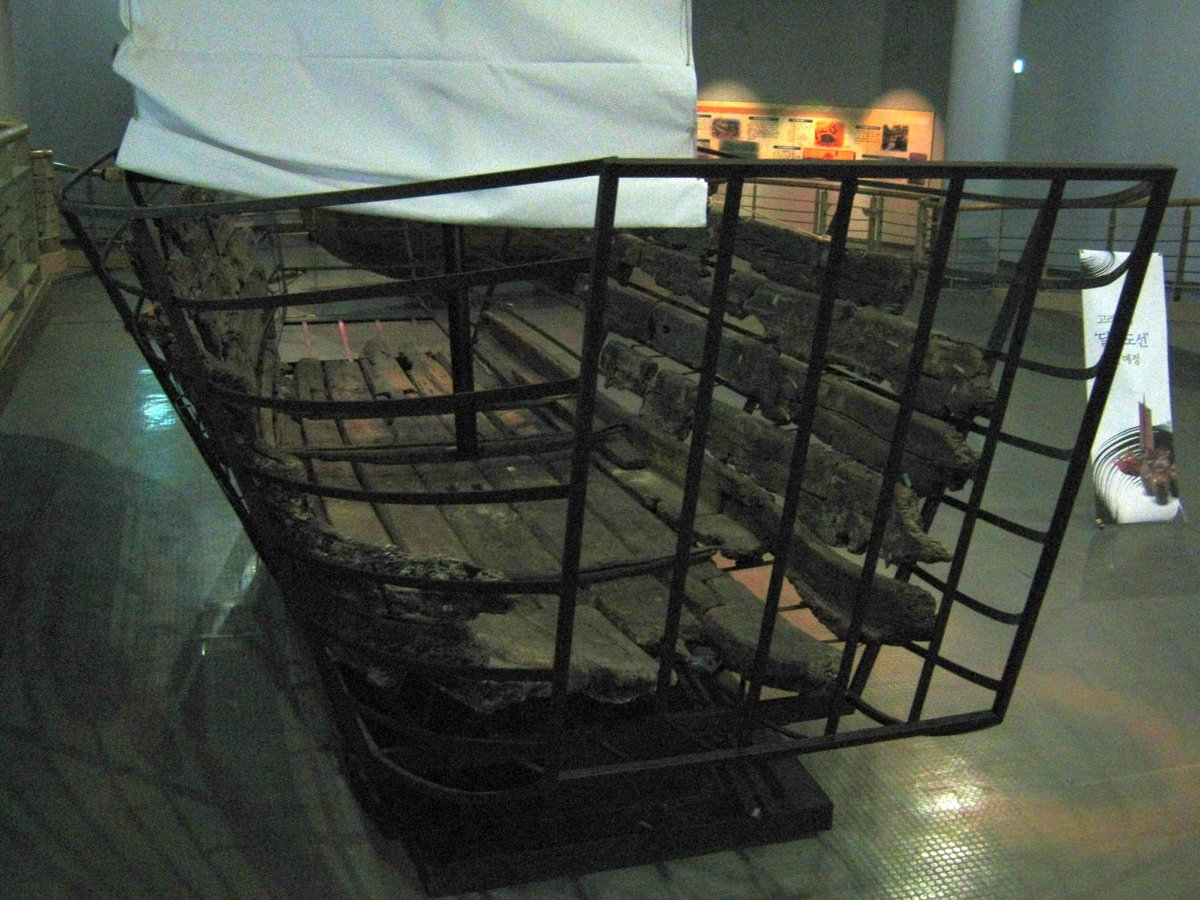
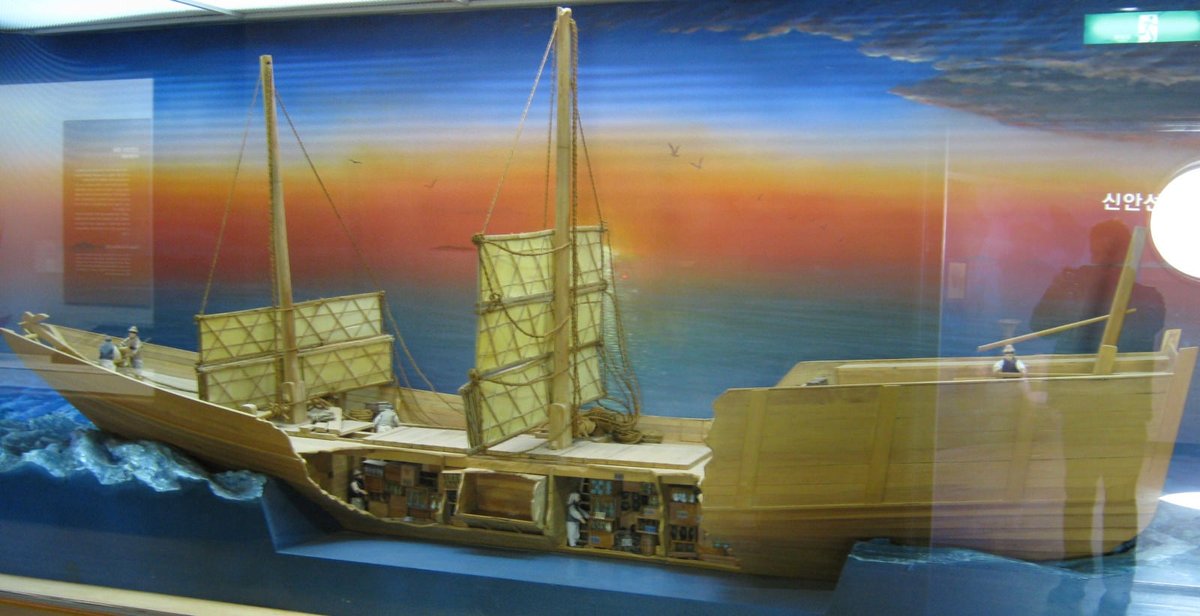
- Historical Artifacts Navigational instruments, ship models, maritime relics, and artwork tracing the evolution of Korean seafaring.
- Cultural Exhibits Insights into coastal communities, traditional fishing, and the sea’s spiritual role in Korean folklore.
- Science and Ecology Interactive displays and an on-site aquarium focused on marine biodiversity and conservation (VisitKorea).
- Special Features A 4D theater, auditorium, and outdoor stage for multi-sensory educational experiences.
- Children’s Museum Hands-on exhibits and workshops tailored for younger audiences (KoreaTravelPost; Cestee).
Visiting Information: Hours, Tickets, Accessibility
-
Hours
- Weekdays: 09:00–18:00
- Weekends/Public Holidays: 09:00–19:00
- Special Days (e.g., Seollal, Chuseok, Children’s Day): 09:00–21:00
- Closed Mondays (or the next day if Monday is a public holiday)
-
Admission
- General admission is free.
- Special exhibitions and the 4D Theater may require additional tickets.
-
Getting There
- Metro: Line 1 to Nampo Station, then bus or taxi to Yeongdo-gu.
- Bus: Bus lines 66 and 186 from Nampo Station.
- Taxi/car: Ample parking available (Cestee; Busan Metropolitan City).
-
Accessibility
- Wheelchair-accessible entrances, elevators, restrooms.
- Complimentary wheelchair and stroller rentals.
- Multilingual staff and signage.
Location, Architecture, and Accessibility
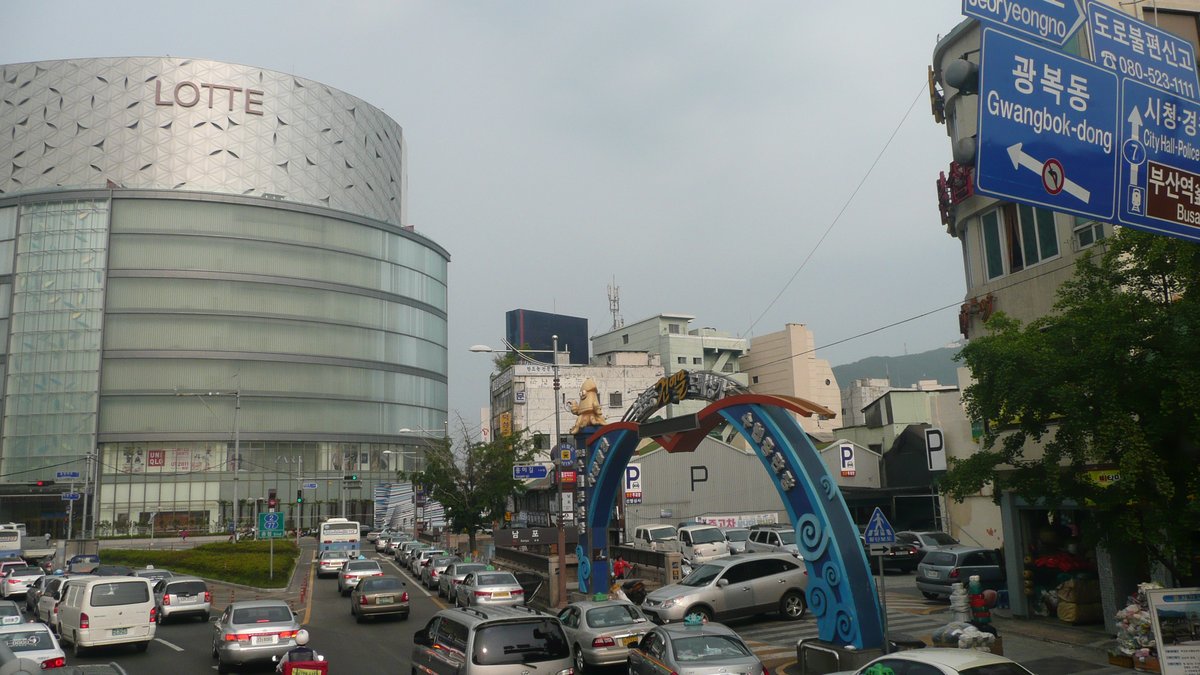
Situated at 45 Haeyang-ro 301beon-gil, Yeongdo-gu, Busan, the museum’s design features wave-like curves and glass facades to echo the sea. Indoor and outdoor spaces provide panoramic harbor views and easy navigation for all visitors. Its proximity to other Busan historical sites, including BIFF Square and Diamond Tower, makes it an ideal starting point for city explorations (VisitKorea).
Visitor Experience
- Guided Tours Offered in Korean and English. Advance booking is recommended.
- Special Events Regular temporary exhibitions, lectures, and cultural performances.
- Facilities Children’s museum, nursing rooms, cafés, gift shop, and a maritime library.
- Best Times to Visit Weekdays for fewer crowds; weekends and holidays for special programming.
- Photography Allowed in most spaces except certain exhibitions and the aquarium.
Nearby Attractions
Enhance your visit by exploring nearby highlights:
- Busan Modern History Museum
- Gamcheon Culture Village
- Yeongdo Lighthouse
- Busan Port
These sites, along with the museum’s scenic waterfront, provide a comprehensive view of Busan’s maritime and cultural landscape.
Symbolism and Identity
The museum’s visual identity incorporates maritime motifs: turban shell patterns, stylized waves, and its shark mascot, all rendered in ultramarine hues to evoke hope and the boundless ocean. These symbols reinforce its role as a steward of tradition and a beacon for future exploration (Busan Marine Natural History Museum).
Educational and Cultural Significance
Beyond exhibitions, the museum is an educational hub with programs for students, families, and researchers. Its library and conference spaces support research and international collaboration, while workshops and seminars encourage public engagement with marine science and heritage (Busan Marine Natural History Museum).
Role in Contemporary Society
The museum addresses modern challenges by promoting ocean literacy, sustainable development, and responsible marine stewardship. With free admission and multilingual resources, it serves as an inclusive space for both locals and international visitors (VisitKorea).
Impact and Recognition
Since opening, the museum has attracted millions of visitors and earned acclaim for its innovative exhibits and educational outreach. Its commitment to expanding collections and international collaboration underscores its status as a leading maritime institution (KoreaTravelPost).
Frequently Asked Questions (FAQ)
Q: What are the visiting hours?
A: 09:00–18:00 on weekdays, 09:00–19:00 on weekends/holidays, extended hours on special days; closed Mondays.
Q: Is admission free?
A: Yes, general admission is free. Special exhibitions and the 4D Theater have separate fees.
Q: Is the museum accessible for people with disabilities?
A: Yes, with ramps, elevators, accessible restrooms, and rentals.
Q: Are guided tours offered?
A: Yes, in Korean and English. Advance booking is recommended.
Q: Can I take photos?
A: Generally yes, except in some special exhibitions and the aquarium.
Q: How do I get there by public transport?
A: Metro Line 1 to Nampo, then bus lines 66 or 186, or taxi.
Discover More
The National Maritime Museum in Busan offers a comprehensive window into Korea’s maritime legacy, combining immersive exhibits, family-friendly amenities, and an inclusive atmosphere. Its strategic location, free admission, and diverse programming make it a highlight among Busan historical sites and a must-visit for anyone interested in maritime history, culture, and science. For the most up-to-date visiting hours, special events, and educational programs, consult the official museum website, and consider downloading the Audiala app for personalized travel recommendations and exclusive content. Dive into Korea’s maritime story and make the National Maritime Museum a centerpiece of your Busan experience!