


Place
South Korea Updated Aug 2026
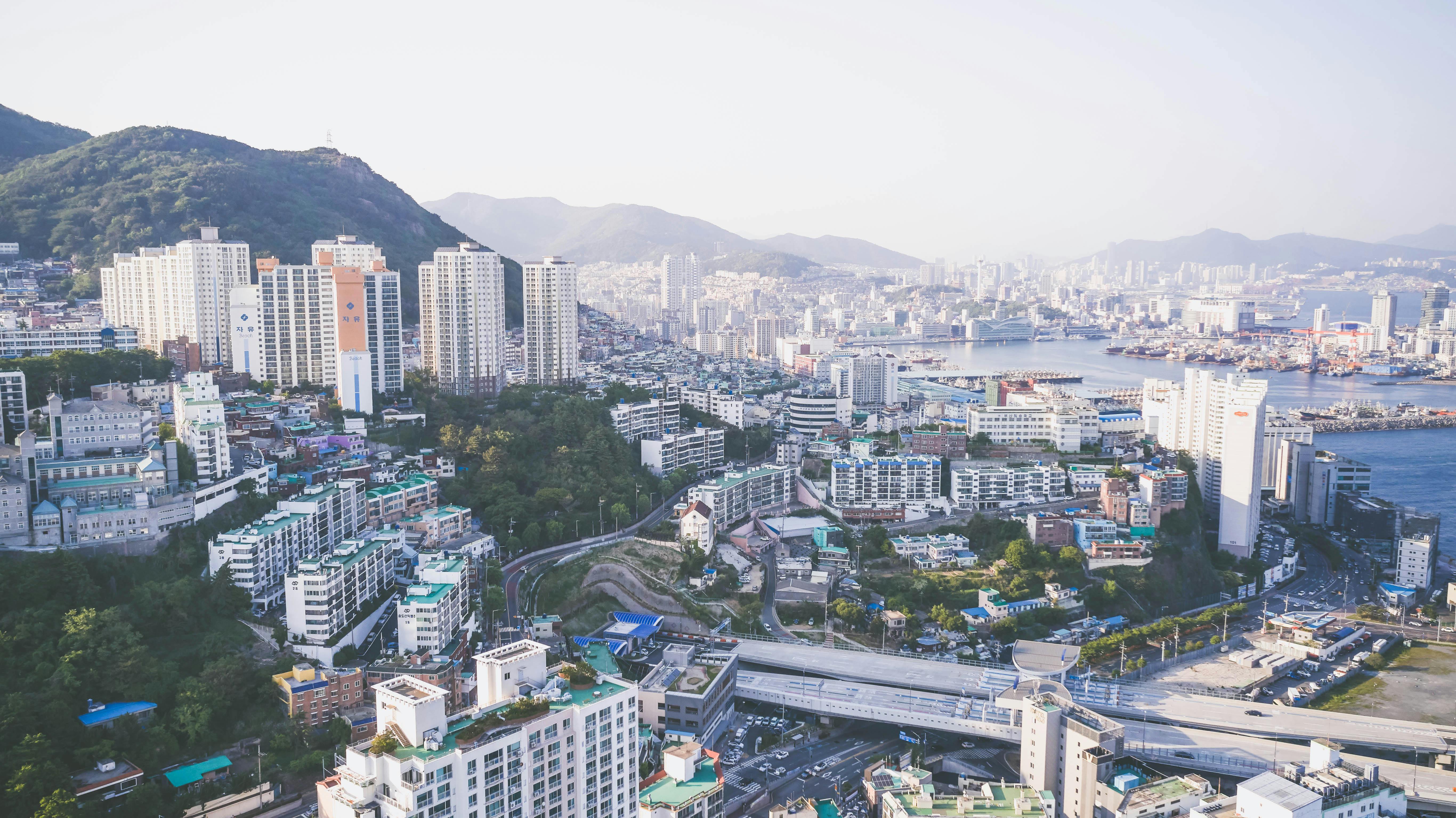
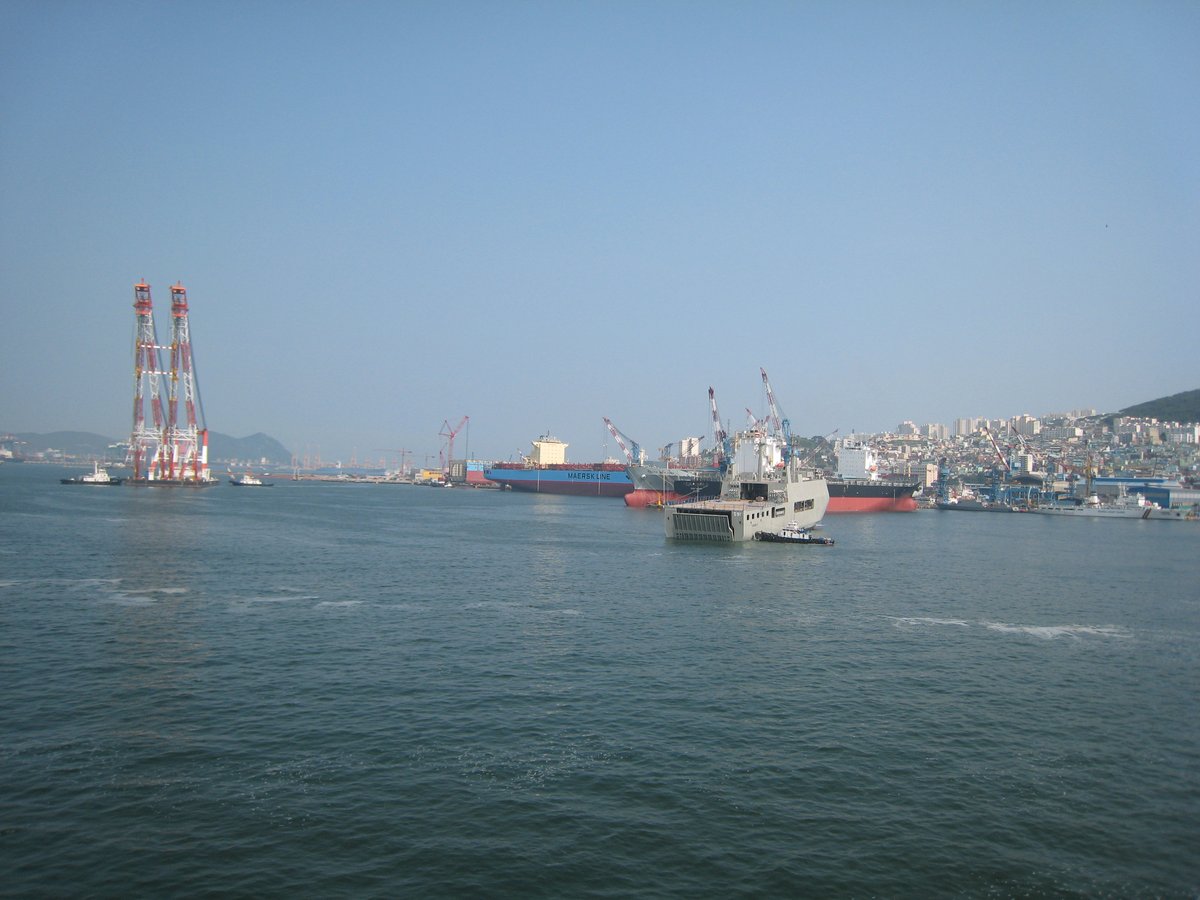
Salt, diesel, grilled eel, and the hard slap of waves mingle along Busan’s waterfront; few big cities announce their harbor so plainly. In Busan, South Korea, a subway ride can take you from a fish market to a cliffside temple, a refugee-built hillside, or a beach facing a 7.4-kilometer suspension bridge. Come for the coast, then stay for the city’s rough-edged memory and late-night appetite.
 Photo: Minsu B / Pexels
Built from cited sources · see the method · How we make our guides →
Busan’s character was forged as much by displacement as by the sea. The city served as South Korea’s provisional wartime capital for a combined 1,023 days—from August 18 to October 26, 1950, and from January 4, 1951, to August 14, 1953—and refugees turned shortage into invention: wheat became milmyeon, while pork bones became the milky broth of dwaeji gukbap. History arrives steaming.
Water sets the rhythm here, but the shore never repeats itself. At Haeundae, the Beach Train and Sky Capsules trace the old Donghae Nambu Line; at Gwangalli, Saturday’s drone show flickers above the bay and Gwangan Bridge; at Gijang, Haedong Yonggungsa faces sunrise with stone guardians staring toward the East Sea. The sea is the constant; the mood keeps changing.
Busan’s newer identity is just as physical: Coop Himmelb(l)au’s Busan Cinema Center suspends an 85-meter cantilever over Dureraum Square, while F1963 turns a wire factory that ran from 1963 to 2008 into galleries, performances, books, and coffee. Yet the city’s real lesson is quieter. Follow the slopes and shorelines and Busan stops looking like a collection of attractions; it becomes a record of people making room for one another, often with little more than concrete, noodles, and a view.
Not every monument, just the ones we'd walk you past ourselves.
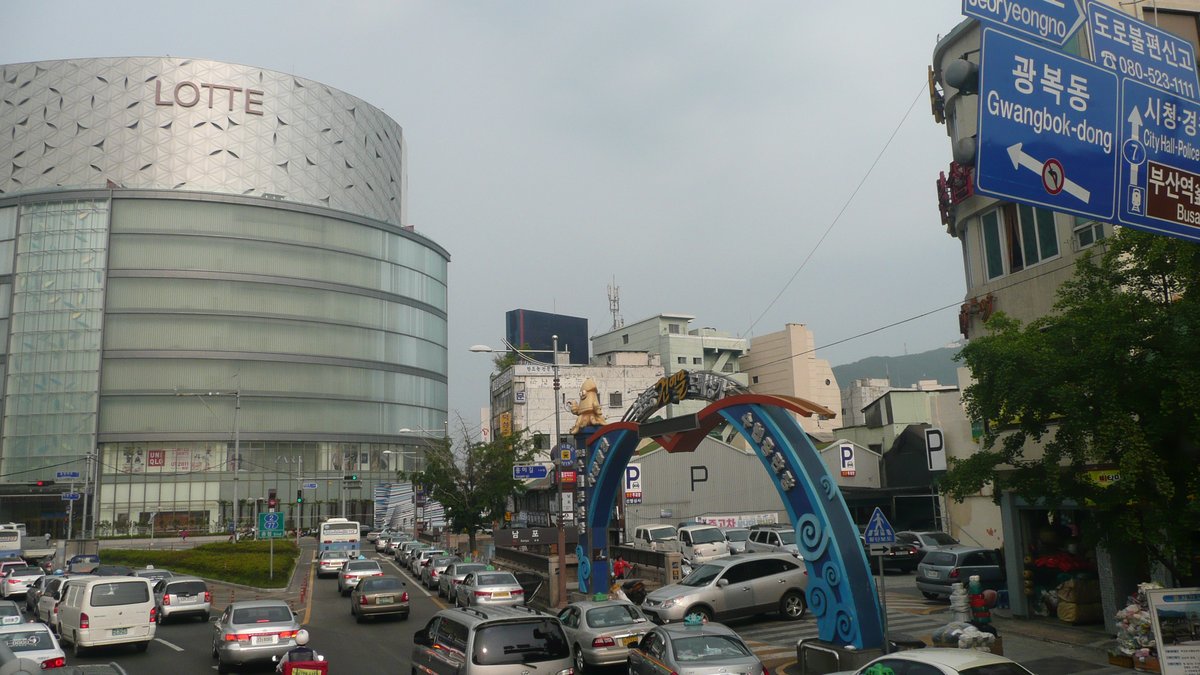
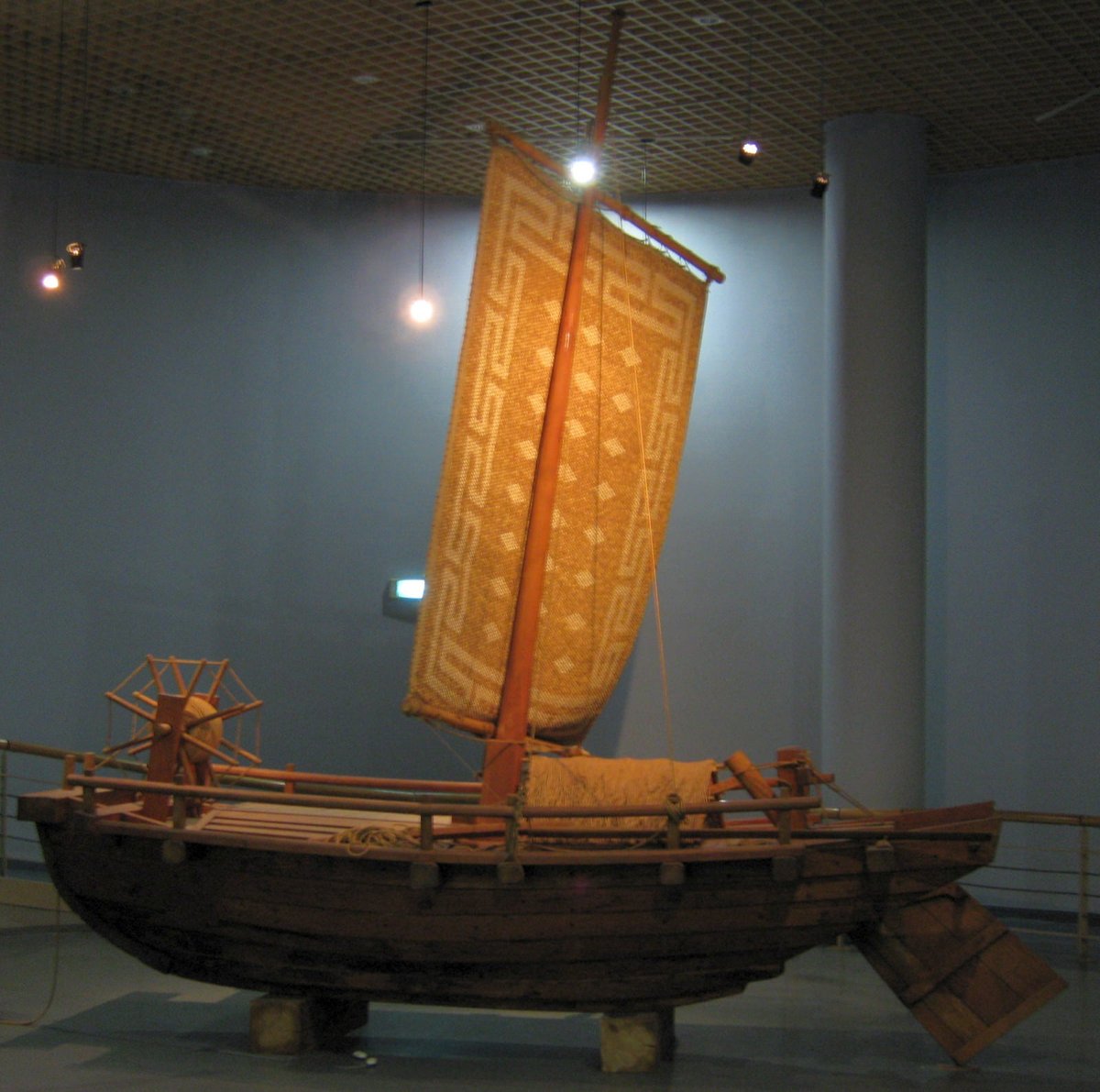
Where to wander, by quarter — each with its own rhythm.
Before you go
Curated from places in this city. Same price as official sites.
Prices shown are indicative — final pricing and availability are confirmed at checkout. Audiala may receive a commission from bookings made via these links.
From shell middens and Gaya iron to a port city facing the world
Archaeological investigations place human activity in the Busan area as far back as the Paleolithic, long before streets or harbor walls existed. Later coastal shell middens preserve the smell of an older economy: oysters, cockles, and fish gathered along the shore by Neolithic communities.
By the late Samhan period, the Busan region was associated with Gochilsanguk, a small polity whose name is often translated as “land of rough mountains.” Its settlements belonged to the shifting Jinhan and Byeonhan world around the Nakdong River, where coastal exchange mattered as much as farming.
Busan’s harbors developed alongside Geumgwan Gaya, the iron-producing kingdom centered across the water in nearby Gimhae. Iron armor and weapons moved through the region, while ships connected the southern peninsula with Chinese commanderies and the ancient polities of Japan.
When Silla absorbed Geumgwan Gaya in 532, the political balance of the southeast shifted sharply. The Busan area entered Silla’s expanding sphere, tying its ports to a kingdom that would eventually dominate most of the peninsula.
In 757, King Gyeongdeok of Unified Silla renamed Gochilsan-gun as Dongnae-gun, the name that still anchors one of Busan’s districts. Over the Goryeo centuries, Dongnae was reorganized as a local hyeon under Ulju, while hot springs and the coast kept drawing people to the area.
Born in Dongnae-hyeon, Jang Yeong-sil rose from the low-ranking status of a government slave to become Joseon’s celebrated engineer and astronomer. His rain gauges, water clocks, and armillary instruments translated the movement of water and stars into public knowledge at King Sejong’s court.
Joseon designated Busanpo as an official port for Japanese trade in 1407, and the name Busan began appearing alongside Dongnae in early Joseon records. After the Jeongmi Yakjo agreement of 1547, Dongnae became a dohobu, giving its magistrate wider authority over diplomacy and the Japanese trading enclave known as the Waegwan.
Scholar-official Song Sang-hyeon became the magistrate of Dongnae, a post that placed him at the hinge between Joseon’s inland court and its most exposed southern port. Four decades later, the wooden gates he guarded would face an army arriving by sea.
Jeong Bal, a Joseon naval officer and fortress commander, was born into the generation that inherited Busan’s uneasy trade with Japan. His later command at Busanjin placed him directly before the first assault of the Imjin War.
On April 13, Konishi Yukinaga’s First Division landed at Busan and stormed Busanjin Fortress; commander Jeong Bal died defending the walls. Two days later, Japanese forces attacked Dongnaeseong, where Magistrate Song Sang-hyeon rejected surrender and thousands of soldiers and civilians were killed; excavated mass graves beneath Suan Metro Station still hold the battle’s coldest evidence.
Admiral Yi Sun-sin led the Joseon fleet into Busan Harbor in October, attacking more than 100 Japanese supply and war vessels anchored in the bay. The raid did not retake the port, but it made the harbor costly to hold and disrupted the invasion’s maritime lifeline.
Joseon founded Chungnyeolsa to honor Song Sang-hyeon, Jeong Bal, and other defenders killed in 1592. Incense and carved tablets turned military defeat into a civic memory, giving Dongnae a shrine where the war remained close enough to touch.
After the Imjin War, the first of twelve Joseon Tongsinsa missions departed from Busan for Tokugawa Japan. Hundreds of diplomats, scholars, painters, and calligraphers gathered for naval rituals before sailing, turning the port into a stage for a carefully managed peace.
Joseon established the Choryang Waegwan, a walled Japanese diplomatic and commercial compound in what is now Jung-gu. Merchants and interpreters worked behind its gates, handling goods and messages in a controlled frontier where a few streets separated exchange from suspicion.
Magistrate Song Gang-sik rebuilt and enlarged Dongnaeeupseong in 1731, restoring walls destroyed during the Japanese invasion. Command posts such as Bukjangdae and gates such as Insaengmun gave the old administrative town a harder outline, with stone replacing much of the memory of fire.
The Treaty of Ganghwa forced Joseon to open Busan Port to Japanese and foreign trade. New wharves, warehouses, roads, and foreign commercial districts spread around Jungang-dong and Choryang, beginning the port-centered urban form that still defines Busan.
Independence activist Baek San An Hee-je was born in Busan in 1885. In the colonial years, his Baeksan Sanghoe trading firm used the city’s commercial networks to channel money toward the Korean Provisional Government in Shanghai, hiding political resistance inside ordinary ledgers and cargo movements.
The Gyeongbu Railway reached Busan in 1905, binding the port to Seoul and making the city a terminus for traffic moving toward the Asian mainland. Japanese colonial rule after 1910 expanded docks, rail yards, and industrial facilities, while Korean workers paid for that growth in wages, land, and control.
Yeongdodaegyo opened as Korea’s first bascule drawbridge, its roadway lifting to let ships pass between Jung-gu and Yeongdo Island. During the Korean War, separated families gathered near the bridge hoping to recognize relatives among the refugees; steel and grief shared the same meeting point.
As North Korean forces drove south, Busan became the deep-water supply port behind the 140-mile Pusan Perimeter. The South Korean government moved here on August 18, and across two periods the city served as provisional capital for 1,023 days, absorbing refugees into hillsides, schoolyards, and makeshift neighborhoods.
A vast fire tore through central Busan on November 27, destroying the old station, the post office, and thousands of refugee homes built from scrap timber. Nearly 30,000 people lost shelter in a city already carrying the war’s displaced population, and the smoke became part of the memory of postwar Busan.
Busan became a direct-controlled city in 1963, placing its administration on a level separate from South Gyeongsang Province. The change matched what the docks, factories, and crowded hills were already saying: this was no longer merely a provincial port.
Students at Pusan National University took to the streets on October 16, joined by workers and citizens in a widening protest against Park Chung-hee’s Yusin dictatorship. Martial law followed in Busan, but the demonstrations spread to Masan and helped precipitate Park’s assassination on October 26.
Busan’s Jungang-dong and Nampo-dong corridors filled with demonstrators during the June Democracy Movement. Their pressure, echoed across South Korea, helped force the June 29 Declaration promising direct presidential elections and loosened the military government’s grip.
The first Busan International Film Festival opened in September 1996, bringing filmmakers and audiences from across Asia to a city better known for cargo than celluloid. Its later home at the Busan Cinema Center helped turn film culture into one of the city’s public languages.
On June 4, the Busan Asiad Main Stadium saw South Korea defeat Poland 2–0 for the country’s first World Cup match victory. Later that year, Busan hosted the 14th Asian Games, where North Korea’s delegation and cheering squad crossed into the southern city under intense public attention.
Gwangan Bridge opened in January 2003, stretching 7.42 kilometers across the bay between Haeundae and Suyeong. After dark, its illuminated span turned the water into a black mirror and gave Gwangalli Beach a new civic backdrop.
Typhoon Maemi struck Busan’s coast with violent winds and flooding in September 2003. Container cranes toppled, vessels broke loose, and low-lying harbor districts learned again that a port city’s wealth sits directly beside its vulnerability.
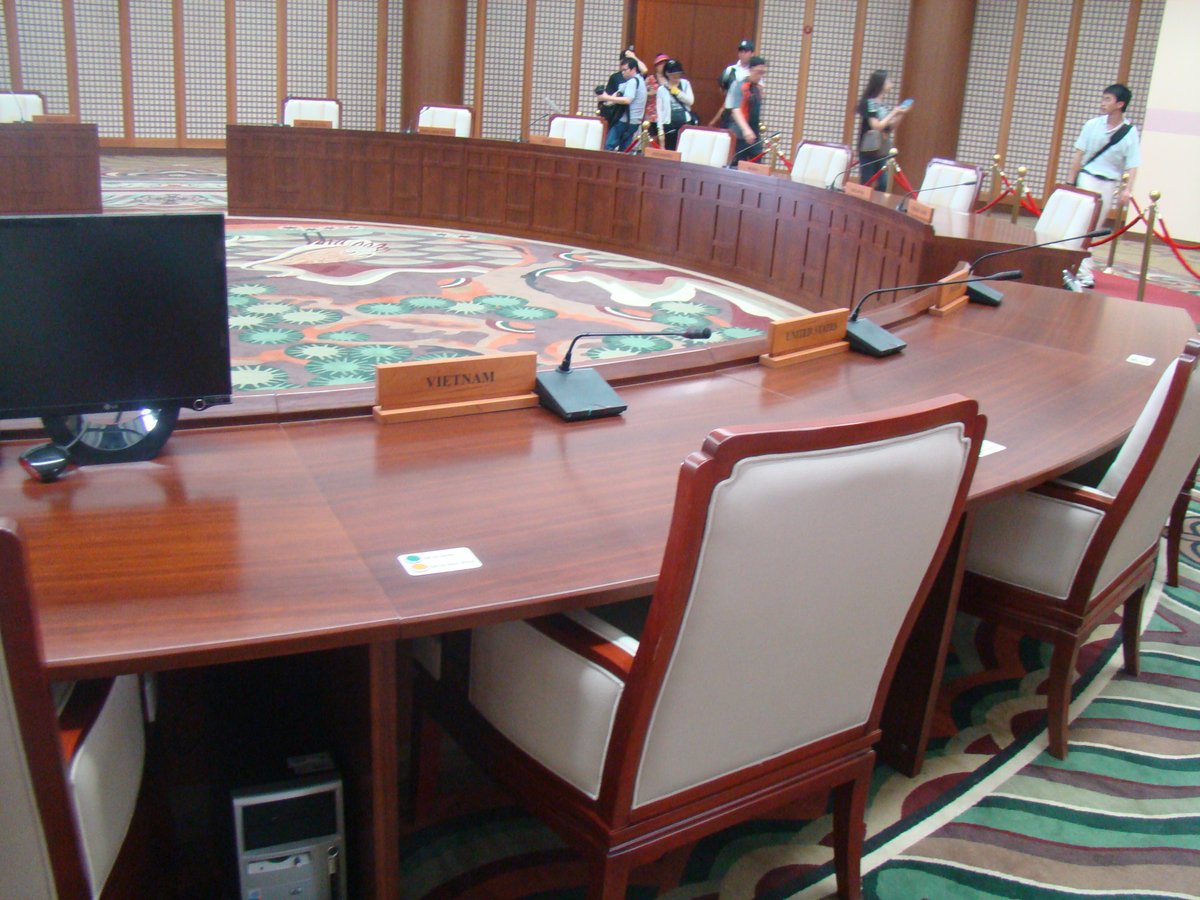
Busan hosted the APEC Economic Leaders’ Meeting at Nurimaru APEC House on Dongbaekseom Island in November 2005. Twenty-one economies gathered above Haeundae’s water, a diplomatic scene staged where fishing villages and resort towers had begun to meet.
The North Port Redevelopment Project began in 2008, recasting old quays as cultural, financial, and public waterfront districts. Busan Cinema Center opened in Centum City in 2011, and by 2019 the 411.6-meter LCT Landmark Tower had added a sharp vertical punctuation to Haeundae’s shore.
Scientist and inventor · c. 1390–after 1442
Born in Dongnae, present-day Busan
Born in Dongnae as a government slave, Jang Yeong-sil rose through his engineering talent to serve Kings Taejong and Sejong, creating water clocks, rain gauges, and astronomical instruments. A city now threaded with bridges, rails, and tide-facing infrastructure might have pleased the engineer who measured time for Joseon.
Novelist · 1908–1996
Born in Dongnae and professor at Pusan National University
Kim Jung-han grew up in Dongnae and wrote about peasants, fishermen, and people pushed to the edge of modern Korea, earning the nickname “Watchman of the Nakdong River.” He might recognize today's Busan in the stubborn dignity of its markets and working waterfronts, even as cranes and towers alter the view.
Chemist · 1904–1989
Born in Busan
Charles J. Pedersen was born in Busan and spent his earliest years there before becoming the chemist whose crown-ether research won the 1987 Nobel Prize in Chemistry. The port city of his childhood has since grown into a high-rise metropolis; he might find its constant traffic of ships and materials familiar in spirit.
Actor · born 1979
Born and raised in Busan
Gong Yoo was born and raised in Busan and attended Dongin High School before becoming one of South Korea's best-known screen actors, from Coffee Prince to Train to Busan. With Busan now doubling as both hometown and global film reference point, he would probably find the city's cinematic reputation amusingly hard to escape.
Singer and songwriter · born 1997
Born and raised in Mandeok-dong, Busan
Jungkook grew up in Mandeok-dong, attended local schools, and left Busan for Seoul as a trainee before becoming BTS's youngest member and a solo star. He might see a familiar version of the city in its young commuters: ambitious, restless, and always headed somewhere uphill.
Singer and dancer · born 1995
Born and raised in Geumjeong-gu, Busan
Jimin was born in Geumjeong-gu and studied contemporary dance at Busan High School of Arts, graduating as the department's top student before joining BTS. A return to Busan today would put his school years beside beaches, cafés, and a global pop following that once seemed impossibly far away.
Actor · born 1955
Born and raised in Choryang-dong, Busan
Kim Hae-sook was born and raised in Choryang-dong, a neighborhood shaped by Busan's port traffic and steep streets, before becoming one of Korea's most respected character actors. She might recognize the city's emotional range: hard-edged in the markets, tender at the water, and rarely polished for its own sake.
Actor and producer · born 1968
Born in Busan
Daniel Dae Kim was born in Busan and immigrated to the United States with his family as a young child, later becoming known for Lost, Hawaii Five-0, and Avatar: The Last Airbender. The Busan he remembers from childhood has changed dramatically, but the city's mix of departure, return, and divided horizons remains a fitting backdrop to his career.
Where locals actually book dinner — not the tourist menus.
This Busan staple combines sliced pork, rice, scallions, and a cloudy pork broth, often sharpened with salted shrimp or chives. Seomyeon's gukbap restaurants serve it as unfussy working-day food, usually steaming in a metal bowl.
Milmyeon means wheat noodles, usually served cold in beef or pork broth with pickled radish, cucumber, egg, and a dab of spicy red sauce. Its postwar popularity is commonly linked to refugees adapting northern noodle traditions to wheat flour, making the dish taste like Busan's modern history.
Busan's fish cakes are springy, savory sheets or cylinders made from finely ground fish, served on skewers in a clear, kelp-scented broth. Try them from stalls around Bupyeong Kkangtong Market, especially when the evening air turns cold.
A crisp-edged Korean sweet pancake, ssiat hotteok is filled with brown sugar, cinnamon, sunflower seeds, and pumpkin seeds. BIFF Square is the classic place to eat one straight from the griddle, standing carefully over the paper cup.
At Jagalchi Market, vendors prepare raw slices of very fresh fish, shellfish, and seasonal catch selected from tanks or market counters. Pair the delicate fish with soy sauce, chogochujang, and maeuntang, the spicy fish stew made from the remaining bones.
This thick scallion pancake from Busan's Dongnae district is softer and more substantial than the thin versions served elsewhere, with seafood folded through the batter. Eat it hot with rice wine when you want a meal that feels local rather than merely Korean.
Along the Haeundae coast, Cheongsapo's seafood restaurants grill clams and other shellfish over charcoal, filling the air with brine and smoke. The setting pairs naturally with the Haeundae Blueline Park, so reserve this for an evening after the Beach Train or Sky Capsule.
BIFF Square and Bupyeong Kkangtong Market turn dinner into a slow wander through hotteok, skewered fish cake, dumplings, fried seafood, and sweet drinks. Go hungry and carry small bills; stalls are where Busan's snack culture is most immediate.
Small things that change how the city treats you.
The city, as it actually looks.


Yes, especially if you want beaches, seafood markets, hillside neighborhoods, and coastal walks in one city. Busan feels less compressed than Seoul, but its attractions are spread widely from Songdo and Yeongdo to Haeundae and Gijang.
Plan on 3–5 days for a first visit. Three days covers old Busan, Gamcheon, Haeundae, and Gwangalli; five gives you time for Haedong Yonggungsa, Taejongdae, or a longer coastal walk.
Take the Busan-Gimhae Light Rail to Sasang, then transfer to Metro Line 2 for Seomyeon or Haeundae. The trip to Seomyeon takes about 45–55 minutes and can cost under KRW 2,000 with a transit card.
Yes, T-money, Cashbee/EZL, and Hanaro cards work on Busan buses, metro lines, the light rail, and taxis. Recharge them with cash at convenience stores or station kiosks, and remember to tag off to receive transfer discounts.
A regular city bus costs KRW 1,550 with a transit card or KRW 1,700 in cash, while express buses cost KRW 2,100 by card. Metro and Donghae Line fares vary by distance, with integrated transfers reducing the total cost.
Busan is generally safe at night, with low levels of violent crime and widespread late-night travel. Take more care around Seomyeon, Haeundae, and Gwangalli nightlife areas on weekend nights, and keep away from rocky shores during marine warnings.
October and November offer the most reliable mix of clear skies, mild temperatures, and low humidity. April and May are also good for blossoms and walking, while summer brings beach weather but monsoon rain and typhoon risk.
Busan is known for dwaeji gukbap, milmyeon, ssiat hotteok, eomuk, and fresh seafood. Start in Seomyeon Dwaeji Gukbap Alley, BIFF Square, Bupyeong Kkangtong Market, or Jagalchi Market for dishes closely tied to the city's port and refugee history.
84 places to discover








Showing 1–48 of 84 places
Saved and recently read places — kept on this device only.
Photos may have been resized or cropped.