
History & Construction
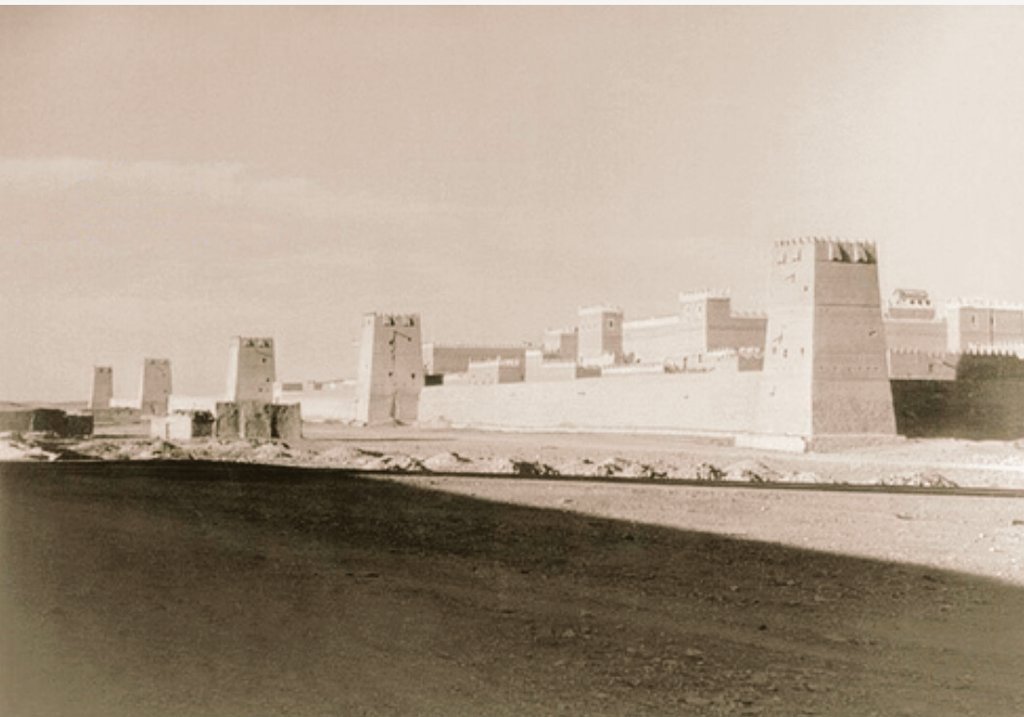
Commissioned by King Abdulaziz Al Saud and completed in 1938, Murabba Palace was built just north of Riyadh’s old city walls, on fertile land near valleys and orchards (Saudipedia; CuddlyNest). The square layout—“Murabba” means “square” in Arabic—provided privacy, security, and symbolized the unity of the newly formed kingdom.
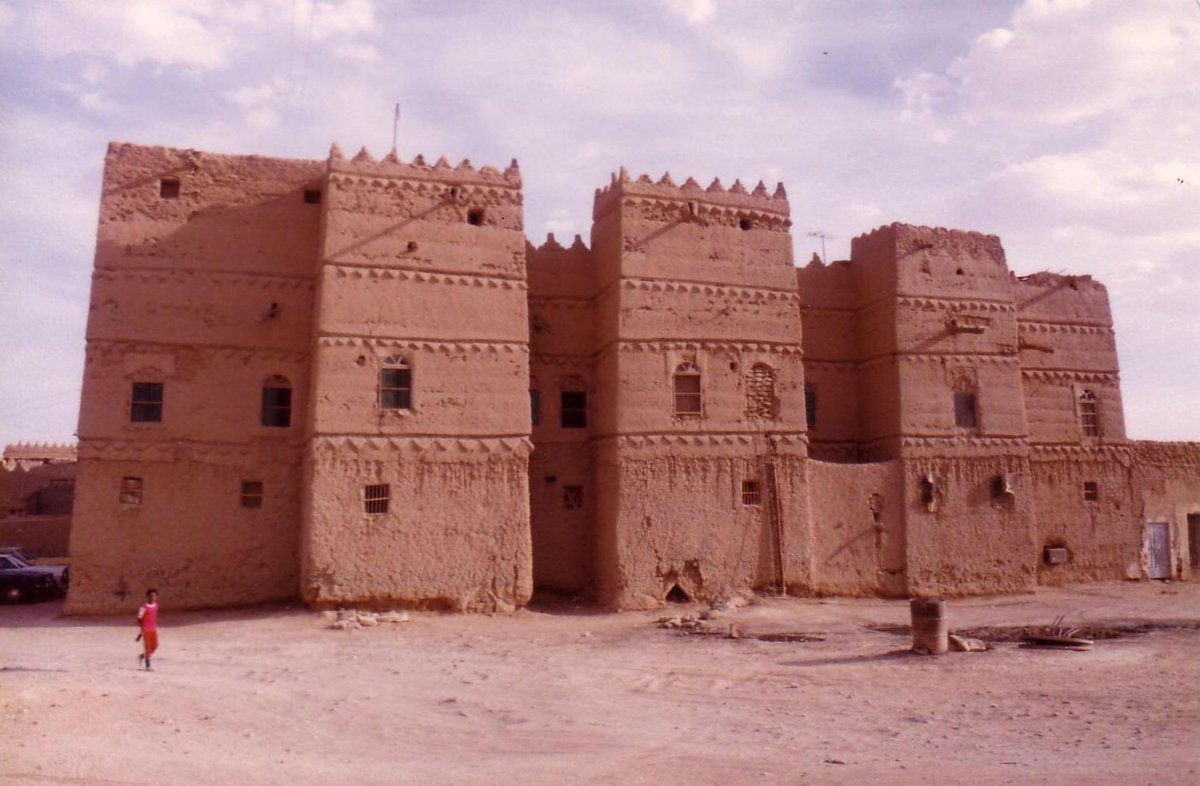
Constructed with sun-dried mud bricks, straw, and palm trunks, the palace’s architecture reflects both the practical demands of the desert climate and the aesthetic traditions of Najdi design (INJ Architects). The palace complex covers 1,680 square meters and consists of 32 rooms across two floors, organized around a central courtyard.
Architectural and Cultural Significance
Murabba Palace exemplifies Najdi architecture, emphasizing geometric simplicity, natural ventilation, and the use of local materials. Distinctive features include thick mud-brick walls, carved wooden doors, zigzag-patterned pillars, and palm frond ceilings (INJ Architects; The Other Paths). The central courtyard serves as a communal space that provides light and cooling, while the relatively austere exterior contrasts with intricately decorated interiors.
The palace’s architecture blends traditional Saudi, Hijazi, and Ottoman influences, seen in its geometric motifs and ornate wooden gates (Regency Holidays). Murabba Palace’s design not only reflects the environment and culture of its era but also marks the transition from traditional to modern governance in Saudi Arabia.
Museum Transformation & Key Exhibits
After King Abdulaziz’s death in 1953, Murabba Palace was transformed into a museum and cultural center. Since 1999, it has been integrated into the King Abdulaziz Historical Center, following extensive restoration (Wikipedia; Saudipedia).
Main Galleries & Exhibits
- King Abdulaziz Memorial Hall Showcases personal belongings, royal regalia, ceremonial swords, traditional attire, and vintage automobiles, including the Rolls Royce gifted by Winston Churchill (The Other Paths; Riyadh Reviews).
- Najdi Architecture & Royal Life Restored rooms furnished in period style, demonstrating early 20th-century royal living.
- Photographic & Written Archives Extensive collections of documents and images chronicling the unification of Saudi Arabia (Holidify).
- Special Features The first elevator ever installed in Saudi Arabia and a collection of royal carriages and classic cars (Riyadh Reviews).
- Traditional Crafts & Outfits Displays of Saudi textiles, jewelry, and weaponry.
Multimedia displays, including interactive touchscreens and audio guides, enhance the educational experience.
Layout and Restoration
Murabba Palace is a square-shaped fortress, with all rooms organized around a spacious central courtyard. The ground floor housed administrative offices and guest rooms, while the upper floor contained private royal quarters and council halls (Trip.com). The palace is connected to other King Abdulaziz Historical Center buildings via restored bridges, creating a cohesive visitor experience (INJ Architects).
Restoration efforts focused on using original materials and techniques, with some original craftsmen participating. Key projects included structural reinforcement, material conservation, and the careful recreation of lost or damaged elements, preserving the palace’s authenticity and historical ambiance.
Visiting Hours, Tickets, and Accessibility
Regular Opening Hours:
- Monday to Thursday 9:00 AM – 12:00 PM, 5:00 PM – 8:00 PM
- Friday and Saturday 5:00 PM – 8:00 PM
- Sunday 9:00 AM – 12:00 PM
(zamzam.com)
Admission Fee:
- Free of charge for all visitors (hersaudiarabiaadventures.com).
- No tickets or advance booking required for individuals. Groups should contact the administration in advance.
Accessibility:
- Wheelchair accessible at main entrances and certain ground-floor areas.
- Upper floors and narrow corridors may not accommodate wheelchairs.
- Accessible restrooms are available in the historical center complex (netzender.com).
How to Get There & Nearby Attractions
Location:
Prince Faisal Bin Turki Street, Al Murabba District, Riyadh. Plus code MP74+QPV (zamzam.com).
Close to Masmak Fort and the National Museum.
Getting There:
- By Car/Taxi Most convenient; ample parking available.
- Public Transport Limited direct access; combine metro/bus with a taxi ride.
Nearby Attractions:
- Masmak Fort A key site in Saudi unification (regencyholidays.com).
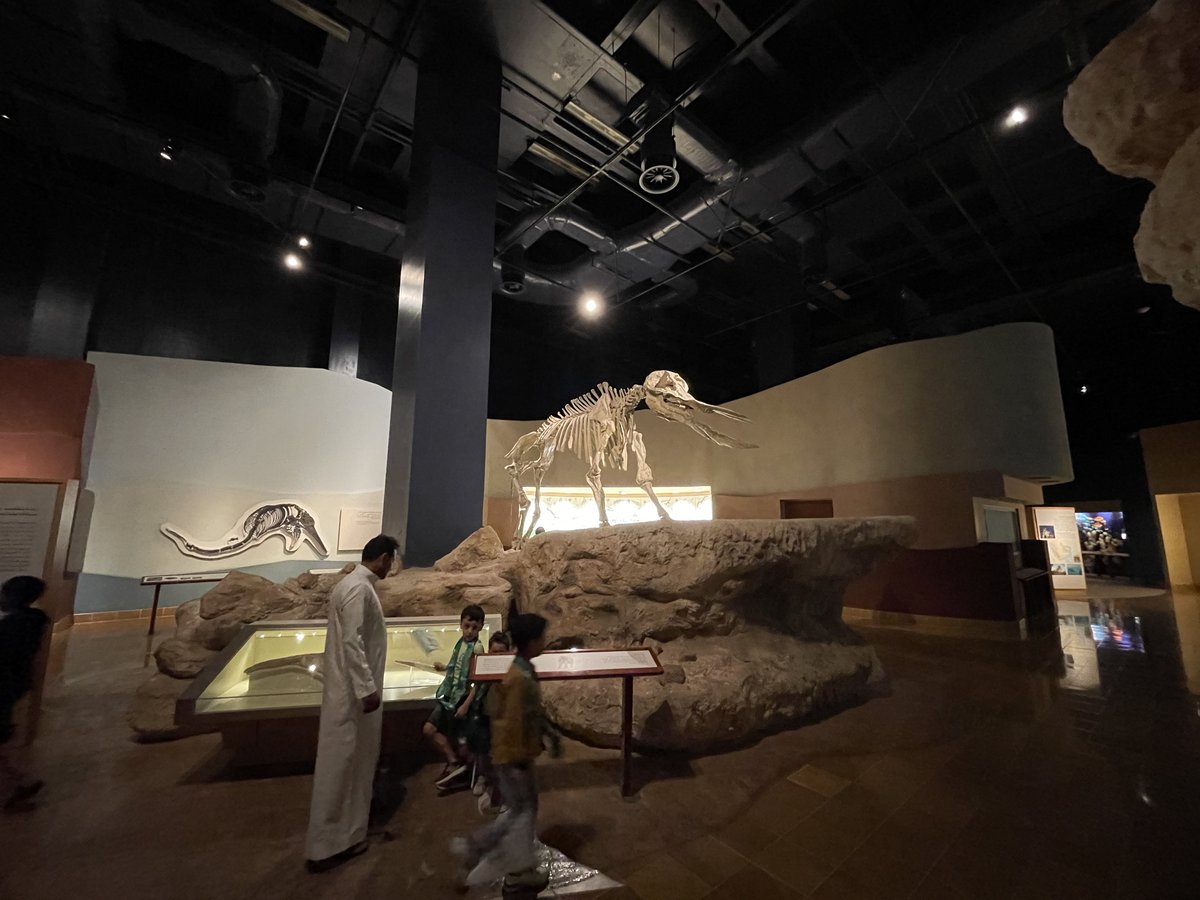
- National Museum of Saudi Arabia Adjacent, offering a comprehensive history of the kingdom.
- King Abdulaziz Historical Center Includes gardens and exhibition spaces.
Accommodation:
Hotels nearby range from luxury (Burj Rafal Hotel Riyadh, Rosh Rayhaan by Rotana) to budget (Gloria Inn, Four Points by Sheraton) (netzender.com; zamzam.com).
Special Events and Tours
Murabba Palace regularly hosts cultural festivals, art exhibitions, traditional music performances, and educational workshops. Guided tours in Arabic and English are available and highly recommended for a richer experience. Check the official website or local event listings for up-to-date information.
Visitor Facilities & Practical Tips
- Guided Tours Available in multiple languages; book on-site or in advance.
- Photography Permitted in most areas; observe restrictions.
- Dress Code Modest attire recommended; abaya not mandatory for foreign women but is common.
- Amenities Rest areas, shaded gardens, accessible restrooms, gift shop.
- Refreshments No cafés inside; nearby options include Golden Saj Restaurant, Al Baik, and Starbucks.
- Safety & Security Standard checks at entrance; follow posted health guidelines.
Best Time to Visit:
October to April for milder weather. Mornings and late afternoons are most comfortable, especially for exploring the gardens (hersaudiarabiaadventures.com).
FAQs
Q: What are Murabba Palace’s visiting hours?
A: Monday–Thursday: 9:00 AM–12:00 PM, 5:00 PM–8:00 PM; Friday & Saturday: 5:00 PM–8:00 PM; Sunday: 9:00 AM–12:00 PM.
Q: Is admission free?
A: Yes, entry is free for all visitors.
Q: Is the palace wheelchair accessible?
A: Main entrances and ground-floor areas are accessible; not all upper floors are.
Q: Are guided tours offered?
A: Yes, in Arabic and English; arrange on-site or in advance.
Q: Are photos allowed?
A: Personal photography is allowed in most areas; respect restrictions.
Q: What other sites are nearby?
A: Masmak Fort, National Museum, and King Abdulaziz Historical Center.
Summary & Recommendations
Murabba Palace is a must-visit for anyone interested in Saudi history, architecture, or culture. Its authentic Najdi design, significant exhibits, and vibrant role within the King Abdulaziz Historical Center make it a standout among Riyadh historical sites. Plan your visit during cooler months, take advantage of guided tours, and explore the adjacent museum and gardens for a comprehensive cultural experience.
For the latest updates, visit the King Abdulaziz Historical Center official website and download the Audiala app for personalized recommendations.