Place
Saudi Arabia Updated Mar 2026
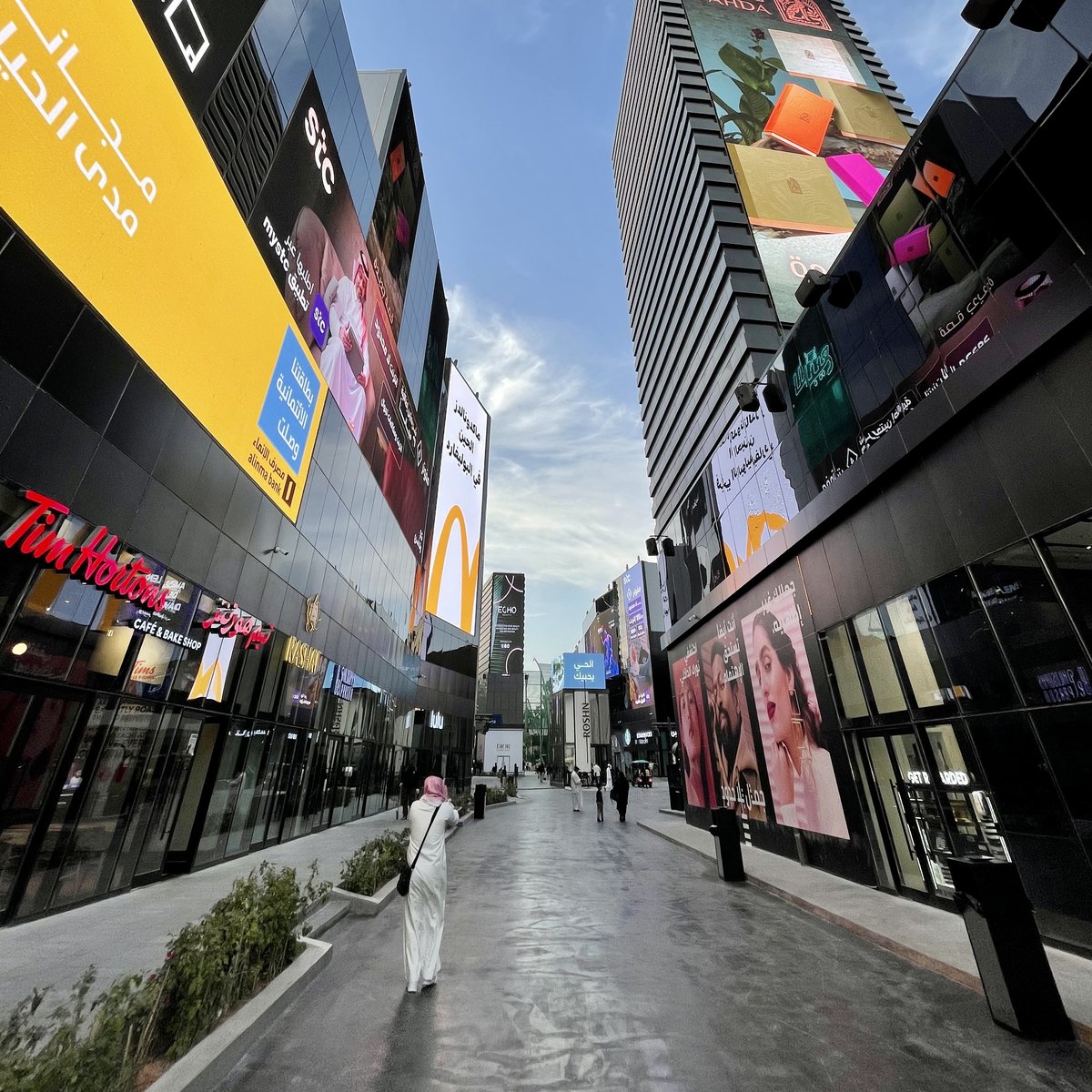
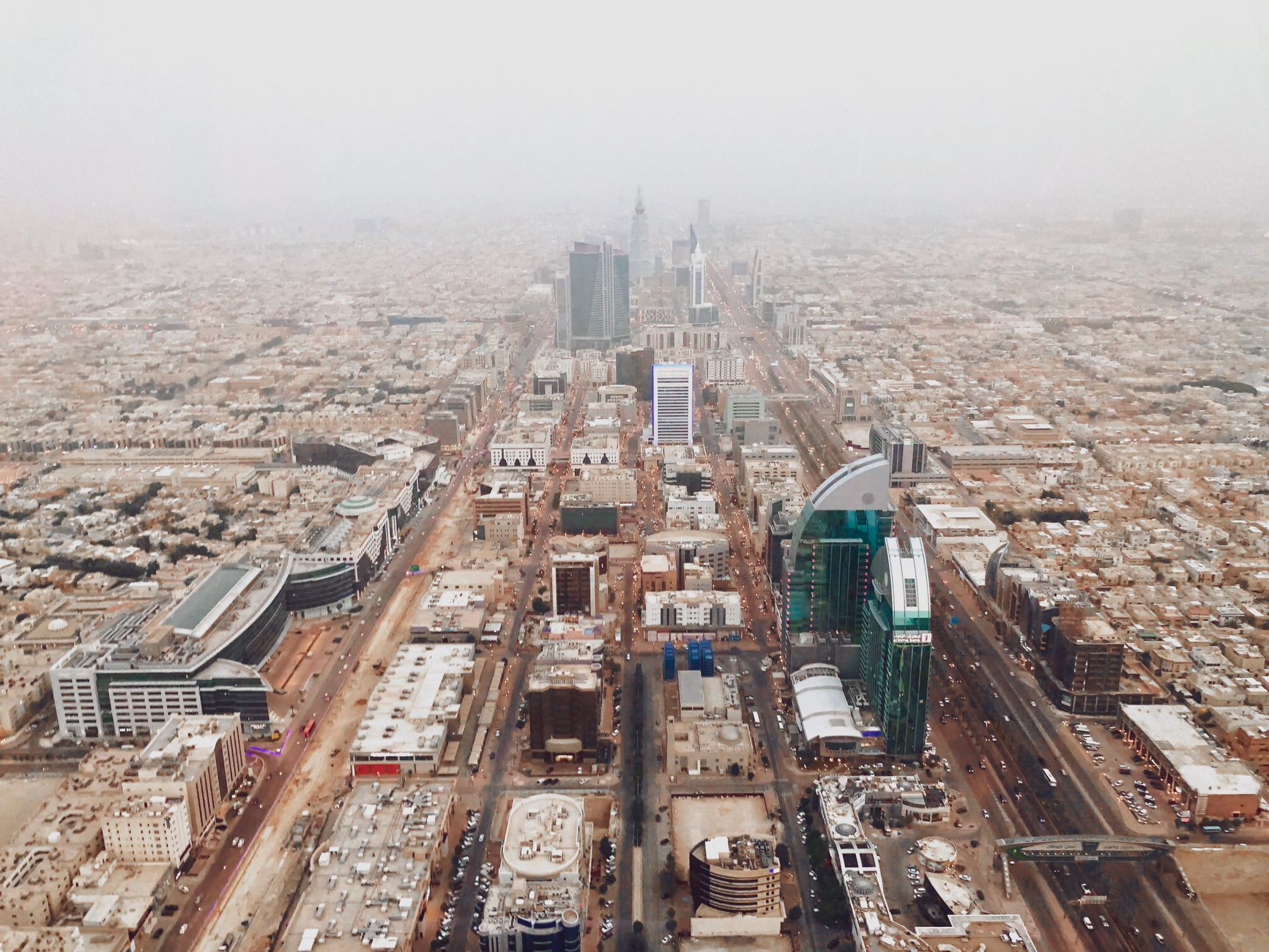
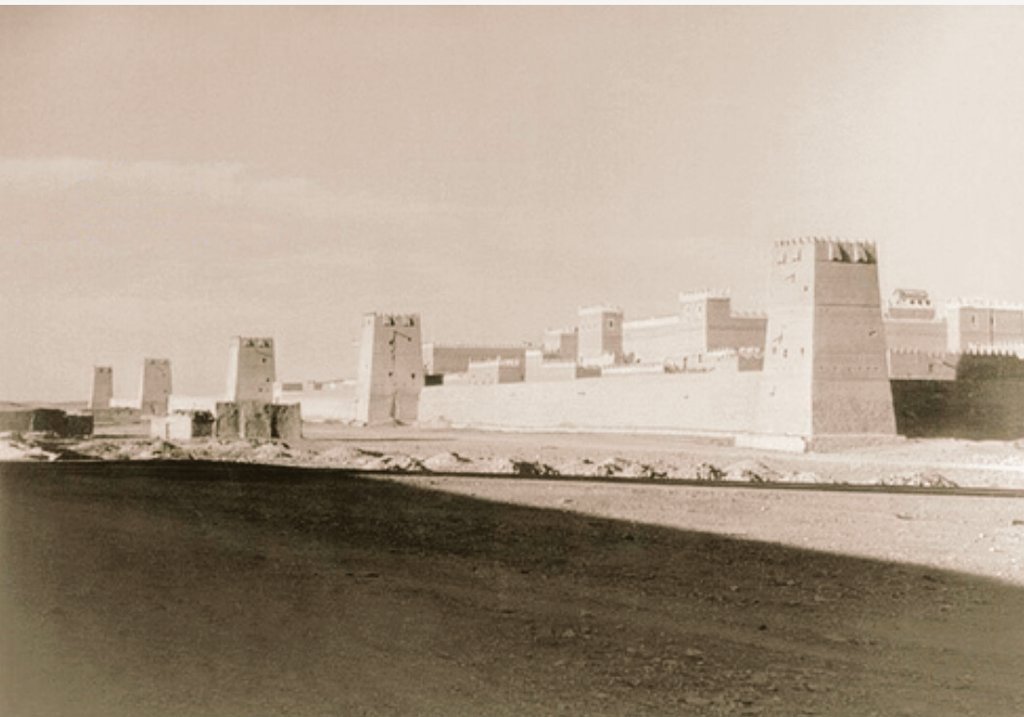
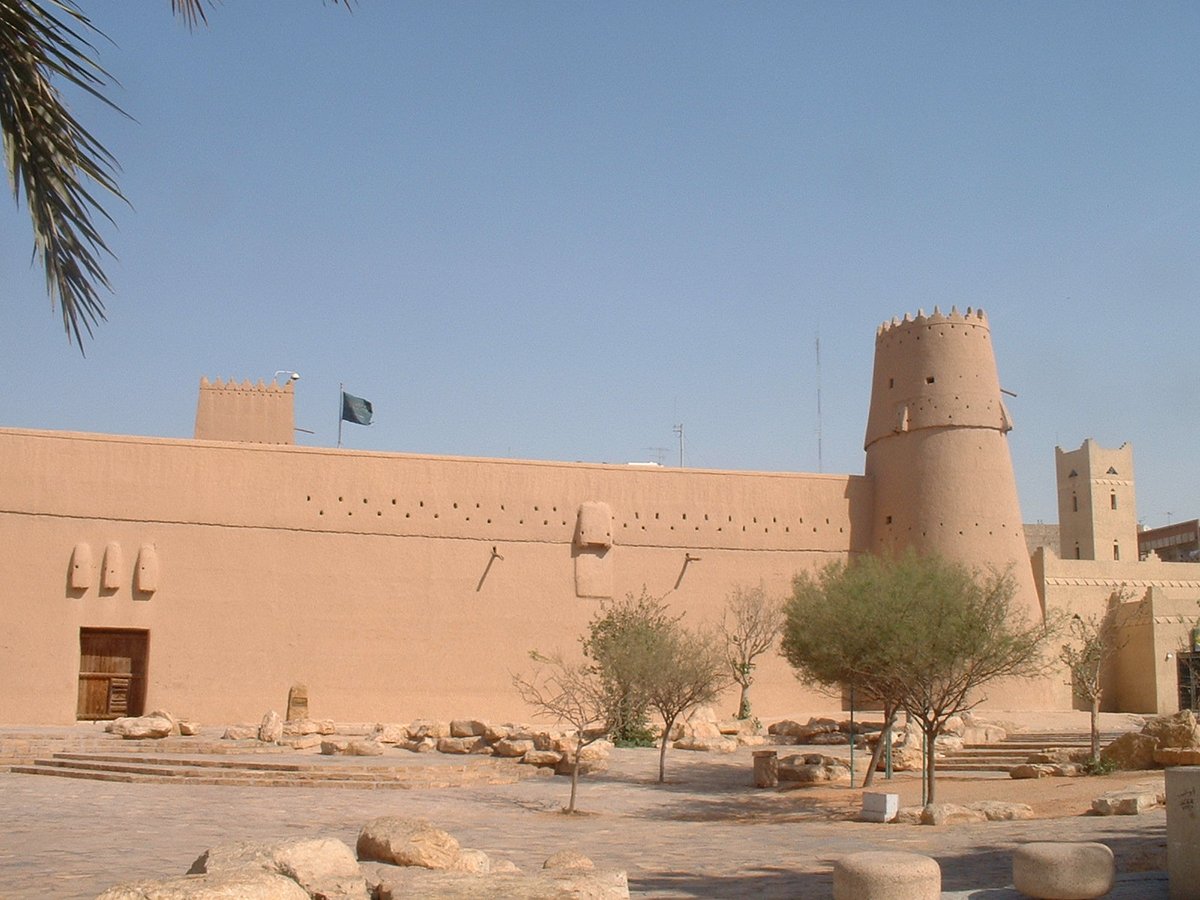
The spear tip is still there. Embedded in the wooden gate of Al-Masmak Fortress since the night in January 1902 when a young Abdulaziz ibn Saud scaled the walls and reclaimed his family's capital, that bent sliver of iron marks the moment modern Saudi Arabia began. Riyadh has spent the century since transforming from a mud-walled oasis town into a glass-and-steel metropolis of over eight million — yet the desert light that floods its wide boulevards at dusk still carries the same copper warmth that once lit those fortress walls.
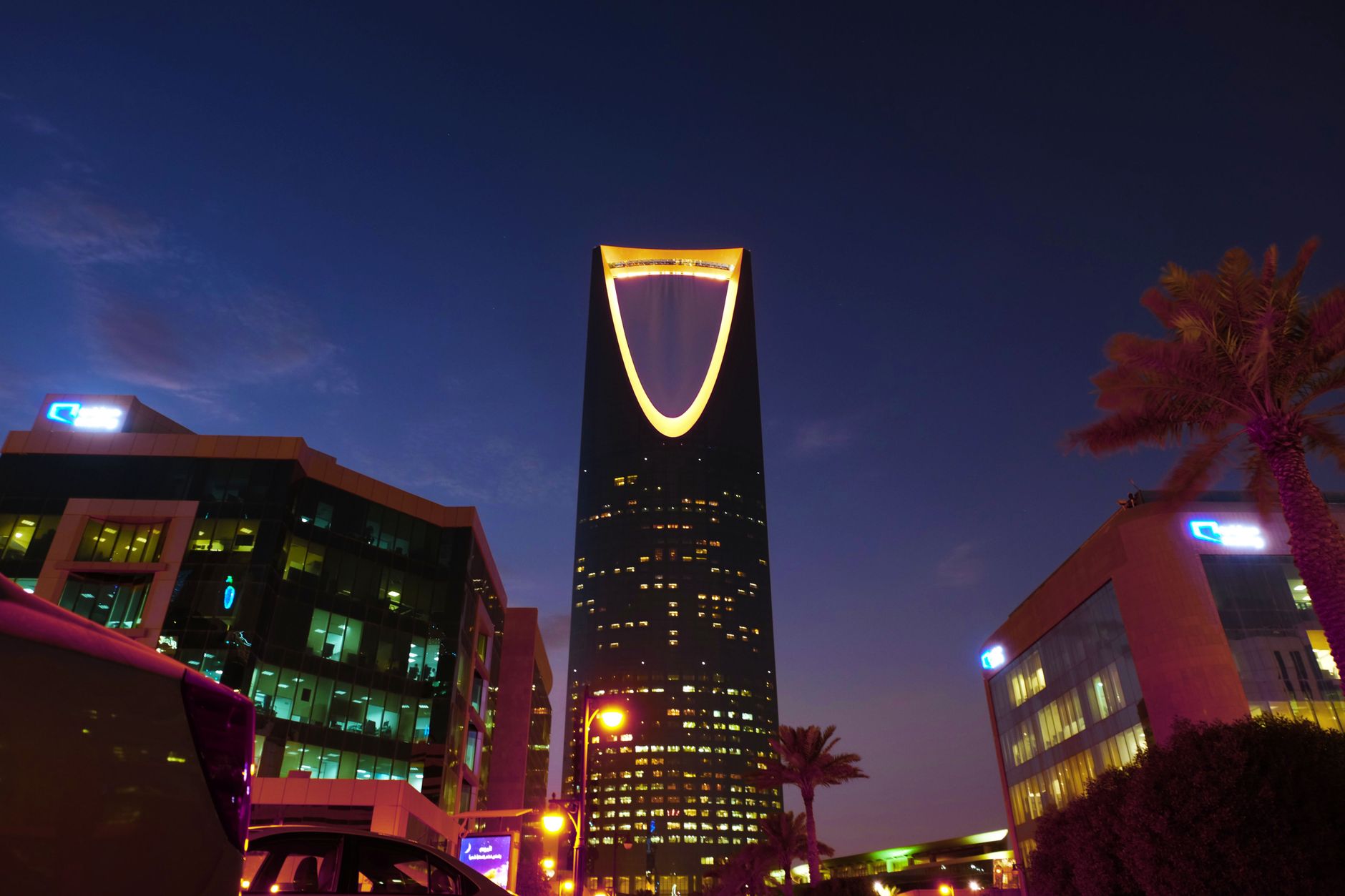 Photo: Abdulmeilk Aldawsari / Pexels
Built from cited sources · see the method · How we make our guides →
This is a city defined by velocity. Entire districts materialize in the time it takes other capitals to approve a zoning permit. The King Abdullah Financial District rose from empty sand into a cluster of interconnected towers, sky bridges, and a futuristic grand mosque within a decade. Fifteen kilometres northwest, the ancestral mud-brick ruins of Diriyah — seat of the Al Saud dynasty since 1446 and a UNESCO World Heritage Site since 2010 — have been reborn as Bujairi Terrace, where Parisian patisseries now face the same Najdi courtyards that once housed desert scholars. The contrast is not accidental; it is the whole point.
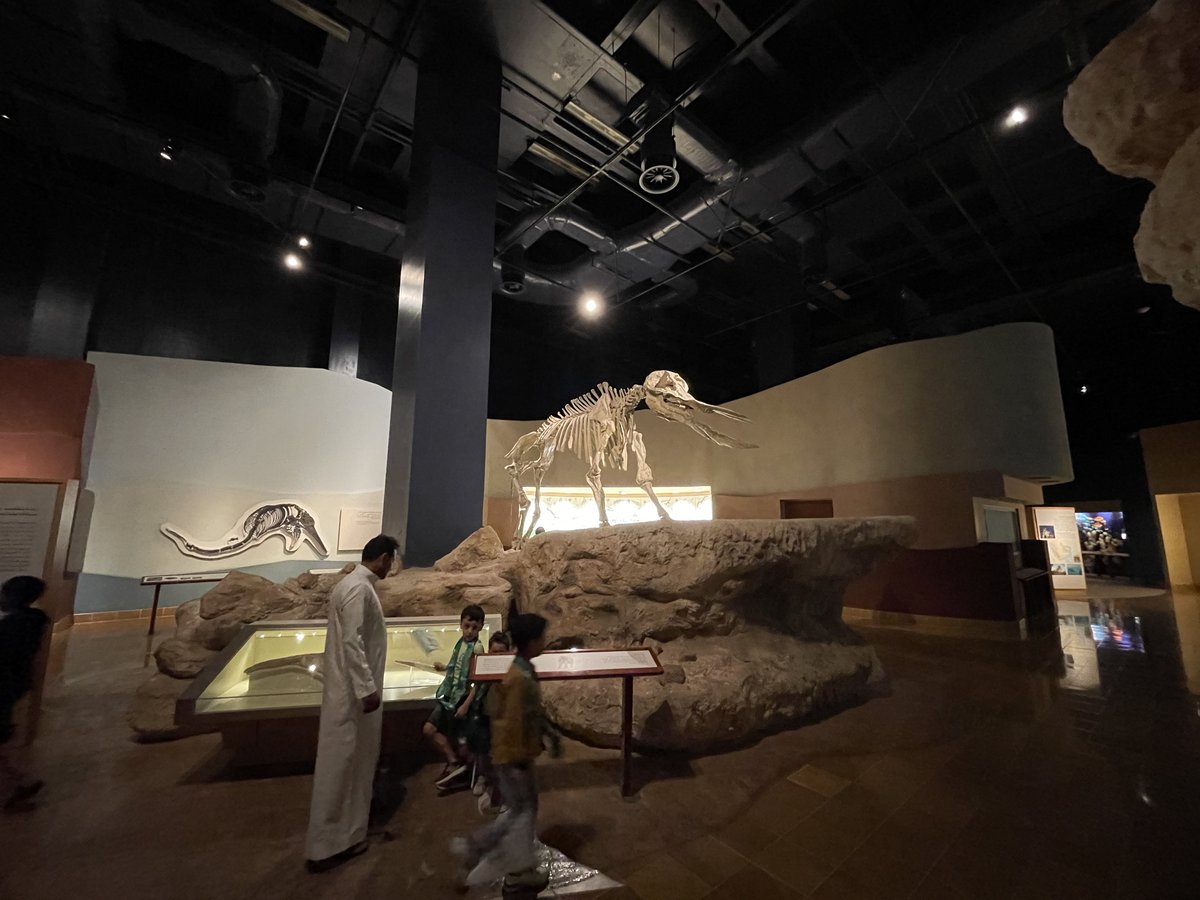
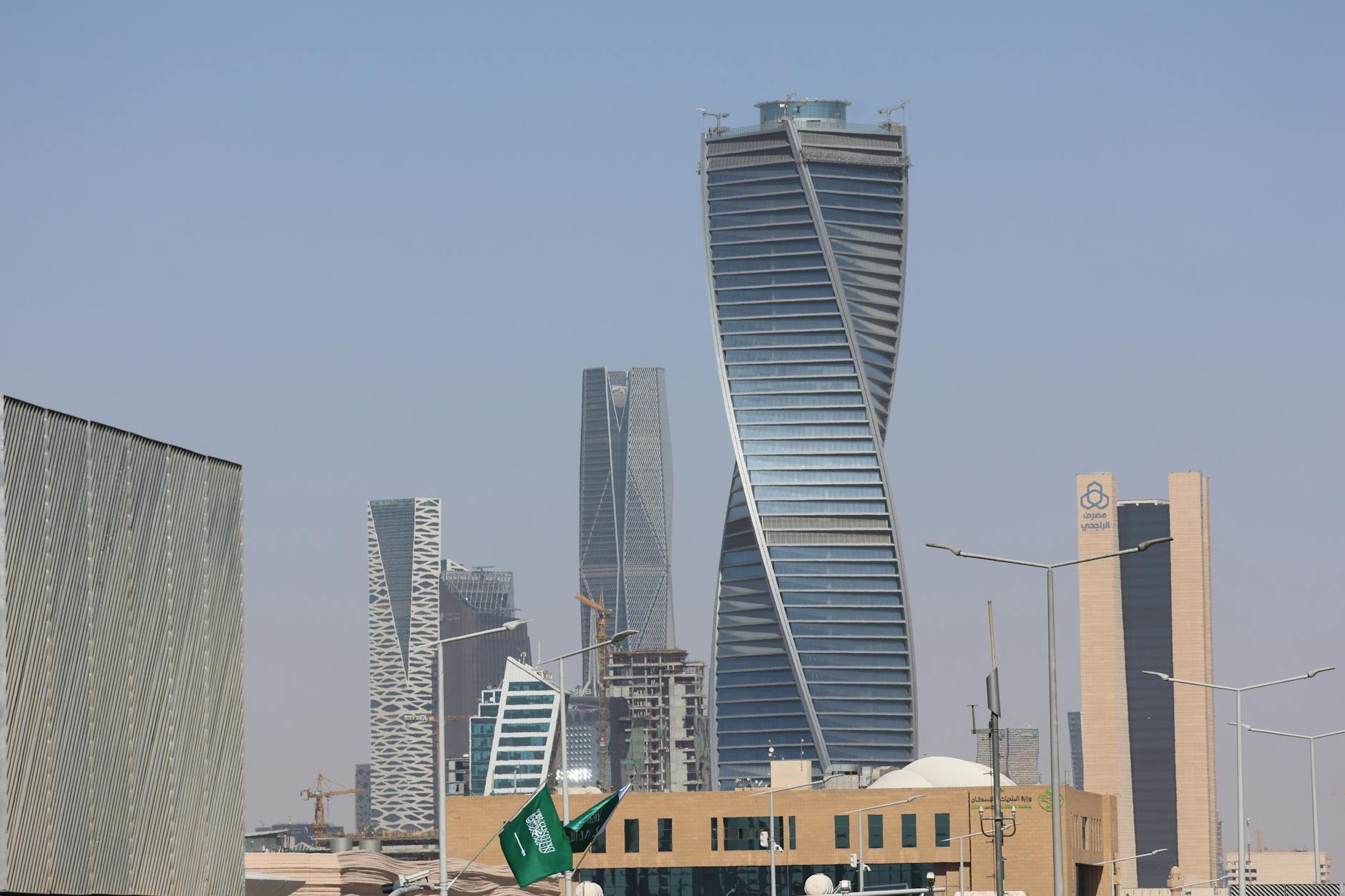
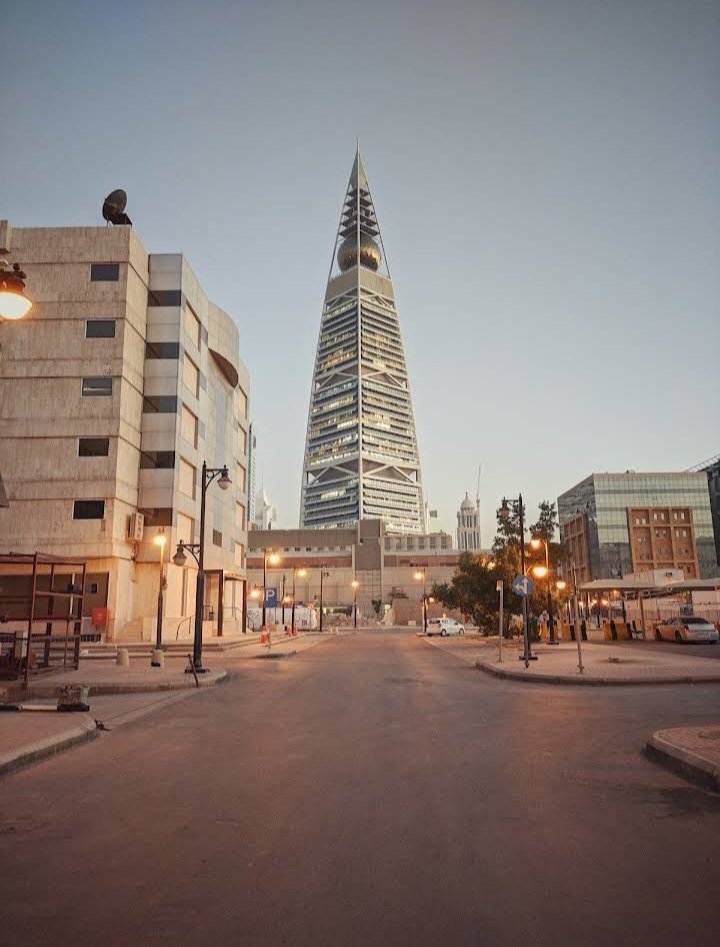
Riyadh does not seduce gradually. It overwhelms with scale — the 302-metre arch of Kingdom Centre Tower slicing the skyline, the Tuwaiq Escarpment's 300-metre cliffs dropping into nothingness an hour's drive from downtown, the 120-kilometre green ribbon of Wadi Hanifah cutting through a city built on some of the driest land on earth. But between the megaprojects, a quieter city reveals itself: the turmeric-and-cardamom haze of the spice souks near Al-Dira, the eight galleries of the National Museum tracing Arabian civilization from Neolithic rock art to the Hajj, the unexpected public art installations — over a hundred of them — tucked beneath highway underpasses and across rooftops.
What makes Riyadh compelling for visitors right now is its sheer unfinishedness. Saudi Arabia's capital is mid-metamorphosis, caught between the austerity of its Wahhabi heritage and a deliberate, lavishly funded opening to the world. You can feel the tension in the best possible way: a city arguing with itself about what it wants to become, and building the answer in real time.
Not every monument, just the ones we'd walk you past ourselves.
Where to wander, by quarter — each with its own rhythm.
Before you go
How a Najdi oasis became the capital of the world's largest oil state
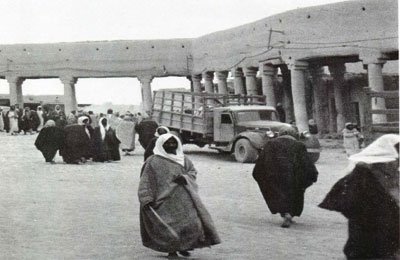
Long before anyone called it Riyadh, the oasis settlement of Hajr al-Yamamah sat at the heart of central Arabia's most fertile corridor. The Banu Hanifa tribe farmed its date groves and drew water from the same deep aquifer that would one day sustain a city of eight million. Caravan routes linking the Persian Gulf coast to the Hejaz converged here, making Hajr a crossroads of incense, livestock, and tribal diplomacy in an otherwise unforgiving landscape.
Barely a year after the Prophet Muhammad's death, the fledgling Muslim state faced its gravest crisis. Musaylimah, a charismatic rival prophet commanding 40,000 warriors, held the Yamamah from its stronghold near Hajr. Khalid ibn al-Walid's army prevailed in one of the bloodiest battles in early Islamic history — so many Quran memorizers fell that Caliph Abu Bakr ordered the entire text compiled into a single manuscript for the first time. The slaughter stamped this quiet oasis into the founding narrative of Islam itself.
Mani' al-Muraydi led his clan from the eastern Qatif oasis to the banks of Wadi Hanifah, northwest of Hajr, and raised a mud-brick settlement called Diriyah. For three centuries it remained a modest farming town, growing dates along the wadi's seasonal floods. No one could have guessed it would become the cradle of a dynasty that would reshape the entire Arabian Peninsula.
Muhammad ibn Abd al-Wahhab, a reformist preacher driven from town after town for his uncompromising theology, arrived at Diriyah's gate seeking refuge. Muhammad ibn Saud, the local emir, offered him protection and something more: a mutual oath. The preacher would provide religious legitimacy; the prince would provide the sword. This compact — sealed in a mud-walled room with a handshake — created the Saudi-Wahhabi alliance that endures to this day and launched the First Saudi State on a campaign of rapid expansion across Najd.
The walled town of Riyadh, just 15 km southeast of Diriyah, had long resisted Saudi-Wahhabi expansion. After a prolonged siege, it finally submitted. Riyadh became a garrison town within the growing First Saudi State, its palm-fringed oasis supplying grain and dates to the capital at Diriyah. The name itself — from the Arabic riyad, meaning gardens — spoke to the lush groves that distinguished it from the surrounding gravel plains.
The Ottoman sultan, alarmed by Wahhabi raids into Iraq and the Hejaz, dispatched an Egyptian army under Ibrahim Pasha. After a six-month siege, Diriyah fell. Ibrahim's troops systematically demolished its mud-brick palaces, towers, and mosques, then uprooted date palms and poisoned wells to ensure no one could return. The First Saudi State was erased from the map. But in the rubble of Diriyah, the Al Saud story was only pausing — not ending.
Turki ibn Abdullah, an Al Saud survivor of Ibrahim Pasha's devastation, rebuilt the family's power not at ruined Diriyah but at nearby Riyadh. He captured its fortress, repaired its mud-brick walls, expanded the markets, and drew tribal allegiances back to the Saudi name. Riyadh, until now a provincial oasis town, became the seat of the Second Saudi State — a role it has never relinquished in the two centuries since.
Abdulaziz ibn Abdulrahman Al Saud was born into a dynasty watching its capital slip away. His grandfather had been assassinated, his father outmaneuvered by the rival Rashidi clan from Ha'il. The boy grew up hearing stories of Al-Masmak fortress, the date groves along the wadi, the kingdom his ancestors had built and lost. Those stories became an obsession — and that obsession would become a nation of 2.15 million square kilometers.
Muhammad ibn Rashid, the powerful emir of Ha'il, seized Riyadh after years of Saudi infighting. The young Abdulaziz and his family fled south into the Rub' al-Khali desert, eventually finding refuge with the Al Sabah rulers of Kuwait. Al-Masmak fortress, symbol of Saudi authority for nearly seven decades, now flew a Rashidi banner. Riyadh entered a decade of foreign rule, its future an open question.
On the night of January 15, Abdulaziz ibn Saud — just 26 years old — scaled the walls of Riyadh with barely 40 men. They hid in houses near Al-Masmak fortress and waited in the predawn cold for the Rashidi governor to emerge for morning prayers, then struck. The fighting was so close-quartered that a spear thrown at the gate lodged in the wooden door — it remains embedded there today, a relic visitors can touch. By sunrise, Riyadh was Saudi again. It would never change hands.
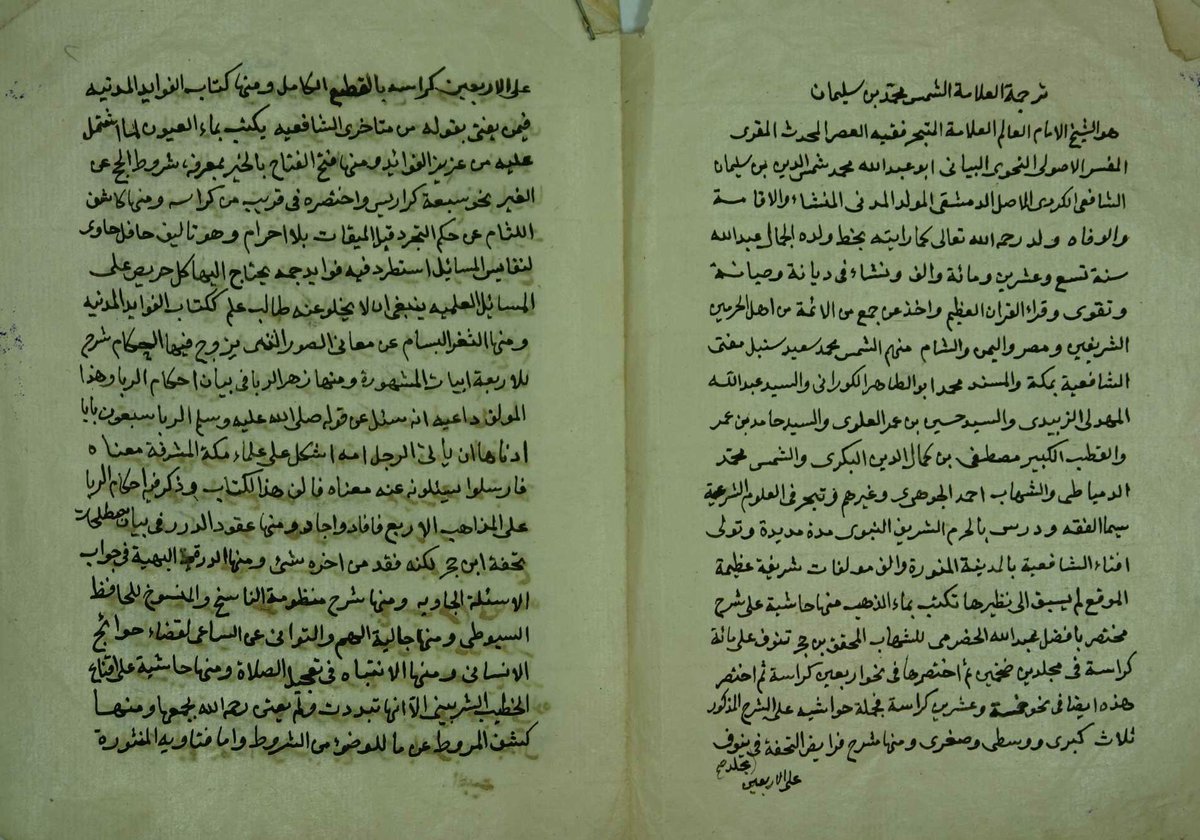
Abd al-Aziz ibn Baz was born in Riyadh and lost his sight entirely by age 20, yet became the most authoritative voice in Saudi religious life for half a century. As Grand Mufti from 1993 to 1999, his fatwas shaped daily life for millions — from prayer times to financial transactions to the permissibility of new technologies. His theological gravity gave Riyadh a spiritual weight that rivaled its political power, anchoring the capital as a global center of Islamic jurisprudence.
On September 23, Abdulaziz unified the Hejaz, Najd, and their dependencies into a single state: the Kingdom of Saudi Arabia, with Riyadh as its capital. The city was still a mud-walled town of perhaps 19,000 people, its skyline dominated by date palms and minarets. No paved roads, no electricity, no running water — nothing to suggest that beneath the gravel plains lay the largest petroleum reserves on Earth. September 23 remains the national holiday.
American geologists from Standard Oil of California hit commercial oil at Dammam Well No. 7, 400 km east of Riyadh. The capital felt the tremor slowly at first — royalties were modest and World War II delayed development. But the discovery was a geological fact that rewrote every plan for the mud-walled capital. Riyadh's future was no longer measured in date harvests and tribal alliances; it was measured in barrels per day.
Ibn Saud died in Ta'if on November 9, having built a 40-man night raid into a nation spanning most of the Arabian Peninsula. He left behind a Riyadh already stirring with the first paved roads, the Nasriyah Palace complex, and a tiny airport. His dozens of sons would inherit both a kingdom and a capital that needed to vault centuries in a single generation. The succession — to his son Saud, then Faisal, then onward — would shape the city's trajectory for the next seven decades.
Prince Salman bin Abdulaziz, barely 27, was appointed governor of Riyadh Province — a post he would hold for an astonishing 49 years. Under his watch, the city exploded from a dusty settlement of 150,000 to a sprawling metropolis of over five million. Every highway interchange, every new district, every hospital and university built during the boom decades bore his administrative fingerprint. Riyadh's older residents still call that half-century 'Salman's city.'
King Faisal imposed an oil embargo on nations supporting Israel during the October War, quadrupling global oil prices virtually overnight. The revenue deluge that followed transformed Riyadh from a provincial capital into a construction site of staggering ambition. Six-lane highways sliced through old neighborhoods, modernist ministry buildings rose from the sand, and an entire diplomatic quarter was carved from the desert northwest of the city center. Riyadh's population doubled within a decade.
On March 25, during a routine majlis reception at the Royal Court in Riyadh, King Faisal's nephew shot the king at point-blank range. The modernizing monarch — who had introduced television, girls' education, and wielded oil as a geopolitical weapon — died within the hour. The assassination stunned the kingdom but not its trajectory; the transformation Faisal had set in motion was already moving under its own momentum, and his successors inherited both his vision and its petrochemical fuel.
Riyadh's Diplomatic Quarter — a planned district on a limestone plateau west of the old city — opened to house embassies, international organizations, and expatriate compounds. Designed by the German firm Speerplan, its wide boulevards, sculpted gardens, and modernist mosques represented the kingdom's determination to project cosmopolitan sophistication from a city that had lacked paved roads just 40 years earlier. The DQ became an island of internationalism in an otherwise deeply insular capital.
The 302-meter Kingdom Centre tower, with its striking inverted parabolic arch, gave Riyadh its first genuine architectural icon. Designed by Ellerbe Becket and funded by Prince Alwaleed bin Talal, the building's Sky Bridge observation deck offered Saudis a bird's-eye view of a city most had only ever experienced from behind a car windshield. Below the arch: a Four Seasons hotel and the kingdom's most exclusive shopping mall. The tower announced that Riyadh intended to compete in the global skyline race.
The At-Turaif district of Diriyah — the same mud-brick quarter Ibrahim Pasha had tried to erase in 1818 — received UNESCO World Heritage status, recognizing both its distinctive Najdi architecture and its role as the birthplace of the Saudi state. Nearly two centuries after its destruction, Diriyah was no longer a ruin but a carefully stabilized heritage site, its crumbling walls repointed, its story reframed from catastrophic defeat into national origin myth.
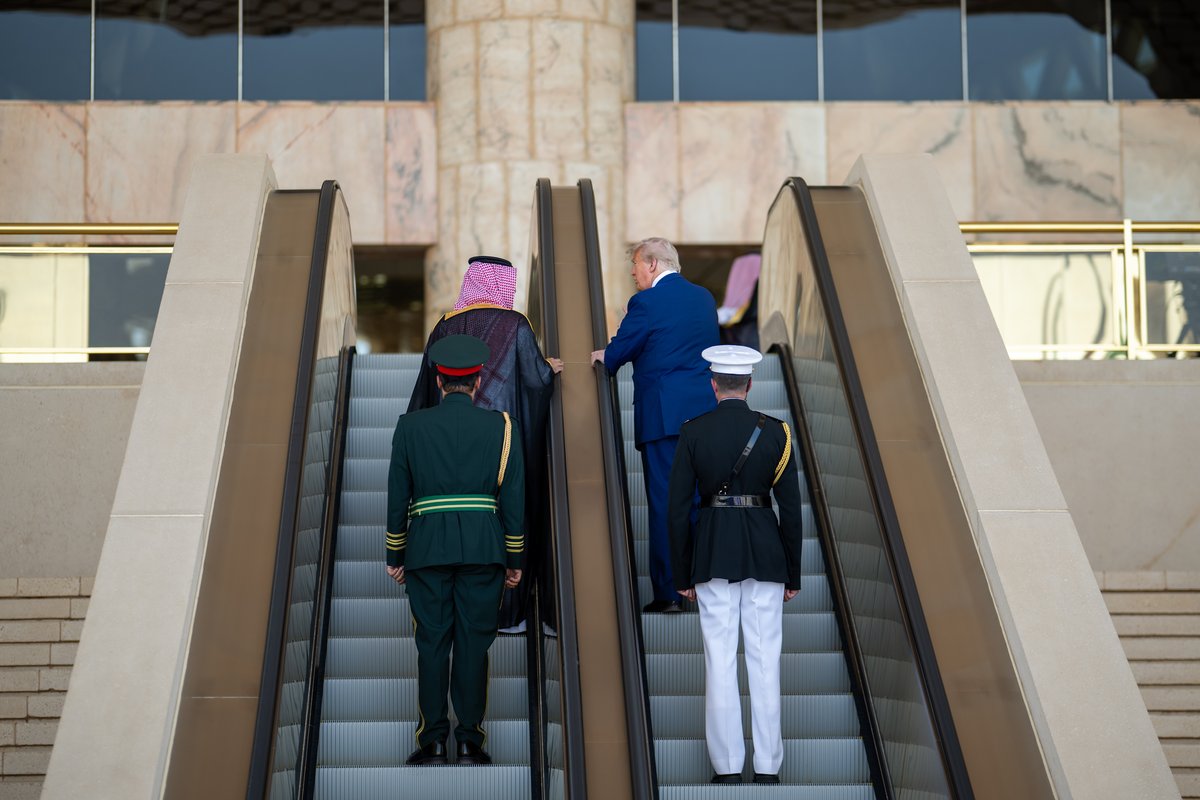
Mohammed bin Salman, appointed Crown Prince at 31, placed Riyadh at the center of Vision 2030 — the most ambitious economic diversification plan in Gulf history. Entertainment licenses, women driving, mixed-gender concerts, a $22 billion metro system, international sporting events: the city that had been one of the world's most restrictive capitals began reinventing itself at a pace that startled residents and foreign observers alike. Whether the gamble pays off is the defining question of Saudi Arabia's 21st century.
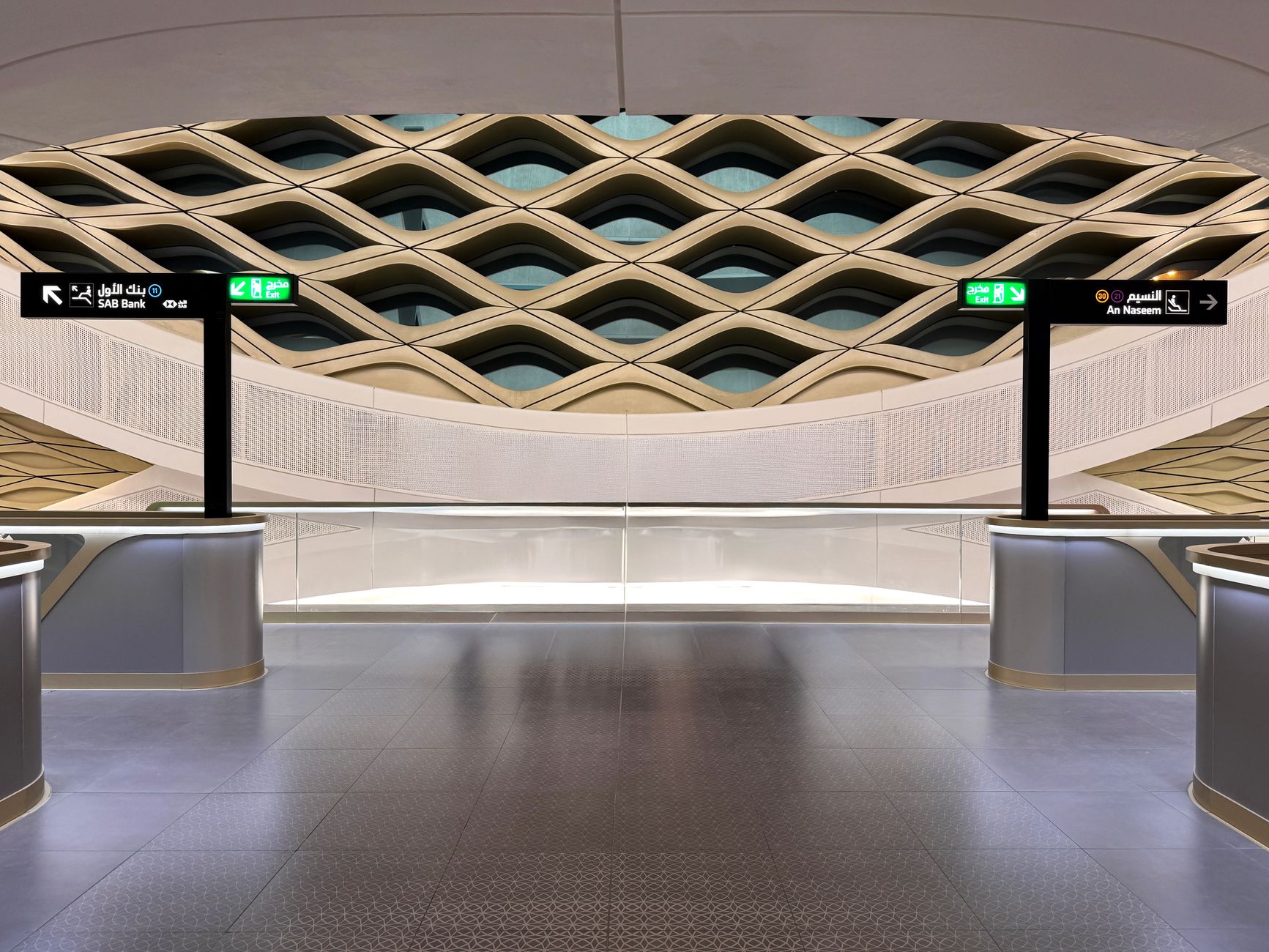
After more than a decade of construction that tore up half the city's major arteries, Riyadh's driverless metro system began operations — six lines, 85 stations, 176 km of track cutting through a metropolis built entirely around the automobile. The network, designed by an international consortium and costing upward of $22 billion, represented the single largest urban transit investment in the Middle East. For a city where the car had been king since the first roads were paved, it was nothing short of an urbanistic revolution.
Founder of Saudi Arabia · c.1875–1953
Born here; recaptured the city in 1902
In January 1902, Ibn Saud led forty men over the walls of Riyadh's Masmak Fortress in a night raid that launched the unification of Arabia — the spear tip he threw at the wooden gate is still embedded in it today. He had been born in this same city, exiled as a child, and returned to claim it. Without that one night in Riyadh, modern Saudi Arabia does not exist.
Islamic Scholar and Theologian · 1703–1792
Forged his founding alliance at Diriyah, now part of greater Riyadh
In 1744, Ibn Abd al-Wahhab struck a pact with the Al Saud ruler at Diriyah — a mud-brick settlement 15km from today's city centre, now a UNESCO World Heritage Site. The alliance between religious authority and political power they sealed there still governs Saudi Arabia today. You can walk the same streets where that deal was made, now lined with boutique restaurants and contemporary art installations.
Grand Mufti of Saudi Arabia · 1910–1999
Born and spent his entire life in Riyadh
Born in Riyadh in 1910 and blinded by his mid-twenties, Ibn Baz became Saudi Arabia's Grand Mufti and the most widely cited Islamic legal authority of the late 20th century. His rulings — on the Gulf War coalition, on women's education, on satellite television — were issued from this city and reverberated across the Muslim world. It is a curious fact that the most globally influential religious conservative of his era spent his entire life in what is now a city building Formula E circuits and hosting contemporary art biennials.
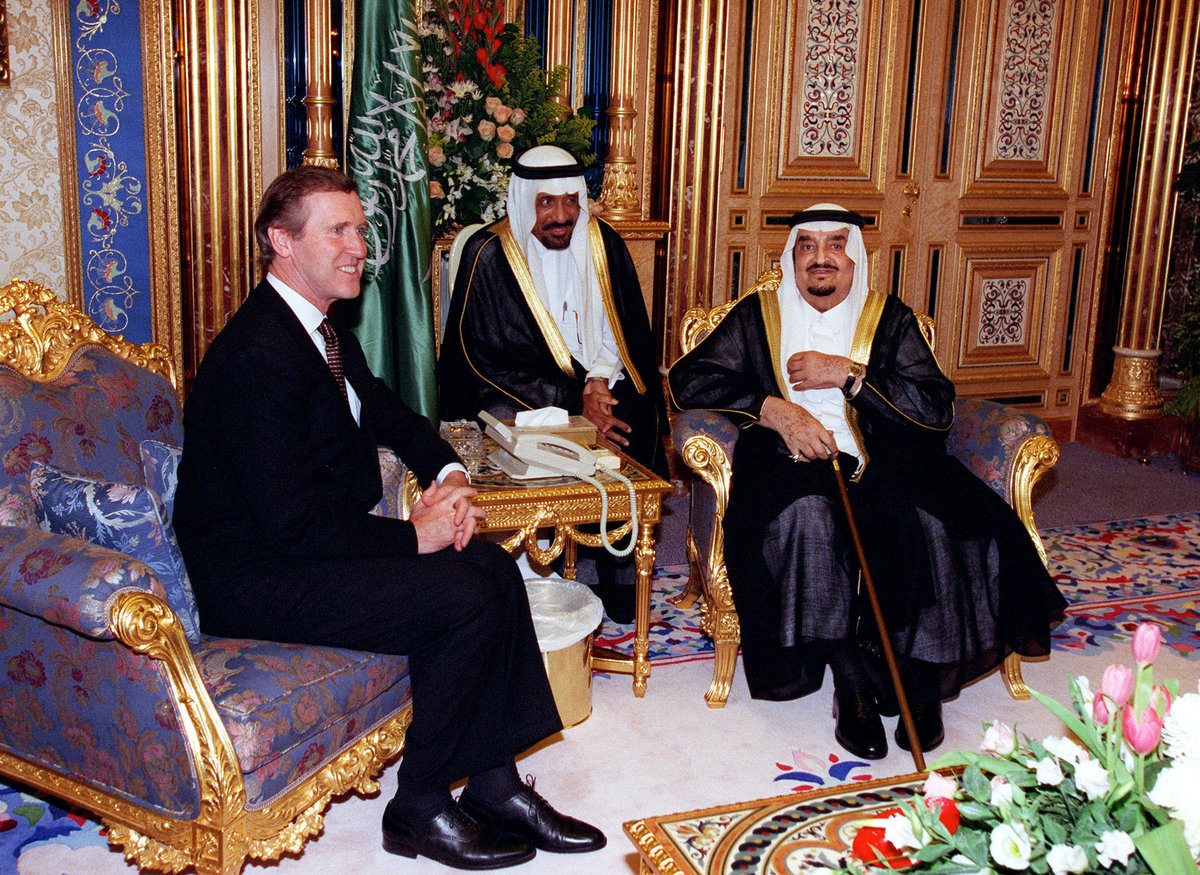
King of Saudi Arabia · 1906–1975
Born here; ruled from Riyadh 1964–1975
Faisal was born in Riyadh at a time when it was still a small walled town, and died here — assassinated in the royal palace in 1975 — having transformed it into the capital of an oil state powerful enough to bring Western economies to their knees with the 1973 embargo. He introduced television to Saudi Arabia over fierce religious opposition, then used that same television to broadcast his own murder trial. Riyadh's central thoroughfare still bears his name.
Crown Prince and Prime Minister · born 1985
Born here; architect of the city's current transformation
Born in Riyadh in 1985, MBS has staked his legacy on the physical reinvention of his birthplace: the metro that opened in 2024, the Diriyah restoration, KAFD, the entertainment economy that replaced decades of restriction. Whether you are eating at Bujairi Terrace or riding Line 3 from the airport, you are inside the experiment he is running — and Riyadh is its most visible proof of concept.
Footballer · born 1972
Born here; entire club career at Al-Hilal, Riyadh
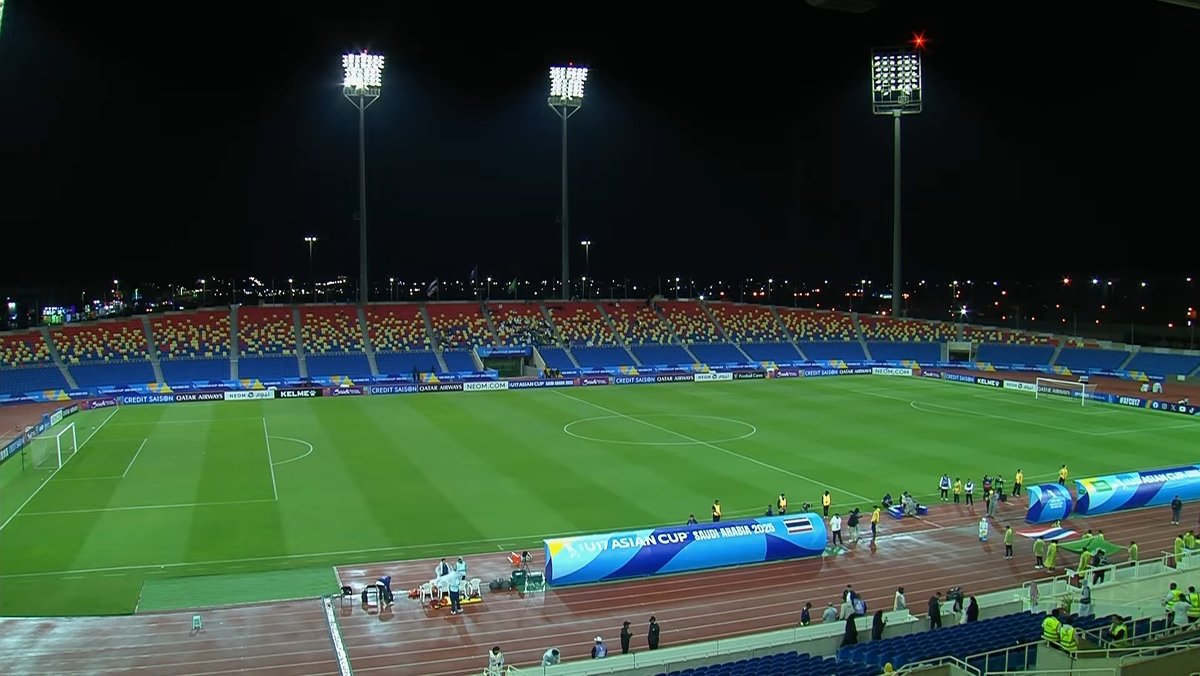
Al-Jaber spent his entire club career at Al-Hilal — Riyadh's dominant team — and represented Saudi Arabia in three World Cups across twelve years (1994, 1998, 2006), scoring in each of the first two. He played during Saudi football's peak era, when the national team was a genuine force in Asia. Attending an Al-Hilal match at King Fahd Stadium remains one of the most intensely local experiences the city offers a visitor.
Poet, Novelist, and Minister · 1940–2010
Career and public life based in Riyadh
Al-Gosaibi was the rare Saudi figure who was simultaneously a Cabinet minister, an ambassador to Bahrain and the UK, and his country's finest modern poet — someone who could write a line that made censors nervous and a colleague laugh in the same stanza. His novels circulated in banned editions across the Arab world while he sat in Riyadh government offices. He is the city's most elegant proof that conformity and creativity have always negotiated a complicated peace here.
Where locals actually book dinner — not the tourist menus.
Small things that change how the city treats you.
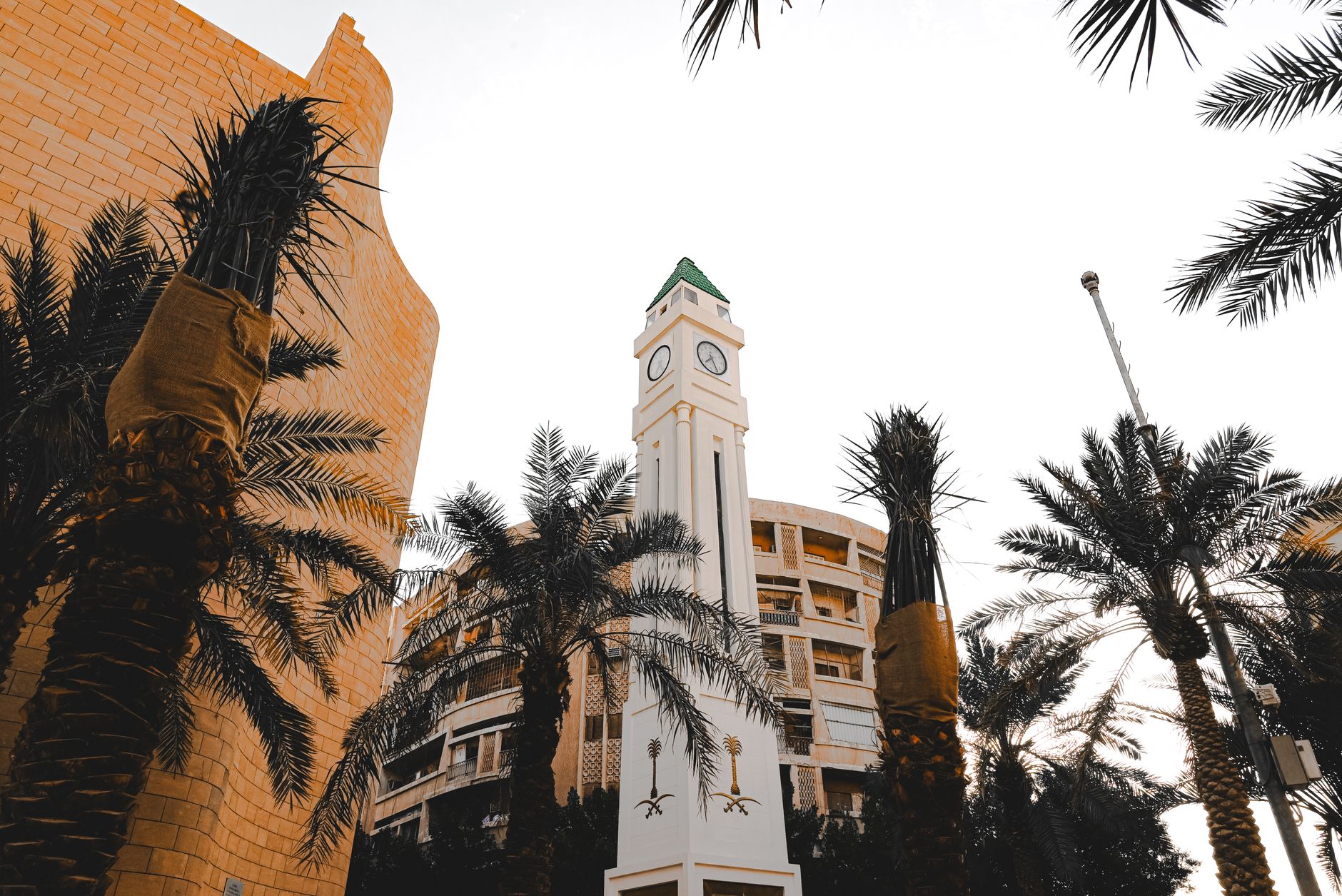
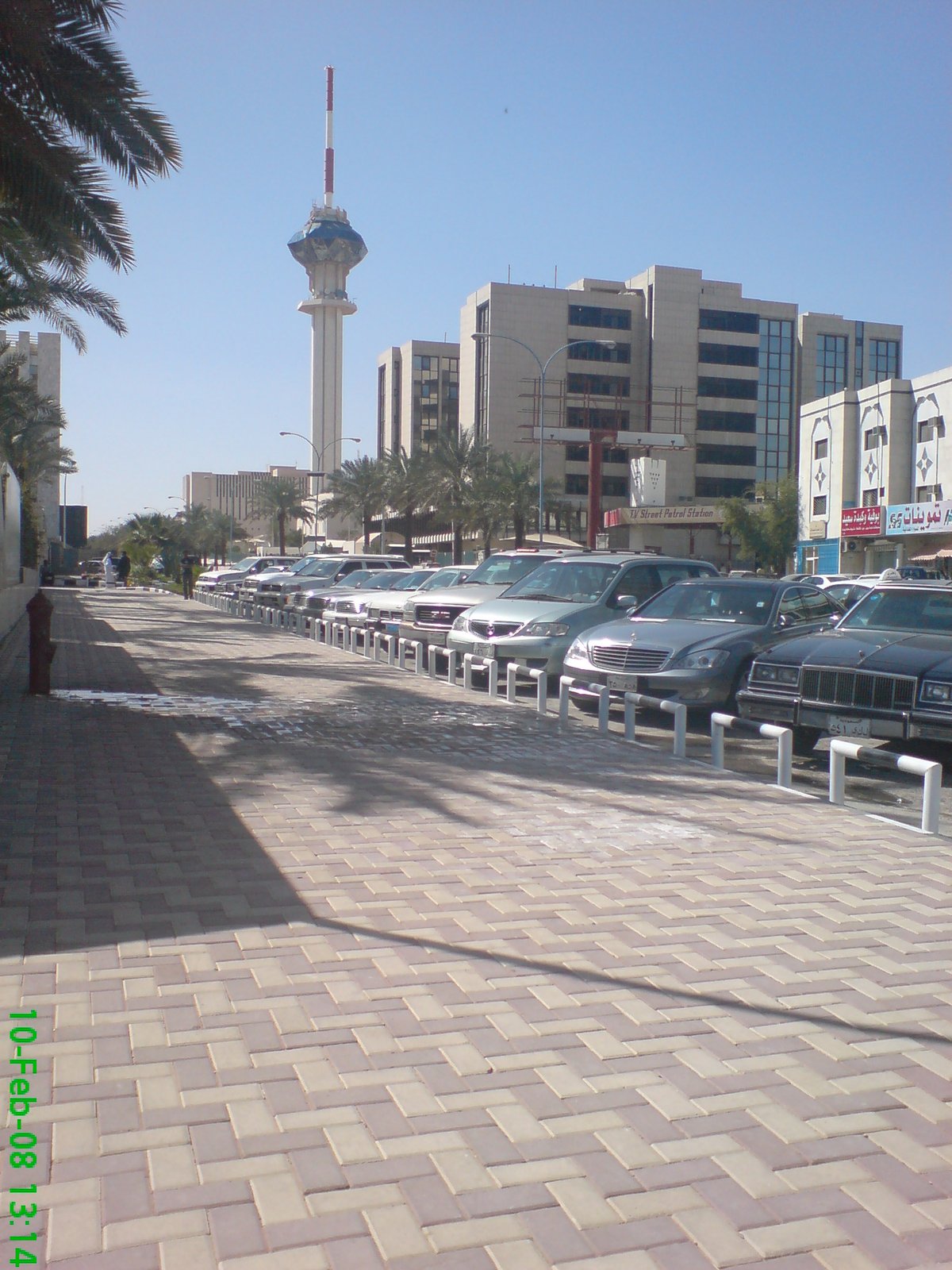
The city, as it actually looks.


Yes, and more so than most people expect. The city's rapid opening since 2019 has produced genuinely rewarding experiences — Diriyah (a UNESCO site with excellent restaurants), the National Museum, and the Edge of the World cliffs are not tourism-board fiction. The bigger adjustment is mental: Riyadh rewards curiosity about Saudi history and doesn't cater to visitors who want a beach.
Three days covers the essentials: Al-Masmak Fortress and the old souqs, the National Museum, Kingdom Centre Tower sky bridge, and an evening at Diriyah. Add a fourth for a half-day trip to the Edge of the World (90km northwest, 4WD tour required). Five days if Riyadh Season is running and you want to catch events.
The Riyadh Metro connects King Khalid International Airport (RUH) directly to the city — fares run SAR 4–6 and the journey to Al-Olaya takes around 40–50 minutes. Uber and Careem are the alternative; expect SAR 60–100 depending on traffic. Buy a Nol Card at the airport station before you exit arrivals.
Very safe by any global measure — violent crime against foreigners is near-zero. The rules to know: no photographs of government buildings or checkpoints (genuinely enforced), respect dress codes in traditional areas, and carry no alcohol (completely prohibited across Saudi Arabia). Solo women travelers consistently report feeling comfortable since the 2018 guardianship reforms.
Most nationalities can get a tourist e-Visa online through visitsaudi.com — it costs SAR 300 (~USD 80), is valid for one year with multiple entries, and allows 90-day stays. The fee includes mandatory travel insurance. On-arrival visas are available for some nationalities; check the official site for your passport.
Yes. Since 2018, Saudi Arabia lifted the mahram (male guardian) requirement — women can enter alone, rent cars, stay in hotels, and use rideshares without restriction. Modest dress (shoulders and knees covered) is strongly recommended. Solo women travelers have found Riyadh safer than many European cities.
No. Alcohol is completely prohibited throughout Saudi Arabia — not available in hotels, restaurants, or anywhere else. This is meaningfully different from Dubai or Bahrain. Factor it in before booking.
November to February, when daytime temperatures sit at 20–28°C and outdoor sightseeing is genuinely comfortable. This also coincides with Riyadh Season, the city's major entertainment and cultural festival (typically October–February). Avoid June through September entirely — 43–45°C makes outdoor activities impractical and sometimes dangerous.
Mid-range: budget SAR 400–700/day (USD 110–185) including a 4-star hotel, meals, metro transport, and entry fees. Riyadh is not a backpacker city. The upside: the National Museum (SAR 25), Al-Masmak Fortress, and Diriyah's public areas are free or cheap. The splurge is dinner at Bujairi Terrace and the Kingdom Centre sky bridge (SAR 55).
68 places to discover
Showing 1–48 of 68 places
Saved and recently read places — kept on this device only.
Photos may have been resized or cropped.