
Historical Background
Early Pagan Significance
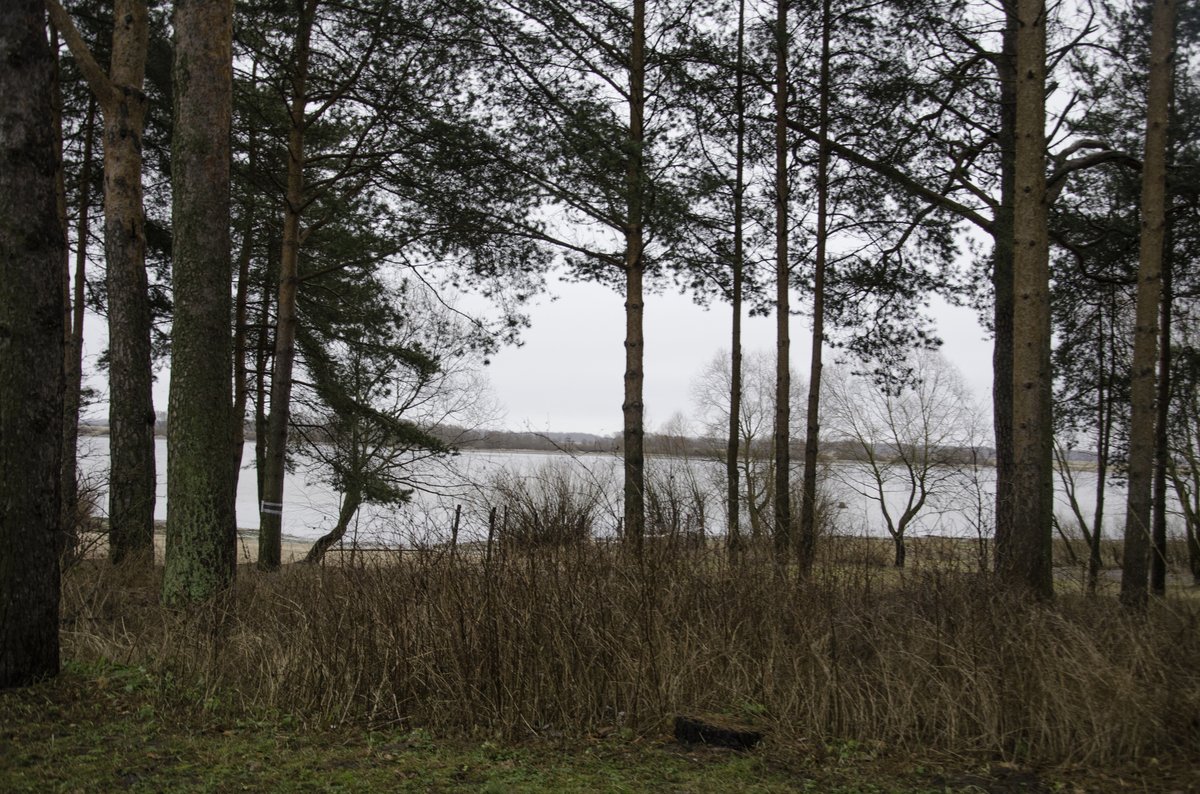
The site of the Church of the Nativity of the Theotokos on Peryn holds significant historical importance dating back to pre-Christian times. The area, known as Peryn, was originally a major pagan sanctuary dedicated to Perun, the Slavic god of thunder. According to historical records, in 980 AD, during a pagan reform led by Prince Vladimir of Kiev, an idol of Perun was erected at this site by his uncle Dobrynya (novgorodmuseum.ru).
Transition to Christianity
The transition from paganism to Christianity in the region was marked by the destruction of the Perun idol in 988 AD, following the Christianization of Kievan Rus. This event led to the establishment of a Christian monastery on the site, known as the Peryn Skete. The monastery was dedicated to the Nativity of the Theotokos, reflecting the shift in religious practices and the spread of Christianity in the region (tripandme.ru).
Establishment of the Monastery
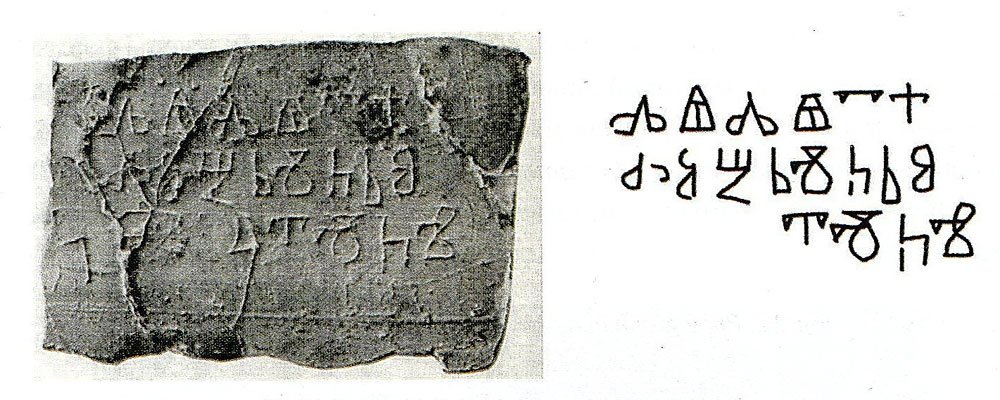
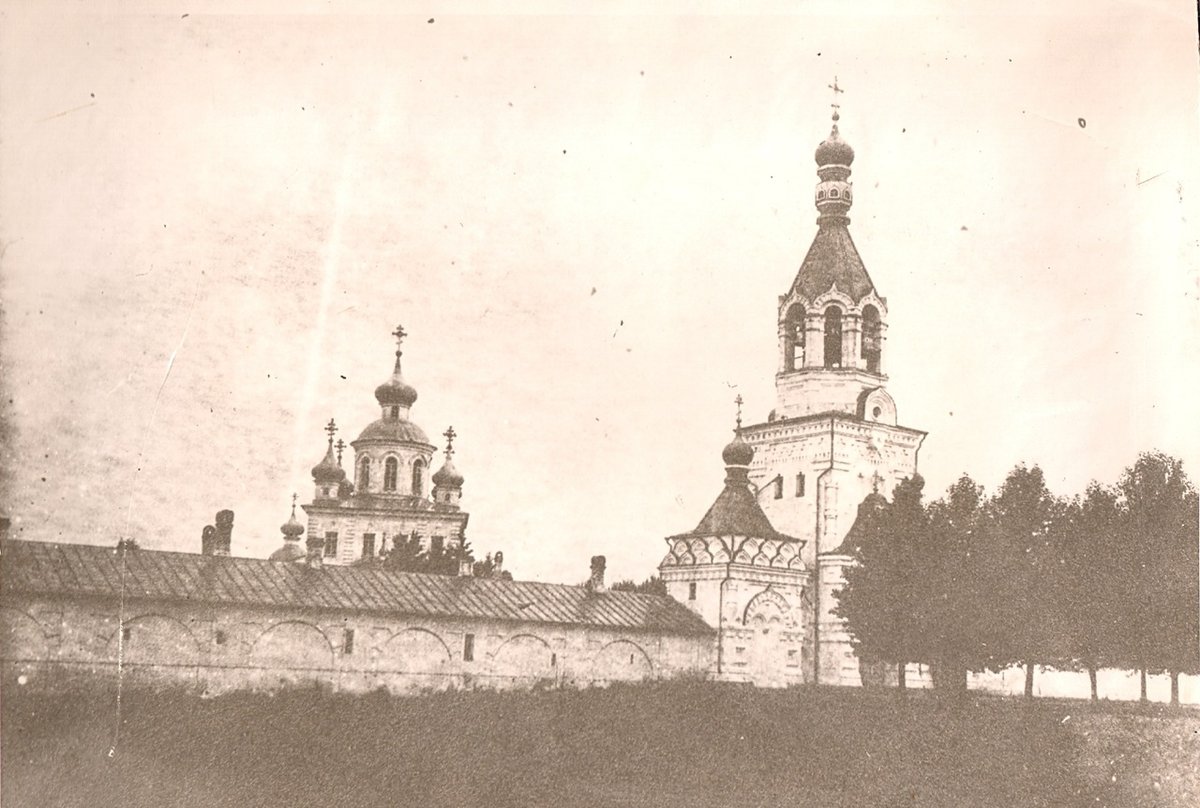
The Peryn Skete was first mentioned in chronicles in 1386, when it was burned down by Novgorodians. Despite this early setback, the monastery was rebuilt and continued to function as a significant religious center. During the time of the Novgorod Republic, the monastery was known for its scriptorium, where religious texts were copied and preserved (ru.wikipedia.org).
Architectural Significance
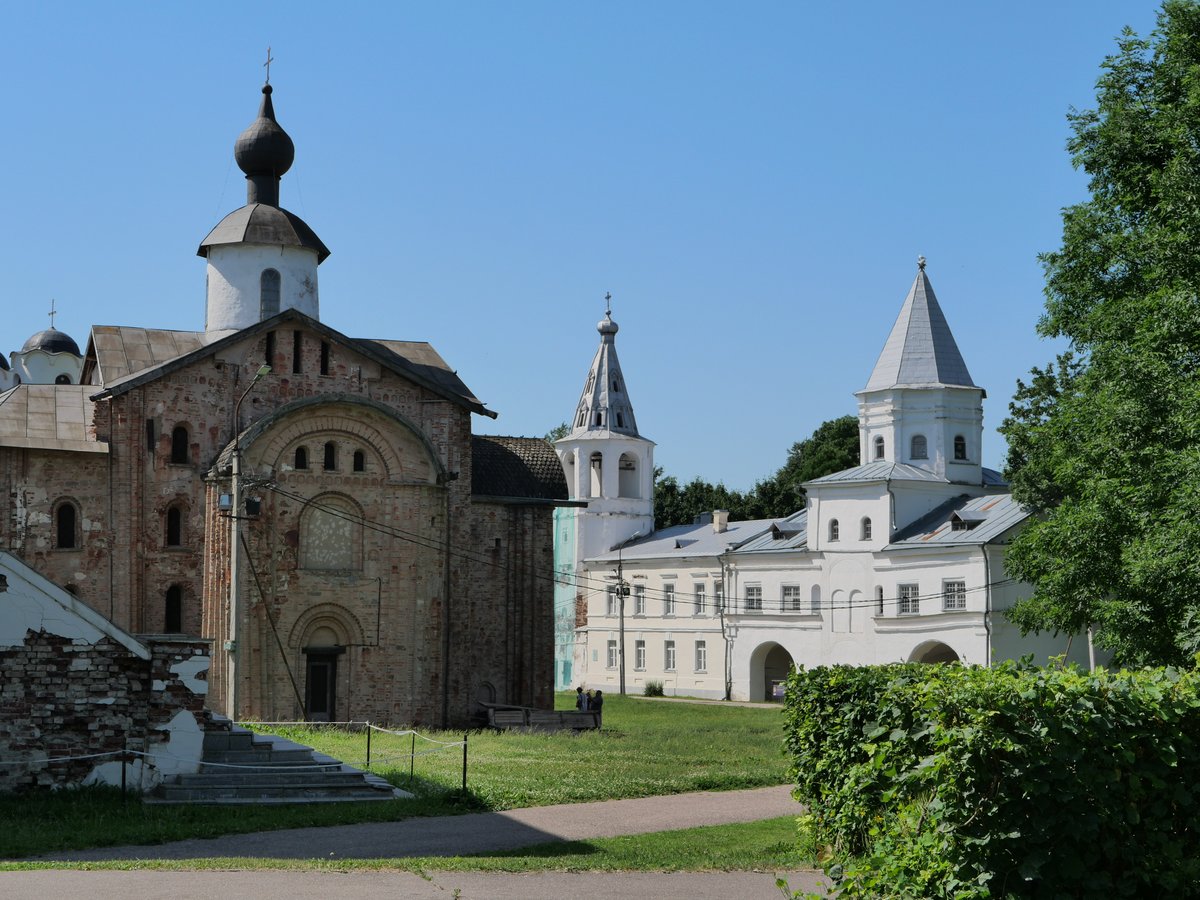
The Church of the Nativity of the Theotokos, built in the early 13th century, is one of the smallest pre-Mongol churches in Russia. It is a single-domed, cubic structure with dimensions of 7.5 by 9.5 by 12 meters. The church's architecture is notable for its simplicity and lack of external decoration, which is typical of early Russian ecclesiastical buildings. The church's construction is attributed to the period when Alexander Nevsky's father was in Novgorod, around 1226 (novgorodmuseum.ru).
Destruction and Restoration
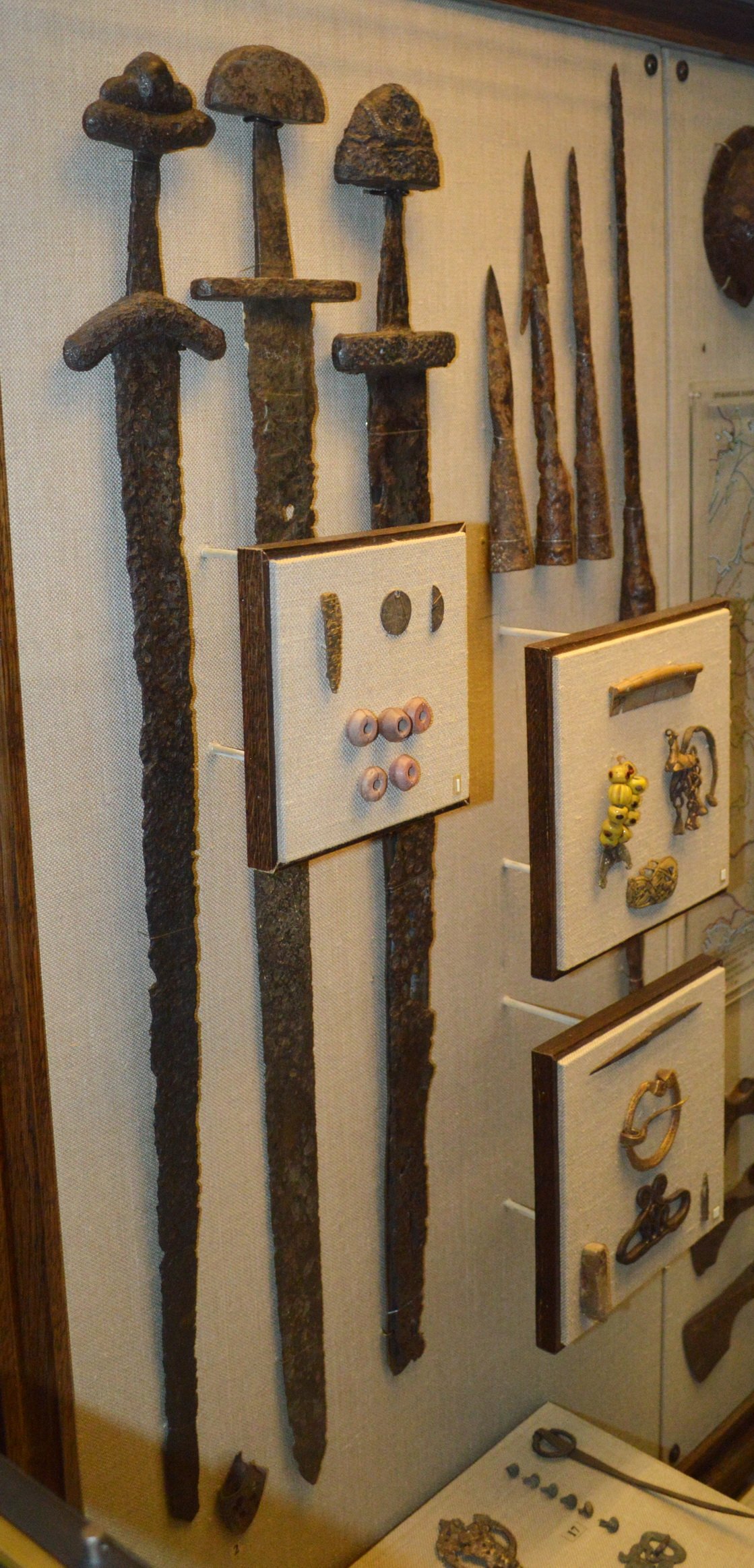
Throughout its history, the Peryn Skete faced numerous challenges. In 1611, the monastery was devastated by Swedish forces during the Ingrian War. Despite this, the church itself survived and continued to be a place of worship. In the 18th century, the monastery was abolished, and the site fell into disrepair. It wasn't until the 19th century that efforts were made to restore the skete, led by Archimandrite Photius, who reestablished it following the strict monastic rules of Palestinian sketes (tripandme.ru).
Soviet Era and Modern Times
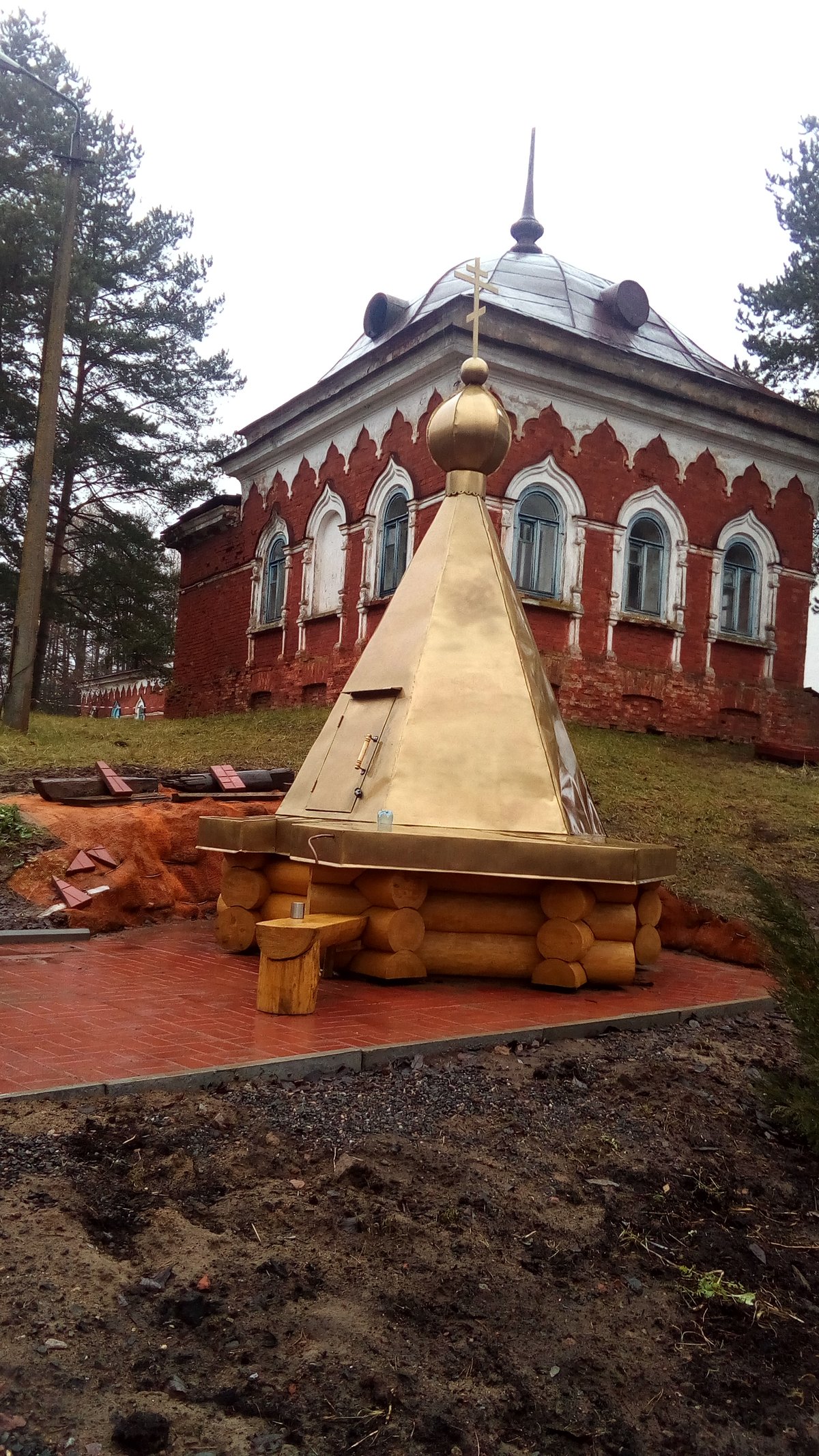
The Peryn Skete was closed in 1920 during the Soviet anti-religious campaigns, and the site was neglected for several decades. It wasn't until 1991, after the fall of the Soviet Union, that the skete was returned to the Russian Orthodox Church. Restoration efforts were undertaken to preserve the church and its historical significance. Today, the Church of the Nativity of the Theotokos is the only functioning church in the Peryn Skete complex and is recognized as an architectural monument of federal significance (novgorodmuseum.ru).
Cultural and Religious Importance
The Peryn Skete holds a unique place in the cultural and religious history of Veliky Novgorod. It is part of the World Heritage-listed Historic Monuments of Novgorod and Surroundings, highlighting its importance as a cultural landmark. The church's historical and architectural significance attracts numerous visitors and pilgrims, making it a vital part of the region's heritage (wikipedia.org).
Preservation Efforts
Ongoing preservation efforts are crucial to maintaining the integrity of the Church of the Nativity of the Theotokos. The church's original 13th-century frescoes and domongolic brickwork are of particular interest to historians and conservationists. These efforts ensure that the church remains a testament to the rich history and cultural evolution of the region (academia.edu).
Visitor Information
Visiting Hours and Ticket Prices
The Church of the Nativity of the Theotokos is open to visitors daily from 9 AM to 6 PM. Admission is free, but donations are appreciated to support ongoing preservation efforts.
Travel Tips
Visitors are advised to wear comfortable walking shoes, as the terrain around the church can be uneven. It's also recommended to bring a camera to capture the stunning architecture and surrounding landscapes.
Nearby Attractions
While visiting the Church of the Nativity of the Theotokos, consider exploring other historical sites in Veliky Novgorod, such as the Novgorod Kremlin and the St. Sophia Cathedral. These landmarks offer additional insights into the rich history of the region.
Accessibility
The church is accessible to visitors of all abilities. Ramps and pathways are available to ensure that everyone can enjoy this historical site.
Special Events and Guided Tours
The Peryn Skete occasionally hosts special religious events and festivals. Guided tours are available upon request, providing visitors with detailed historical and architectural insights.
Photographic Spots
For photography enthusiasts, the best spots to capture the Church of the Nativity of the Theotokos include the main entrance, the surrounding gardens, and the view from the nearby riverbank.
FAQ
Q: What are the visiting hours for the Church of the Nativity of the Theotokos?
A: The church is open daily from 9 AM to 6 PM.
Q: Is there an admission fee?
A: Admission is free, but donations are appreciated.
Q: Are guided tours available?
A: Yes, guided tours are available upon request.
Q: What other attractions are nearby?
A: Nearby attractions include the Novgorod Kremlin and the St. Sophia Cathedral.
Discover More
We invite you to explore more about Veliky Novgorod's historical sites by downloading our mobile app, checking out related posts, and following us on social media for updates.