
Historical Background
Origins and Early Constructions
The Церковь Параскевы-Пятницы (Church of St. Paraskevi) in Veliky Novgorod, Russia, has a rich history dating back to the 12th century. The first wooden church on this site was constructed in 1156 by "заморские купцы" (overseas merchants), who were Novgorodian traders engaged in international commerce (Novgorod Museum). This early dedication to St. Paraskevi, the patron saint of trade, underscores the church's historical significance to the local merchant community.
In 1191, a new wooden church was erected by a merchant named Konstantin and his brother, replacing the earlier structure (Novgorod Museum). The current stone church was completed in 1207, again funded by overseas merchants, reflecting the economic prosperity and the importance of trade in Veliky Novgorod during this period (Novgorod Travel).
Architectural Significance
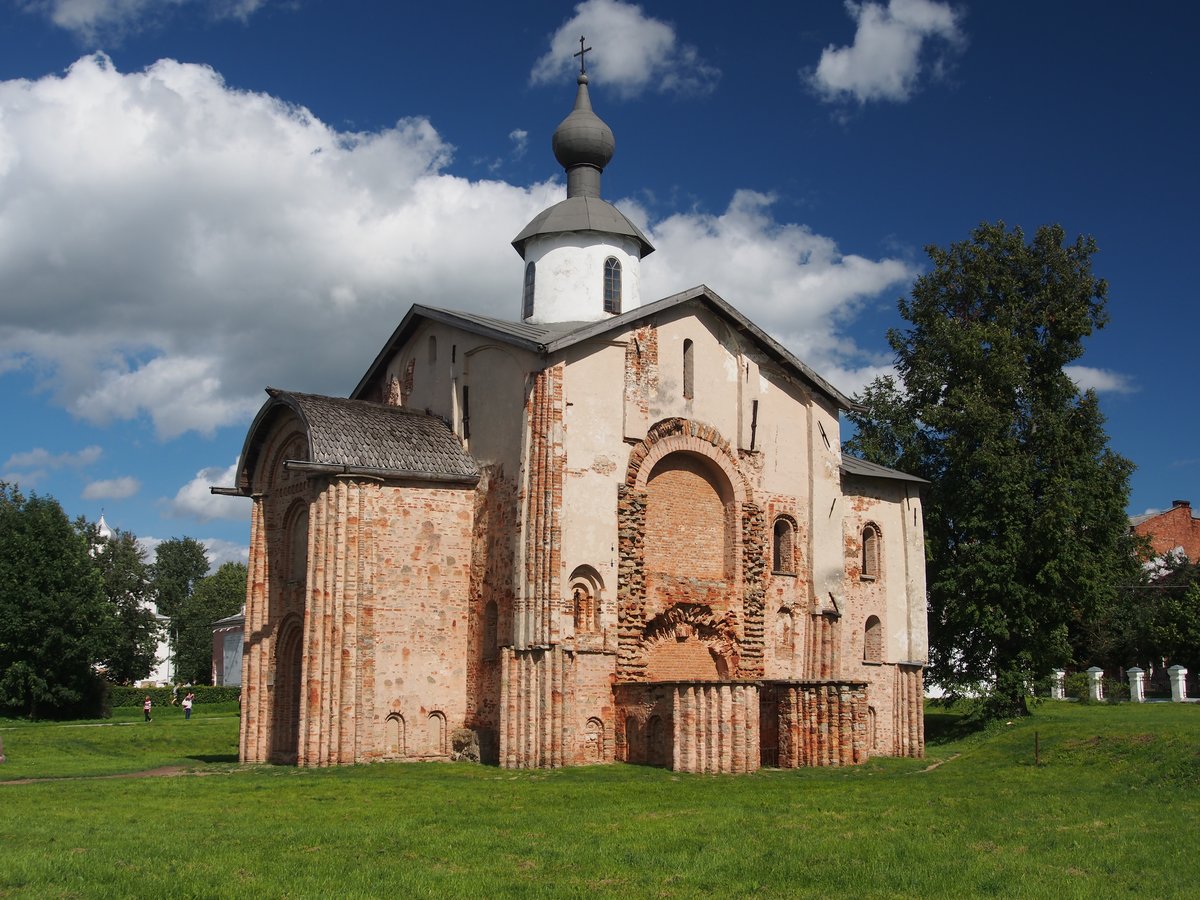
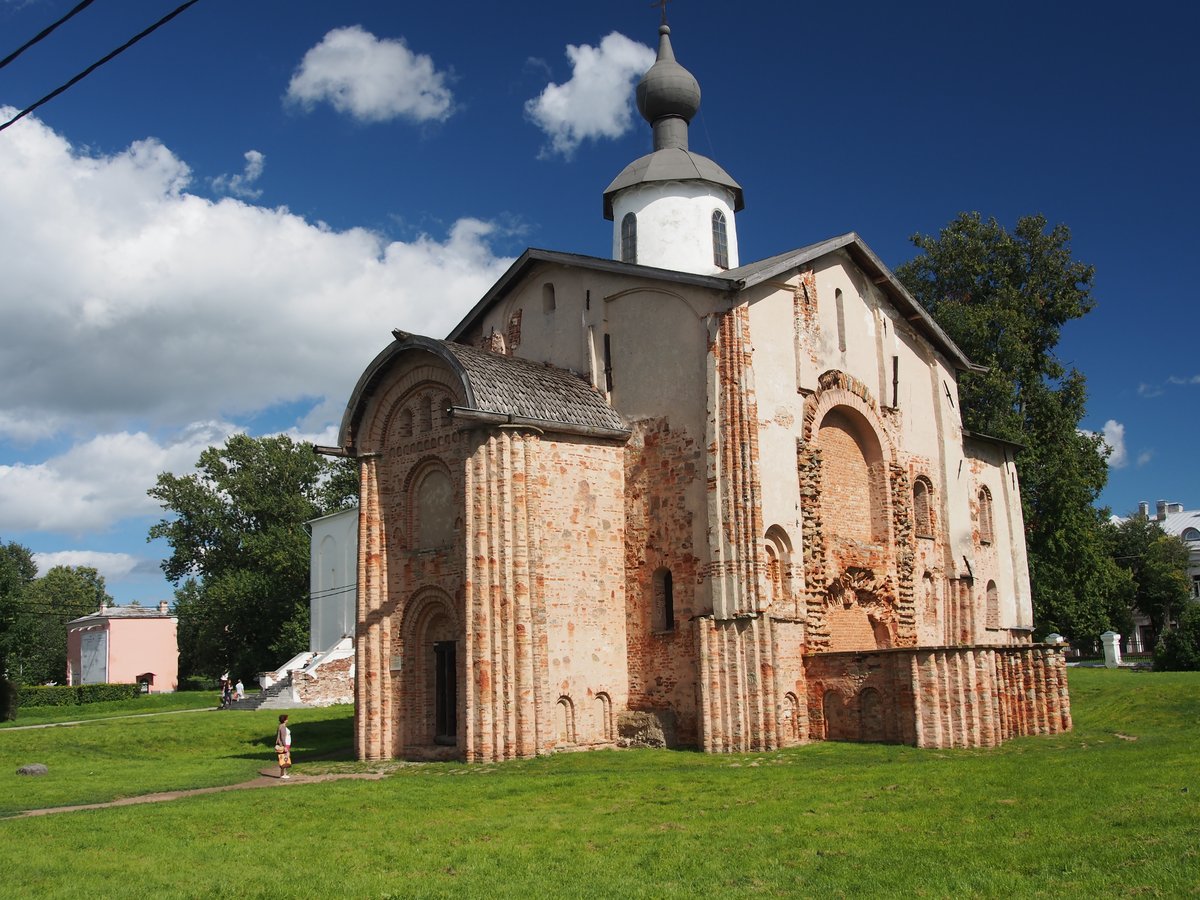
The Church of St. Paraskevi is a notable example of medieval Russian architecture, distinguished by its unique design and construction techniques. It is a cross-domed, three-nave, four-pillar structure with a single dome and three apses, two of which are internal (Novgorod Museum). The church's layout, with its three lowered narthexes (porches) on three sides, creates a cruciform shape that was unprecedented in Novgorodian architecture at the time (Novgorod Museum).
The church's architectural style is influenced by the "tower-like" churches of Polotsk and Smolensk, a phenomenon that was relatively rare in Novgorod. This style is characterized by its vertical emphasis and the use of rectangular side apses, which were not common in Novgorodian ecclesiastical architecture (Novgorod Travel). The church's exterior is adorned with clustered pilasters, adding to its dynamic and imposing appearance.
Historical Events and Restorations
Throughout its history, the Church of St. Paraskevi has undergone numerous restorations and reconstructions due to fires and structural collapses. Notably, the church experienced significant damage during the Great Patriotic War (World War II), although it did not suffer complete destruction (Novgorod Museum). Post-war restoration efforts were led by architect-restorer G.M. Shtender, who identified up to 15 different construction phases in the church's history. The restoration project, conducted between 1958 and 1963, aimed to preserve the church's 18th-century dome while maintaining its historical integrity (Novgorod Travel).
Cultural and Economic Role
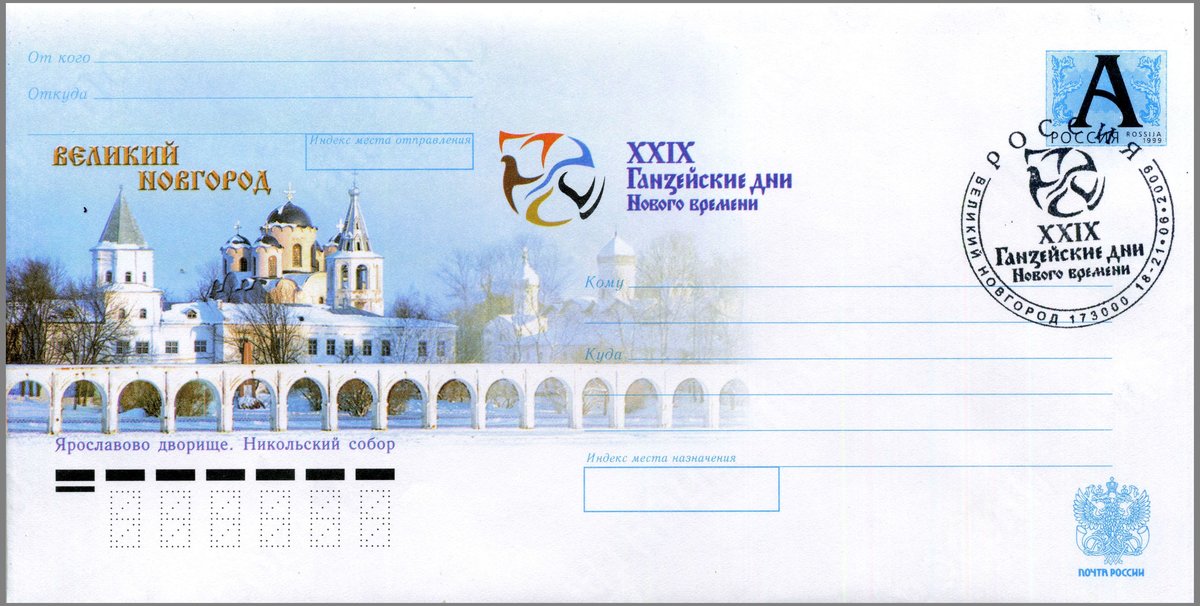
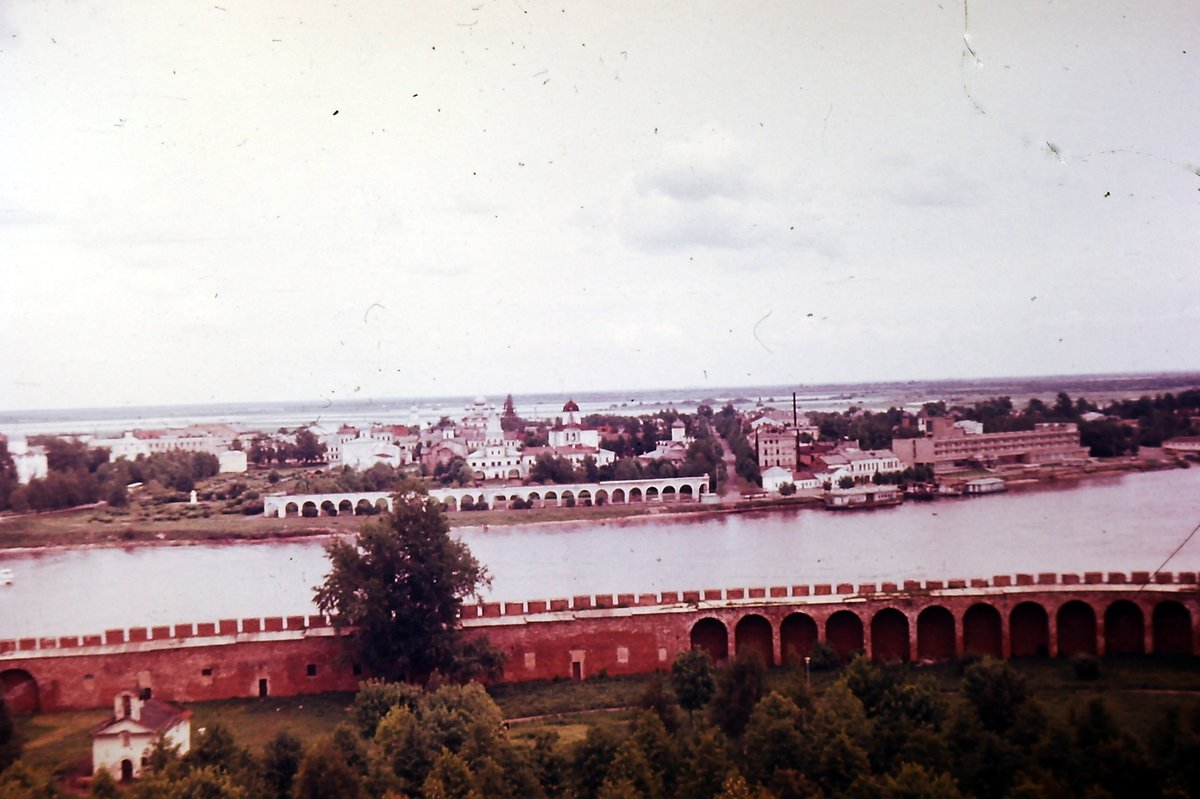
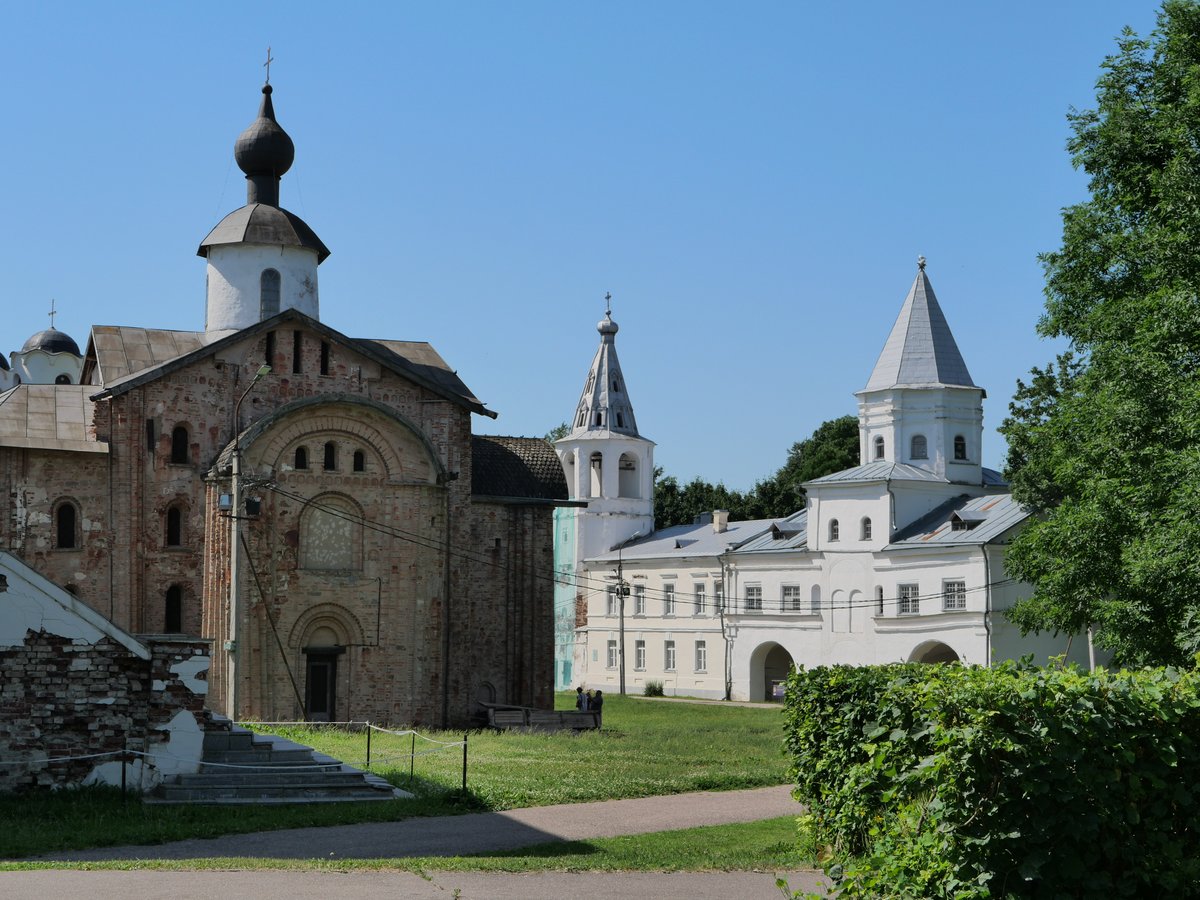
The Church of St. Paraskevi played a crucial role in the economic and cultural life of medieval Novgorod. As the patron saint of merchants, St. Paraskevi was highly revered by the local trading community. The church was strategically located at Yaroslav's Court, the city's main marketplace, which was a bustling hub of commercial activity (Novgorod Museum). This location underscores the church's importance as a spiritual and economic center.
In the 13th century, the church's significance was further highlighted by the contributions of the Piatnitskaya merchant community, who regularly donated silver to the church. Additionally, under a 1229 agreement with Gotland, Gotlandic merchants were required to contribute a silver mark to the church upon their departure from Novgorod (Novgorod Museum).
Influence on Local Architecture
The architectural innovations of the Church of St. Paraskevi had a lasting impact on the development of ecclesiastical architecture in Novgorod. The church's design elements, such as its cruciform layout and the use of clustered pilasters, influenced subsequent church constructions in the region. These architectural features became hallmarks of the "classical" Novgorodian church style during the height of the boyar republic in the 14th and 15th centuries (Novgorod Museum).
Modern Recognition and Preservation
Today, the Church of St. Paraskevi is recognized as a significant cultural and historical monument. It is part of the UNESCO World Heritage Site "Historic Monuments of Novgorod and Surroundings" (Wikiwand). The church is currently a museum, allowing visitors to explore its rich history and architectural beauty. Despite its historical significance, the church is not currently active as a place of worship and is undergoing ongoing restoration efforts to preserve its structural integrity and historical authenticity (Novgorod Museum).
Visitor Information
For those planning to visit the Church of St. Paraskevi, it is located at Yaroslav's Court, near the market square in Veliky Novgorod. The church is open to visitors from April 1 to October 1, with visiting hours from 11:00 AM to 6:00 PM, and a break from 1:00 PM to 2:00 PM. The church is closed on Tuesdays and Wednesdays (Novgorod Travel). Visitors can explore the church's unique architectural features and learn about its historical significance through various exhibits and informational displays.
Ticket Prices and Travel Tips
While the church itself does not charge an entrance fee, donations for restoration efforts are welcomed. For those traveling to Veliky Novgorod, consider visiting nearby attractions such as the Novgorod Kremlin and the Cathedral of St. Sophia. The city is accessible by train, bus, and car, with ample accommodations for overnight stays.
Accessibility
The Church of St. Paraskevi is partially accessible to visitors with mobility issues. The surrounding area is flat and paved, but there may be steps and uneven surfaces within the church.
FAQ
-
Q: What are the visiting hours for the Church of St. Paraskevi?
A: The church is open from April 1 to October 1, with visiting hours from 11:00 AM to 6:00 PM, and a break from 1:00 PM to 2:00 PM. It is closed on Tuesdays and Wednesdays.
-
Q: How much are tickets to visit the Church of St. Paraskevi?
A: There is no entrance fee, but donations for restoration efforts are appreciated.
-
Q: What other attractions are nearby?
A: Nearby attractions include the Novgorod Kremlin, the Cathedral of St. Sophia, and various other historical sites in Veliky Novgorod.
-
Q: Is the Church of St. Paraskevi accessible for visitors with disabilities?
A: The church is partially accessible. The surrounding area is flat and paved, but there may be steps and uneven surfaces within the church.