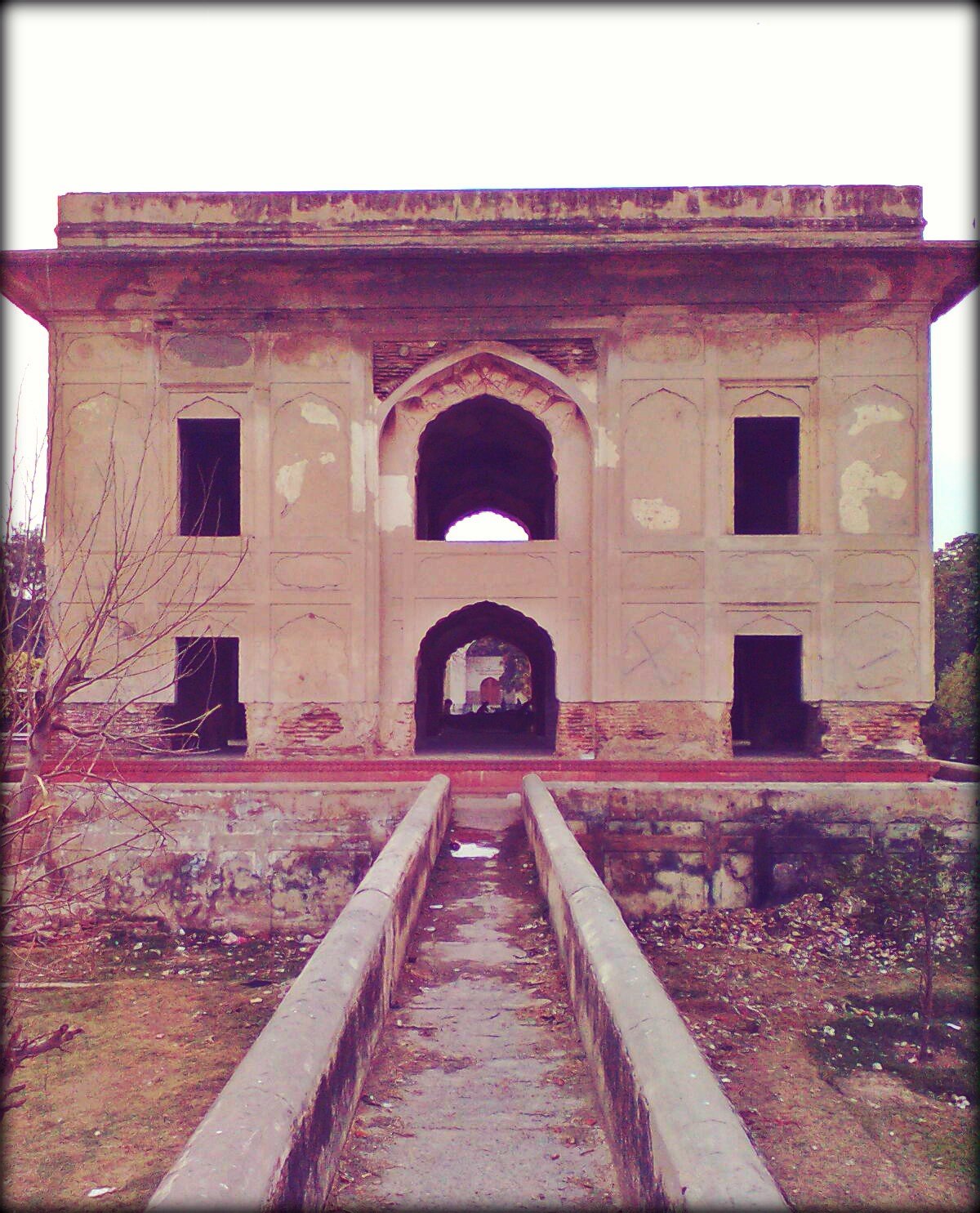
Location and Accessibility
FJMU is centrally located at Shahrah-e-Quaid-e-Azam (Queen’s Road), adjacent to Sir Ganga Ram Hospital. The university is easily accessible via public transportation, taxis, and ride-sharing services. Major city points like Lahore Railway Station and Allama Iqbal International Airport offer convenient routes to the campus (ilmkidunya, blogpakistan).
Visiting Hours and Entry
- Campus Hours
- Monday to Friday: 9:00 AM – 5:00 PM
- Saturday: 9:00 AM – 1:00 PM
- Sunday: Closed
Access to academic and clinical areas is restricted to authorized personnel.
- Entry Fee
There is no entry fee for campus visits. Prior permission from university administration is required for group tours or access to specific departments or events. - Hospital Visiting Hours
- Sir Ganga Ram Hospital: Outpatient services from 8:00 AM – 4:00 PM; emergencies 24/7.
Guided Tours and Events
FJMU occasionally organizes public lectures, health seminars, and cultural events. Guided tours for prospective students or visitors interested in the university’s historical and architectural features can be arranged by contacting the administration or checking the official website.
Architectural and Cultural Highlights
The FJMU campus is a blend of colonial and modern architectural styles, reflecting its post-independence origins and progressive mission. Key features include:
- Main Building Notable for colonial-era design.
- Sir Ganga Ram Hospital Historic teaching hospital with early 20th-century architecture.
- Mother and Child Hospital Pakistan’s pioneering public sector facility focused on maternal and child health.
These landmarks offer insight into Lahore’s educational and architectural evolution.
Campus Infrastructure
Campus Layout and Facilities
The university spans approximately 314 kanals (about 39 acres), featuring:
- Academic Blocks Renovated and expanded since independence, equipped with multimedia lecture theatres and modern laboratories (ilmkidunya).
- Libraries Central e-library with access to over 12,500 medical journals and high-speed internet.
- Hostels Seven-block complex accommodating up to 1,000 students (paklearningspot).
- Sports and Recreation Outdoor grounds, gymnasium, and swimming pool.
- IT & Security HEC networking, 24/7 campus security, and accessible facilities for individuals with disabilities.
Academic Programs
Undergraduate
- MBBS Five-year program for female students, aligned with PMDC and UHS Lahore curricula (paklearningspot).
- BDS Collaboratively offered, admissions via UHS Lahore (ilmkidunya).
- BS Degrees Allied Health Sciences, Nursing, and Medical Technology (studies.com.pk).
Postgraduate
- MD/MS, MPhil, FCPS Advanced clinical and research degrees.
- Diploma Programs Specialties include Anesthesia, Radiology, and Public Health.
Allied Health & Nursing
- BSc Nursing Four-year program with clinical rotations.
- Allied Health Diplomas Including laboratory technology and physiotherapy.
Admissions
- Eligibility Minimum 60% in F.Sc (Pre-Medical), female candidates only, Punjab domicile preferred (educated.pk).
- Entry Test MDCAT via UHS Lahore.
- Application Submit through the online portal.
Student Life
FJMU offers a vibrant student experience, with clubs, societies, sports activities, and support services such as counseling and career guidance. Hostel life is enriched by recreational facilities and community events.
Notable Alumni
The university’s alumni network includes prominent medical professionals and researchers who have contributed significantly to healthcare nationally and internationally.
Affiliated Hospitals and Healthcare Services
Sir Ganga Ram Hospital
The primary teaching hospital, established in 1921, is a 550-bed tertiary care center offering a full spectrum of medical, surgical, gynecological, pediatric, and emergency services. It is integral to student clinical training and research (wikipedia).
Additional Hospitals
- Govt. Teaching Hospital Shahdara Community medicine and primary healthcare.
- Mozang Teaching Hospital & Mother and Child Hospital Specialized maternal and child health services (blogpakistan).
- Other Collaborations Clinical exposure at Mayo Hospital, Lahore General Hospital, and Fatima Memorial Hospital.
Visitor Information
- Carry valid ID for hospital visits.
- Emergency care is available 24/7.
- General OPD is subsidized or free for underprivileged patients; elective and specialized services may require appointments and fees.
Historical and Cultural Significance
Founded to empower women in medicine, FJMU and Sir Ganga Ram Hospital are architectural and social landmarks. The campus’s colonial buildings and modern expansions narrate the city’s journey towards educational excellence and gender equality. The institutions symbolize Lahore’s dedication to progress, resilience, and inclusive healthcare.
Visitor Tips
- Dress Code Modest attire is required.
- Photography Restricted in many areas; always seek permission.
- Best Time to Visit Weekdays for academic access; check event schedules for public lectures or seminars.
- Accessibility Facilities are available for differently-abled visitors; contact administration for specific needs.
Nearby Attractions
Lahore’s rich cultural heritage is within easy reach of FJMU:
- Lahore Fort and Shalimar Gardens UNESCO sites showcasing Mughal grandeur.
- Badshahi Mosque Iconic place of worship, among the world’s largest.
- Anarkali Bazaar and Walled City Vibrant markets and historical quarters.
- Lahore Museum Offers deep insight into regional history and culture.
Frequently Asked Questions (FAQs)
Q: Is Fatima Jinnah Medical University open to tourists?
A: General campus access requires prior permission; guided tours may be arranged for educational or historical interest.
Q: Are guided tours available?
A: Yes, by prior arrangement through university administration.
Q: Is there an entry fee?
A: No entry fee is charged for visiting the campus or hospital, but some clinical areas are restricted.
Q: Can visitors attend medical seminars or lectures?
A: Some public events are open; check with the university for announcements.
Q: Are hostel facilities available for students?
A: Yes, a comprehensive hostel complex serves undergraduate and postgraduate students.
Discover More
Fatima Jinnah Medical University is a beacon of women’s medical education and an essential part of Lahore’s cultural and historical landscape. Whether you are a prospective student, visitor, or history enthusiast, FJMU offers a unique window into Pakistan’s journey in healthcare, education, and women’s empowerment. Plan your visit, explore the campus, and experience the legacy of this distinguished institution.
Stay updated on events and tours by following FJMU on social media or subscribing to official notifications. For enhanced visits, consider using visitor tools like the Audiala app for guided tours and tips.