Origins and Historical Significance
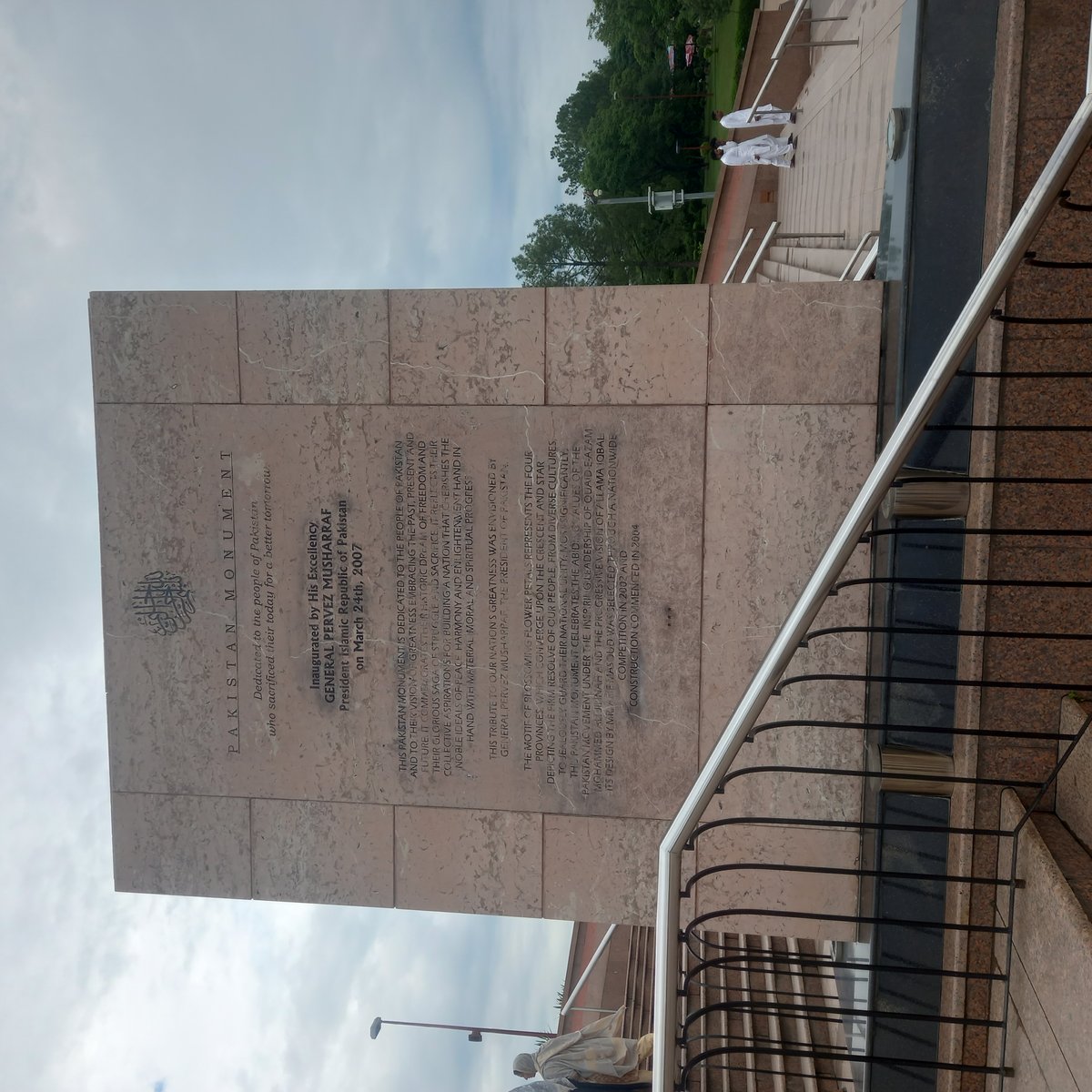
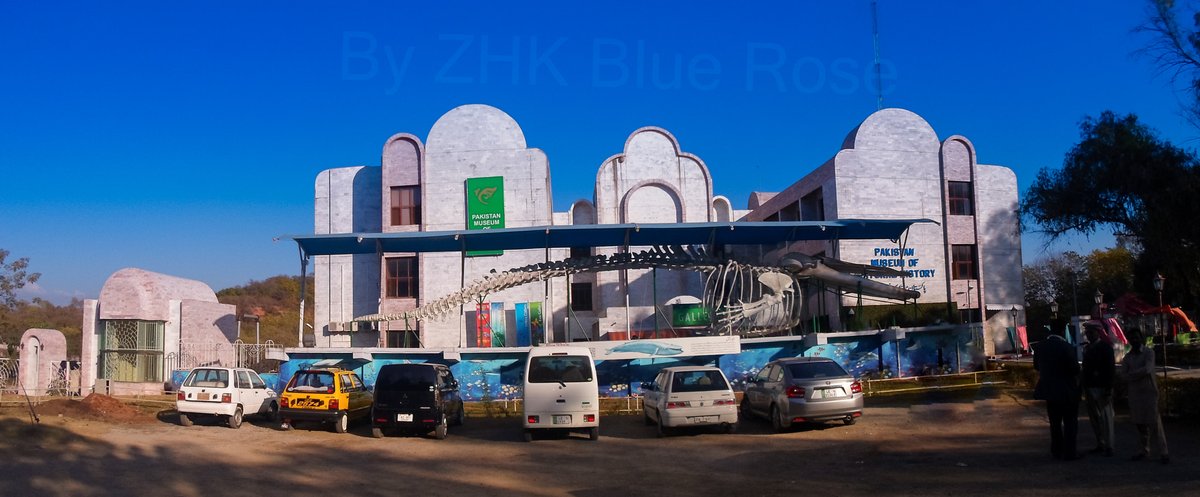
The Pakistan Monument Museum, inaugurated on 23rd March 2007, commemorates the sacrifices and aspirations of the Pakistani people during the Pakistan Movement. Its establishment, next to the iconic Pakistan Monument, serves to preserve and present the nation's struggle for independence and unity. The museum captures pivotal historical moments, from the Mughal era and advent of Islam in South Asia to the creation of Pakistan in 1947 and the country's post-independence development (pakembminsk.org).
Architectural Symbolism
Monument Design
The Pakistan Monument’s design, by architect Arif Masood, features a blooming flower with four large granite petals symbolizing the four provinces—Punjab, Sindh, Khyber Pakhtunkhwa, and Balochistan—and three smaller petals representing Gilgit-Baltistan, Azad Jammu & Kashmir, and the former FATA. The central platform features a star and crescent, echoing the national flag (gypsytours.pk, Wikipedia).
The monument’s inner walls showcase bas-relief murals of significant cultural and historical landmarks, such as Lahore Fort, Badshahi Mosque, and Minar-e-Pakistan, visually narrating Pakistan’s journey. Inscriptions of poetry by Allama Iqbal and quotes from Muhammad Ali Jinnah further reinforce the site's significance (trulypakistan.net).
Museum Experience: Exhibits and Features
Permanent Exhibits
- Historical Dioramas and Wax Figures Life-size displays depicting the arrival of Islam, Mughal achievements, colonial resistance, the independence movement, and post-independence achievements. Wax figures include national leaders like Muhammad Ali Jinnah and Fatima Jinnah (TouristaGuru).
- Artifacts and Documents Chronological artifacts, rare manuscripts, photographs, and memorabilia reflecting Pakistan’s socio-political evolution (VisitInPakistan).
- Murals and Calligraphy Large murals and calligraphic panels illustrate key moments such as the Pakistan Resolution, Partition, and nation-building efforts.
- Cultural Displays Traditional costumes, musical instruments, pottery, and handicrafts from across the country, highlighting regional diversity.
- Reference Library and Audio-Visual Centre Offers books, manuscripts, archival documents, and historical recordings for research and education (Zameen.com).
- Panorama Hall A 62-seat venue for lectures, conferences, and cultural events.
- Interactive Features Touchscreens, multimedia kiosks, and children’s programs make the museum family-friendly (TravelSetu).
Outdoor Features
- Freedom Plaza Showcasing construction workers’ handprints and a scenic fountain.
- Landscaped Gardens and Terraces Offering panoramic vistas of Islamabad and Margalla Hills, with souvenir stalls selling local crafts.
Visiting Hours and Ticket Information
- Museum Hours Tuesday to Sunday, 10:00 AM to 4:00 PM. Closed on Mondays (Zameen.com).
- Monument Grounds Open daily from 9:00 AM to 7:00 PM; illuminated until 10:00 PM for evening visits (Trip.com).
- Tickets Entry to monument grounds is free. Museum entry fees are affordable, with discounts for students, children, and seniors; children under five may enter free. Tickets are purchased onsite; group tours and advance bookings are available, especially during peak seasons.
Accessibility and Visitor Guidelines
- Wheelchair Accessible Ramps, elevators, and wide walkways are provided.
- Signage Bilingual signs in Urdu and English.
- Amenities Clean restrooms, café, gift shop, and shaded outdoor seating.
- Visitor Etiquette Modest dress is recommended; maintain a respectful demeanor, particularly during national holidays and events.
- COVID-19 Protocols Check the official website for the latest safety guidelines.
How to Get There
- By Car/Taxi/Ride-Hailing The museum is easily accessible from Islamabad’s city center with ample parking on site.
- Public Transport Limited; private or hired vehicles are recommended.
- Directions Clear signage from major city routes ensures easy navigation (Graana.com).
Nearby Attractions
- Lok Virsa Museum Showcasing Pakistan’s folk heritage.
- Shakarparian Park Ideal for picnics and nature walks.
- Daman-e-Koh Popular viewpoint for panoramic city vistas.
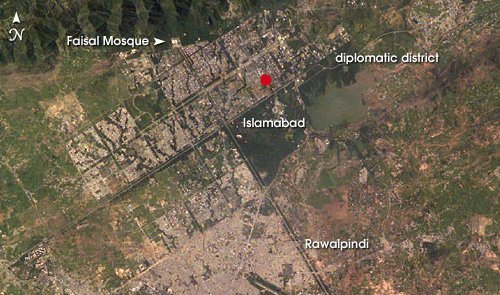
- Faisal Mosque One of Islamabad’s architectural highlights (Laure Wanders).
Frequently Asked Questions (FAQ)
Q: What are the Pakistan Monument Museum visiting hours?
A: Tuesday to Sunday, 10:00 AM to 4:00 PM. Closed on Mondays.
Q: How much are tickets?
A: Entry to the monument grounds is free; museum admission is nominal with concessions for eligible groups.
Q: Is the museum wheelchair accessible?
A: Yes, with ramps, elevators, and accessible facilities throughout.
Q: Are guided tours available?
A: Yes, in multiple languages. Book onsite or in advance for group visits.
Q: Can I take photographs inside?
A: Non-flash photography is generally allowed; check specific gallery signage for restrictions.
Q: Is there a café or gift shop?
A: Both are available within the complex.
Tips for a Memorable Visit
- Visit on weekday mornings for a quieter experience.
- Dress comfortably and modestly.
- Carry water and sun protection, especially in summer.
- Allow 1–2 hours to explore both the museum and monument.
- Combine your visit with nearby attractions for a full day of cultural exploration.
- Check for special events and extended hours during national holidays.