


Place
Islamabad
Pakistan Updated Mar 2026
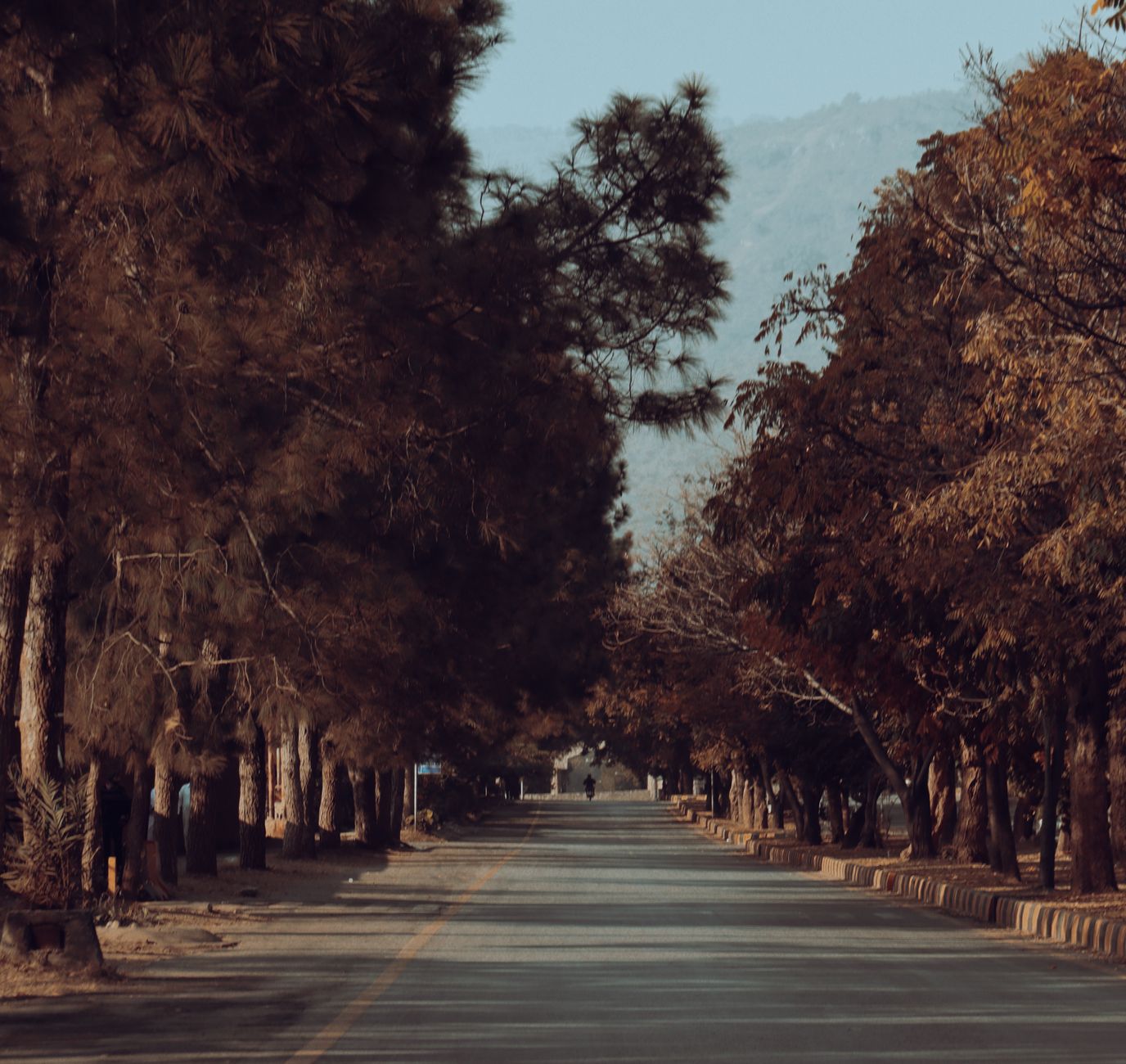
The first thing that catches you off-guard in Islamabad, Pakistan is the hush — a low, leafy quiet broken only by the call to prayer rolling over the Margalla Hills and the occasional thud of a rhesus macaque landing on a diplomat’s roof. You came expecting South-Asian congestion, but instead you find grid-planned avenues wide enough to land a small plane, air that smells of pine after rain, and a 1960s Greek architect’s experiment in utopian city-making still stubbornly alive.
 Photo: Aashir Shafique / Pexels
- Attractions
- 12
- Audio
- 3 h 18 min
- Trip length
- 3–4 days
- Best season
- October–November
Why Islamabad
Built from cited sources · see the method · How we make our guides →
Everything here is coded in letters and numbers — F-7 for cappuccinos, G-9 for 6 a.m. nihari, E-5 for embassies hiding behind bougainvillea. The sectors were drawn by Constantinos Doxiadis to expand forever southward while the Himalayas form a fixed northern wall; drive the ridge road at dusk and you’ll see the plan breathing, streetlights snapping on in perfect diagonal rows below you.
Islamabad’s genius is that it doesn’t feel like a capital. Parliament House hides behind perforated marble screens designed by the same man who gave Washington its Kennedy Center, while shepherds still graze goats beside the 16th-century village of Saidpur, its Hindu temple repurposed as an art gallery. You can breakfast on chapli kebab with construction workers, hike a leopard trail by mid-morning, and still reach the rooftop of the continent at Pir Sohawa for dinner — city lights on one side, tribal territories on the other, the Indus glinting silver in the distance.
Faisal Mosque
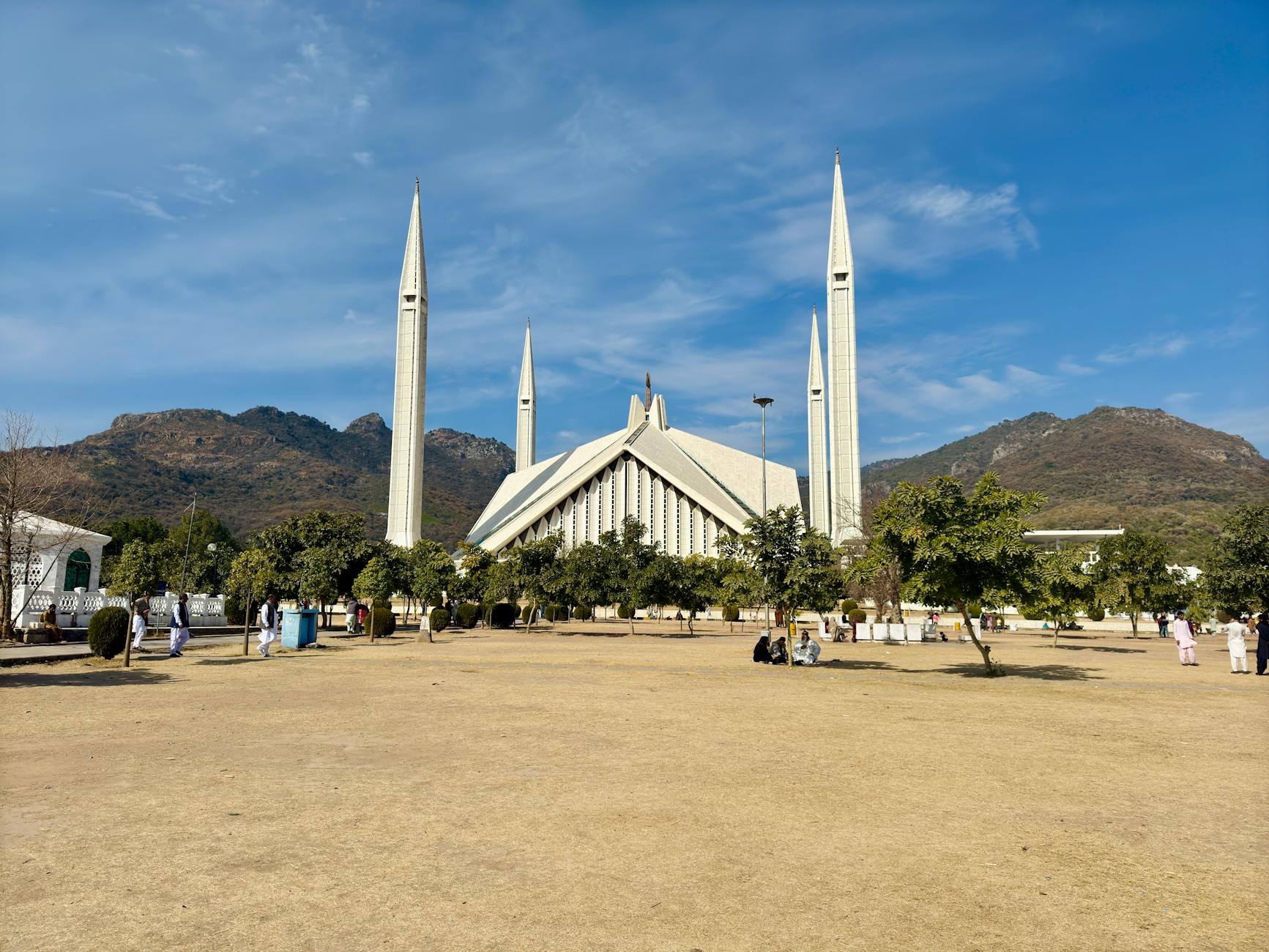
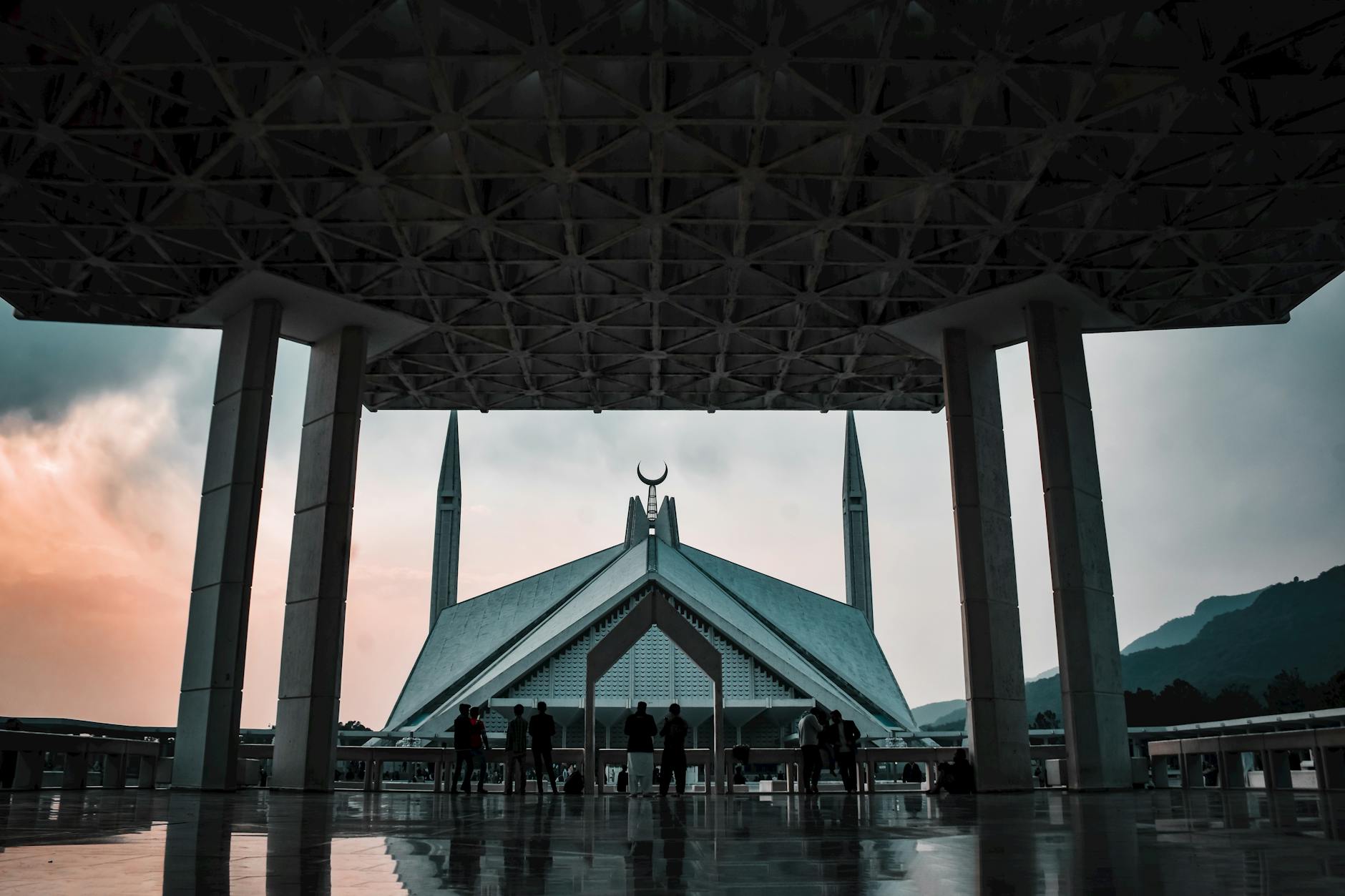
King Faisal’s 1986 gift to Pakistan: a concrete tent of eight 88 m minarets, no dome, echoing Bedouin geometry and the Margalla ridge behind. Walk the marble at dusk when the shells glow like back-lit parchment and the city lights flicker 540 m below.Margalla Hills National Park
17,000 ha of Himalayan foothills inside the city limits—leopard country, 250 bird species, pine-scented trails that start 15 minutes from your café table. Trail 3 climbs 4.5 km to Daman-e-Koh; the view from the top is Islamabad’s daily weather report written in haze or clarity.A Capital Drawn by Greeks & Italians
Doxiadis’s 1960 grid (F-6, G-9…) is only half the story: Edward Durell Stone’s Parliament colonnade and Gio Ponti’s Presidency marble give the capital a mid-century modern gloss you’d expect in Brasília, not between Punjab and Khyber.
Places to Visit
Not every monument, just the ones we'd walk you past ourselves.
-
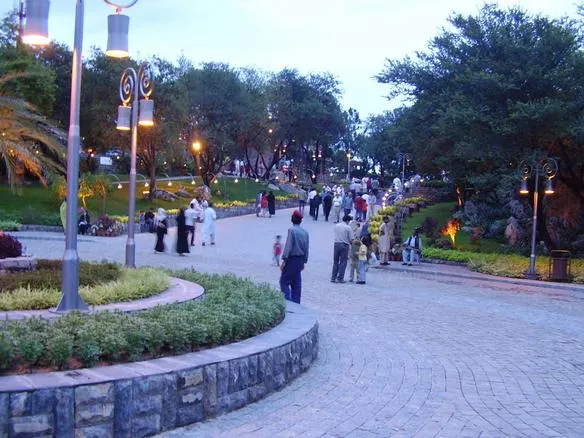
Daman-E-Koh Islamabad makes sense from up here: a planned capital beneath monkey-haunted pines, evening chai stalls, and Faisal Mosque gleaming in the grid below.
-
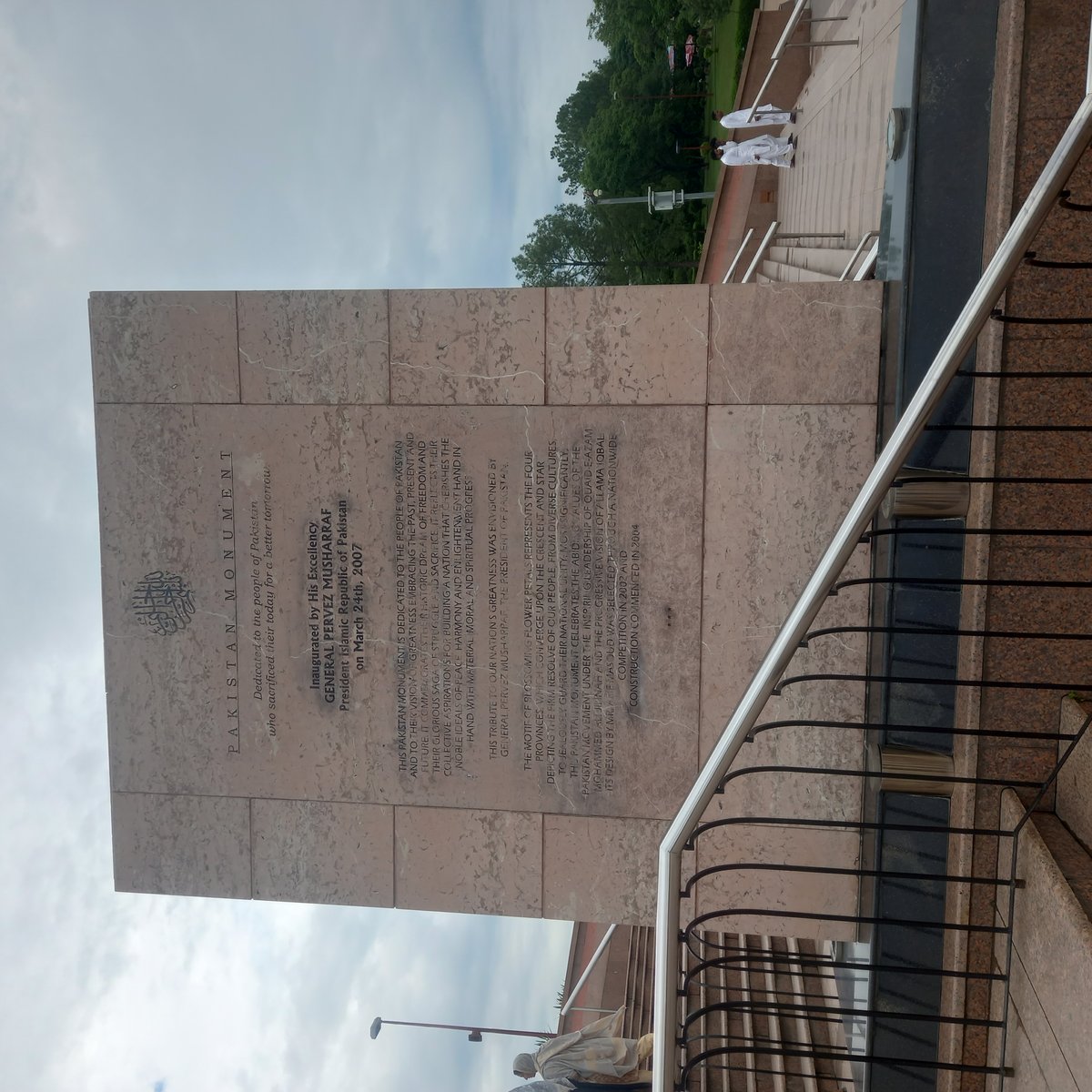
Pakistan Monument The پاکستان یادگار (Pakistan Monument) in Islamabad is not merely an architectural marvel; it stands as a profound symbol of the nation's unity and cultural…
-
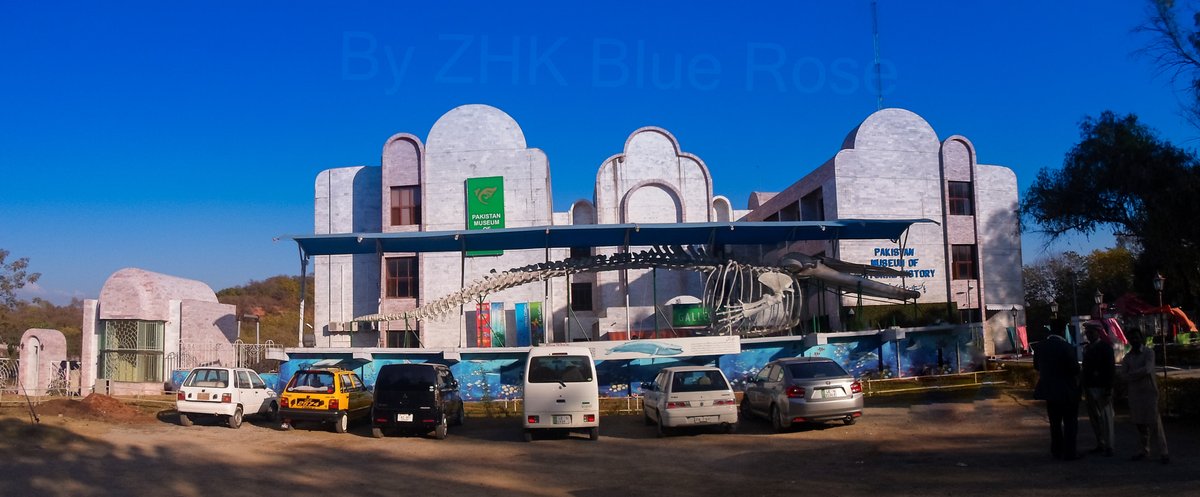
Pakistan Museum of Natural History Welcome to the Pakistan Museum of Natural History, an essential destination for anyone intrigued by the wonders of biodiversity, geology, and history.
-
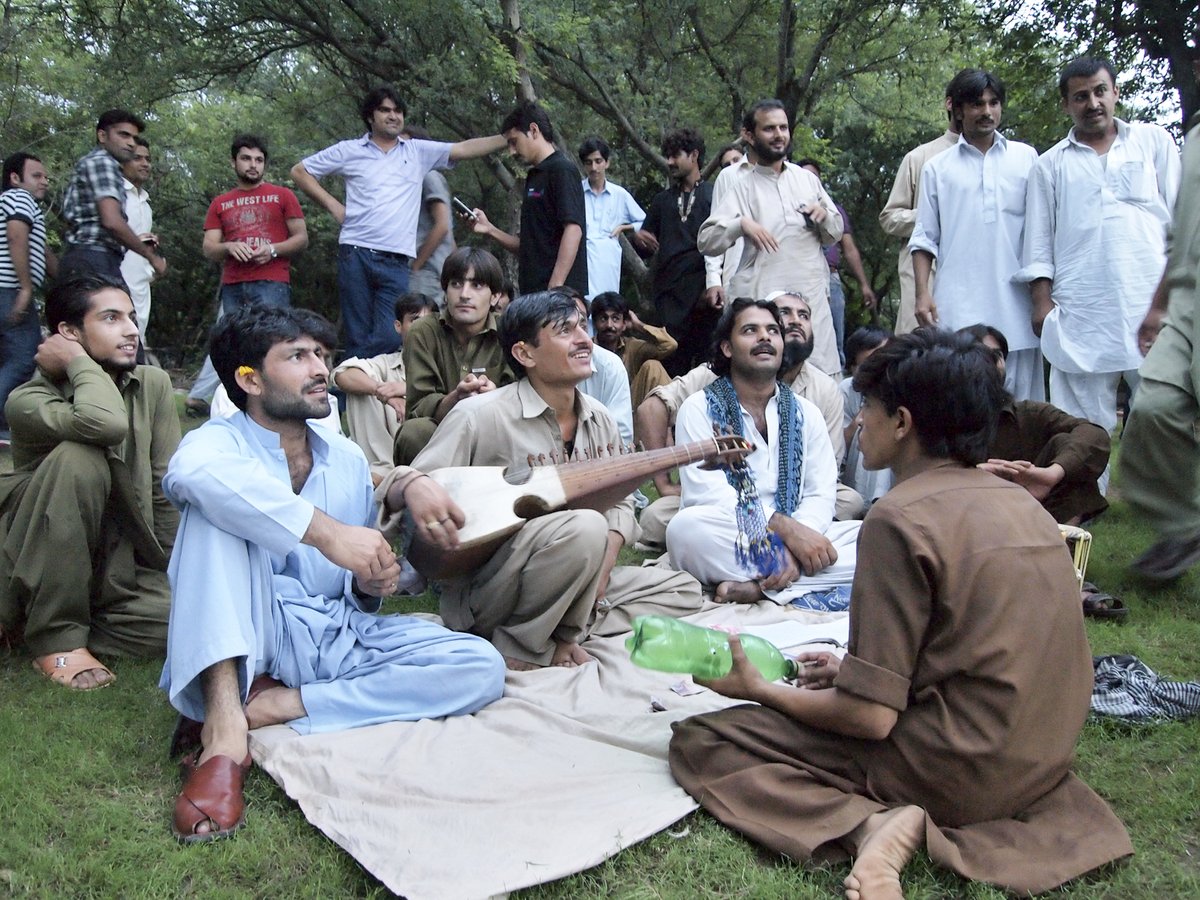
Lake View Park Bird Park in Islamabad, Pakistan, is a premier destination that offers a captivating blend of natural beauty and avian biodiversity.
-
Islamabad Stock Exchange Tower The Islamabad Stock Exchange Tower, commonly known as the ISE Tower, stands as a striking emblem of Islamabad’s economic vitality and architectural modernity,…

- Faisal Mosque The Faisal Mosque in Islamabad stands as a monumental testament to Pakistan’s Islamic heritage, architectural ingenuity, and cultural identity.
- Lok Virsa Museum Nestled amidst the picturesque Shakarparian Hills in Islamabad, the Lok Virsa Museum stands as a monumental tribute to Pakistan's rich and multifaceted…
- National Art Gallery, Pakistan Nestled in the heart of Pakistan’s capital, the National Art Gallery Islamabad stands as a beacon of the country’s rich artistic heritage and cultural identity.
- Fatima Jinnah Park Fatima Jinnah Park, commonly referred to as F-9 Park, stands as one of Islamabad’s most expansive and cherished urban green spaces, sprawling over…
Neighborhoods
Where to wander, by quarter — each with its own rhythm.
F-7 Markaz / Jinnah Super
The city’s default downtown: neon burger joints, student-packed cafés, and the queue that defines local pride — Savour Foods’ chapli-kebab counter, where PKR 250 buys you flat, coriander-seeded beef and a lesson in capital humility. Evenings feel like a campus that never graduated; Uber scooters buzz between Burning Brownie espresso bar and Kuch Khaas, an indie arts bunker hosting Urdu poetry slams inside a converted warehouse.Kohsar Market (F-6)
A single, plane-tree-lined lane that Islamabad’s diplomats treat as their private piazza. Tuscany Courtyard’s courtyard fills with linen-clad NGO analysts debating Afghan policy over rosemary lamb, while next door Nanbai turns out sourdough that could pass for San Francisco if the call to prayer didn’t echo off the embassy walls. Friday night foot traffic moves at Geneva speed — deliberate, multilingually polite, scented with cardamom from the khaki-clad guard’s steaming cup.Blue Area
The commercial spine drawn in blue pencil on Doxiadis’ original plan — now a canyon of glass and billboards where office workers vanish at dusk. Come at lunch for sizzling karahi served on tin trays in Melody Food Street’s alley of smoke, leave by 7 p.m. when the signal lights start blinking to empty avenues. Hidden between towers: Edward Durell Stone’s marble Parliament, its façade glowing like a paper lantern after dark.Diplomatic Enclave (E-5/6)
A gated city-within-a-city where cherry blossoms drop on blast-proof walls and Marine guards jog at dawn past the Saudi-funded Faisal Mosque — its 88-meter minarets deliberately taller than the Vatican’s cross. Inside, the US embassy rebuilds itself every decade; outside, visa-hopefuls line the sidewalk at 5 a.m., thermoses of doodh-patti chai keeping the queue warm.Saidpur Village
A 500-year-old Mughal hamlet absorbed by the capital, its stone lanes now lined with galleries inside restored havelis. Hindu temple frescoes flake beside a Sikh gurdwara turned handicraft shop; the scent of tandoor naan drifts from a courtyard where Islamabad’s art students sketch against a backdrop of prayer flags and satellite dishes. Weekends mean Sufi-qawwali fusion echoing off the Margalla limestone as families picnic under banyan trees older than Pakistan.G-9 / G-10 Markaz
Where the planned city dissolves into Pashtun frontier energy. Plastic chairs spill onto pavements at 6 a.m. for Waris Nihari’s overnight beef shank, the broth so rich it lacquers the spoon. Chapli-kebab stalls fire at noon, sending cumin-blue smoke over alley cricket matches; by night, Rs 200 buys a karahi scooped with sesame-speckled roti while Afghan truck drivers argue over politics in three languages.Margalla Hills Fringe (Trail 3 to Pir Sohawa)
Fifteen minutes from parliament, rhesus macaques outnumber ministers. Trail 3 starts behind a Shell station and climbs through leopard-country oak to Daman-e-Koh, where the entire grid snaps into view like a circuit board. Continue to Pir Sohawa and the road corkscrews above the clouds; Monal restaurant’s terrace sits 1,100 m high, its grills sizzling against a night sky dark enough to see the Milky Way above a capital that officially doesn’t serve alcohol but never sleeps on caffeine.
Plan your trip
Before you go
- Getting There
- Fly into New Islamabad International Airport (ISB), 35 km north-east of the Blue Area. Rawalpindi’s main rail junction (G-8) connects to Lahore (4h30) and Karachi (20h) on Pakistan Railways. Motorways M-1 and M-2 feed in from Peshawar and Lahore; plan 40–60 min airport-to-city at rush hour.
- Getting Around
- No metro rail—use the Islamabad–Rawalpindi Metro Bus: one 24-station line from Pak Secretariat to Saddar, PKR 30 flat fare (smart card required). Careem and Uber cover every sector; a ride F-6 to Faisal Mosque runs ~PKR 250. Shared Suzuki vans ply internal grids for PKR 20–50; cycling is recreational only—no protected lanes yet.
- Climate & Best Time
- October–November post-monsoon: 25 °C days, crystal hills, rose gardens in bloom. February–March spring hovers 18–24 °C. Summer (May–June) spikes to 40 °C before July–August monsoon dumps 300 mm/month. Visit outside June–August for clear trails and open-air cafés.
- Language & Currency
- Urdu is universal, English signs abound in F-6/F-7 markets and museums. Carry Pakistani rupees (PKR): ATMs (HBL, Standard Chartered) dispense up to PKR 50,000; street food stalls and Suzukis are cash-only. Exchange at Aabpara or F-8 markaz for rates within 1 % of interbank.
From Stone Tools to a City Drawn on Graph Paper
A 500,000-year journey that ends with a Greek architect plotting Pakistan’s future on a blank plateau
- c. 500,000 BCE
Soanian Stones Echo
On the banks of the Soan River, someone strikes two stones and sparks the first tool. The flake’s sharp edge opens carcasses, skins, minds. Scatterings of these pebble choppers still turn up after monsoon rains, whispering that people have been working this ridge longer than Homo sapiens has existed.
- 518 BCE
Persian Satraps Collect Tribute
Darius I’s heralds ride up the Jhelum gorge and plant the Achaemenid standard where Islamabad’s airport runway will later land. Taxila, a day’s march north, becomes a satrapal mint; coins bearing the Great King’s image pass through caravanserais that will one day feed the capital’s markets.
- 326 BCE
Alexander’s Shadow Falls
The Macedonian camps on the opposite bank, accepting King Ambhi’s gift of elephants and grain. Greek infantrymen sketch the strange eight-sided shells they will later see in Taxila—patterns a Turkish architect will borrow 2,300 years later for Faisal Mosque.
- c. 268 BCE
Ashoka’s Edicts Ring Out
The Mauryan emperor has his scorers chisel rock edicts into boulders above the Soan, ordering mercy to wildlife and fairness in trade. Monks carve a stupa at nearby Dharmarajika; its carved lotus petals will reappear on Pakistan Monument’s marble petals two millennia later.
- c. 127 CE
Kanishka’s Golden Monastery
Under the Kushan king, masons layer schist into the soaring monastery of Jaulian. Gilded statues of the Buddha radiate light across the plateau; traders on the Silk Road rest here, swapping stories that drift southward toward future caravan halts at Rawalpindi.
- 1001 CE
Mahmud Smashes the Hindu Shahis
The Ghaznavid war elephant charge breaks Jayapala’s army at Peshawar; the plateau becomes a supply corridor for slave-raids into India. Villages that will one day be Islamabad’s sectors send grain north to the conqueror’s garrisons.
Show the full timeline (20 moments)
- c. 1540
Sher Shah’s Highway Cuts Through
The Afghan reformer rebuilds the Grand Trunk Road, laying a 4-metre-wide stone spine that still runs beside today’s Islamabad Expressway. Caravanserais every 12 kilometres—one at what is now Rawat Fort—standardise rest, water, and royal post.
- 1849
British Cantonment Rises Next Door
Colonel Beville’s engineers raise barracks and a parade ground 15 kilometres south of the future capital. Rawalpindi Cantonment becomes the Raj’s north-west hinge; Islamabad’s future site remains scrub jungle where leopards drink from the Soan.
- 1881
Steam Locomotives Reach Rawalpindi
The first locomotive whistle echoes off the Margalla Hills as the North-Western Railway opens. Engineers survey the plateau for a future junction—lines they draw will later slot perfectly into Doxiadis’s 1960 grid, sector lines aligning with old rail easements.
- August 1947
Partition’s Refugees Stream Past
Karachi is suddenly Pakistan’s capital, but the army keeps GHQ in Rawalpindi. Refugee columns tramp the Grand Trunk Road through empty scrub that will later be Islamabad; some camp at Saidpur village, planting the first post-colonial demographic seeds.
- October 1958
Ayub Orders a New Capital
After a bloodless coup, Field Marshal Ayub Khan tells his cabinet Karachi ‘doesn’t suit us.’ A secret Capital Commission flies over the Margalla ridge, sees a clean slate at 540 m elevation, and circles it in red grease-pencil.
- 1913
Constantinos Doxiadis Is Born
In a small Greek hill-town, the boy who will sketch Islamabad’s grid enters the world. His later ‘ekistics’ theory—cities as living organisms—will turn a tree-covered plateau into sectors named F-6, G-9, H-12 like chromosomes of a planned DNA.
- 1961
Bulldozers Cross Rawal Dam Site
American earth-movers scrape the first contour line across the Korang River gorge. Within a year a 3-kilometre earthen wall will create Rawal Lake, the capital’s future mirror and water-lung, drowning apricot orchards and a Mughal-era caravanserai.
- 1967
Secretariat Flags Go Up
Civil servants lock their Karachi desks and drive 1,400 kilometres north. On 14 August the Pakistan Secretariat’s flagpoles snap in a cool Margalla breeze; Islamabad is suddenly, quietly, the seat of a 120-million nation.
- 1936
A.Q. Khan, Future Bomb-maker, Is Born
Born in Bhopal, the metallurgist will spend his decisive decades in Islamabad—first in a discreet E-7 villa, later under house arrest in a house whose lawn still hums with centrifuge rumours. He will be buried in Islamabad’s H-8 graveyard in 2021.
- 1964
Junaid Jamshed Learns Guitar at Quetta College
The teenager who will form Vital Signs in an Islamabad university dorm picks up his first Sears acoustic. In 1987 his band will record ‘Dil Dil Pakistan’ in an H-11 studio, turning the capital into the cradle of Pakistani pop.
- July 1986
Faisal Mosque Opens Its Tent to the Sky
King Faisal’s Saudi riyals and Vedat Dalokay’s pencil converge: eight concrete shells—no dome—rise 40 metres, sheltering 10,000 worshippers. Night floodlights make the Margalla ridge glow like a Bedouin camp, stamping the skyline with a symbol younger than the city itself.
- 8 Oct 2005
Earthquake Sways Margalla Towers Down
At 08:52 the ground convulses; 74 people die when a luxury F-10 apartment block pancakes. Rescue crews hear phones ringing under rubble for days. The disaster rewrites building codes and etches seismic anxiety into the capital’s psyche.
- 23 March 2007
Pakistan Monument Blossoms in Marble
Four 17-metre petals—one per province—unfold on Shakarparian Hill, catching the dusk like a stone lotus. Inside, black-granite murals freeze the Lahore Resolution, while outside visitors see both city and parliament framed through the petals’ scallops.
- 3 May 2018
New Airport Lifts the City South-west
At Fateh Jang, 25 kilometres from zero-point, a glass-and-steel terminal opens with 15 jet-bridges and prayer rooms facing Mecca. The old Chaklala runway reverts to military use; Islamabad finally separates civilian departures from the generals’ tarmac.
Who lived here
-
Architect of Faisal Mosque · 1927–1991
Vedat Dalokay
Designed the mosque after winning an international competition in 1969
The Turkish maverick scrapped the traditional dome and planted eight concrete petals that still look like a Bedouin tent frozen mid-flutter. He never lived to see Islamabad’s skyline grow around his creation, but every dusk the lit shells echo his belief that prayer should feel open to the sky.
-
Greek urban planner · 1913–1975
Constantinos A. Doxiadis
Master-planned Islamabad in 1960
With a slide rule and the Ekistics theory he carved a grid that drifts northeast like migrating birds, forever chasing the Margalla ‘north wall’. Drive from G-6 to F-10 today and you’re riding the mathematical spine he drew on blue paper over sixty years ago.
-
Singer-author · born 1984
Ali Sethi
Raised in F-7/3, Islamabad
The ghazal-pop troubadour grew up sneaking out to PNCA open-mics and Chaaye Khana jam sessions, turning childhood qawwali echoes into global playlists. He still calls the city ‘the quiet note before the chorus’ whenever he flies in for a wedding gig.
Where to Eat
Where locals actually book dinner — not the tourist menus.
Insider tips
Small things that change how the city treats you.
Beat the Chapli Queue
At Savour Foods, join the shorter 'take-away' line even if eating in—carry your tray to any empty table. Peak rush is 1-3 pm and 8-9 pm; arrive 15 minutes early.Trail 3 Dawn Start
Begin Trail 3 before 6 am in summer—you’ll hear kalij pheasants and meet langurs before the sun hits the limestone. Carry 1 L water; the only tap is halfway up.Cash Only Caves
Shah Allah Ditta villagers expect PKR 200–500 tip for guiding you through the 5th-century caves; no cards, no QR codes, and zero change.Nihari Clock
Waris Nihari in G-9 regularly sells out by 9:30 am; aim for 7 am when the cauldron is freshest and you’ll share tables with night-shift bus drivers.Faisal at Blue Hour
The mosque’s concrete shells glow steel-blue for exactly twelve minutes after sunset—stand on the upper car-park deck, not the courtyard, for a people-free frame.Airport Fare Hack
Uber/Careem from the new airport to F-7 costs PKR 1 500–2 500; walk past the prepaid-taxi desk to the ride-hail pickup lane—drivers lose the queue fee and pass the saving on.
Gallery
The city, as it actually looks.




Watch
-
Ch Danish Official 1000 Rupees Food challenge | Real Taste of Islamabad Street Food 🇵🇰 F10 Markaz #foodvlog
-
Pakspan Islamabad, Pakistan 🇵🇰 - The Most Beautiful Capital City in The World
-
Street Food PK Desi Nashta, Village Food aur Italian Platter in Islamabad | 3 Best Food Spots in the Capital
-
Rana Hamza Saif - RHS DHABA STREET FOOD IN ISLAMABAD - Chicken Lazeeza, Malai Chicken & Many More in Pakistan
Frequently asked
Is Islamabad worth visiting compared to Lahore or Karachi?
Yes—Islamabad trades Mughal chaos for Himalayan horizon. Where else can you breakfast on nihari at dawn, hike a leopard trail by eight, and still reach a world-class modern-art gallery for coffee? It’s the decompressing counter-weight to Pakistan’s megacities.
How many days do I need in Islamabad?
Three full days covers the essentials: Faisal Mosque, Pakistan Monument and Lok Virsa on day one; Margalla Trails 3 & 5 plus Daman-e-Koh sunset on day two; Saidpur Village, PNCA galleries and a chapli-kebab crawl through G-9 on day three. Add a fourth if you plan a day-trip to Hasan Abdal or Nathia Gali.
Is it safe to walk around Islamabad at night?
In the grid sectors (F-6, F-7, F-8) and the Blue Area you’ll see families strolling until midnight under streetlights and police pickets. Stick to main roads, avoid unlit stretches towards G-10 and beyond, and use Careem after 11 pm rather than hailing a street taxi.
Can I use credit cards or do I need cash everywhere?
Cards work at upscale hotels, Centaurus Mall and most F-6 cafés, but chapli kebab stalls, trail-head kiosks, auto-rickshaws and even the Pakistan Monument ticket booth are cash-only. Keep PKR 5 000 in small notes on you; ATMs are plentiful in F-7 and Blue Area.
What is the cheapest way to get from the airport to the city?
The Metro Bus doesn’t reach the terminal, so the ride-hail lane is your budget friend: UberGo or Careem Go to F-7 runs PKR 1 300–1 800—half the official prepaid-taxi rate and fixed in the app, so no haggling.
Which Margalla trail is best for beginners?
Trail 6 starting from F-6/2 is the gentlest—broad path, 45 minutes to the viewpoint, plenty of monkey sightings and zero scrambling. Go between 7–9 am to avoid summer heat and catch birdsong echoing off the limestone cliffs.
Do I need to cover my head to enter Faisal Mosque?
Women must cover hair; carry a large scarf. Men should wear long trousers and sleeves; shorts are refused at the gate. Both sexes leave shoes on the racks provided—bring a plastic bag if you’re squeaky about bare feet on cool marble.
All Places to Visit.
46 places to discover
Place
Daman-E-Koh
Place
Pakistan Monument
Place
Lok Virsa Museum
Place
Pakistan Museum of Natural History
Place
National Art Gallery, Pakistan
Place
Fatima Jinnah Park
Place
Lake View Park
Place
Islamabad Stock Exchange Tower

Place
Shakarparian
Place
Margala Hills National Park
Place
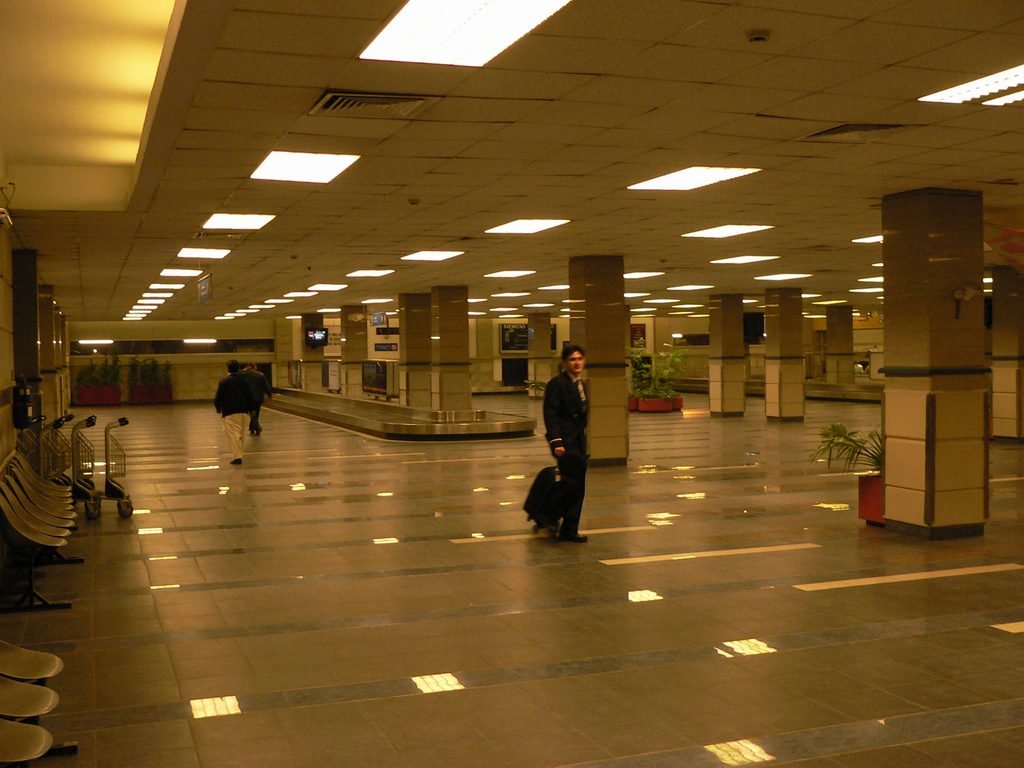
Benazir Bhutto International Airport
Place
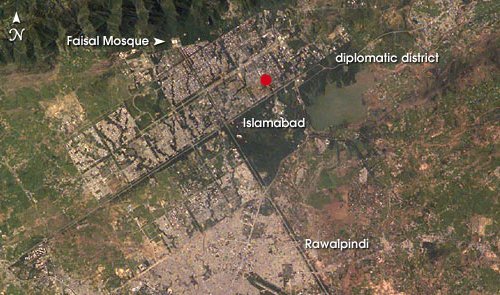
Lal Masjid
Place
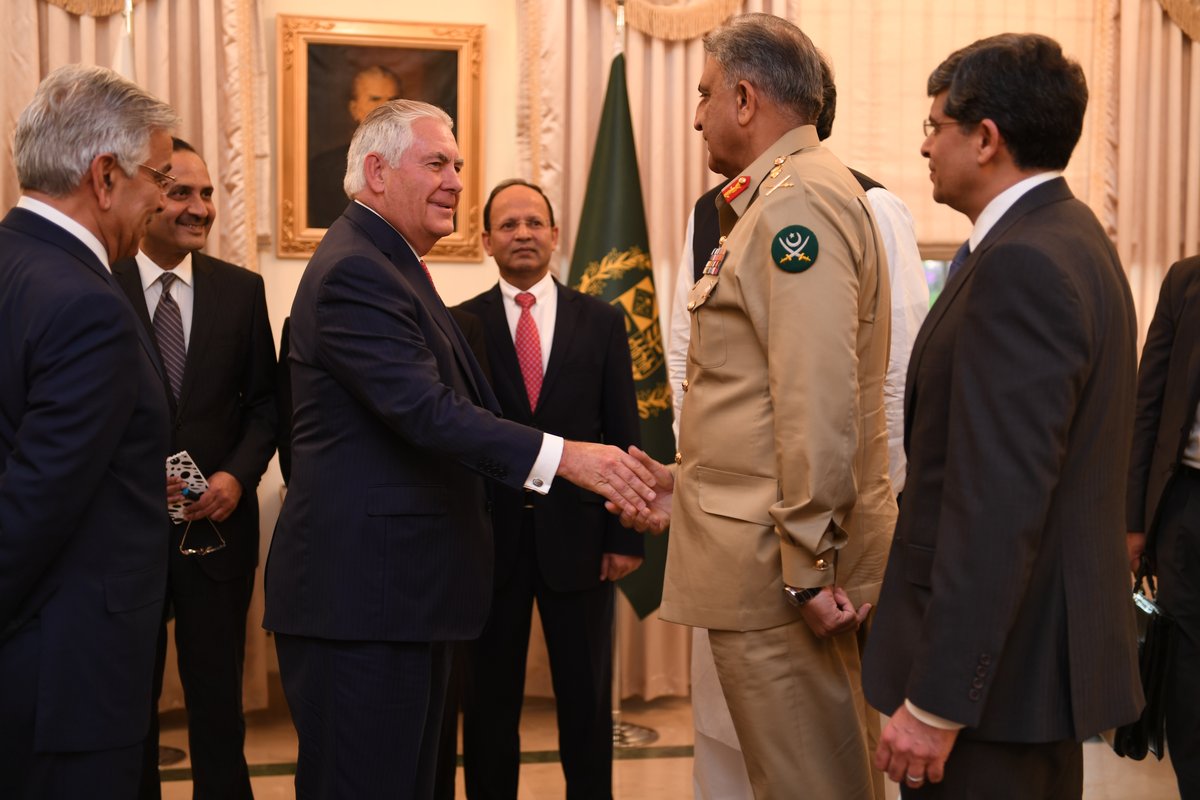
Prime Minister'S Secretariat
Place
Jinnah Sports Stadium
Place
Jinnah Convention Centre
Place
France Colony, Islamabad
Place
High Commission of India, Islamabad
Place
Nicholson'S Obelisk
Place
Air University
Place
Allama Iqbal Open University
Place
Apostolic Nunciature to Pakistan
Place
Comsats University Islamabad
Place
Embassy of Afghanistan, Islamabad
Place
Embassy of Algeria, Islamabad
Place
Embassy of France, Islamabad
Place
Embassy of Germany, Islamabad
Place
Embassy of Japan, Islamabad
Place
Embassy of Palestine, Islamabad
Place
Embassy of Sweden, Islamabad
Place
Embassy of the People'S Republic of China, Islamabad
Place
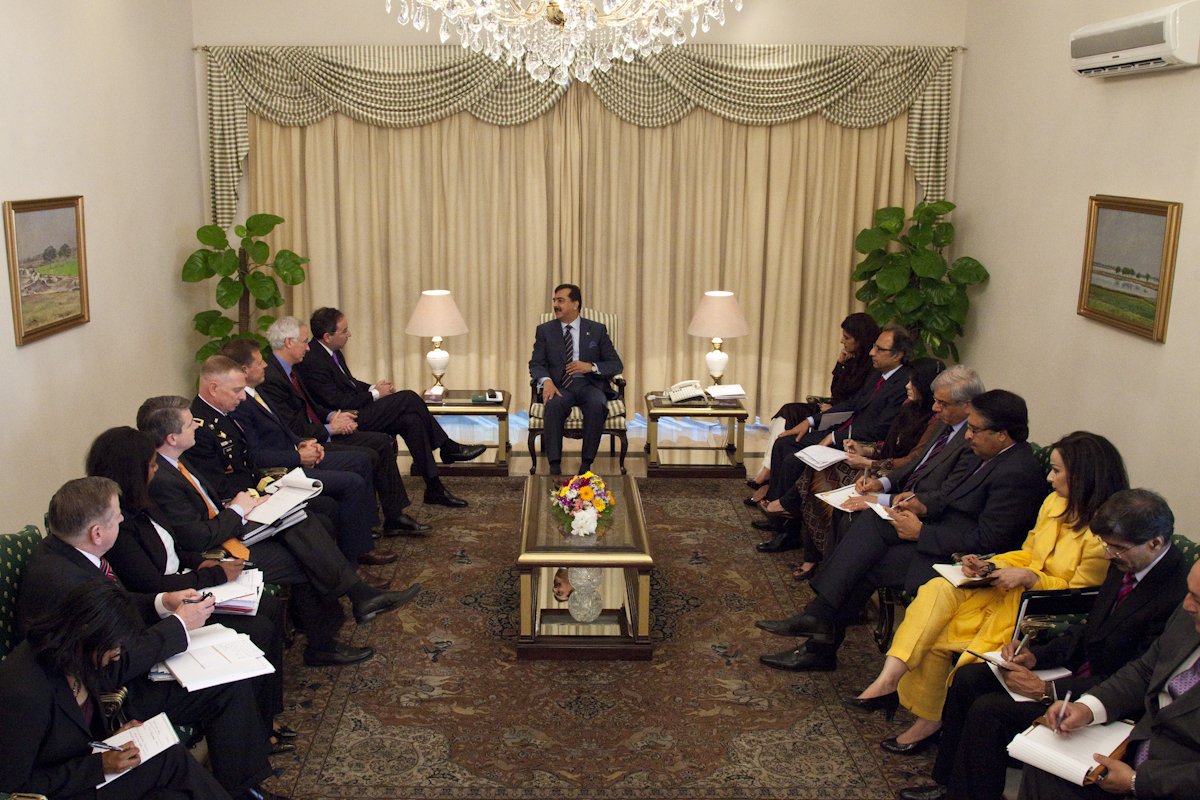
Embassy of the United States, Islamabad
Place
Embassy of Ukraine, Islamabad
Place
Institute of Space Technology
Place
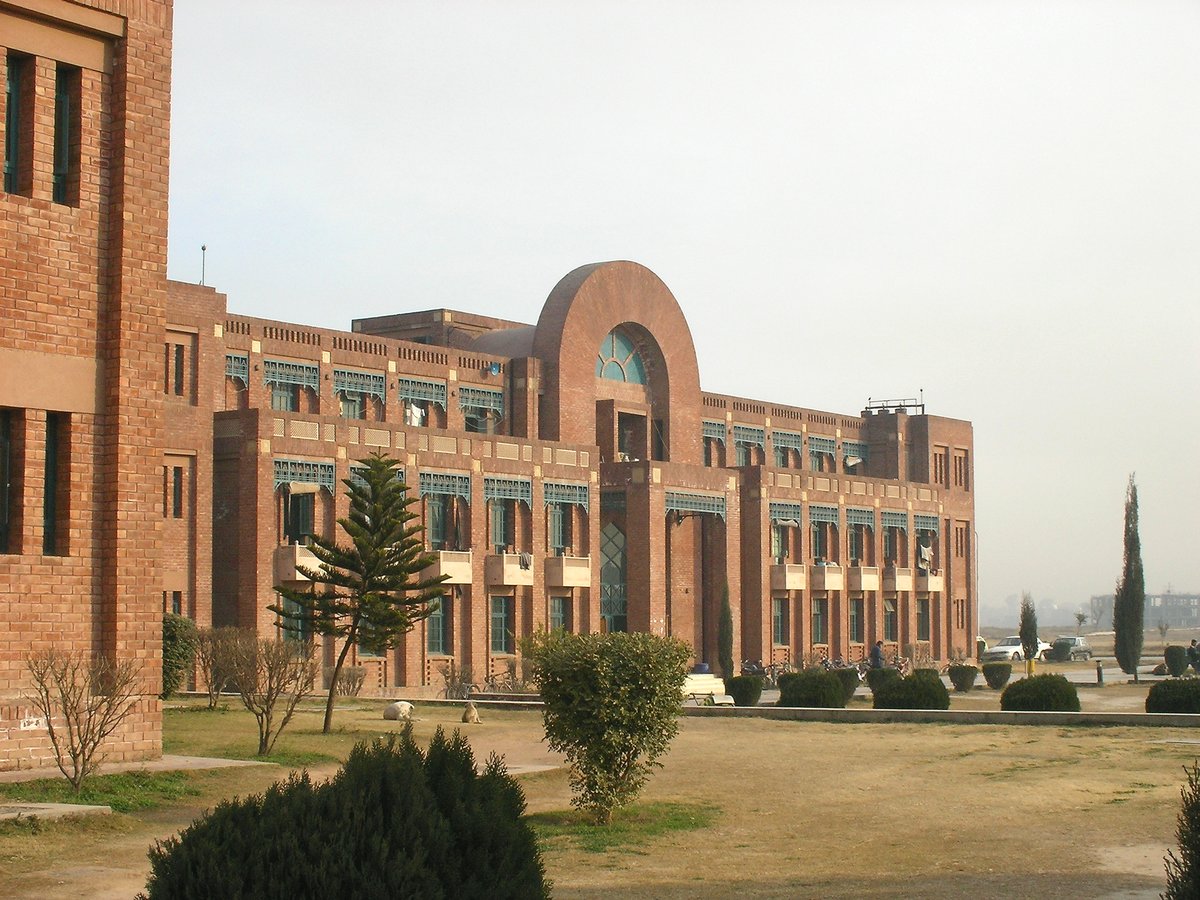
International Islamic University Islamabad
Place
Islamabad Railway Station
Place
National University of Computer and Emerging Sciences
Place
National University of Modern Languages
Place
National University of Sciences and Technology
Place
Pakistan Institute of Engineering and Applied Sciences
Place
Pakistan Monument Museum
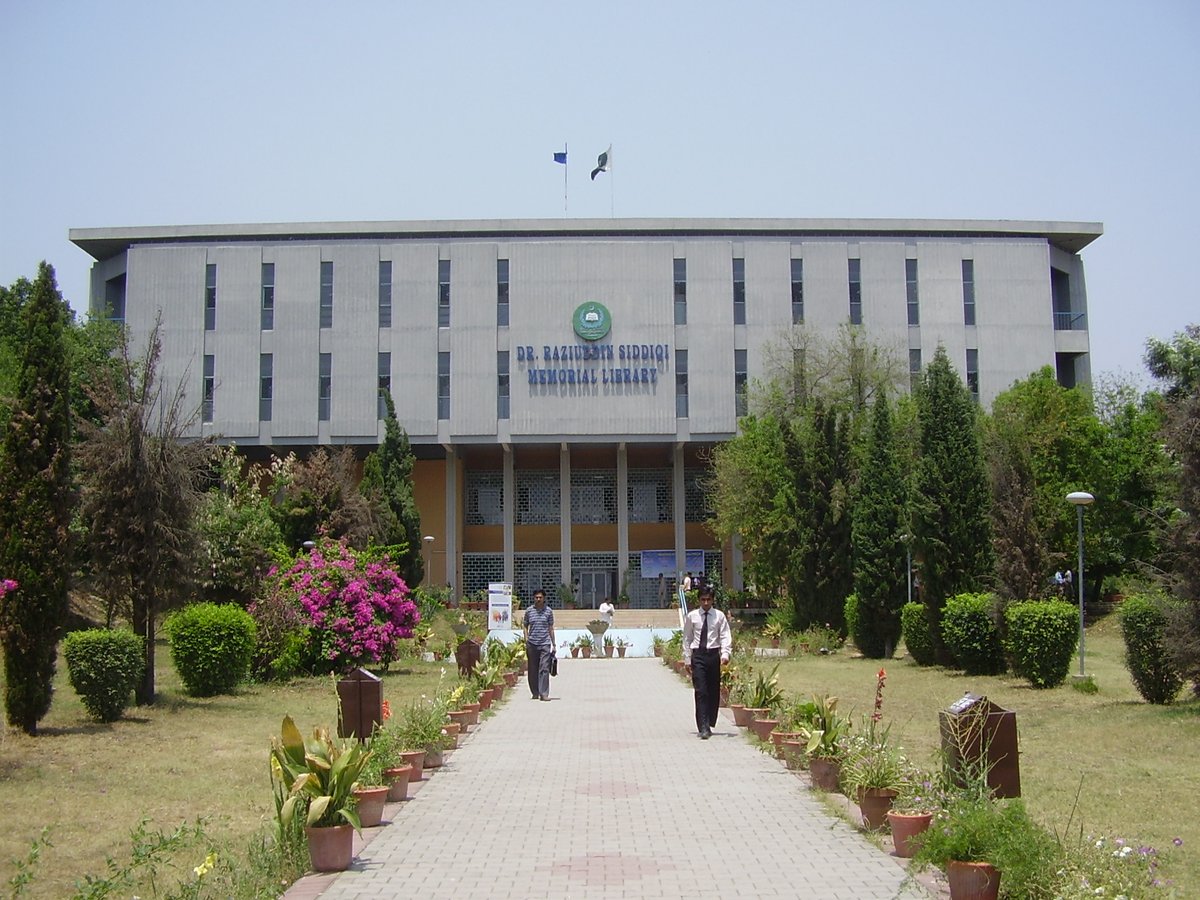
Place
Quaid-I-Azam University
Place
Riphah International University
Place
Shifa Tameer-E-Millat University
Place
The Centaurus

Place
Zero Point Interchange
Pick up where you left off
Saved and recently read places — kept on this device only.
Photo credits (10)
- Aashir Shafique — Pexels License (https://www.pexels.com/license/) — Source: https://www.pexels.com/photo/16338851/
- Hamza Ali — Pexels License (https://www.pexels.com/license/) — Source: https://www.pexels.com/photo/14394126/
- Shafiq 🇺🇸 — Pexels License (https://www.pexels.com/license/) — Source: https://www.pexels.com/photo/20673922/
- Ali Hamza Tullah — Pexels License (https://www.pexels.com/license/) — Source: https://www.pexels.com/photo/19995192/
- Mohsin Shabbir — Pexels License (https://www.pexels.com/license/) — Source: https://www.pexels.com/photo/30665958/
- Wasif Mehmood — Pexels License (https://www.pexels.com/license/) — Source: https://www.pexels.com/photo/15817294/
- Ali Hamza Tullah — Pexels License (https://www.pexels.com/license/) — Source: https://www.pexels.com/photo/19995183/
- Hassan Shah — Pexels License (https://www.pexels.com/license/) — Source: https://www.pexels.com/photo/28536082/
- FAYSAL KHAN — Pexels License (https://www.pexels.com/license/) — Source: https://www.pexels.com/photo/27698081/
- M Y Dogar — Pexels License (https://www.pexels.com/license/) — Source: https://www.pexels.com/photo/5258953/
Photos may have been resized or cropped.