Historical Evolution and Cultural Significance
Founded in 2001 as a collaborative venture among Norway’s Correctional Service, police, and judiciary, the Norwegian National Museum of Justice preserves the nation’s legal history from the 17th century to today (Norsk Rettsmuseum – Om oss). Trondheim’s historical importance as a center for law is rooted in the medieval Frostating assembly, which helped shape the country’s legal traditions (Store norske leksikon – Frostating).
The museum’s collections—spanning over 10,000 to 20,000 artifacts—include prison cells, executioner’s tools, forensic equipment, judicial robes, and police uniforms. These objects, sourced from across Norway, provide tangible links to pivotal moments in legal and penal history (Norsk Rettsmuseum – Samlingene; whichmuseum.com). The museum’s educational mission is furthered through interactive displays, mock trials, and programs tailored for families, schools, and legal professionals.
Museum Architecture and Site History
The Historic Setting
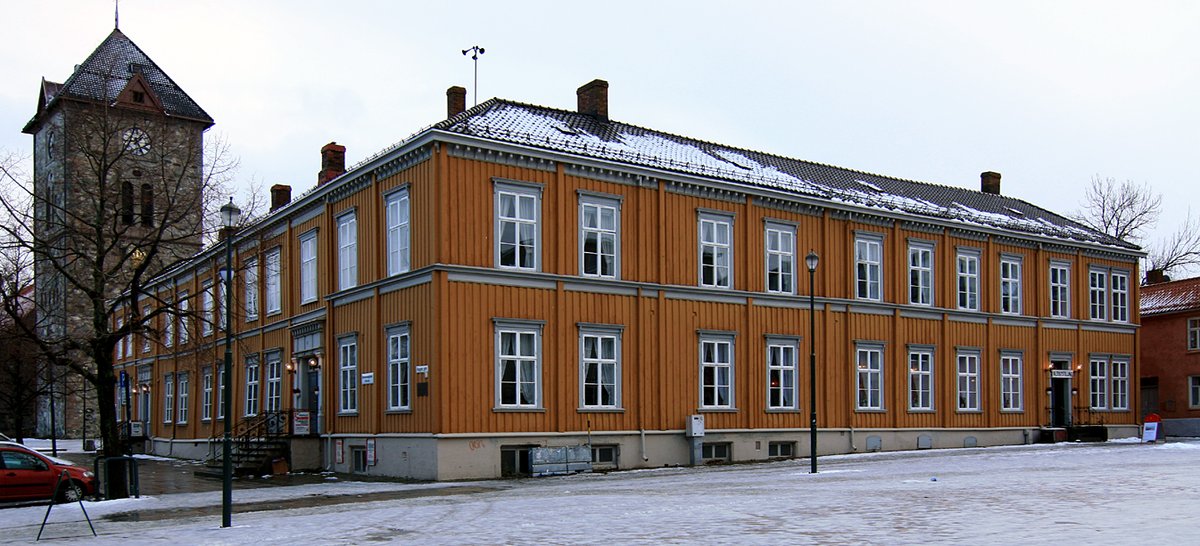
The museum occupies two architecturally significant buildings: the former Trondheim Prison (Tvangsarbeidsanstalten, built in 1833) and Norway’s first criminal asylum (from 1895). These structures are not only historical artifacts themselves but also reflections of changing philosophies in punishment, rehabilitation, and mental health care (Trondheim byarkiv – Tvangsarbeidsanstalten; Visit Norway).
Collections and Exhibit Highlights
Permanent Exhibits
- The Criminal Asylum Explore Norway’s approach to mental health and criminal responsibility, featuring personal stories and period artifacts.
- The Executioner’s Room Journey through the history of capital punishment, with original executioner’s tools, archival documents, and accounts of Norway’s last beheading.
- Clues and Punishment Examine the evolution of forensic science and punishment methods, with displays of crime scene evidence and physical restraints.
- Buildings of Incarceration Discover the architectural and social development of Trondheim’s prisons and asylums through models, photographs, and archival materials.
Temporary and Thematic Exhibits
The museum regularly features temporary exhibitions on topics such as the history of police uniforms, forensic advancements, or women’s roles in law enforcement (trek.zone).
Notable Artifacts
- Original prison cells and restraints
- Executioner’s axes and tools
- Judicial robes, police uniforms, and courtroom furniture
- Archival documents and crime case evidence
Interactive elements include opportunities to try on police uniforms, sit in a judge’s chair, or handle replica artifacts.
Visiting Information
Opening Hours
- Standard Hours Tuesday to Sunday, 10:00 AM – 4:00 PM (some sources note 11:00 AM – 4:00 PM; check the official website for precise details).
- Closed Mondays and public holidays. There may be special hours for events or holidays.
Ticket Prices
- Adults NOK 100
- Students/Seniors NOK 70
- Children under 16 Free
- Group and Family Discounts Available; see official website for details.
Tickets can be purchased at the entrance or online. Advance booking is recommended for groups and guided tours.
Guided Tours and Special Events
- Guided Tours Available on weekends and by appointment, in Norwegian and English. Tours typically last 45–90 minutes and can be tailored to visitor interests.
- Special Events Lectures, workshops, and temporary exhibitions are held throughout the year. Visit the museum’s website or social media for schedules.
Accessibility and Visitor Services
- Wheelchair Access Ramps, elevators, and accessible restrooms are provided.
- Audio Guides and Tactile Exhibits Available for visually impaired visitors.
- Family Facilities Stroller access, baby-changing areas, and child-friendly activities.
- Assistance Service animals welcome; staff available for personalized support.
Amenities
- Café On-site, serving beverages and light snacks.
- Museum Shop Books, souvenirs, and educational materials.
- Restrooms, Lockers, and Free Wi-Fi Available on all floors.
Travel Tips and Nearby Attractions
- Location Kongens gate 95, centrally located in Trondheim.
- Transport Easily accessed by public transport, with bus and tram stops nearby. Limited street parking; public transport is recommended.
- Nearby Sights Nidaros Cathedral, Archbishop’s Palace, Old Town Bridge, and Bakklandet district are all within walking distance (lifeinnorway.net).
- Photography Non-flash photography allowed in most areas; some restrictions may apply in temporary exhibitions.
- Time Needed Allocate 1.5–2 hours for a comprehensive visit.
Interactive and Visual Features
- Virtual Tours Explore the museum online before your visit (justismuseet.no).
- Interactive Displays Mock trials, hands-on artifacts, and multimedia installations enhance learning.
- Photo Spots Historic prison cells and reconstructed courtrooms make for memorable photos.
Frequently Asked Questions (FAQ)
Q: What are the museum’s opening hours?
A: Tuesday to Sunday, 10:00/11:00 AM – 4:00 PM; closed Mondays and public holidays.
Q: How much do tickets cost?
A: NOK 100 for adults, NOK 70 for students/seniors, free for children under 16.
Q: Are guided tours available in English?
A: Yes, but advance booking is recommended.
Q: Is the museum accessible for people with disabilities?
A: Yes, with ramps, elevators, accessible restrooms, and tactile/audio features.
Q: Can I take photographs?
A: Photography is generally allowed except in some temporary exhibitions.
Q: Is the museum suitable for children?
A: Yes, with free admission for under 16s and family-friendly activities.