Origins and Industrial Significance
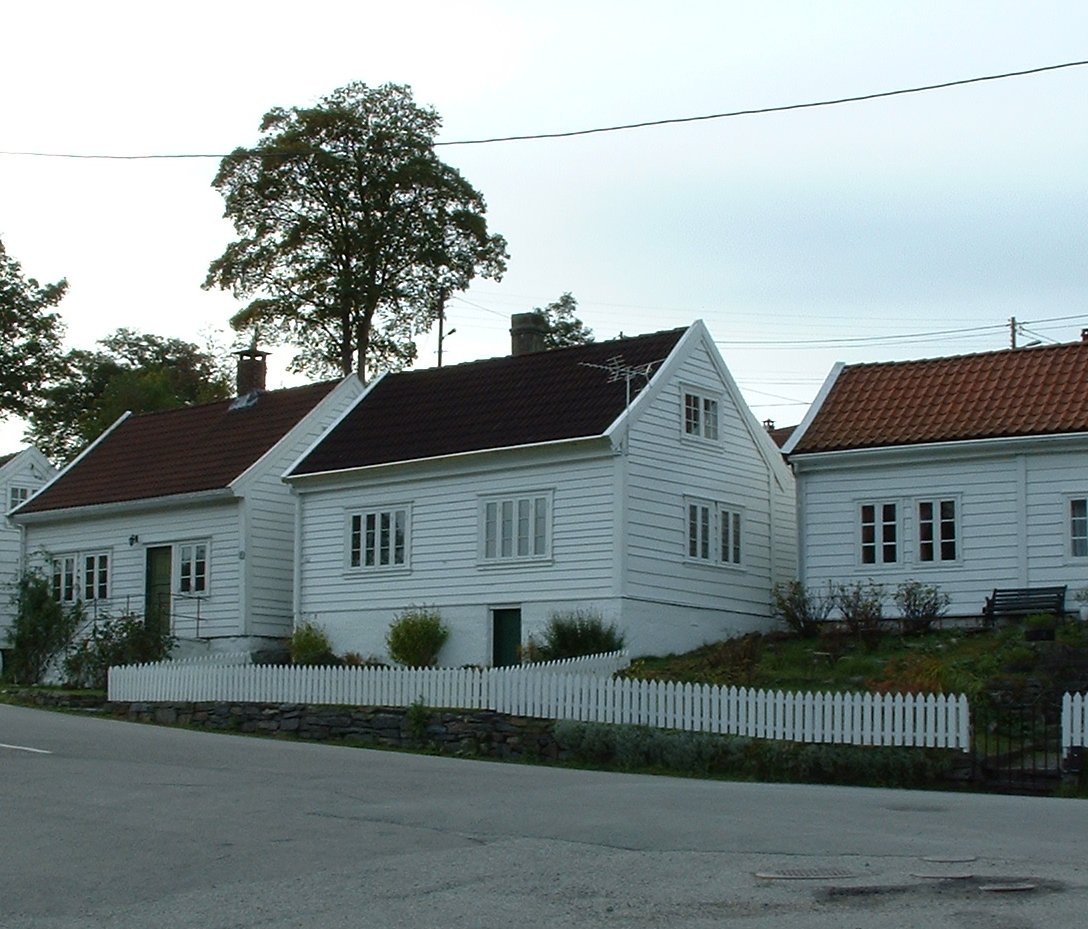
Founded in 1859, Salhus Tricotagefabrik was among the first mechanized knitwear factories in Norway. Strategically located in Salhus—leveraging shipping routes and local labor—the factory specialized in tricotage (knitted garments) and became a cornerstone of the region’s economy. Generations of workers lived and worked in this tightly knit industrial village, contributing to both local livelihoods and Norway’s broader industrial growth (muho.no).
Throughout its 130-year operation, the factory adapted to technological advancements, transitioning from manual knitting machines to modern automated lines. Its resilience through economic changes and fashion trends underlined its importance, with products exported across Norway and abroad (whichmuseum.co.uk).
Preservation and Museum Transformation
When Salhus Tricotagefabrik closed in 1989, efforts to preserve this industrial landmark began immediately. Designated a national industrial heritage site, the complex was transformed into the Textile Industry Museum. The museum opened to the public in 2001, aiming to document and share the Norwegian textile industry’s history through its extensive collection of machinery, archival materials, garments, and oral histories (whichmuseum.co.uk).
Meticulous restoration has maintained the authenticity of both buildings and equipment. Many machines are operational, allowing visitors to witness live demonstrations. The museum’s preservation work extends to collecting stories from former workers, photographs, and factory records, ensuring a holistic narrative of life at Salhus (whichmuseum.co.uk).
Visitor Information: Hours, Tickets, and Accessibility
Opening Hours
- Tuesday to Sunday 11:00–16:00
- Closed Mondays and public holidays
- Check the official website for seasonal variations and special event schedules.
Ticket Prices
- Adults NOK 100–120
- Seniors/Students NOK 70–80
- Children under 16 Free
- Family/Group Rates Available upon request
- Tickets can be bought at the entrance or online. Guided tours are typically included with admission.
Accessibility
- Main exhibition areas are wheelchair accessible; ramps and accessible restrooms are available.
- Assistance dogs are welcome.
- Guided tours with special support for hearing or visual impairments can be arranged—contact the museum in advance for tailored services.
Getting There
- Address Salhusvegen 201, 5107 Salhus, Bergen, Norway
- Public Transport
- From Bergen, take bus 3 or 4 to Åsane Terminal, then transfer to bus 35 to Salhus kai (short walk to museum) (Museum Centre in Hordaland)
- Total journey: under 45 minutes
- By Car Free parking on site; scenic fjord-side drive from Bergen (Paper Tiger)
The Museum Experience
Guided Tours and Interactive Exhibits
Guided tours are the highlight of a museum visit. Available in Norwegian and English, tours include:
- A short introductory film (24 minutes)
- 40-minute walkthrough of the entire production process: carding, spinning, winding, knitting, sewing, and finishing
- Operational machine demonstrations and hands-on experiences
- Tours for children, such as “The Search for Bændik the Sheep” (ages 3–8), featuring interactive activities (Museum Centre in Hordaland)
Exhibitions and Events
- Permanent Exhibitions Explore the complete textile production line and learn about the social and economic impact of the factory.
- Galleri Salhus Rotating exhibitions with contemporary textile art, embroidery, and sustainability themes.
- Annual Events Bergen Knit Fest (biennial), knitting cafés, workshops, and author talks (Paper Tiger).
Facilities
- Café Krone Offers coffee, pastries, and light meals with panoramic fjord views—popular for knitting events and community gatherings.
- Museum Shop Sells woolen garments made on historic machines, exclusive knitting kits, museum-spun yarn, and books. Purchases support local artisans and preserve traditional crafts (Museum Centre in Hordaland; Paper Tiger).
Community Engagement and Sustainability
The museum’s mission extends beyond preservation. It actively collaborates with former factory workers, local artists, and the broader community. Educational outreach, school programs, hands-on workshops, and artist residencies foster intergenerational learning and celebrate Norway’s textile culture (Museum Centre in Hordaland).
The museum also addresses sustainability through exhibitions and eco-certified operations, encouraging reflection on the environmental impact of textile production and promoting sustainable tourism (Visit Norway).
Planning Your Visit: Practical Tips
- Duration Allow 1.5–2 hours for the full experience, including tour, café, shop, and exhibitions.
- Best Time to Visit Spring and summer for longer hours and outdoor activities; weekends for events.
- Photography Generally allowed; ask staff during machine demos and exhibitions.
- Language Bilingual signage and tours (English/Norwegian); staff are fluent in English.
- Weather Bergen is rainy—bring waterproof clothing and sturdy shoes.
Nearby Attractions
The Textile Industry Museum is part of the Museum Centre in Hordaland network, allowing visitors to combine their visit with other Bergen historical sites such as the Hanseatic Museum or Bryggen Wharf. The scenic Salhus setting also offers opportunities for walking tours and fjord views.
Frequently Asked Questions (FAQ)
Q: What are the Textile Industry Museum Bergen’s opening hours?
A: Tuesday to Sunday, 11:00–16:00; closed Mondays. Seasonal variations apply.
Q: How do I buy tickets?
A: Tickets are available online or at the entrance. Guided tours are included with admission.
Q: Is the museum family-friendly?
A: Yes. Entry is free for children under 16, with dedicated tours and activity stations.
Q: Is the museum accessible for wheelchair users?
A: Main exhibition areas are accessible; contact the museum for specific needs.
Q: Are guided tours available?
A: Yes. Tours in Norwegian and English are scheduled daily; advance booking recommended for groups.
Q: Can I take photos inside?
A: Non-flash photography is permitted unless otherwise indicated.