Historical Development and Bergen’s Maritime Heritage
Hanseatic Era and European Trade
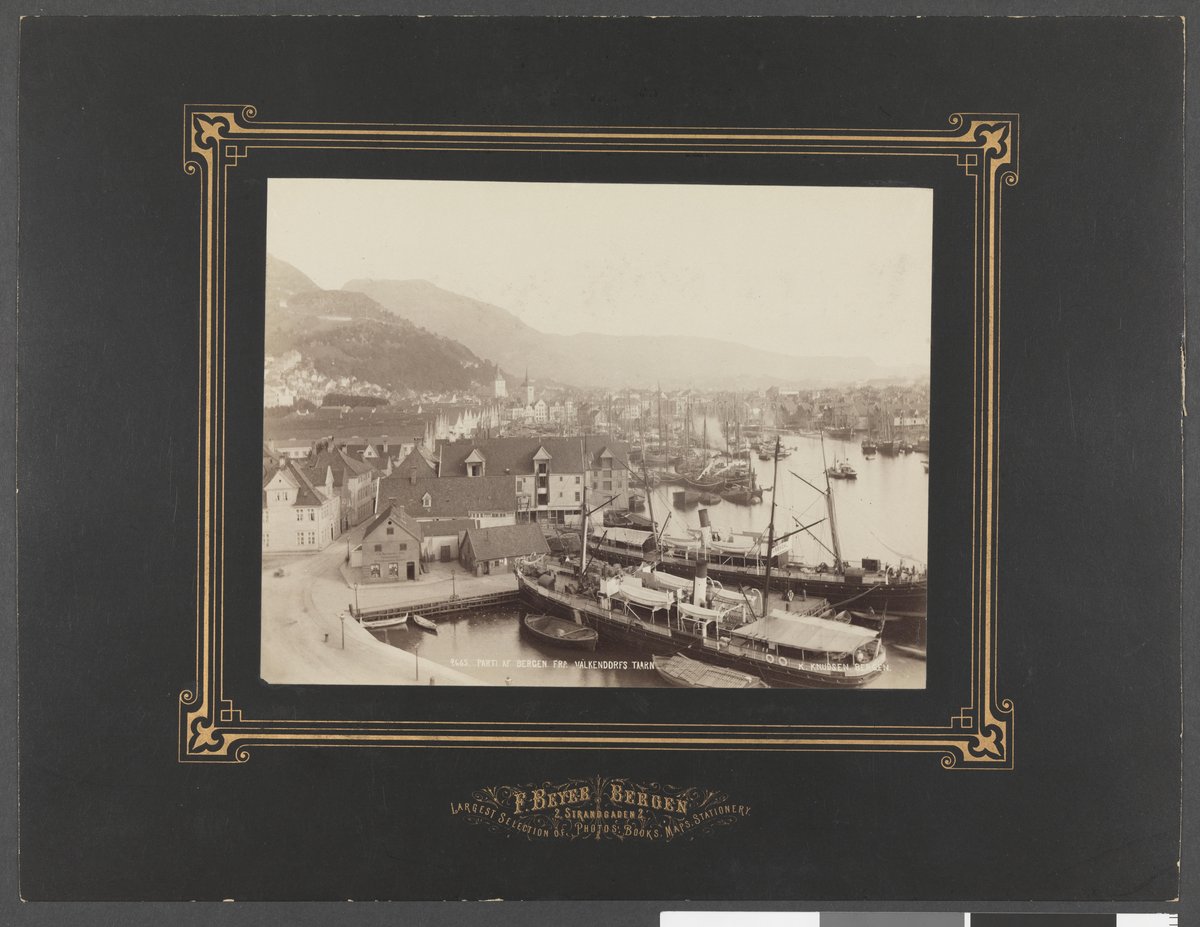
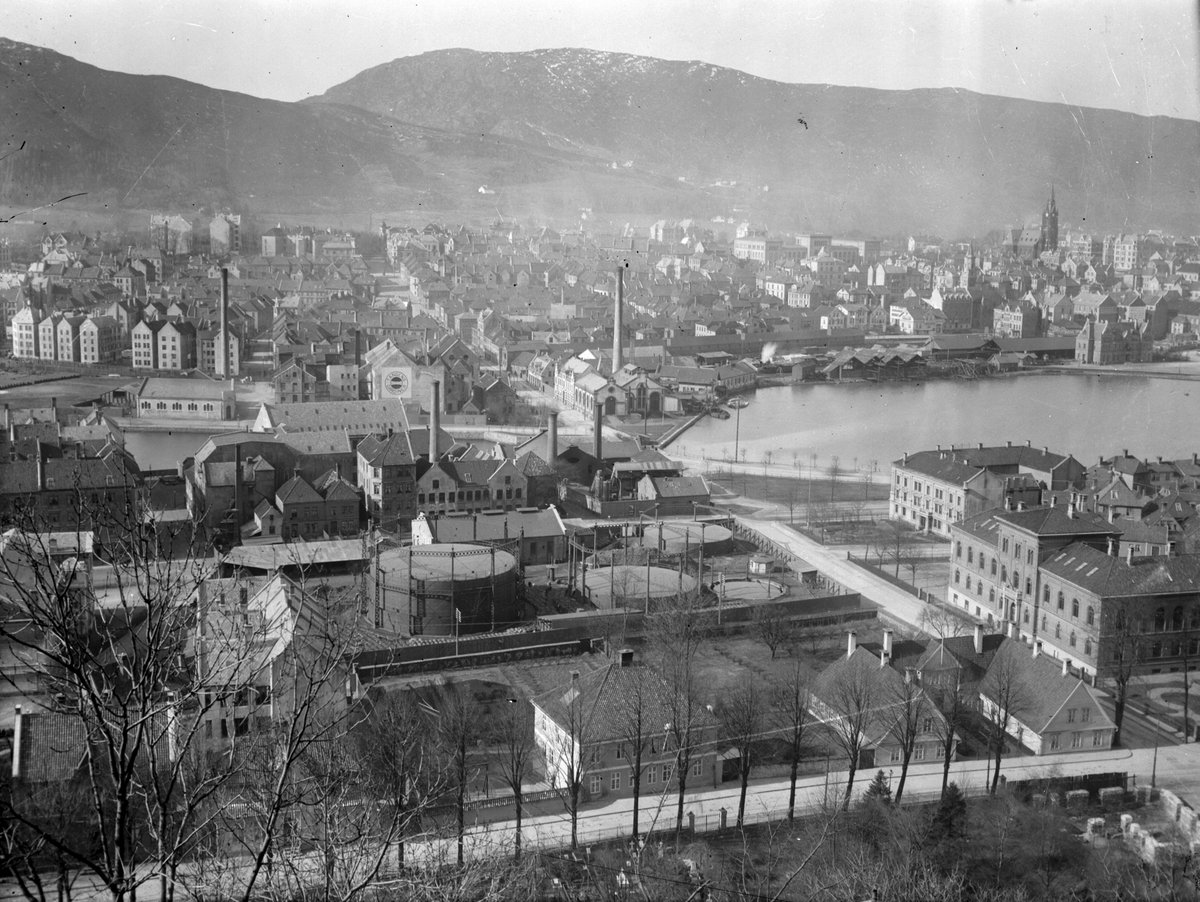
From the 14th to the 18th centuries, Bergen was a key member of the Hanseatic League—a powerful network of merchant guilds and trading towns across Northern Europe. The city’s bustling harbor saw goods like stockfish, grain, and textiles exchanged with ships from the British Isles, Germany, and the Baltic. The Hanseatic merchants’ quarter, Bryggen, is now a UNESCO World Heritage Site. The museum’s exhibits feature ship models, navigational instruments, and trade artifacts from this era, illustrating Bergen’s pivotal maritime role (Bergen Maritime Museum).
Shipbuilding Innovations
Norwegian shipbuilding has been at the forefront of maritime technology since the Viking Age. The museum traces the evolution from clinker-built Viking longships—famed for their speed and seaworthiness—to medieval cogs and 19th- and 20th-century steam and steel vessels. Detailed models, original ship parts, and tools are displayed, alongside archaeological finds from shipwrecks (Bergen Maritime Museum).
Fisheries and the Cod Trade
For over a millennium, the cod fisheries have shaped Bergen’s economy and culture. The museum’s displays highlight the rise of stockfish exports, traditional fishing gear, and the industry’s transformation over time. Environmental challenges and the advent of aquaculture are also explored (Bergen Maritime Museum).
Exploration and Polar Expeditions
Norwegian explorers have been pioneers in the world’s polar regions. The museum honors figures like Fridtjof Nansen and Roald Amundsen with exhibits of original equipment, maps, and personal items, along with displays on navigation techniques and the scientific contributions of Norwegian seafarers (Bergen Maritime Museum).
Bergen as a Modern Maritime Center
Today, Bergen remains a leading maritime city, with contemporary exhibits on shipping, offshore oil and gas, and global logistics. The museum features interactive presentations on modern maritime operations and environmental stewardship, enriched by oral histories and personal artifacts.
Visiting the Museum: Practical Information
Opening Hours
- January–April / September–December Daily 11:00–15:00 (Thursdays until 18:00)
- May–August Monday–Friday 10:00–16:00; weekends 10:00–17:00
- Closed January 1–3, Good Friday, Easter Sunday, December 23–26, December 31
Check the official website for updates and holiday variations.
Tickets and Bergen Card Benefits
- Adults NOK 120–160
- Children under 16 Free or discounted
- Students/Seniors Discounted rates
- Bergen Card Free admission and access to other attractions, plus unlimited city transport (Bergen Card Info)
The Bergen Card can be purchased online, at the tourist office, or select hotels.
Guided Tours and Events
- Guided tours in Norwegian and English (advance booking recommended)
- Regular lectures, hands-on workshops, and special exhibitions
- Group bookings and family activities available
Accessibility and Facilities
- Fully wheelchair accessible (ramps, elevators, accessible restrooms)
- Step-free entrance and a flat route for wheelchair users
- Gift shop with maritime souvenirs and educational materials
- Café serving light refreshments
- Cloakroom, lockers, and free Wi-Fi
- Baby changing facilities and stroller access
- Assistance for visitors with special needs (advance notice recommended)
Location and Travel Tips
- Address Haakon Sheteligs plass 15, 5007 Bergen, Norway
- How to Get There 10–15 minute walk from Bergen city center; accessible via public transit; limited on-street parking and nearby garages
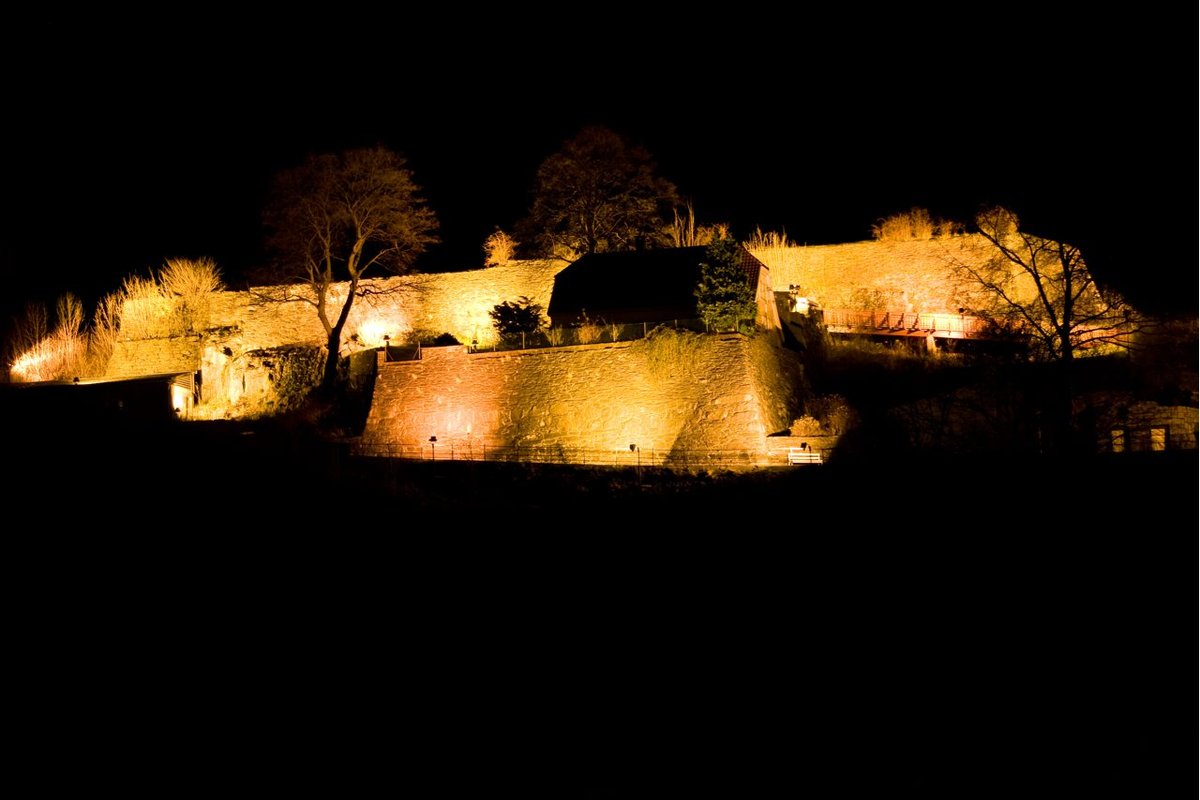
- Nearby Attractions Bryggen, Bergenhus Fortress, Fish Market, KODE Art Museums
Photographic Highlights
Capture the modernist stone façade, full-size Viking ship models, and views from the ship deck overlooking Puddefjorden and Bergen’s harbor.
Permanent and Thematic Exhibitions
Chronological Maritime History
The museum’s chronological displays cover Norway’s seafaring from the Stone Age through the Viking era, Hanseatic trade, and into the age of global shipping. Notable artifacts include the Kvalsund and Halsnøy boats, and detailed reconstructions of ancient vessels (sjofartsmuseum.museumvest.no).
Ship Models and Full-Size Boats
A vast collection of models—from Viking ships to 20th-century tankers—illustrates technological advances in shipbuilding. Several full-size boats are on display indoors (en.visitbergen.com).
Archaeological Artifacts
Artifacts from shipwrecks and coastal settlements include navigational tools, weapons, personal effects, and historic maps, offering tangible links to Bergen’s past (nomadicmatt.com).
Interactive Displays
Interactive exhibits and multimedia stations allow visitors to experience shipbuilding, navigation, and cargo handling. Virtual tours and immersive films appeal to all ages (sjofartsmuseum.museumvest.no).
Temporary Exhibitions
Rotating exhibitions focus on themes such as the Hanseatic League, fishing technology, and maritime innovation, ensuring fresh experiences for return visitors (sjofartsmuseum.museumvest.no).
Planning Your Visit
Best Times to Visit
Visit on weekday mornings or outside the peak summer months (June–August) for a quieter experience. The museum’s indoor setting makes it an excellent choice during Bergen’s frequent rain.
Duration and Family Activities
Allow 1.5–2 hours for a comprehensive visit. Families will appreciate interactive exhibits, hands-on workshops, scavenger hunts, and family trails available at reception.
Photography and Language Support
Photography is permitted for personal use in most areas (no flash or tripods). Exhibits are in Norwegian and English, with audio guides and additional languages available at the front desk.
Nearby Historical Sites and Suggested Itineraries
Take advantage of the museum’s central location to visit:
- Bryggen UNESCO-listed Hanseatic wharf (10 minutes on foot)
- Bergenhus Fortress One of Norway’s best-preserved fortifications
- Bergen Fish Market Sample fresh seafood and local delicacies
- KODE Art Museums Norway’s largest art collection in four buildings
A recommended itinerary: morning at the Bergen Maritime Museum, lunch at the Fish Market, and an afternoon exploring Bryggen and KODE museums.
Frequently Asked Questions (FAQ)
Q: What are the current opening hours?
A: Hours vary by season; generally 11:00–15:00 (Jan–Apr, Sep–Dec) and 10:00–16:00/17:00 (May–Aug). Thursdays offer extended hours.
Q: How much are tickets?
A: Adult tickets are NOK 120–160; discounts for children, students, and seniors. Bergen Card holders enter free.
Q: Is the museum accessible?
A: Yes, the museum is fully wheelchair accessible, with step-free routes, elevators, and accessible restrooms.
Q: Are guided tours available?
A: Yes, in Norwegian and English, by advance booking.
Q: Can I take photos?
A: Photography is allowed for personal use in most areas.
Q: Are there activities for children?
A: Yes, interactive exhibits, scavenger hunts, and family workshops are available.
Contact Information
- Address Haakon Sheteligs plass 15, 5007 Bergen, Norway
- Phone +47 55 54 96 00
- Website Bergen Maritime Museum