

Māori Heritage and Cultural Significance
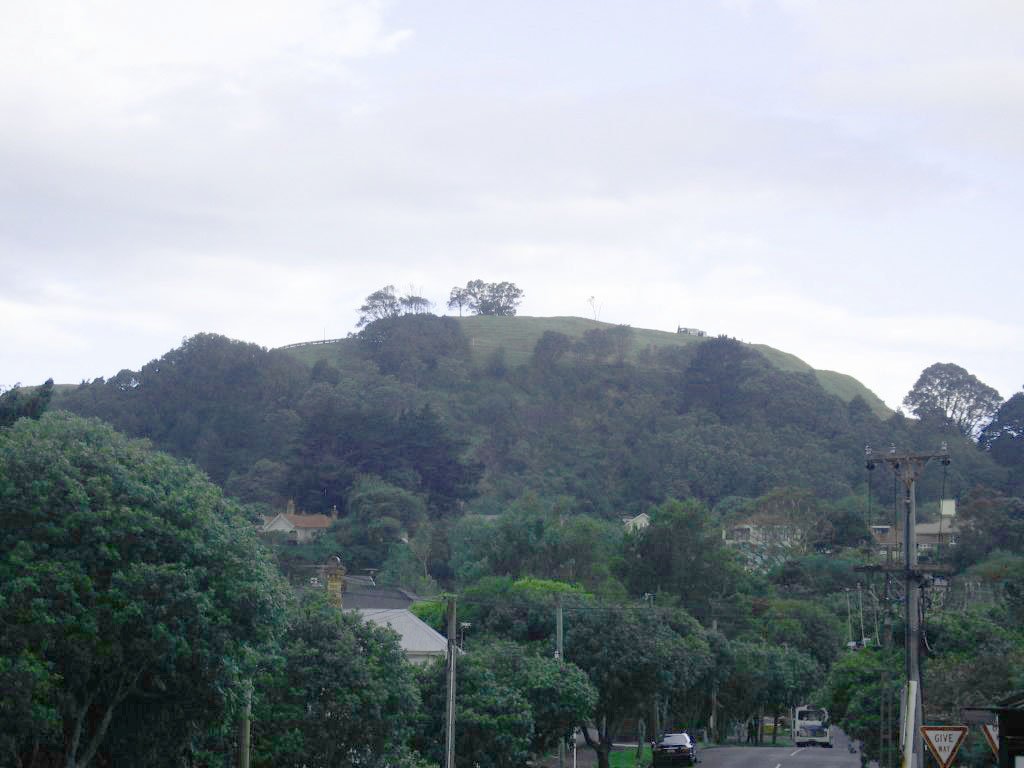
Maungawhau means “mountain of the whau tree.” It is a revered Tūpuna Maunga for Māori, recognized as a wāhi tapu (sacred site) with deep ancestral and spiritual value. Historically, it was a major pā (fortified village), with terraced slopes and food storage pits (rua) engineered for community life, defense, and agriculture. The crater, known as Te Ipu Kai a Mataaho, is considered tapu and is associated with the deity Mataaho, believed to reside within and guard the secrets of the earth (maunga.nz; exploreauckland.nz; atlasobscura.com).
Co-governed by the Tūpuna Maunga Authority—a partnership between Auckland Council and mana whenua—the mountain's management prioritizes kaitiakitanga (guardianship), ecological restoration, and the protection of cultural heritage (AucklandNZ.com; Landscape Architecture Aotearoa).
Cultural Protocols for Visitors
- Remain on designated paths and boardwalks to protect archaeological and spiritually sensitive areas.
- Refrain from entering the crater or removing natural materials.
- Respect quiet reflection at the summit and avoid eating or drinking in sacred areas.
- Observe all posted guidelines and participate in conservation where possible.
Maungawhau is also part of Auckland’s UNESCO World Heritage aspirations, reflecting its importance in both local and global contexts (Landscape Architecture Aotearoa).
Geological Features and Archaeology
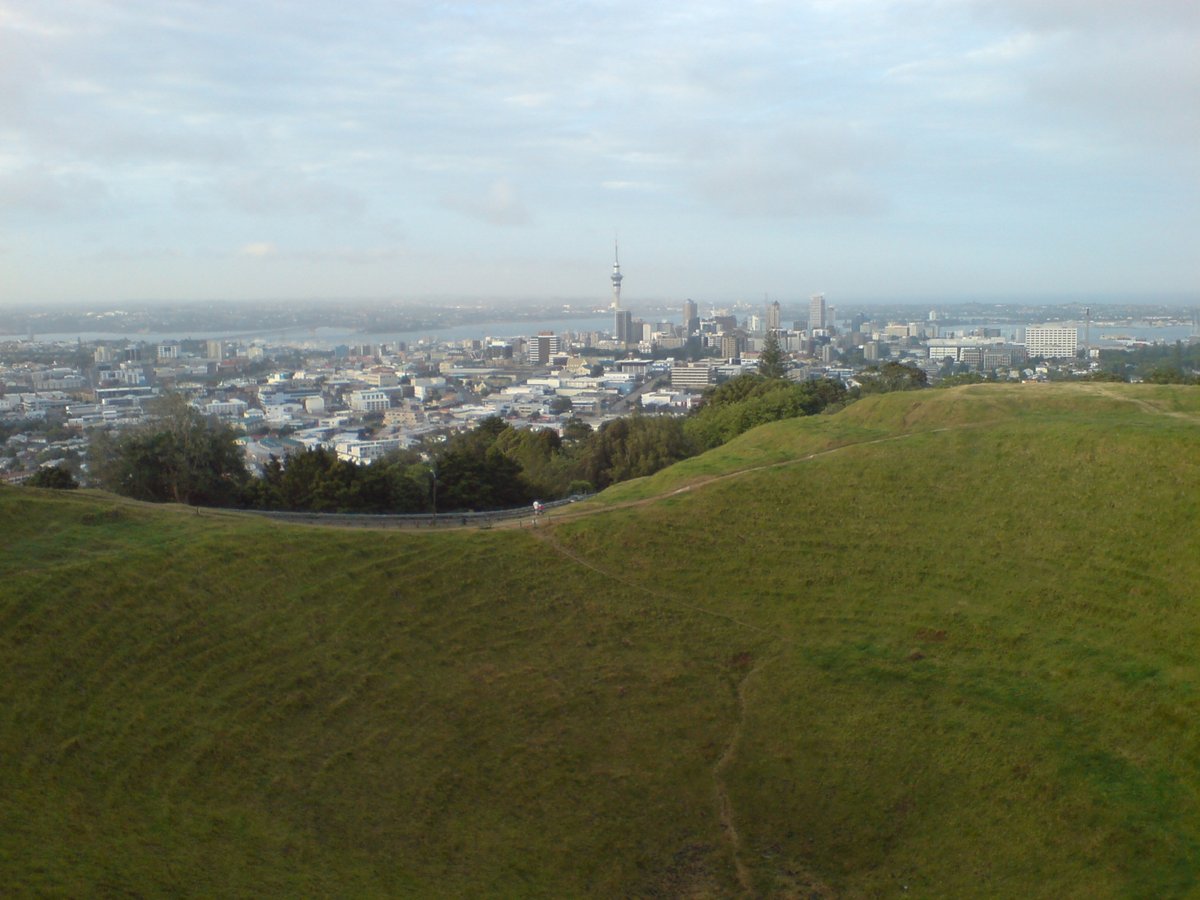
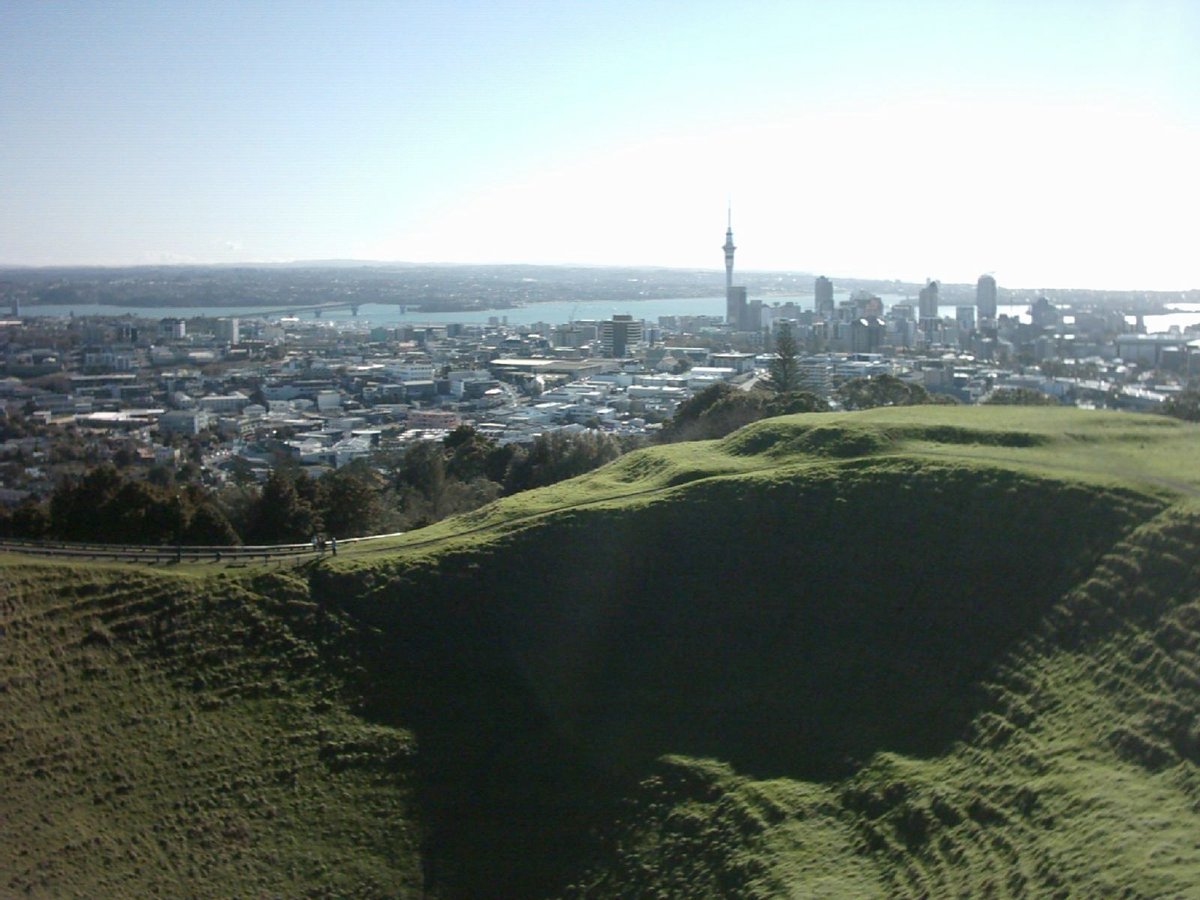
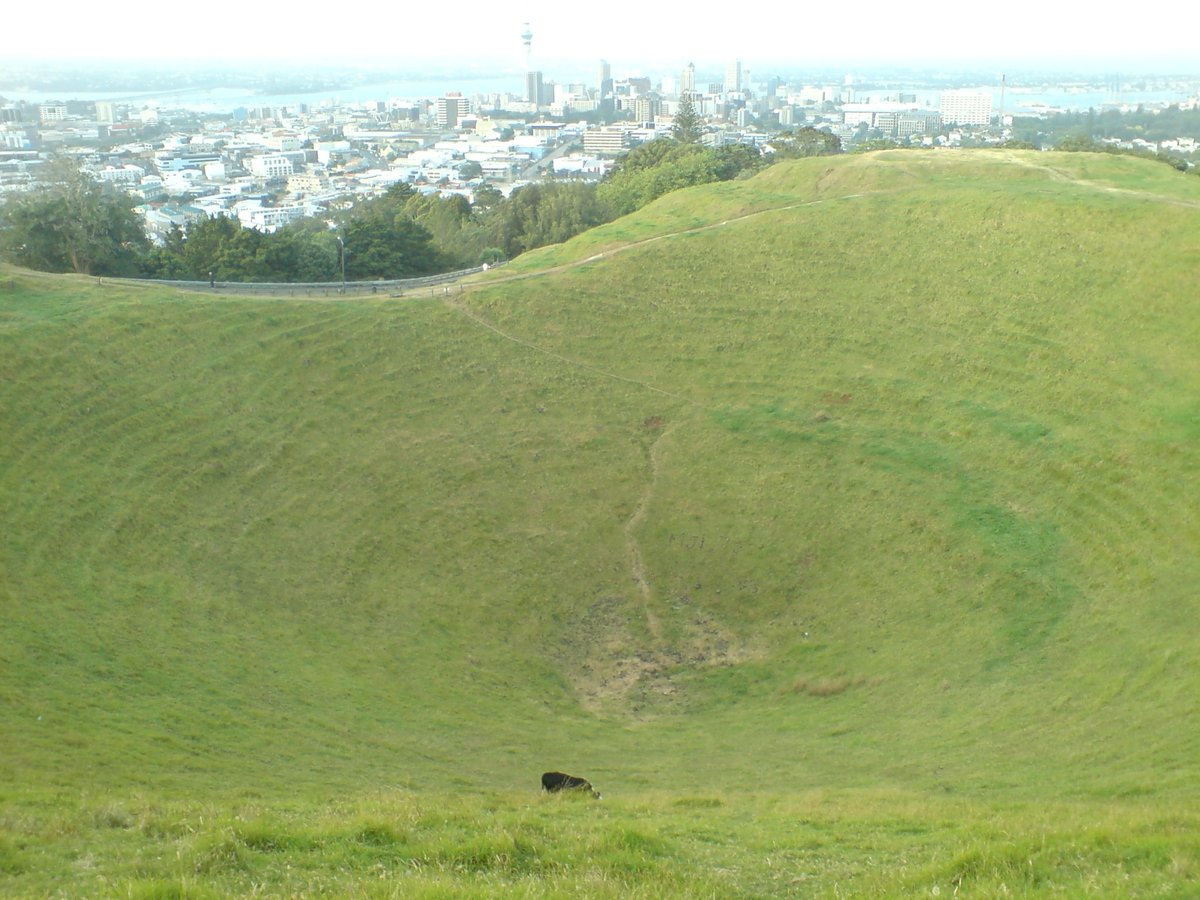
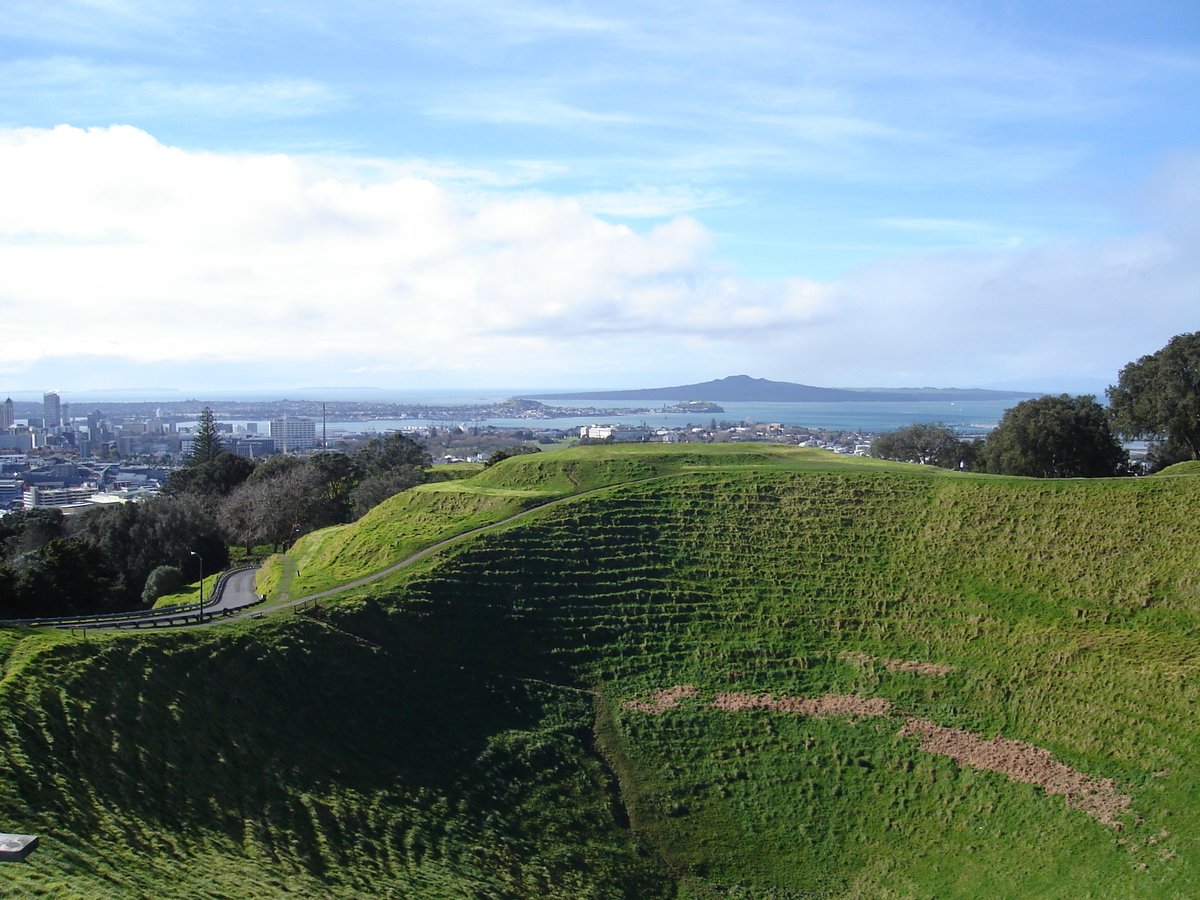
Maungawhau is a classic scoria cone volcano, formed by eruptions between 28,000 and 15,000 years ago. Its distinctive bowl-shaped crater is 50 meters deep and 180 meters wide, formed from overlapping eruptive cones (maunga.nz; geoteachers.nz). The fertile volcanic soils sustained extensive Māori gardens, and terraces and kūmara pits remain visible on the slopes.
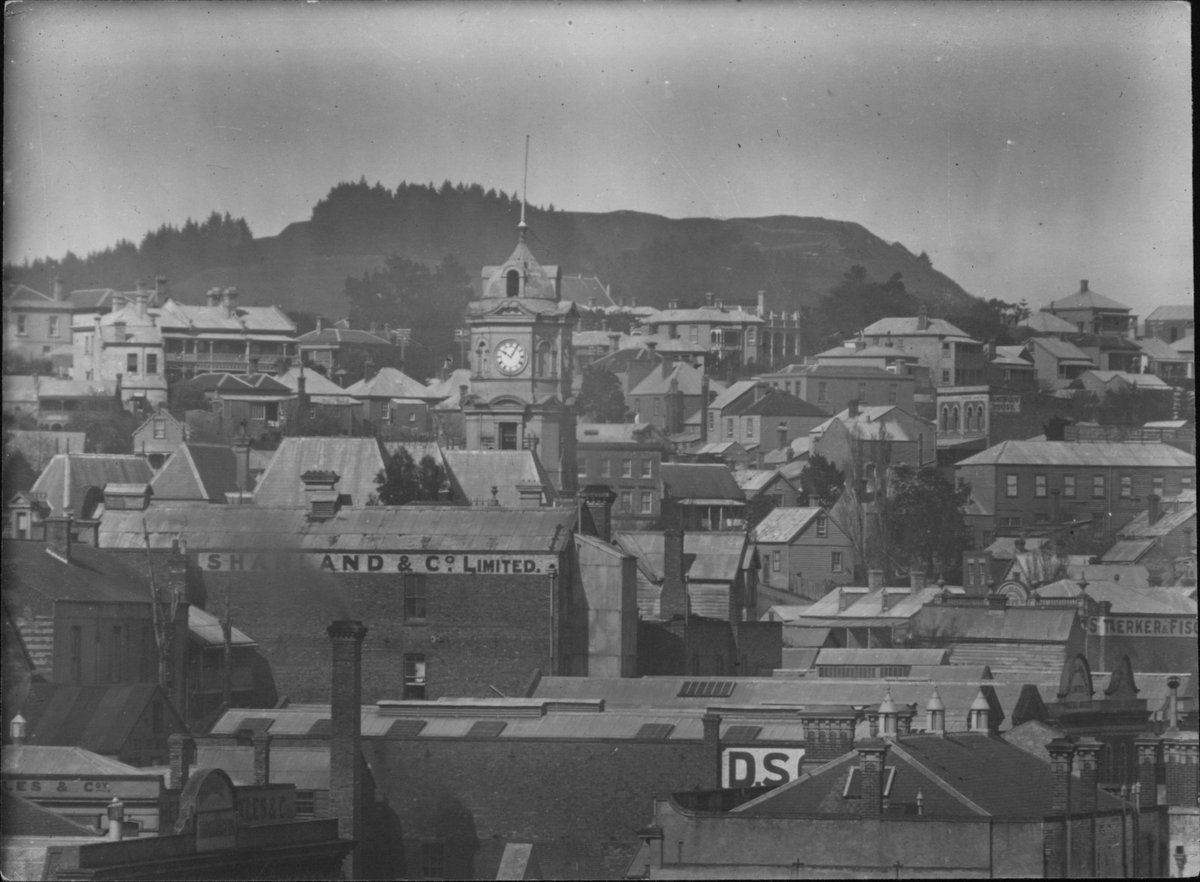
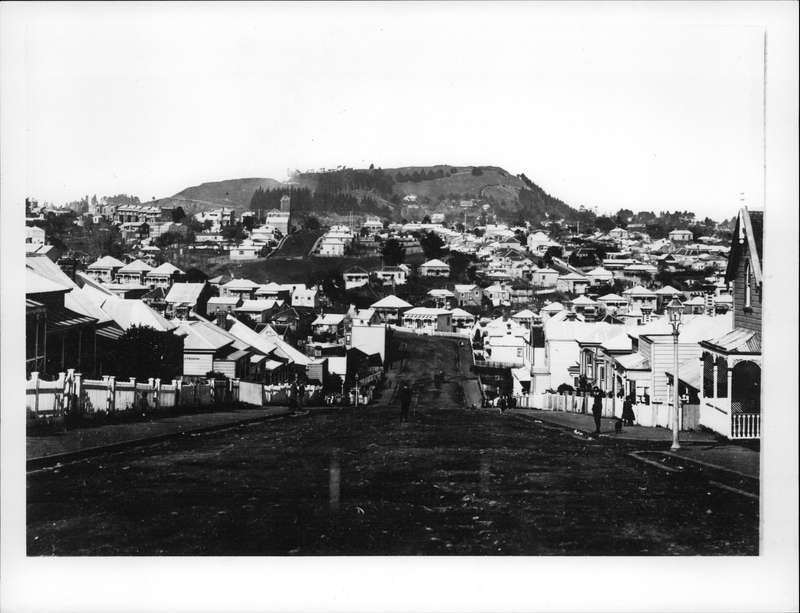
Despite historic quarrying, reservoir construction, and European infrastructure changes, Maungawhau retains some of Auckland's best-preserved archaeological features. Ongoing restoration projects focus on conserving both the landscape and archaeological heritage (discoverwalks.com).
Visiting Hours, Tickets, and Accessibility
- Hours Open daily from 6:00 AM to 8:00 PM (hours may vary seasonally; check official sites for updates) (Auckland Council).
- Tickets Entry is free; no tickets required. Donations are appreciated to support conservation.
- Accessibility Accessible paths are available around the base, but the summit and terraces involve steep slopes not fully suitable for wheelchairs. Contact the Visitor Experience Centre for detailed accessibility information.
Getting to Maungawhau / Mount Eden
By Car
Located about 5 km south of Auckland’s city center, Maungawhau is easily reached via Dominion Rd/Rte 4. Parking is available in Mt Eden Village and surrounding streets, with a mix of free and paid options (time limits apply). Summit vehicle access is restricted to visitors with limited mobility (Mount Eden Village).
By Public Transport
- Bus Frequent buses (27H, 27T, 27W, 64) connect the city center to Mt Eden Village (stop 8510). Consult Auckland Transport for the latest schedules.
- Train The Maungawhau Train Station is closed for upgrades until 2026; use bus alternatives for the time being.
By Foot or Bicycle
Maungawhau is a 45–65 minute walk (4.5–5.4 km) from the city center. Bicycle stands are available throughout Mt Eden Village (Thrillophilia).
On-Site Facilities and Amenities
- Visitor Experience Centre Offers interactive displays, guided walks, and educational materials. Located near the upper car park, next to Whau Café (Wanderlog).
- Whau Café Historic building serving refreshments, snacks, and real fruit ice cream (TripTins).
- Restrooms Available near the Whau Café and at Puhi Huia Road roundabout.
- Picnic Areas Benches and grassy areas around the summit and crater rim.
- Walking Trails Multiple tracks of varying difficulty, including a 2.1 km loop trail.
- Interpretive Signage Panels detail Māori history, volcanic activity, and ecological features.
Responsible Visiting and Conservation
Visitors are urged to respect the tapu status of the crater and archaeological features by staying on marked trails and not entering the crater. Littering, noise, and removal of natural or cultural materials are strictly prohibited. Dogs must be on leash; drones are restricted (Explore Auckland).
The Tūpuna Maunga Authority, in partnership with mana whenua, leads ecological restoration, including native reforestation and habitat protection. Community volunteer days and educational programs foster stewardship and cultural awareness.
Guided Tours and Community Activities
Guided heritage walks and cultural tours are offered periodically by local iwi and community groups, providing deep insights into Maungawhau’s history and significance. Regular events, restoration days, and educational activities are listed on the Tūpuna Maunga Authority and Mount Eden Village websites (Albom Adventures).
Local Attractions and Trails
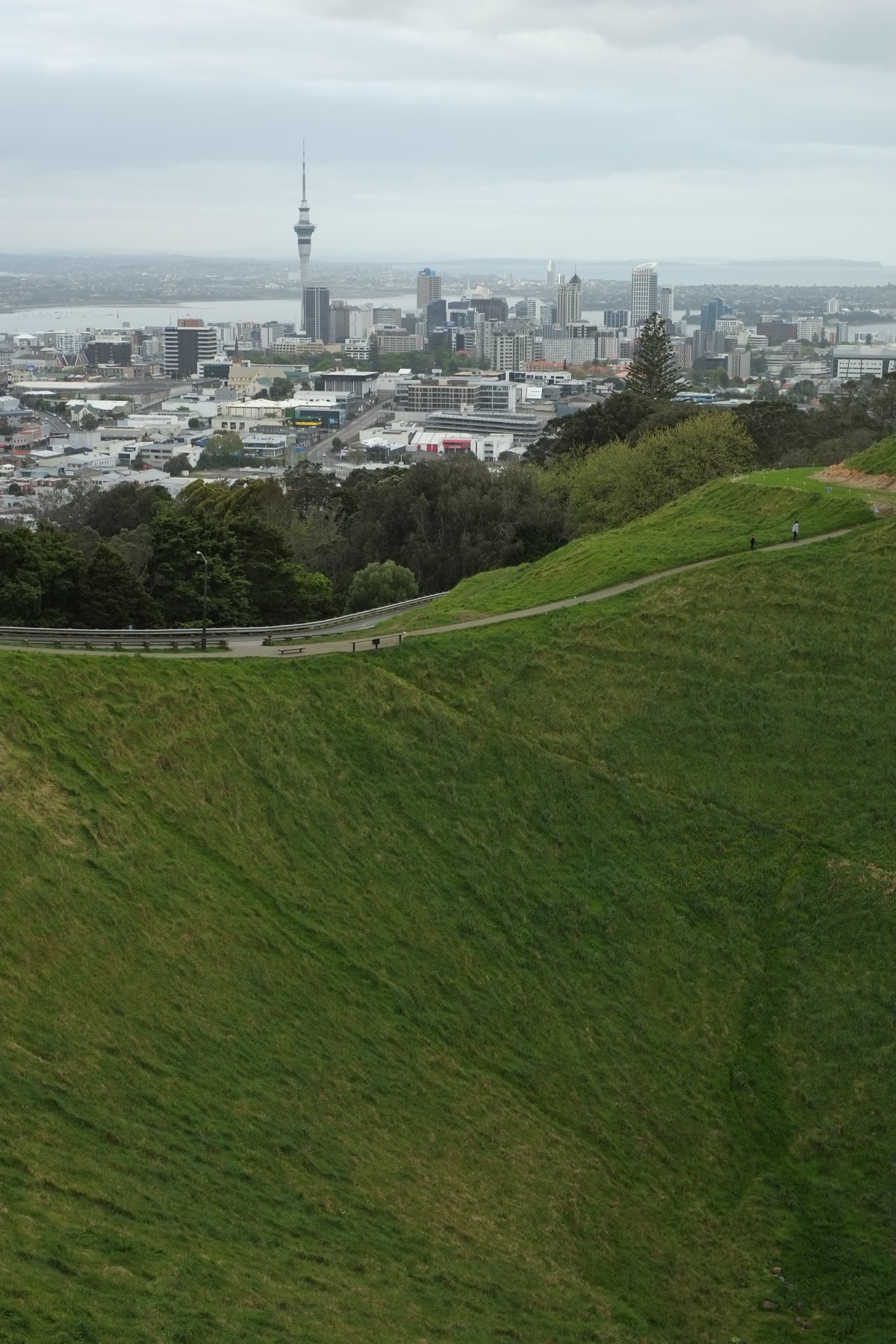
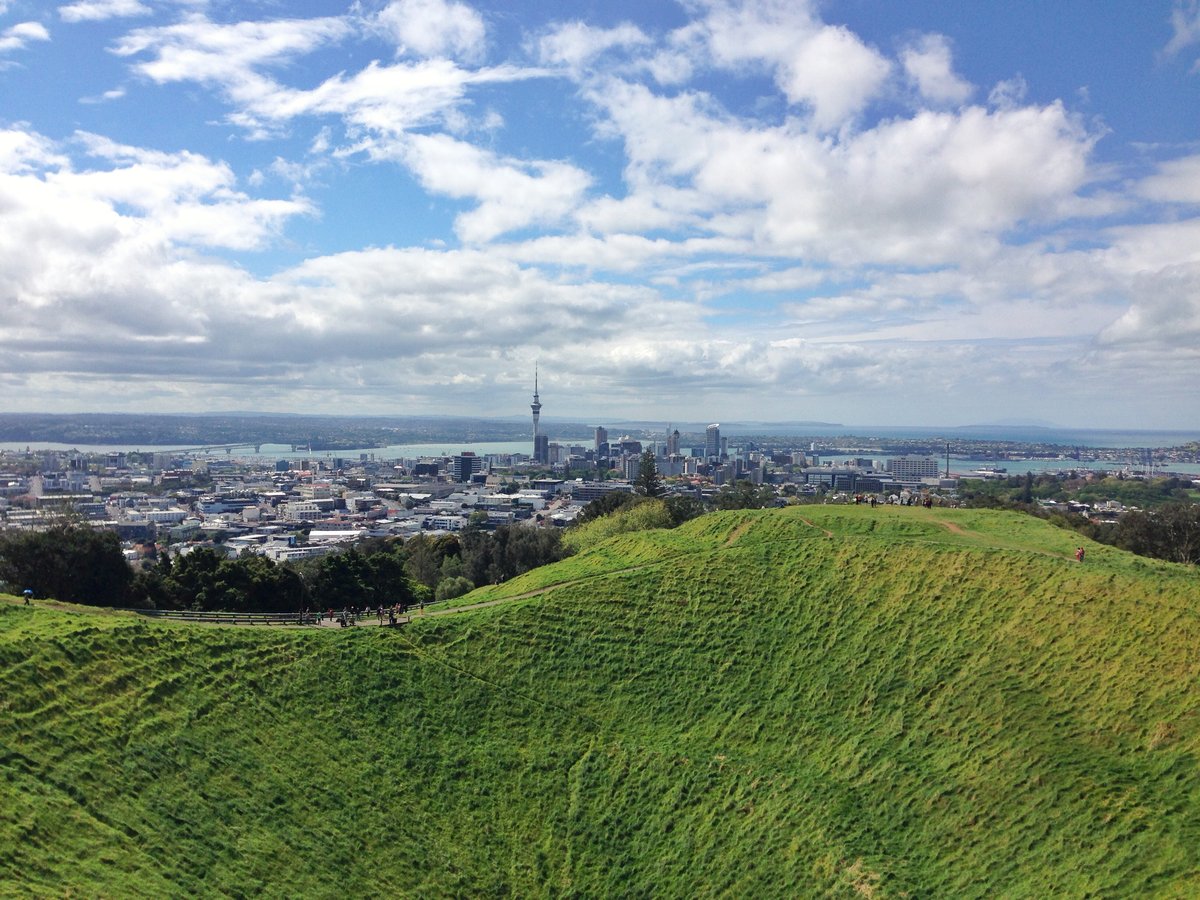
- Summit and Crater Rim Boardwalk Safe, accessible route with panoramic city views and interpretive signage.
- Mount Eden Village A vibrant suburb with cafes, shops, and restaurants.
- Parks and Playgrounds Tahaki Reserve, Normanby Road Playground, Oliver Nicholson Park, and Windmill Park offer family-friendly amenities (Explore Auckland).
- Coast to Coast Walkway Maungawhau is part of this 16 km walking route linking Auckland’s volcanic cones and harbors.
Frequently Asked Questions (FAQ)
Q: What are the visiting hours for Maungawhau / Mount Eden?
A: Daily from 6:00 AM to 8:00 PM (check for seasonal changes).
Q: Is there an entrance fee?
A: No, entry is free.
Q: Are guided tours available?
A: Yes, through the Visitor Experience Centre and local operators.
Q: Is the summit wheelchair accessible?
A: The summit has steep, uneven paths, but accessible routes reach some viewpoints at the base.
Q: Can I drive to the summit?
A: No, except for visitors with mobility permits.
Q: Are pets allowed?
A: Yes, but dogs must be on a leash.
Q: Are there restrooms and a café?
A: Yes, near the upper car park and Whau Café.
Practical Tips for Visitors
- Best Time to Visit Early morning or late afternoon for cooler temperatures and stunning views.
- What to Bring Comfortable shoes, water, sun protection, and a camera.
- Weather Auckland weather is changeable; bring a light jacket.
- Duration Allow 1–2 hours for a relaxed visit.
- Safety Paths can be slippery after rain; stay on marked trails.
Discover More
Maungawhau / Mount Eden is a unique convergence of cultural heritage, geological wonder, and community stewardship. Its open access, free entry, and well-maintained trails invite exploration and reflection. Visitors are encouraged to engage respectfully with the site, participate in guided tours, and learn about its rich Māori heritage and volcanic origins. For audio guides, updates, and exclusive insights, download the Audiala app and follow official social channels. Plan your visit thoughtfully to help protect and honor this remarkable Auckland historical site for future generations.