
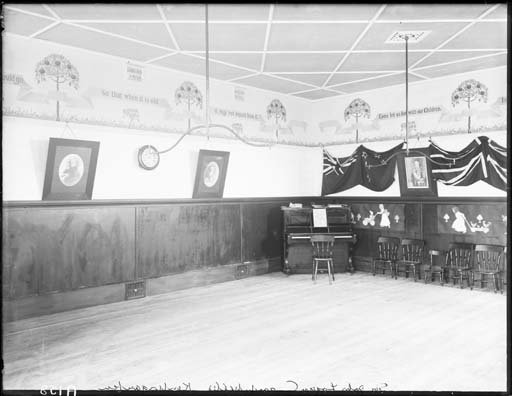
Founding Vision and Legacy
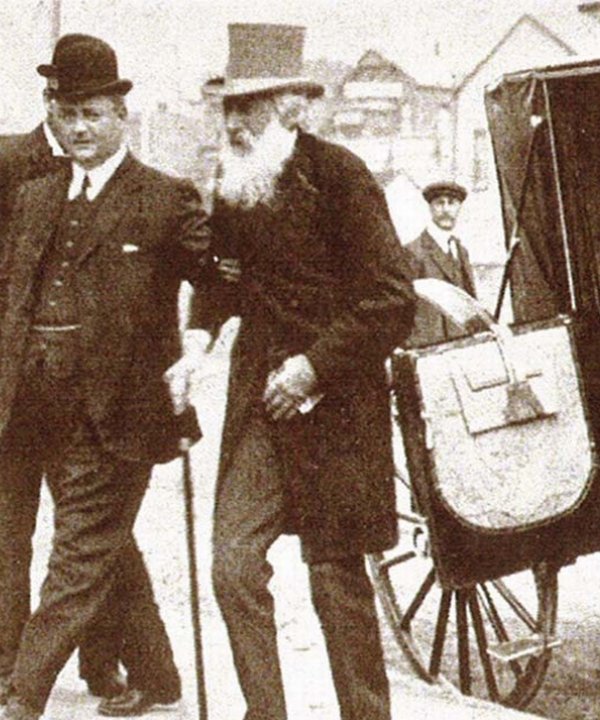
The Campbell Free Kindergarten was established in 1910 through the generosity of Sir John Logan Campbell, with a vision to offer free early childhood education to children from less privileged backgrounds (Heritage New Zealand). Situated in the then-impoverished Freemans Bay, the kindergarten sought to address pressing social challenges by providing structured, play-based learning. Inspired by Friedrich Froebel’s educational philosophies, the institution emphasized health, hygiene, creativity, and inclusivity, setting a precedent for similar initiatives nationwide (NZHistory).
Architectural Features and Restoration
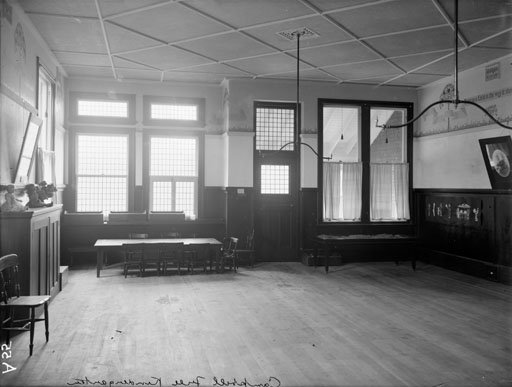
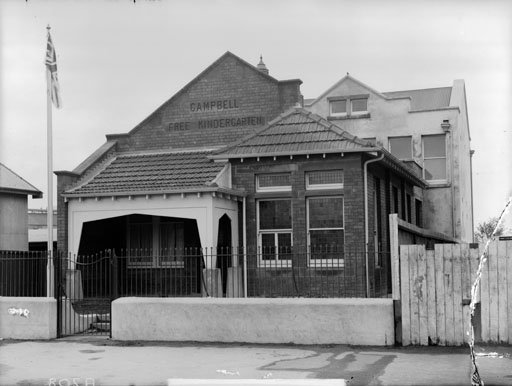
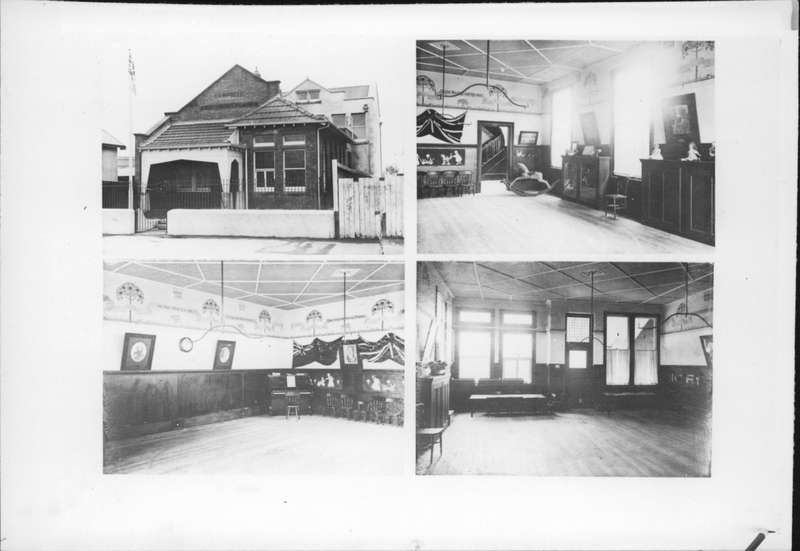
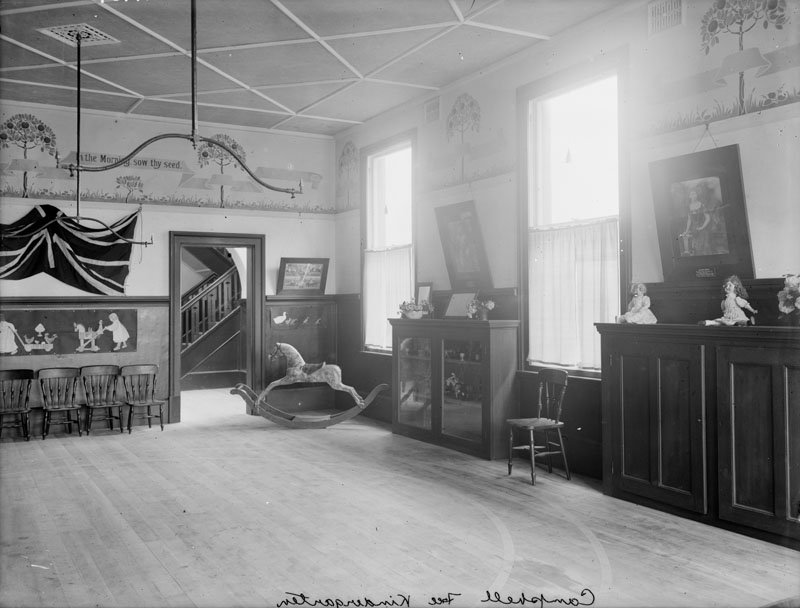
Designed by Grierson, Aimer & Draffin, the building exemplifies Edwardian Baroque architecture, featuring a symmetrical façade, ornate brick and stucco detailing, large sash windows, and a hipped roof. Interior spaces, such as the spacious classrooms and covered verandas, were intended to maximize natural light and ventilation for children’s wellbeing (NZ Herald).
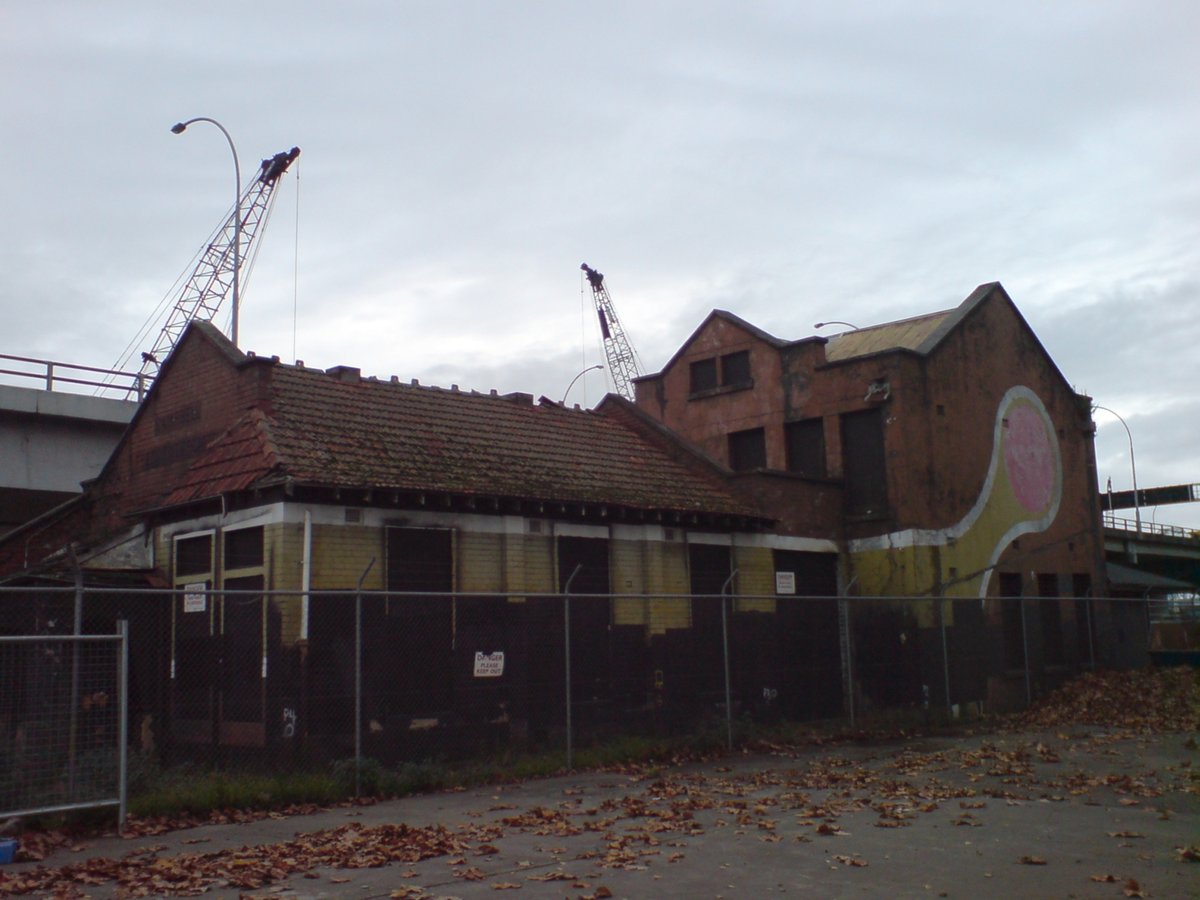
After decades of use and subsequent neglect, including fire damage in the 1980s, the building underwent extensive restoration. A partnership between Auckland City Council and the New Zealand Transport Agency (NZTA) as part of the Victoria Park Tunnel project led to seismic strengthening, faithful architectural restoration, and adaptive reuse, all in accordance with Heritage New Zealand’s strict guidelines (NZTA Restoration Announcement). Restoration efforts revived original details, such as banisters, grills, and historical paint colours, using period photographs and paint analysis.
Social and Educational Impact
The Campbell Free Kindergarten quickly became a model for early childhood education in New Zealand. It provided free structured learning and socialization for children, especially those from working-class families, and contributed to the professionalization of early childhood education nationwide. Beyond its educational mission, the kindergarten has served as a community center, supporting local families, hosting health clinics, and offering inclusive programming (Auckland Kindergarten Association; NZHistory).
Visitor Information
Visiting Hours
The Campbell Free Kindergarten is not open for daily casual visits. Public access is available during:
- Scheduled open days
- Community events
- Special exhibitions
For up-to-date information on opening times, check event listings with the Circability Trust or the Auckland Council website.
Ticketing and Admission
- General Admission Free of charge during open days and most public events, reflecting the site’s educational heritage.
- Special Events/Workshops Some activities may require booking or a nominal fee. Confirm details with the event organizer.
Accessibility
- Mobility Access The building has been upgraded with ramps and accessible restrooms, though some heritage constraints may remain.
- Assistance Visitors with specific needs are encouraged to contact the site manager or Auckland Council ahead of time.
Guided Tours and Community Events
- Guided Tours Available by appointment and during heritage festivals.
- Community Use The building hosts arts workshops, inclusive circus activities (via Circability Trust), and heritage-focused events (Circability Trust).
- Hire Community groups can book the facility for meetings, workshops, or cultural gatherings.
Directions and Nearby Attractions
- Location Victoria Park, at the intersection of Victoria Park Road and Franklin Road, Auckland Central.
- Transport Accessible by bus (Victoria Street West, Franklin Road) and train. Limited parking is available nearby.
- Nearby Sites
- Victoria Park Market
- Rob Roy Hotel (The Birdcage Tavern)
- Sky Tower
- Auckland Art Gallery Toi o Tāmaki
Practical Visitor Tips
- Plan Ahead Confirm open days and event times before visiting.
- Combine Experiences Explore other heritage sites nearby for a comprehensive heritage walk.
- Weather Auckland weather can be changeable; bring appropriate clothing (NZ Pocket Guide).
- Biosecurity Clean shoes to prevent pest spread if coming from rural areas (Albom Adventures).
- Respect the Site Avoid touching delicate surfaces; follow on-site guidelines for photography and movement.
Community Role and Preservation
The restoration of the Campbell Free Kindergarten was achieved through a successful collaboration between Auckland Council, NZTA, and heritage advocates. The adaptive reuse of the building now supports inclusive community programs run by the Circability Trust, continuing the original mission of education and social engagement (City Vision). The building remains a protected Category 1 Historic Place, with maintenance overseen by Auckland Council and Heritage New Zealand (Heritage New Zealand).
Frequently Asked Questions (FAQ)
Q: What are the Campbell Free Kindergarten’s visiting hours?
A: The building is open during scheduled open days and community events. Confirm dates with the Circability Trust or Auckland Council.
Q: Is there a ticket or entry fee?
A: Entry is generally free. Some special events or workshops may require registration or a small fee.
Q: Is the site wheelchair accessible?
A: Yes, with some limitations due to heritage constraints. Contact ahead for detailed access information.
Q: Can I take photos inside?
A: Photography is allowed, but please be respectful during events and avoid touching heritage features.
Q: Are guided tours available?
A: Yes, by appointment and during heritage events or festivals.