Early Foundations and Site Selection
The origins of Monterrey Cathedral are closely linked to the city’s founding in 1596 by Don Diego de Montemayor, who designated the site for the future cathedral (Programadestinosmexico.com). The actual construction began decades later, a reflection of the gradual growth and resource constraints in northern New Spain.
Construction Timeline and Architectural Evolution
- Construction Start Around 1705, with work continuing for nearly a century.
- Main Structure Completed 1791, with final additions up to 1899 (Wikipedia).
- Architectural Styles The exterior exhibits Baroque flourishes—ornate stonework, angel medallions, and Franciscan emblems—while the interior embraces Neoclassical restraint, with a Latin-cross nave, arched vaults, and an octagonal dome (Programadestinosmexico.com; Wikipedia).
- Notable Features The three-story bell tower, clock tower, frescoes by Ángel Zárraga, high-relief silver medallions, and the historic Merklin organ (installed in 1893, now out of service) are among its key artistic and architectural highlights (WideWorldTrips.com).
Architectural Highlights
- Façade A striking blend of Baroque and Neoclassical design, with intricate carvings, pilasters, and religious iconography (GoTravelTipster).
- Bell Towers Twin towers with decorative arches, one housing a prominent clock (CitySeeker).
- Interior Features a Latin cross plan, vaulted ceilings, and an octagonal dome. Chapels along the nave are dedicated to various saints, adorned with paintings and stained glass.
- Main Altar and Art The altar is gilded, with sculpted saints and floral motifs. Side chapels display colonial-era artwork and statues, including works by Ángel Zárraga (PlanetWare).
- Materials Built primarily from local stone, with stucco and plaster finishes, the cathedral is designed for durability and grandeur (GoTravelTipster).
Religious and Cultural Significance
- Elevation to Cathedral Status In 1777, it became the seat of the bishop with the creation of the Diocese of Linares (Wikipedia).
- Center of Catholic Life The cathedral hosts major liturgical celebrations such as Holy Week, Christmas, and the feast of Our Lady of Monterrey, drawing thousands of worshippers (Worldwideyedwes.com).
- Community Role Beyond religious services, the cathedral serves as a venue for cultural events, concerts, and civic gatherings, reinforcing its place in Monterrey’s public life (Trek.zone; Evendo.com).
Visiting Information
Location and Accessibility
- Address Juan Zuazua 1100, Centro, 64000 Monterrey, Nuevo León, Mexico.
- Access Centrally located adjacent to the Macroplaza. Easily accessible by foot, public transportation (Zaragoza Metro Station, Line 2), and car; public parking nearby (PlanetWare).
Visiting Hours
- Monday to Saturday 8:00 AM – 7:00 PM
- Sunday 8:00 AM – 2:00 PM
- Note Hours may change during religious holidays or special events. Check official cathedral channels or local tourism websites for updates.
Tickets and Entry
- Admission Free. Donations are appreciated to support maintenance (PlanetWare).
- Guided Tours Regular tours available in Spanish and English; local tour companies often include the cathedral in city tours.
Accessibility
- Wheelchair Access Ramps at the main entrance, wide aisles, and accessible seating.
- Restrooms Not available inside, but accessible facilities are nearby in the Macroplaza area.
Visitor Tips
- Best Times Early mornings and late afternoons for tranquility.
- Dress Code Modest attire required; shoulders and knees covered.
- Photography Allowed, but avoid flash and be discreet during services.
- Safety The downtown area is generally safe during daylight; remain mindful of your belongings.
Facilities
- Shops Souvenir and religious goods stores nearby.
- Dining Numerous cafés and restaurants in the vicinity (Mexico Dave).
Nearby Attractions
- Macroplaza Expansive main square with gardens and monuments.
- MARCO (Museo de Arte Contemporáneo) Leading contemporary art museum.
- Metropolitan Museum of Monterrey Housed in a historic palace with exhibits on local history (PlanetWare).
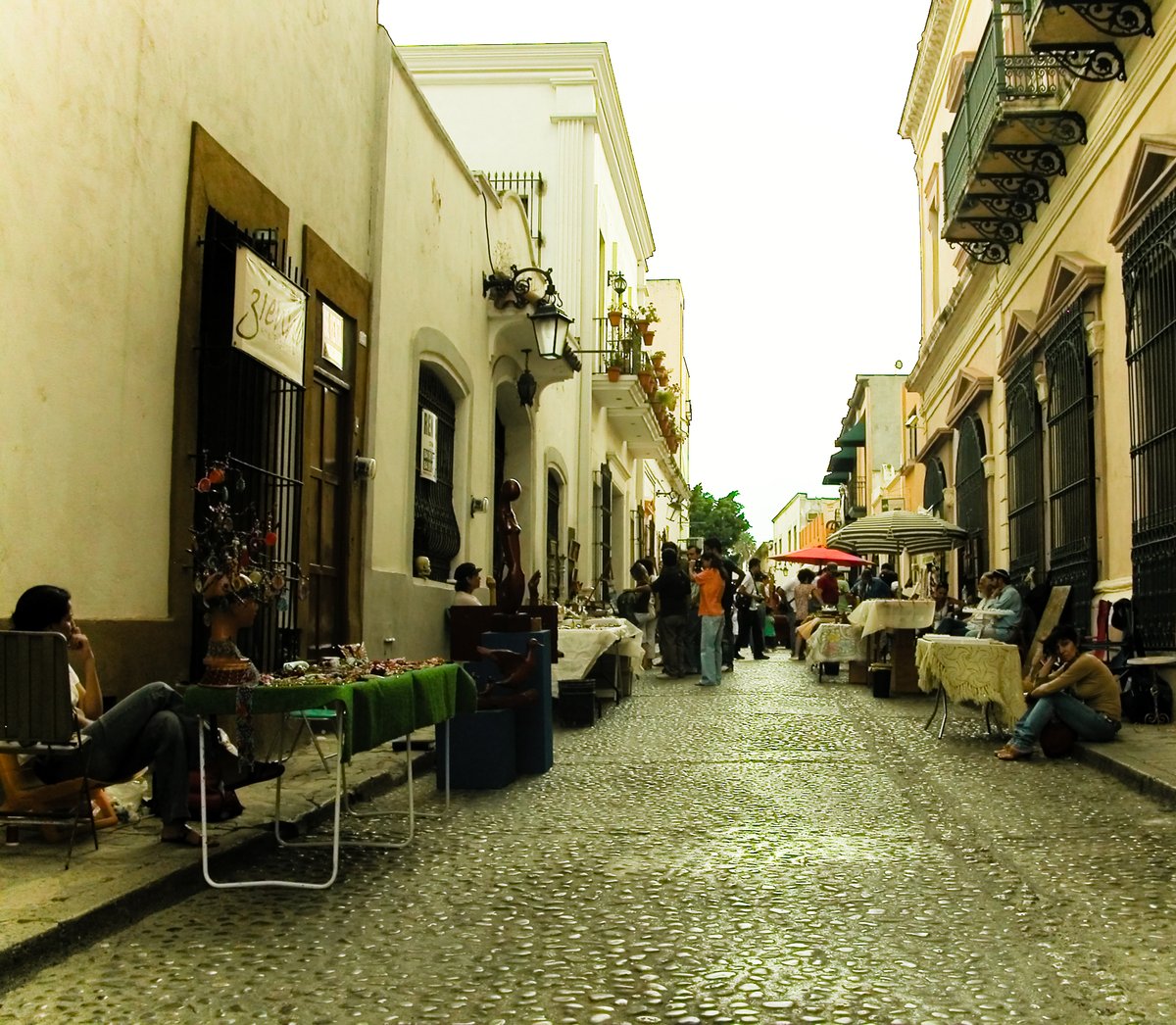
- Barrio Antiguo Vibrant old quarter with galleries, nightlife, and colorful architecture (Mexico Dave).
Suggested Itinerary: Morning at the cathedral, stroll through Macroplaza, lunch in Barrio Antiguo, afternoon at MARCO or the Metropolitan Museum.
Special Events and Festivals
- Holy Week (Semana Santa) Processions and special masses.
- Feast of Our Lady of Monterrey (August 15) Patronal festival.
- Christmas and Easter Elaborate liturgies and decorations.
Events attract large crowds and offer unique insights into local traditions.
Frequently Asked Questions (FAQ)
Q: What are the Monterrey Cathedral visiting hours?
A: Typically Monday to Saturday from 8:00 AM to 7:00 PM and Sunday from 8:00 AM to 2:00 PM.
Q: Is there an entry fee or ticket required?
A: Admission is free; donations welcome.
Q: Are guided tours available?
A: Yes, in Spanish and English via local tour companies.
Q: Is the cathedral wheelchair accessible?
A: Yes, with ramp access and mostly level interiors.
Q: Can I take photographs inside?
A: Photography is permitted, but flash and loud noises should be avoided.
Q: Are there virtual tours?
A: No official virtual tour, but local cultural sites may offer digital resources.
Key Dates and Figures
- 1596 Site designated by Don Diego de Montemayor (Programadestinosmexico.com)
- 1705 Construction begins (Wikipedia)
- 1777 Elevated to cathedral status (Wikipedia)
- 1791 Main construction completed (Monterreysecreto.com)
- 1893 Merklin organ installed (Wikipedia)
- 1899 Final elements finished (Programadestinosmexico.com)
- 1940s Frescoes by Ángel Zárraga (Programadestinosmexico.com)
Practical Tips for Visitors
- Arrive early for a quieter experience and better photography conditions.
- Dress modestly and remain respectful of worshippers.
- Combine your visit with a tour of the Macroplaza and nearby museums.
- Use a translation app or learn basic Spanish phrases for ease of communication.