



Place
Mexico Updated Apr 2026
The first thing that hits you in Monterrey, Mexico, is the smell of mesquite smoke curling above the sidewalk at dawn—pit-masters firing up the city’s 3 a.m. cabrito rotisseries while the limestone face of Cerro de la Silla glows pink behind them. Steel mills hum on the horizon, but inside a 19th-century palace downtown, a Legorreta-designed art museum throws hot-pink shadows across a courtyard where schoolkids chase pigeons. This is the country’s industrial engine room, yet you can breakfast on dried-beef machacado, catch a boat down a 2.5-km downtown canal, and be hiking pine-oak forest at 2,000 m by lunchtime.
 Photo: Nathaniel C. Sheetz · CC BY-SA 3.0
Built from cited sources · see the method · How we make our guides →
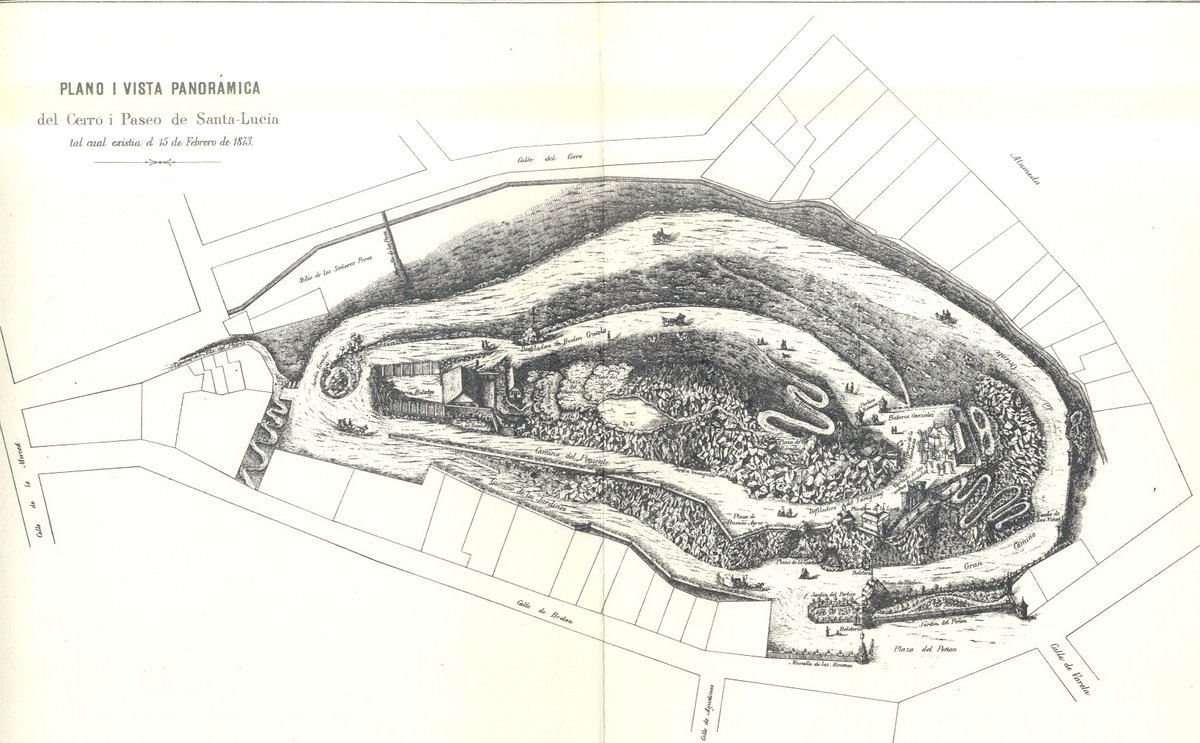
Monterrey’s identity is welded, literally, from contradiction. A 1903 blast furnace—Horno 3—now explains quantum physics to teenagers; the Santa Lucía riverwalk, inaugurated 2007, re-routes an entire Río Santa Catarina tributary so you can kayak to a history museum. In the Barrio Antiguo, 18th-century adobe hides speakeasy mezcalerías where bands tune up at midnight, while next door the Macroplaza’s 70-hectare slab of pink marble hosts both protest marches and open-air opera.
Locals call themselves regios; they measure distance in minutes, not kilometers, and treat weekends as a movable feast of carne asada that starts with flour tortillas hot off the comal and ends with 2 a.m. tacos de trompo under neon crowns of the Arco de la Independencia. Come for the goat, stay for the grit-to-glass alchemy of a city that never bothered to wait for the future—it built it, smoked it, and served it with salsa.
Not every monument, just the ones we'd walk you past ourselves.


Where to wander, by quarter — each with its own rhythm.
Before you go
Curated from places in this city. Same price as official sites.


Prices shown are indicative — final pricing and availability are confirmed at checkout. Audiala may receive a commission from bookings made via these links.
From flood-prone frontier town to Mexico’s industrial capital
Alberto del Canto rides into the valley and plants the improvised settlement of Santa Lucía beside the crystal-clear springs. His 30-odd companions throw up mud-and-stick huts at the foot of the eastern sierra, unaware that floods will erase their work within a generation.
Diego de Montemayor re-founds the town for the third and final time, naming it Ciudad Metropolitana de Nuestra Señora de Monterrey. Thirty-four settlers watch as he traces the plaza and allots house plots on higher ground after two earlier failures.
A wall of water races down the Santa Catarina canyon, washing away the original barrio beside the springs. Survivors relocate the town core to today’s Plaza Zaragoza; the memory of the deluge shapes Monterrey’s street grid for centuries.
Born in Monterrey, the fiery Dominican will grow up to denounce Spanish rule from the pulpits of Mexico City. His sermons earn him exile and prison, but his printed attacks on monarchy make him the city’s first literary rebel.
Bishop Rafael Verger commissions a stone palace on the bald hill west of town. Completed two years later, the baroque fortress becomes both residence and lookout, its chapel bells audible across the dusty grid of adobe houses below.
With independence won, Nuevo León joins the Mexican federation and Monterrey becomes state capital. The old cabildo room is repainted green-white-red; regional merchants reroute mule trains through the plaza, swelling market tents overnight.
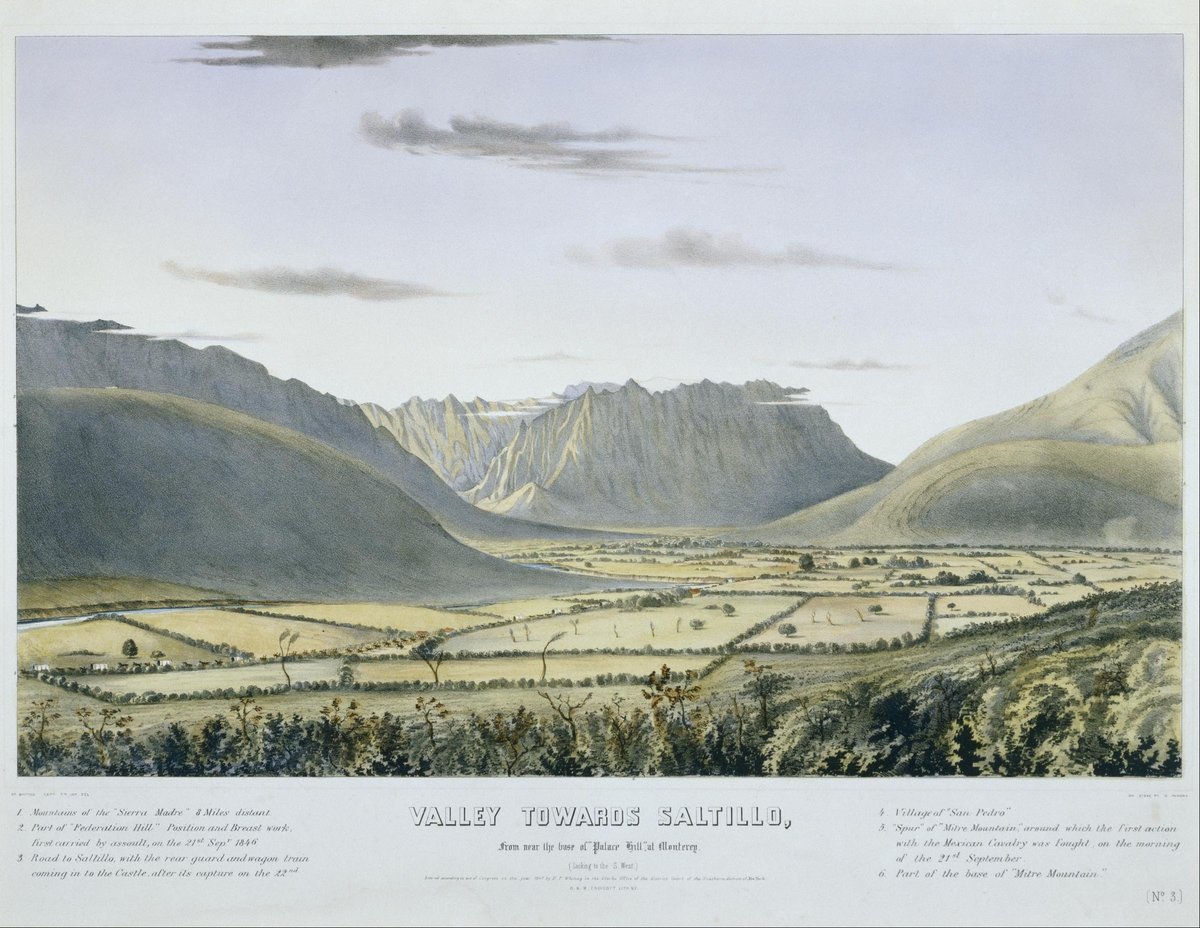
Zachary Taylor’s 6,000-man army shells the city for three days. Mexican defenders hole up behind the Obispado’s walls; U.S. troops finally storm the barricades on 24 September. The Stars and Stripes fly over the plaza for eight months, the first foreign occupation in Monterrey’s history.
Benito Juárez rolls into town with his cabinet and installs the republican government in the old Jesuit college. For four months telegraph wires click from Monterrey to loyal northern states until French-imperial troops force another hurried evacuation.
The first locomotive from Laredo whistles into the new depot, pulling boxcars of machinery and beer barley. Track-laying crews camp beside the tracks; within a decade freight yards replace cornfields and the city’s horizon starts to smell of coal smoke.
Steam rises from copper kettles as Cervecería Cuauhtémoc produces its first amber lager. Company doctors vaccinate workers’ children; the brick brewery village soon sports its own school, chapel, and baseball diamond—Monterrey’s first industrial paternalism.
On 7 February 1903 the first molten iron spills from Fundidora de Fierro y Acero’s No. 1 furnace—Latin America’s first integrated steel plant. Night shift workers shade their eyes from the white-hot glare that will define Monterrey’s identity for the next 86 years.
A cyclone parks over the Sierra and sends the Santa Catarina crashing through barrios. Contemporary counts speak of 3,000 dead; coffins line the plaza as the river carries away entire neighborhoods. The disaster spawns the city’s first serious drainage works.
Born on Calle de la Palma, the quiet boy devours his father’s library and grows into Mexico’s most refined essayist. His childhood streets of horse-drawn trams and jacarandas reappear in luminous prose that teaches the nation to see beauty in the north.
Constitutionalist fighters swarm through Barrio Antiguo after a week of artillery duels. Federal prisoners march past the cathedral; Carrancista governor Antonio I. Villarreal promises workers an eight-hour day—promises that will echo in the steel mills for decades.
Born into a brewing dynasty, he will turn family profits into schools and scholarships. In 1943 he founds Tecnológico de Monterrey, planting the seed that grows into Mexico’s MIT and reshapes the city’s intellectual skyline.
Seventy-eight students file into a new brick campus funded by Garza Sada and fellow industrialists. Laboratories overlook the Sierra; the motto ‘Espíritu de Servicio’ is carved above the door—an elite engineered by businessmen, not generals.
The hilltop palace sheds its dust and opens as Museo Regional. Schoolchildren climb the ramparts to see Juárez’s camp bed and Taylor’s cannonballs—history repurposed for a city that now looks forward, not backward.
The final ladle of steel pours on 9 May; 3,000 workers clock out for good. Sirens echo across the empty bays, but the ovens cool into monuments rather than scrap—public pressure will save the site for reinvention.
State decree expropriates the derelict steelworks. Architects keep the blast furnaces, add lakes and bike paths, and christen it Parque Fundidora. Children who once sneaked past guards now ride scooters beneath Horno 3’s rusting crown.
A limestone cube with a skylight slit opens on Gran Plaza. Inside, Gabriel Orozco’s installations and Octavio Paz’s lectures announce that Monterrey’s wealth will now fund contemporary vision, not just nuts and bolts.
A 2.5-km artificial river re-links downtown to Fundidora. Tourist boats glide past murals while old steel bridges reflect in the water—an engineering city learning to romance its own past instead of exporting it.
Four matches in Estadio BBVA put Monterrey on global television. The same valley that once forged rails now hosts penalty shootouts—proof that a city built on iron can still reinvent its soundtrack every century or so.
Writer, diplomat · 1889–1959
Born and educated in Monterrey
Reyes walked these streets scribbling verses that would later charm Buenos Aires and Madrid; today the city’s main library bears his name, and he’d smile to see students reading his essays under Fundidora’s cooling towers turned into art pieces.
Industrialist, philanthropist · 1892–1973
Born in Monterrey
He funneled brewery profits into founding Tecnológico de Monterrey, betting that engineers could rival steel output; the campus now graduates drone pilots and A.I. researchers who still toast his memory with the same Carta Blanca beer brewed here.
Accordionist, cumbia rebel · 1953–2019
Born and died in Monterrey
The ‘Rebel of the Accordion’ turned barrio back-yard parties into global world-music stages; cruise contemporary Barrio Antiguo on a Saturday night and his slowed-down cumbia rebajada still rattles café walls like heartbeat bass.
IndyCar driver · born 1999
Born in Monterrey
He learned counter-steer on go-kart tracks outside the city’s industrial parks; every March he returns to race the nearby roval, proving Monterrey builds speed the same way it builds steel—hot, fast, and precise.
Pop singer-songwriter · born 1968
Born in Monterrey
Her stadium shows still close with ‘Si me llevas contigo,’ a love letter to the mountains that framed her first underground gigs; locals claim every chorus echoes off Cerro de la Silla like an anthem they helped write.
Where locals actually book dinner — not the tourist menus.
Small things that change how the city treats you.
The city, as it actually looks.
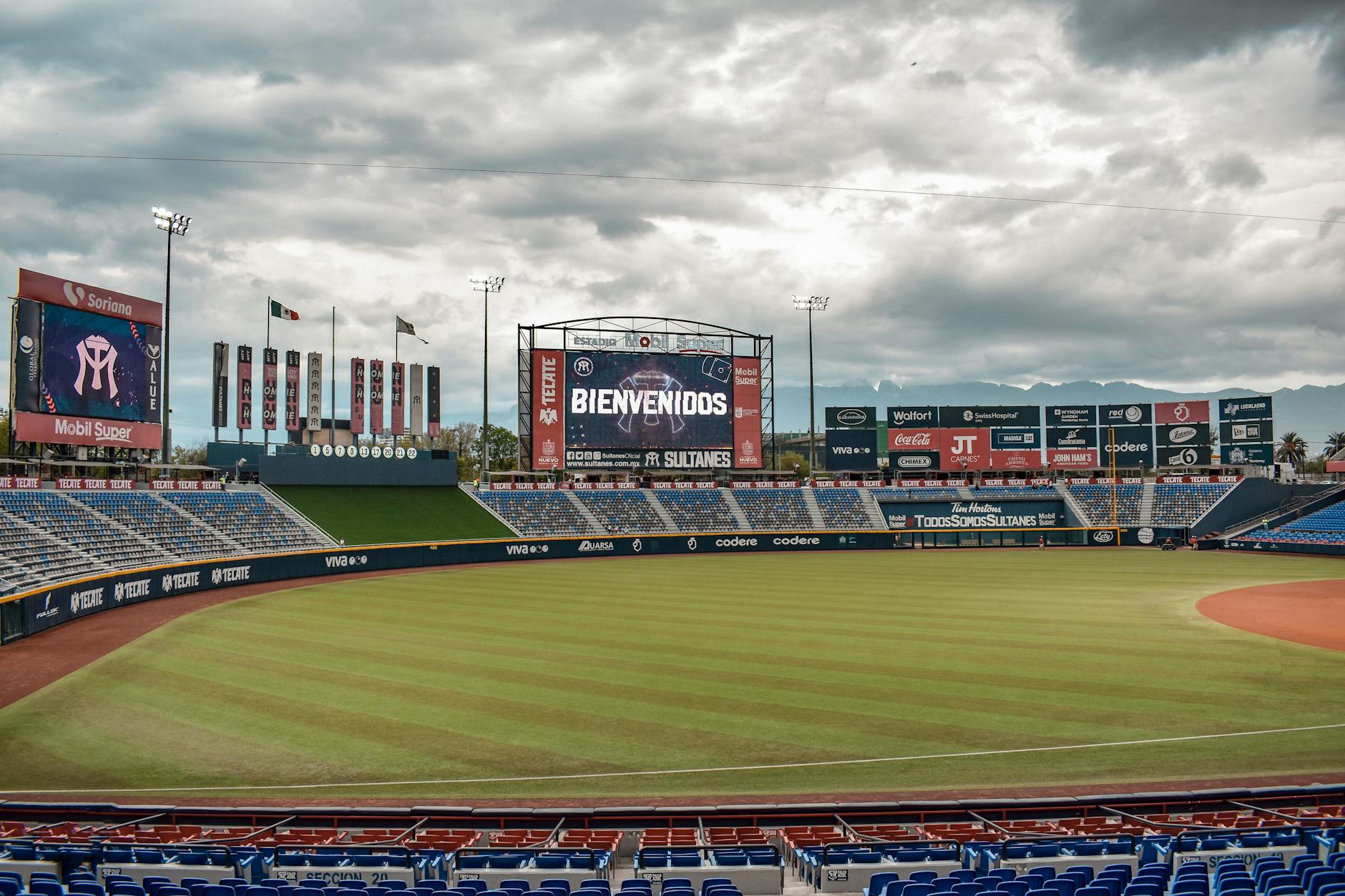
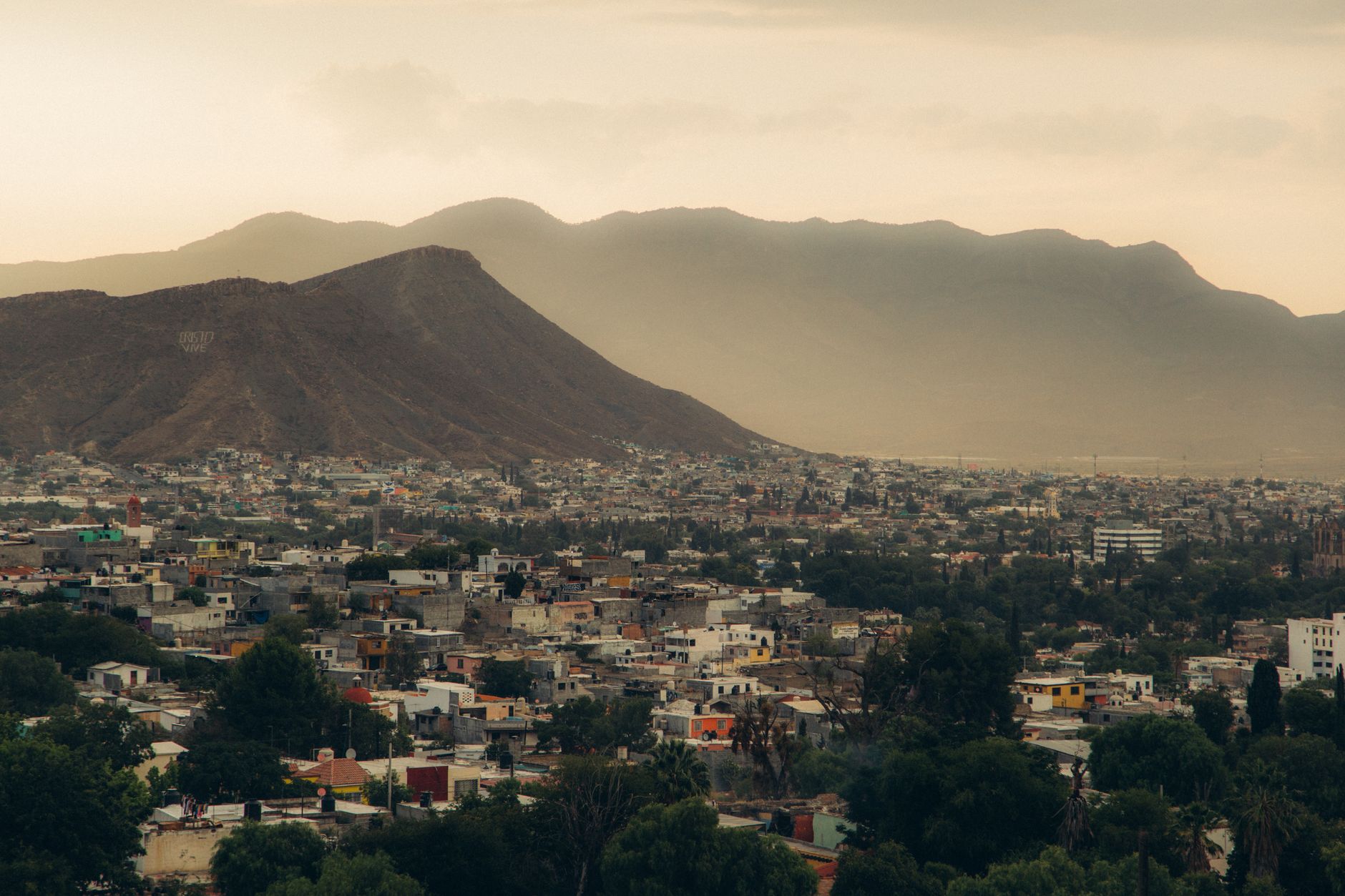
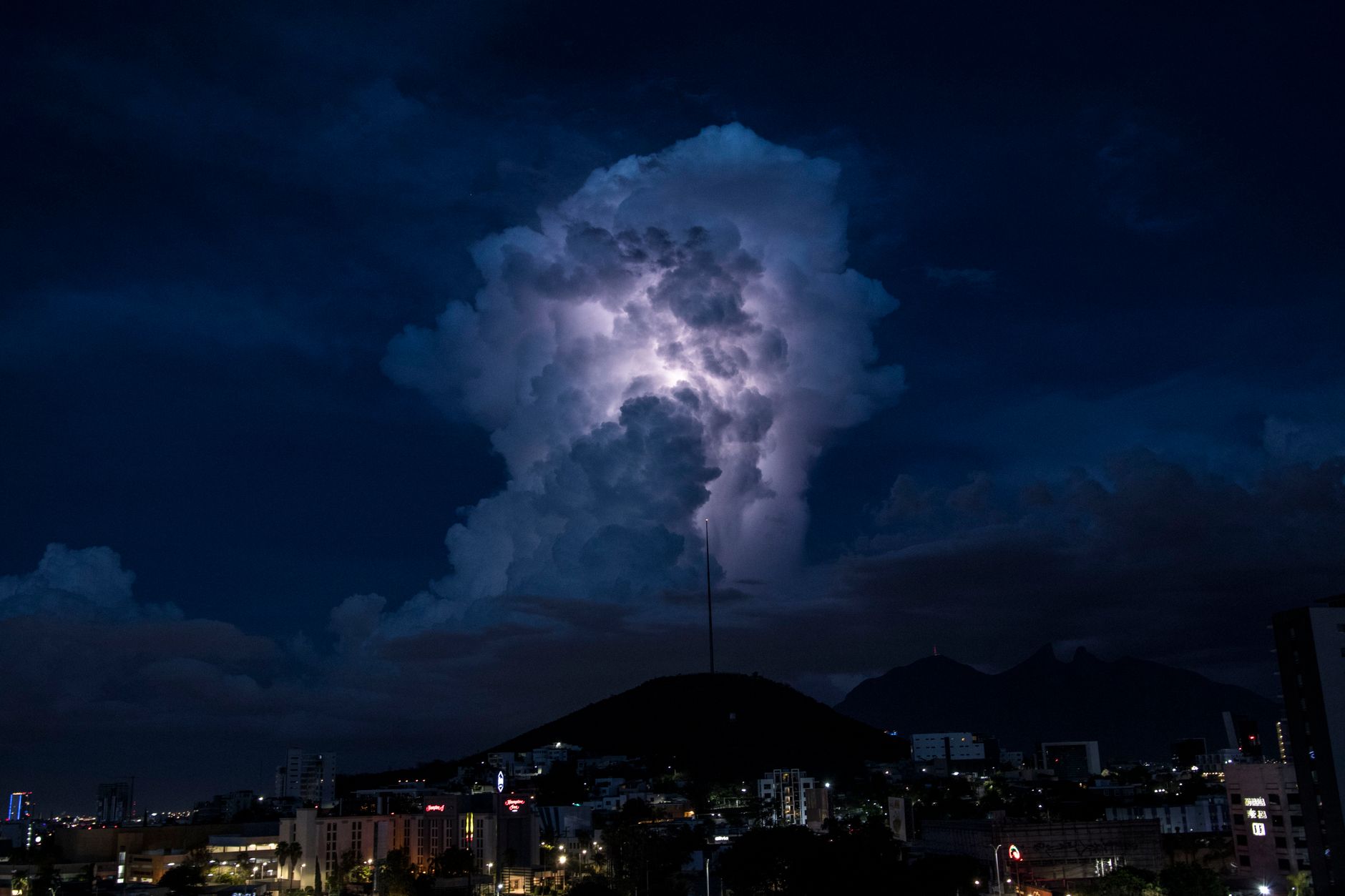
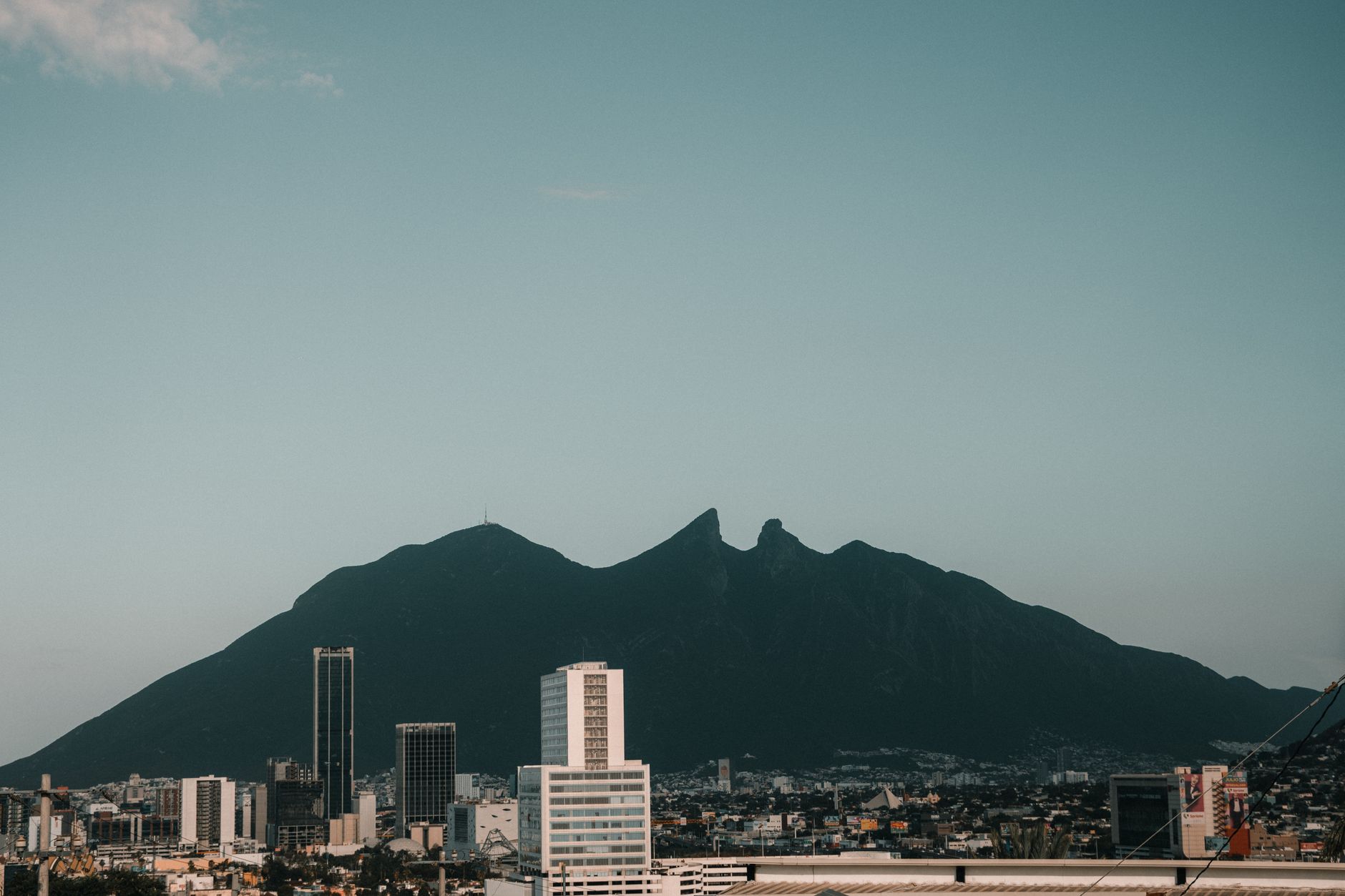


Yes—its steel-city skyline backs right onto the Sierra Madre, so you can breakfast on machacado, lunch inside a 1960s blast furnace turned science museum, and be hiking Chipinque pine forests by sunset. Few Mexican cities mix heavy industry, contemporary art (MARCO), and mountain air this compactly.
Plan 3 full days: one for the downtown riverwalk-downtown-museum triangle, one for Fundidora + Horno 3 steel museum and a Barrio Antiguo night, and a day trip to Grutas de García or Chipinque. Add an extra day if you want to catch a Pa’l Norte or Machaca festival date.
U.S. State Dept rates Nuevo León ‘Level 2—Exercise increased caution’ but places no travel restrictions on staff. Stick to authorized taxis or ride-apps, avoid late-night walks outside Barrio Antiguo/San Pedro, and monitor @USEmbassyMX for security-operation alerts that briefly block roads.
Not yet—Line 6 station is under construction. From MTY take the official Punto-a-Punto van (MXN 200, 8 daily) or Route 109 express bus every 10 min to Y-Griega metro; both leave from Terminal A.
Skip the white-tablecloth legends—order cabrito al pastor at El Pipiripau inside Mercado Juárez for about half the restaurant price, then walk the market for a free Gloria de Linares sample at Museo del Dulce.
29 places to discover




Saved and recently read places — kept on this device only.
Photos may have been resized or cropped.