Indigenous Roots and Pre-Colonial Era
Before the arrival of the Spanish, the region was inhabited by a tapestry of indigenous groups, most notably the Rarámuri (Tarahumara), Conchos, and Tepehuan. These peoples adapted to the harsh semi-desert and mountainous terrain, with the Rarámuri famous for their endurance running and vibrant traditions that persist to this day (Britannica). The name "Chihuahua" is thought to derive from Nahuatl and Tarahumara languages, meaning “between two waters” or “dry and sandy place” (Drive Mexico Magazine).
Spanish Conquest and Colonial Foundations
Spanish explorers arrived in the 16th century, lured by the prospect of mineral riches. The area became part of Nueva Vizcaya province and was marked by the founding of silver mines and persistent indigenous resistance. Chihuahua City was officially established in 1709 as El Real de Minas de San Francisco de Cuéllar (Drive Mexico Magazine), quickly emerging as a mining and trade hub. Today, its colonial-era architecture, especially the Metropolitan Cathedral, stands as a testament to this period (The Crazy Tourist).
Independence and National Turmoil
Chihuahua City was central to the Mexican War of Independence. In 1811, Miguel Hidalgo, the father of Mexican independence, was executed here—a legacy memorialized at Casa Chihuahua museum (The Crazy Tourist). The city also served as the seat of government for President Benito Juárez during the French intervention in the 1860s (The Crazy Tourist).
The Mexican Revolution and Pancho Villa
During the Mexican Revolution (1910–1920), Chihuahua became a revolutionary stronghold, home to legendary figures like Francisco "Pancho" Villa. His residence is now the Historical Museum of the Mexican Revolution, where visitors can see artifacts and Villa’s bullet-riddled car (The Crazy Tourist).
20th Century to Present
The 20th century brought modernization, with the arrival of railroads, growth of agriculture, and the rise of industry. The expansion of maquiladoras and industrial parks continues to drive economic growth (DataMexico). Today, Chihuahua City balances its rich heritage with a dynamic, modern spirit.
Key Historical Landmarks and Visitor Information
Metropolitan Cathedral of Chihuahua
A Baroque masterpiece completed in the late 18th century, the cathedral is the heart of the city’s colonial legacy. Its ornate façade and interiors are must-sees for architecture enthusiasts.
- Visiting hours Monday–Sunday, 8:00 AM–7:00 PM
- Admission Free
- Accessibility Wheelchair accessible
(The Crazy Tourist)
Casa Chihuahua Centro de Patrimonio Cultural
This museum occupies the former Federal Palace, preserving the cell where Miguel Hidalgo was imprisoned and executed. Exhibits explore regional history and changing cultural identities.
- Visiting hours Tuesday–Sunday, 10:00 AM–5:00 PM
- Admission
50 MXN ($2.50 USD) - Guided Tours Available in Spanish and English
- Accessibility Fully accessible
(The Crazy Tourist)
Historical Museum of the Mexican Revolution (Casa de Villa)
Set in Pancho Villa’s former mansion, this museum displays memorabilia from the revolutionary period, including Villa's personal effects and his infamous Dodge car.
- Visiting hours Tuesday–Sunday, 9:00 AM–6:00 PM
- Admission
70 MXN ($3.50 USD) - Accessibility Partial (some stairs)
(The Crazy Tourist)
Plaza de Armas
The elegant main square, redesigned in 1895, is framed by colonial buildings and bronze statues celebrating regional trades. It remains a social and cultural hub.
- Visiting hours Open 24/7
- Admission Free
(Mexicocassie)
Government Palace and Casa Juárez
This neoclassical palace houses impressive murals and is historically significant as the seat of Juárez’s government-in-exile. Casa Juárez, nearby, is a museum dedicated to the former president.
- Visiting hours Monday–Friday, 9:00 AM–4:00 PM
- Admission Free
(The Crazy Tourist)
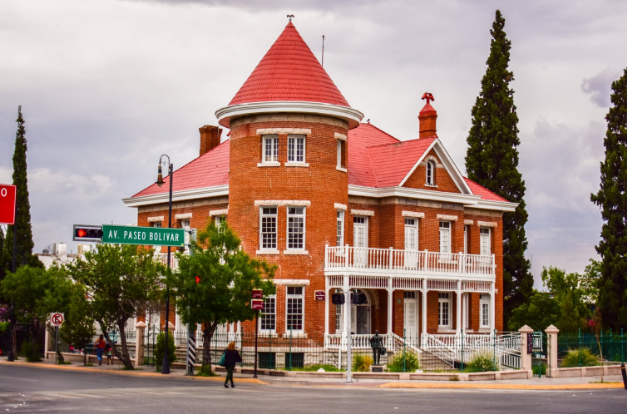
Quinta Gameros University Cultural Center
An Art Nouveau mansion built in the early 20th century, Quinta Gameros is renowned for its lavish interiors and art collections.
- Visiting hours Tuesday–Sunday, 10:00 AM–5:00 PM
- Admission
60 MXN ($3 USD)
(WhichMuseum)
Museums and Cultural Institutions
Beyond the major sites above, Chihuahua boasts additional cultural venues:
- Museo Casa Redonda Contemporary art museum, located in a historic roundhouse.
- Museo Botánico del Cactus Dedicated to native cacti and desert ecology.
- Universidad Autónoma de Chihuahua Home to public murals and academic exhibitions.
Festivals, Living Traditions, and Contemporary Culture
Chihuahua City’s annual festivals highlight its multicultural heritage:
- Festival Internacional Chihuahua Music, dance, and theater from local and international artists (Festival Website)
- Cinco de Mayo Parades and folk performances in Plaza Hidalgo
- Semana de las Culturas Celebrates the city’s indigenous and mestizo roots
Local cuisine features specialties like machaca, asado de puerco, carne asada, and burritos, best sampled at Mercado Juárez or in the historic center.
Natural Attractions and Outdoor Activities
- Nombre de Dios Caves Guided tours daily, 9:00 AM–5:00 PM, ~5 USD (Trip101)
- Cumbres de Majalca National Park Open daily, 7:00 AM–7:00 PM, free entry
- Gateway to Copper Canyon Chepe train departs from Chihuahua; book in advance (Journey Gourmet)
Practical Visitor Information
- Getting There Chihuahua International Airport with taxi and bus connections to downtown
- Getting Around The city center is highly walkable; taxis and rideshares are widely available
- Tickets Buy on-site or via official websites; guided tours are recommended for deeper insights
- Accessibility Major sites and museums offer wheelchair access, though some colonial-era buildings have limitations
- Safety Exercise standard precautions and consult government travel advisories (UK FCDO, Canada Travel)
- Best Time to Visit October–April for cooler weather and major festivals
Frequently Asked Questions (FAQ)
Q: What are the typical visiting hours for major historical sites?
A: Most open Tuesday–Sunday, 9:00/10:00 AM–5:00/6:00 PM. The Metropolitan Cathedral is open daily, 8:00 AM–7:00 PM.
Q: Are entrance fees required?
A: Many sites are free or charge nominal fees (30–70 MXN, ~$2–$4 USD).
Q: Are guided tours available?
A: Yes, at major museums and by local agencies; booking ahead is recommended.
Q: Is the city accessible to those with mobility challenges?
A: Most major museums and public spaces offer accessibility features, though some older buildings have limitations.
Discover Quinta Gameros: An Architectural and Cultural Jewel
Quinta Gameros is among Chihuahua City’s most beautiful and historically significant sites. Built between 1907 and 1910, this Art Nouveau mansion originally served as the private home of industrialist Manuel Gameros. Today, it houses the Museo Regional de Chihuahua, featuring Porfirian-era furnishings, regional artworks, and rotating exhibitions.
- Opening hours Tuesday–Sunday, 10:00 AM–6:00 PM
- Admission Generally free; special exhibits may require a nominal fee
- Guided Tours Available in Spanish and English; advanced booking recommended
- Accessibility Limited; inquire in advance for special needs
Photography Tip: The stained glass windows, grand staircase, and landscaped gardens provide stunning photographic opportunities.
Nearby Attractions: The Cathedral, Casa Chihuahua, and Plaza de Armas are all within walking distance.
Insider Tips for Visitors
- Dress comfortably for walking on cobblestone streets and exploring historic buildings.
- Check official websites for the latest updates on opening hours, ticket prices, and special events.
- Book accommodations early during major festivals and peak travel seasons.
- Sample local flavors at Mercado Juárez and nearby eateries.
- Engage with locals for recommendations and cultural insights—hospitality is a hallmark of Chihuahua.
Related Articles
- Top Things to Do in Chihuahua City
- Cultural Festivals in Chihuahua
- Best Hiking Trails in Chihuahua Region
- Guide to Mexican Cuisine: Northern Flavors