
Visitor Information
Operating Hours
Takeshita Station operates daily from approximately 5:00 AM to midnight, with train schedules aligned to the JR Kagoshima Main Line. Opening and closing times for station facilities may vary slightly, but automated ticket machines and fare gates remain available throughout operating hours. For precise train departure times, always check the latest updates on the JR Kyushu website.
Ticketing Options
- Single-Ride Tickets Purchase at automated ticket vending machines using cash, credit cards, or IC cards.
- IC Cards Suica, ICOCA, SUGOCA, Nimoca, and Hayakaken are accepted for tap-and-go travel across trains, buses, and subways.
- Tourist Passes The Fukuoka Tourist City Pass offers unlimited travel on eligible trains, buses, and subways for one or two days—ideal for sightseeing (Japever).
- Staff Counter Staffed ticket counters provide assistance during busy periods and help with complex travel queries.
Accessibility Features
Takeshita Station is committed to barrier-free access:
- Elevators and Escalators Connect concourse and platforms for seamless movement.
- Tactile Paving Assists visually impaired passengers.
- Accessible Restrooms Equipped with handrails and emergency call buttons.
- Wide Ticket Gates Accommodate wheelchair users and travelers with luggage.
- Multilingual Signage Japanese and English directions throughout the station.
- Audio Announcements In multiple languages for train and safety information.
Travel Tips
- Avoid Rush Hours For a relaxed experience, travel outside weekday peak times (7:30–9:00 AM, 5:00–7:00 PM).
- Bicycle Sharing Charichari bicycle ports are available for eco-friendly last-mile connections.
- Luggage Storage Coin lockers are available at the station; larger options can be found at Hakata Station.
- Cash Many local markets and yatai food stalls are cash-based.
- Tourist Information Staff and printed guides are available to assist with sightseeing routes.
Takeshita Station’s origins are rooted in the late 19th-century expansion of Kyushu’s railway network, a period that transformed Fukuoka into a critical commercial and transportation node. Since its opening, the station has supported the growth of Hakata’s southern districts and contributed to the city’s ongoing urbanization. Modern upgrades—such as the addition of elevators, improved signage, and a new bus terminal—reflect Fukuoka’s commitment to accessibility and sustainable mobility (Wikipedia).
Station Facilities & Layout
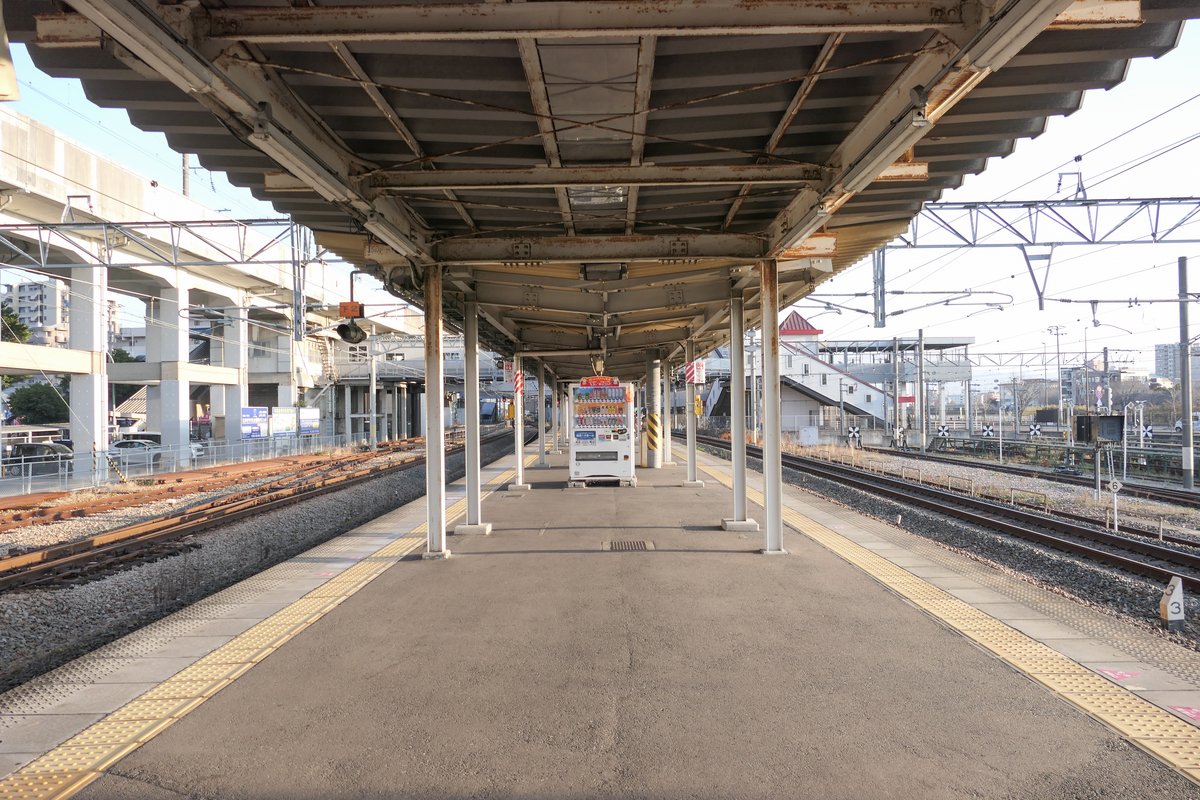
- Platforms Two island platforms serve four tracks, connected by pedestrian overpass with elevators and stairs.
- Waiting Areas Sheltered platform seating and clear digital information displays.
- Ticketing Multiple vending machines, fare adjustment machines, IC card recharge stations, and a staffed ticket counter.
- Amenities Vending machines, a small convenience store, accessible restrooms, and coin-operated lockers.
- Safety Surveillance cameras, emergency intercoms, and well-lit areas throughout.
Nearby Attractions
Within Walking or Short Train Distance
- Hakata Station Fukuoka’s main terminal, shopping, and dining hub (Japan Guide).
- LaLaport Fukuoka A modern shopping and entertainment complex within a 9-minute walk (LaLaport Fukuoka).
- Hakata Old Town Home to Sennen-no-Mon Gate and Joten-ji Temple, accessible in minutes by train.
- Canal City Hakata Large shopping and entertainment center (PlanetWare).
- Rakusuien Garden Traditional Japanese garden and tea house.
Cultural & Historical Destinations
- Dazaifu Tenmangu Shrine Major Shinto site dedicated to learning, about 40 minutes via JR and Nishitetsu trains (Japan Guide).
- Ohori Park & Fukuoka Castle Ruins Scenic park and historic site, accessible by subway and bus.
Food & Local Experiences
- Yatai Food Stalls Sample Hakata ramen and street food in Tenjin, Nakasu, and Nagahama (MyTravelBuzzG).
- Yanagibashi Market Bustling food market known as “Hakata’s Kitchen.”
Modern Landmarks
- Fukuoka Tower Japan’s tallest seaside tower with panoramic views (PlanetWare).
- Momochihama Seaside Park Urban beach and boardwalk.
- PayPay Dome Baseball stadium and concert venue (HeyRoseanne).
Festivals & Day Trips
- Hakata Gion Yamakasa July festival with vibrant floats and street races (PlanetWare).
- Yanagawa Riverboat Cruise Relaxing canal tour in the historic town (MyTravelBuzzG).
- Itoshima Beaches, art, and scenic nature west of Fukuoka (HeyRoseanne).
Transportation Networks & Transfers
JR Rail Connections
- Kagoshima Main Line Direct service to Hakata Station (3 minutes), Minami-Fukuoka, and other Kyushu destinations (Wikipedia).
- Convenient Transfers Hakata Station offers Shinkansen, subway, and intercity bus connections.
Bus Networks
- Nishitetsu Bus Extensive routes, including budget-friendly 100 Yen services (Japever).
- New Bus Terminal Adjacent to the station, with direct routes to Fukuoka Airport and city centers.
Subway & Airport Access
- Subway Transfers Via Hakata Station, connect to the Kuko (Airport) Line and Nanakuma Line (Japan Guide).
- Airport JR to Hakata, then subway to Fukuoka Airport, total journey 15–20 minutes (Living Nomads).
IC Cards & Tourist Passes
- Accepted Cards Sugoca, Nimoca, Hayakaken, Suica, ICOCA.
- Fukuoka Tourist City Pass Unlimited rides on eligible lines (Japever).
Taxis
- Available outside the station; convenient for groups or luggage, especially at night (Living Nomads).
FAQs
Q: What are Takeshita Station’s operating hours?
A: The station operates daily from about 5:00 AM to midnight, with ticketing and facilities open throughout.
Q: How do I purchase tickets?
A: Use automated machines, IC cards, or the staffed counter during peak times.
Q: Is Takeshita Station accessible for wheelchair users?
A: Yes. Elevators, tactile paving, wide gates, and accessible restrooms are available.
Q: Are there tourist passes for unlimited travel?
A: The Fukuoka Tourist City Pass covers buses, subways, and trains, including Takeshita Station.
Q: Which attractions are near Takeshita Station?
A: Hakata Station, LaLaport Fukuoka, Canal City, Rakusuien Garden, and Dazaifu Tenmangu Shrine, among others.
Q: How do I get to Fukuoka Airport from Takeshita Station?
A: Take JR to Hakata Station, then the subway to the airport (total travel about 15–20 minutes).
Discover More
Plan your journey through Fukuoka today by leveraging Takeshita Station’s exceptional connectivity and amenities. Download the Audiala app for real-time transit updates, explore our in-depth articles on Fukuoka’s attractions, and follow us on social media for the latest travel insights and exclusive tips.