
Historical Background and Architectural Features
Origins and Development
The Fukuoka Kokusai Center was established in 1981 as part of the Fukuoka Convention Center complex, alongside the Marine Messe Fukuoka and Fukuoka International Congress Center. Its creation reflected Fukuoka’s ambition to become a hub for international exchange, business, and culture during a period of rapid economic growth (Marinemesse; 2exhibitions.com). The annual Kyushu Grand Sumo Tournament has been held here since the opening, cementing the center’s place in Japanese sumo history (Secret Attractions).
Beyond sumo, the venue hosts trade shows, concerts, sporting competitions, and exhibitions, contributing to Fukuoka’s cosmopolitan character (Expoquote).
Design and Facilities
Main Arena and Capacity
The center’s main hall boasts a pillar-free design offering over 5,000 square meters of flexible event space, accommodating up to 10,000 people. Retractable seating and an adjustable stage enable quick transitions between different types of events (Marinemesse).
Amenities
Visitors have access to spacious foyers, multiple meeting rooms, organizer offices, and well-equipped backstage areas. Amenities include accessible restrooms, cloakrooms, food and beverage kiosks, and souvenir stands (Marinemesse).
Accessibility and Location
The center is minutes from Hakata Station and about 10 minutes from Fukuoka Airport. It’s well-served by buses and taxis, and close to hotels and Fukuoka’s scenic waterfront (Crossroad Fukuoka; PlanetWare). Barrier-free features include step-free access, elevators, and accessible toilets.
Technology
Advanced audiovisual systems, simultaneous interpretation, and high-speed internet support international conferences and performances (Marinemesse; Expoquote).
Cultural Elements
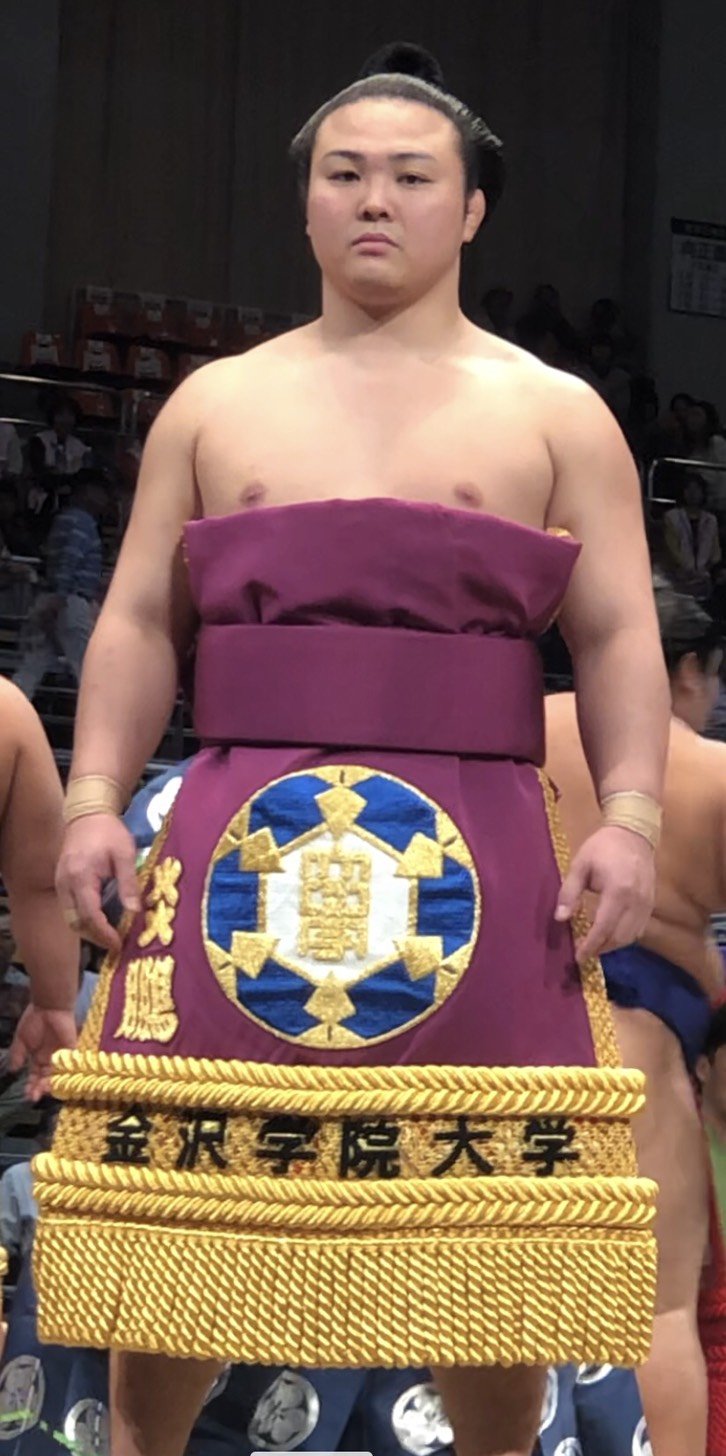
During the Kyushu Basho, the center is adorned with sumo banners and decorations, and hosts elaborate rituals, blending modern functionality with traditional aesthetics (Secret Attractions). The venue also stages concerts and ice shows, reflecting the city’s cultural diversity (Marinemesse).
The Kyushu Basho and Sumo Culture
Sumo’s Significance
Sumo is Japan’s national sport, with roots in Shinto rituals and centuries-old traditions (Japan Travel). Attending the Kyushu Basho at the Fukuoka Kokusai Center is a unique opportunity to witness authentic dohyō-iri (ring-entering ceremonies), purification rituals, and the discipline of sumo wrestlers.
Kyushu Basho: The Grand Finale
The Kyushu Basho, held each November, is the final tournament in the annual sumo calendar. Over 15 days, wrestlers compete for crucial rankings. The tournament’s climax draws intense fan interest and media attention (Japan Travel Planning; Agoda).
Community Atmosphere
During the tournament, sumo wrestlers in traditional attire are often seen around the city, contributing to a festive atmosphere. The center buzzes with excitement, drawing fans from around Japan and abroad (Japan Travel; The Real Japan).
Visiting Hours, Tickets, and Entry
Visiting Hours
- Event-Dependent The center opens 1–2 hours before scheduled events. For the Kyushu Basho, doors usually open around 8:30 AM. Always check the official website for specific times (Marinemesse).
- No Public Hours Outside Events General access is only available during events.
Tickets
- Purchase Tickets for sumo and other events can be bought online, via authorized vendors, or at the venue box office (subject to availability). Early booking is essential for popular events (Japan Travel).
- Types Ranges from premium ringside seats to affordable arena options. Packages may include food or guided tours during sumo tournaments.
- Discounts Children’s and group tickets may be available depending on the event.
Accessibility
The center offers barrier-free access, elevators, accessible toilets, reserved seating for wheelchair users, and wheelchair rentals (subject to availability) (Crossroad Fukuoka). Multilingual signage and staff support are often available during major events.
COVID-19 Policies
Visitors should check current health and safety guidelines on the official website. Mask-wearing and health screenings may apply depending on the event.
Facilities and Visitor Information
- Main Arena Adaptable space for up to 10,000 spectators.
- Meeting Rooms Equipped with AV technology for seminars and workshops.
- Food & Beverage Concession stands with Japanese and international cuisine; sumo-themed snacks during the tournament.
- Souvenir Shops Event-specific merchandise and sumo memorabilia.
- Restrooms Accessible facilities throughout the venue.
- Information Desks Staff provide assistance in Japanese and English.
Getting There
- Train Hakata Station (Shinkansen/JR) is a short taxi or bus ride away.
- Subway Tenjin and Nakasu-Kawabata stations are nearby.
- Bus City buses stop at “Kokusai Center-mae.”
- Taxi Direct access to the entrance.
- Parking Limited; public transport is recommended during large events.
Nearby Attractions
Enrich your visit with these nearby sites:
- Bayside Place Hakata Shopping, dining, aquarium, and ferry terminal (Crossroad Fukuoka).
- Namiha no Yu Onsen (hot spring) with indoor and outdoor baths.
- Fukuoka Prefectural Museum of Art Local and international exhibitions.
- Hakataza Theater Venue for kabuki, musicals, and performing arts.
- Fukuoka Asian Art Museum Contemporary Asian art (Crossroad Fukuoka).
- Tenjin District Shopping and nightlife.
- Fukuoka Castle & Maizuru Park Historic ruins and cherry blossoms (PlanetWare).
- Fukuoka Tower City and bay views from the observation deck (PlanetWare).
- Yanagibashi Market Local delicacies and fresh produce (PlanetWare).
- Uminonakamichi Seaside Park Accessible by ferry, with gardens, zoo, and recreation.
Visitor Tips
- Book Early Secure tickets for popular events, especially the Kyushu Basho.
- Transport Use public transport due to limited parking.
- Accessibility Contact the venue in advance for special needs or accessible seating.
- Dress Code No formal dress code; comfortable clothing is recommended.
- Photography Allowed in most areas, but restrictions may apply during performances and matches.
- Language Most signage in Japanese, with English translations at major events.
- Security Standard bag checks at entrances.
Frequently Asked Questions (FAQ)
Q: What are the visiting hours of Fukuoka Kokusai Center?
A: The center is open during scheduled events, typically 1–2 hours before start time. No fixed public hours outside events.
Q: How do I buy tickets for the Kyushu Basho?
A: Purchase online, via authorized vendors, or at the venue box office (if available). Early booking is recommended.
Q: Is the venue wheelchair accessible?
A: Yes, with step-free access, elevators, accessible toilets, and designated seating.
Q: Are guided tours available?
A: Tours may be offered during special events or as part of ticket packages.
Q: Can I take photos inside the venue?
A: Generally yes, but restrictions apply during performances and matches.
Q: What are the top nearby attractions?
A: Bayside Place Hakata, Fukuoka Castle Ruins, Kushida Shrine, Tenjin district, and Fukuoka Tower.
Discover More
The Fukuoka Kokusai Center is an architectural and cultural landmark, serving as a premier destination for sumo, music, trade, and more. Its strategic location, accessible facilities, and rich traditions make it an essential stop in Fukuoka. To get the most from your visit, confirm event schedules, secure your tickets early, and explore the many nearby attractions. For real-time updates and travel tips, download the Audiala app and follow us on social media.