Origins and Family Legacy
Dating back to the early 13th century, the Torre dei Gualandi was originally a family tower owned by the Gualandi, one of Pisa’s most influential noble lineages. These towers were both status symbols and defensive structures, reflecting the power struggles and frequent conflicts of medieval Pisa (Pisa360).
Political and Social Context
During its heyday, Pisa rivaled cities like Genoa and Venice as a maritime republic. The Torre dei Gualandi stood in a cityscape dominated by similar family towers, signifying both wealth and military might.
Count Ugolino and Dante’s Inferno
The Tragedy of Count Ugolino
In 1288, amid fierce political turmoil, Count Ugolino della Gherardesca and his family were imprisoned in the tower by order of Archbishop Ruggieri degli Ubaldini, with the involvement of the Gualandi family. They were left to starve, and their harrowing fate became one of the most memorable stories in Italian history (World of Dante).
Dante’s Literary Immortalization
Dante Alighieri immortalized this event in Canto XXXIII of his Inferno, cementing the tower’s legacy as the “Torre della Fame” (Tower of Hunger). The story’s themes of betrayal and suffering have resonated throughout centuries, making the site a destination for literary and history enthusiasts (ItalyScapes).
Architectural Features and Integration with Palazzo dell’Orologio
Medieval Structure
The original Torre dei Gualandi was a classic example of medieval tower architecture: tall, narrow, and built with local stone. Its purpose was both residential and defensive.
Renaissance Transformation
In the 17th century, the tower was incorporated into the Palazzo dell’Orologio (Clock Palace) as part of the city’s urban renewal. The façade of the palazzo now displays the famous clock and Renaissance symmetry, but remnants of the original tower are still visible in the building’s masonry (Pisa360).
Modern Use
Today, the palazzo houses the library of the Scuola Normale Superiore di Pisa, a prestigious academic institution.
Location, Accessibility, and How to Visit
Where to Find the Torre dei Gualandi
The tower is situated on the northern side of Piazza dei Cavalieri, Pisa’s historic civic center. The square is surrounded by other notable landmarks, including the Palazzo della Carovana and the Church of Santo Stefano dei Cavalieri (ItalyScapes).
- Distance from Leaning Tower Approximately a 10–15 minute walk.
- From Pisa Centrale Train Station About 20 minutes on foot, through picturesque city streets (solosophie.com).
Accessibility
- Piazza dei Cavalieri Fully accessible to wheelchair users; paved and level.
- Interior Access Restricted due to academic use; contact the Scuola Normale Superiore for possible special openings (Scuola Normale Superiore di Pisa).
Visiting Hours and Ticket Information
Visiting Hours
- Exterior Views Piazza dei Cavalieri and the tower’s façade are accessible year-round, 24 hours a day.
- Interior Access Generally not open to the public; rare exceptions may be made for special events or guided tours.
Tickets
- Exterior No tickets required.
- Interior/Special Tours May require advance booking or registration during special events (Get Your Guide).
Guided Tours and Special Events
Numerous guided walking tours in Pisa include the Torre dei Gualandi as a key stop, especially those focusing on Dante’s legacy or medieval history. These tours typically offer valuable context about the tower’s role in Pisan history and literature (discovertuscany.com). On occasion, the Scuola Normale Superiore hosts events or lectures that provide limited access to the interior.
Tips for Visitors
- Best Time to Visit Early mornings or late afternoons for quieter experiences and the best lighting for photography (The Intrepid Guide).
- Photography The piazza offers excellent vantage points for capturing the tower and surrounding historical buildings.
- Nearby Amenities Cafés, shops, and public restrooms are located around Piazza dei Cavalieri.
- Respect Academic Activities As the building is an active academic site, maintain respectful behavior and adhere to posted guidelines.
Integrating Torre dei Gualandi into Your Pisa Experience
Suggested Itinerary
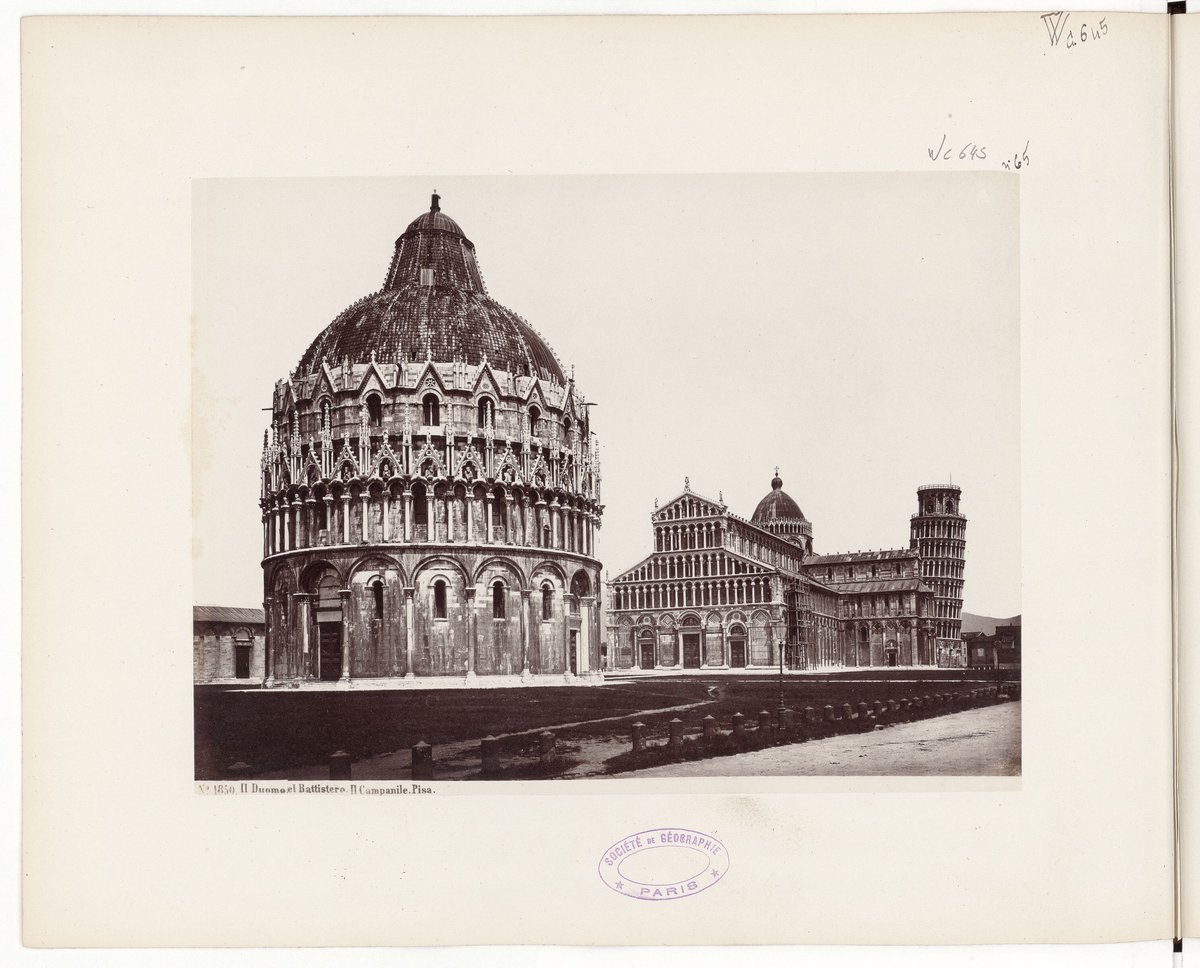
- Morning Visit Piazza dei Miracoli (Leaning Tower, Cathedral, Baptistery, Camposanto) (PlanetWare).
- Late Morning Walk to Piazza dei Cavalieri and explore the history of Torre dei Gualandi.
- Lunch Enjoy local cuisine at nearby trattorias.
- Afternoon Stroll through Borgo Stretto or along the Lungarno.
- Evening Return to Piazza dei Cavalieri for atmospheric photos.
Thematic Tours
Consider a Dante-themed or medieval history tour for deeper insight into the city’s cultural and literary connections (ItalyScapes).
Frequently Asked Questions (FAQ)
Q: What are Torre dei Gualandi’s visiting hours?
A: The exterior is accessible at all times via Piazza dei Cavalieri. Interior access is restricted; check with the Scuola Normale Superiore for special openings.
Q: Do I need a ticket to visit Torre dei Gualandi?
A: No tickets are required for the exterior. Special events or guided tours may require advance booking.
Q: Is the tower wheelchair accessible?
A: The piazza and exterior are accessible. The interior is generally not open to the public.
Q: Are guided tours available?
A: Yes, several local operators include the tower in their walking tours of historic Pisa.
Q: What are other nearby Pisa historical sites?
A: The Leaning Tower, Cathedral, Baptistery, Camposanto, Borgo Stretto, and Museo dell’Opera del Duomo are all within walking distance.