
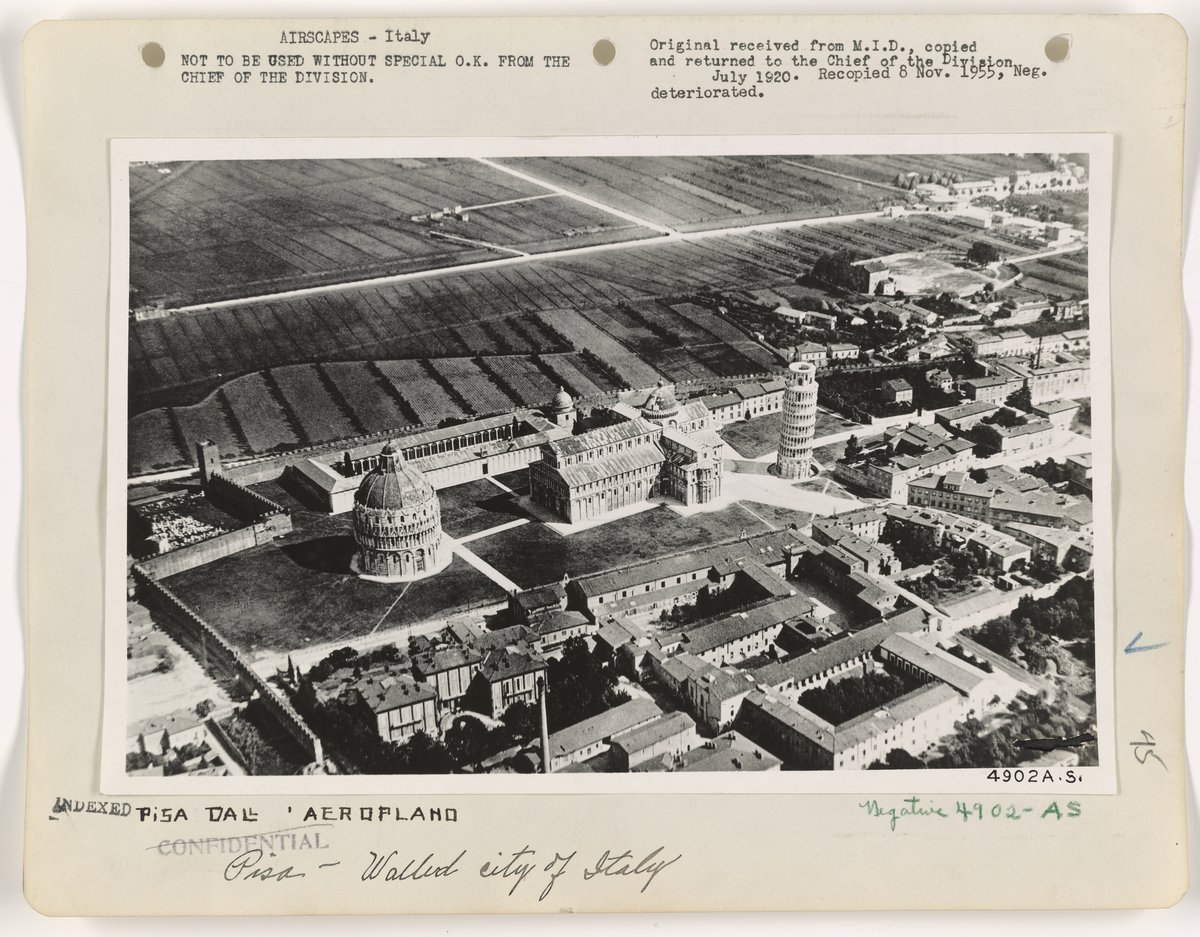
Piazza del Duomo: Pisa’s Iconic Historical Site
The Piazza del Duomo is the soul of Pisa, drawing millions of visitors each year to its extraordinary collection of architectural gems. Recognized for its outstanding Romanesque and Gothic structures, the piazza stands as a symbol of Pisa’s power and prestige during the Middle Ages.
Medieval Origins and the Rise of Pisa
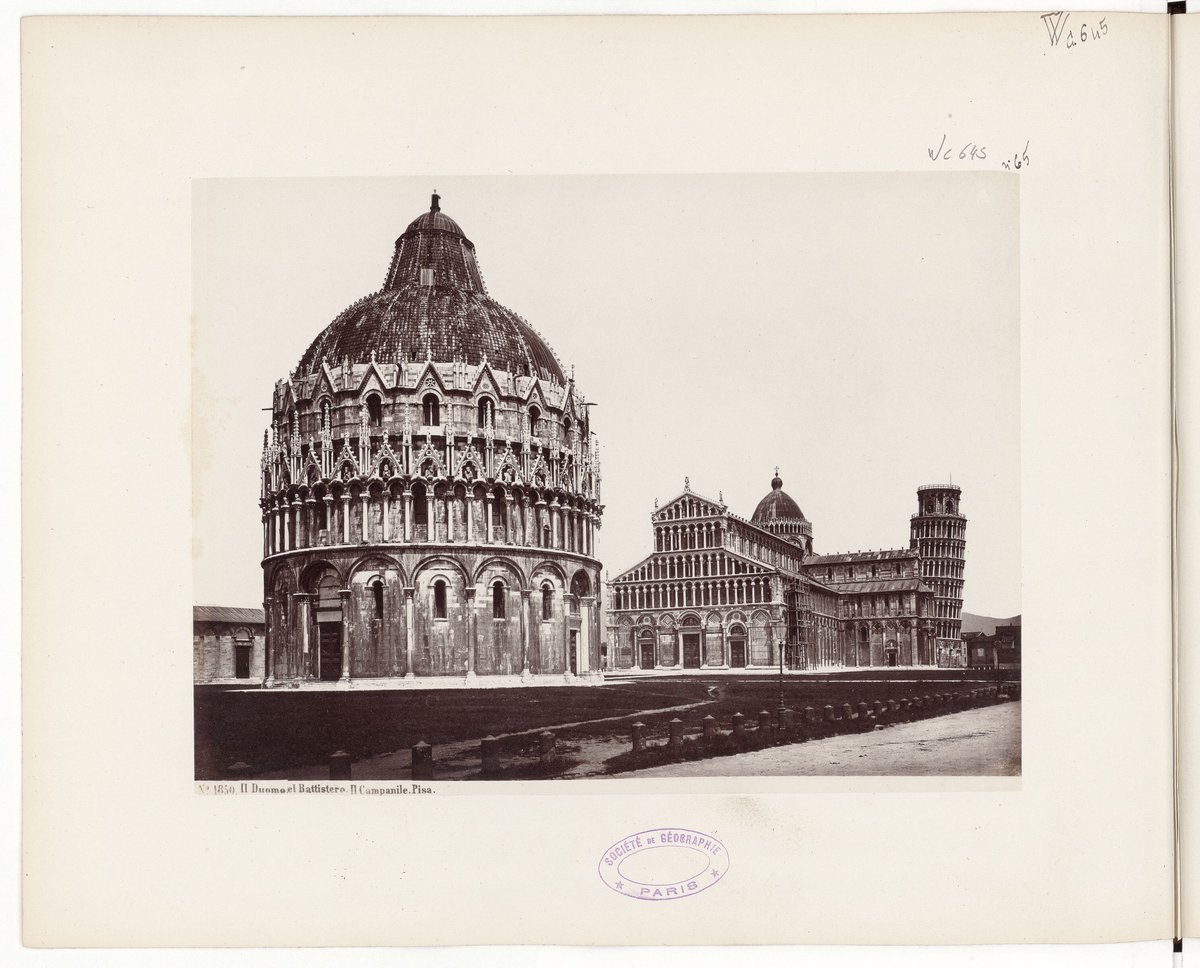
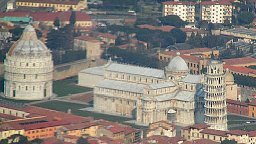
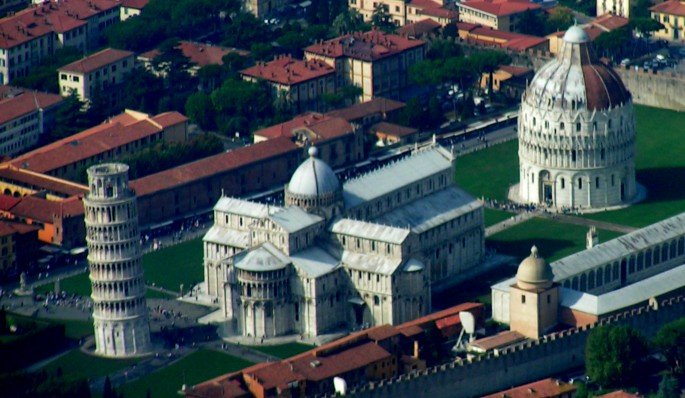
During the 11th to 13th centuries, Pisa flourished as a maritime republic, fostering trade and cultural exchange across the Mediterranean. This era of prosperity fueled the ambitious construction of the Piazza del Duomo’s monumental buildings—the Cathedral, Baptistery, Campanile (Leaning Tower), and Camposanto Monumentale. These structures were conceived as an integrated complex, each representing a stage of Christian life: birth (Baptistery), spiritual life (Cathedral), death (Camposanto), and the call to prayer (Campanile) (Oxford Bibliographies; Eternal Arrival).
Architectural Evolution of the Piazza’s Monuments
Pisa Cathedral (Duomo di Santa Maria Assunta)
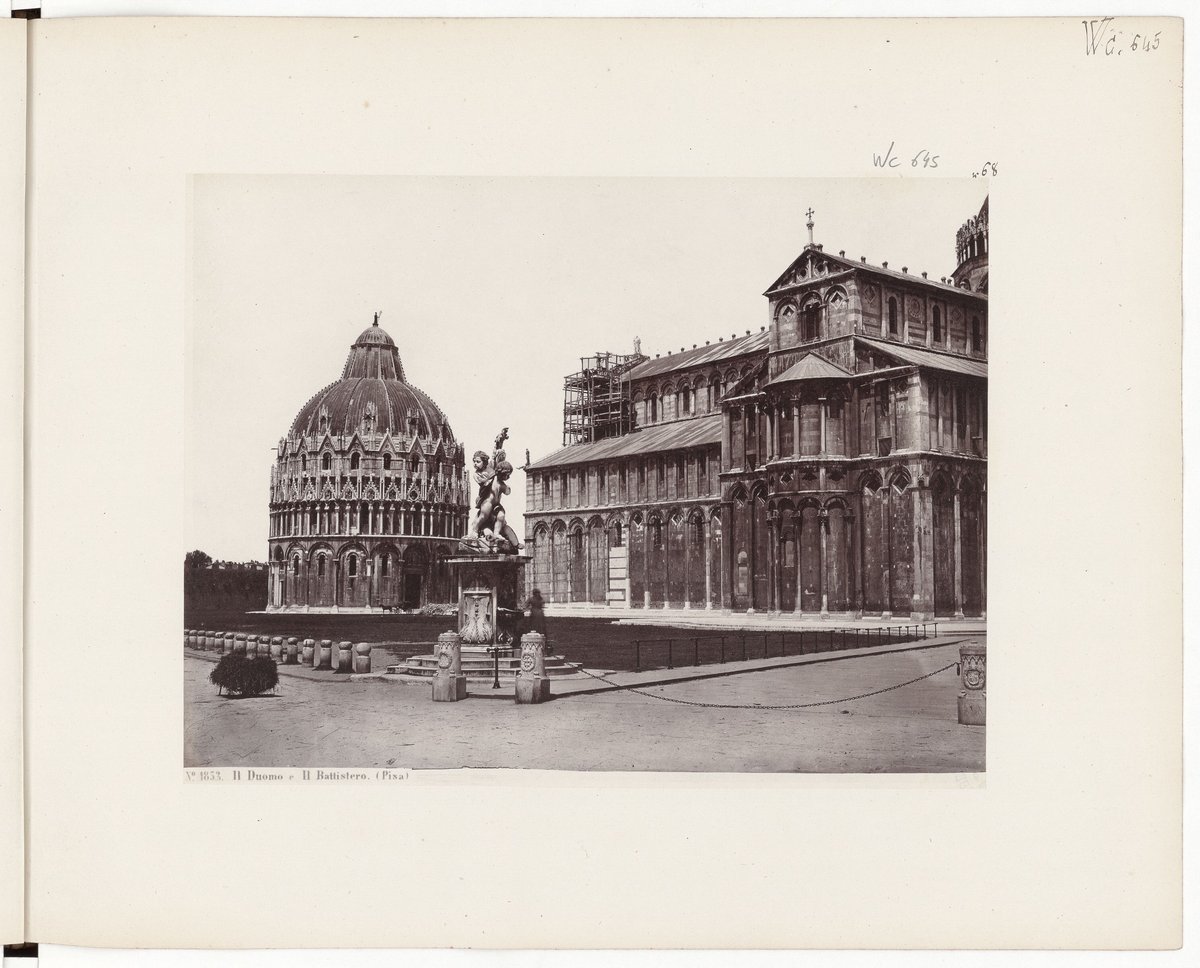
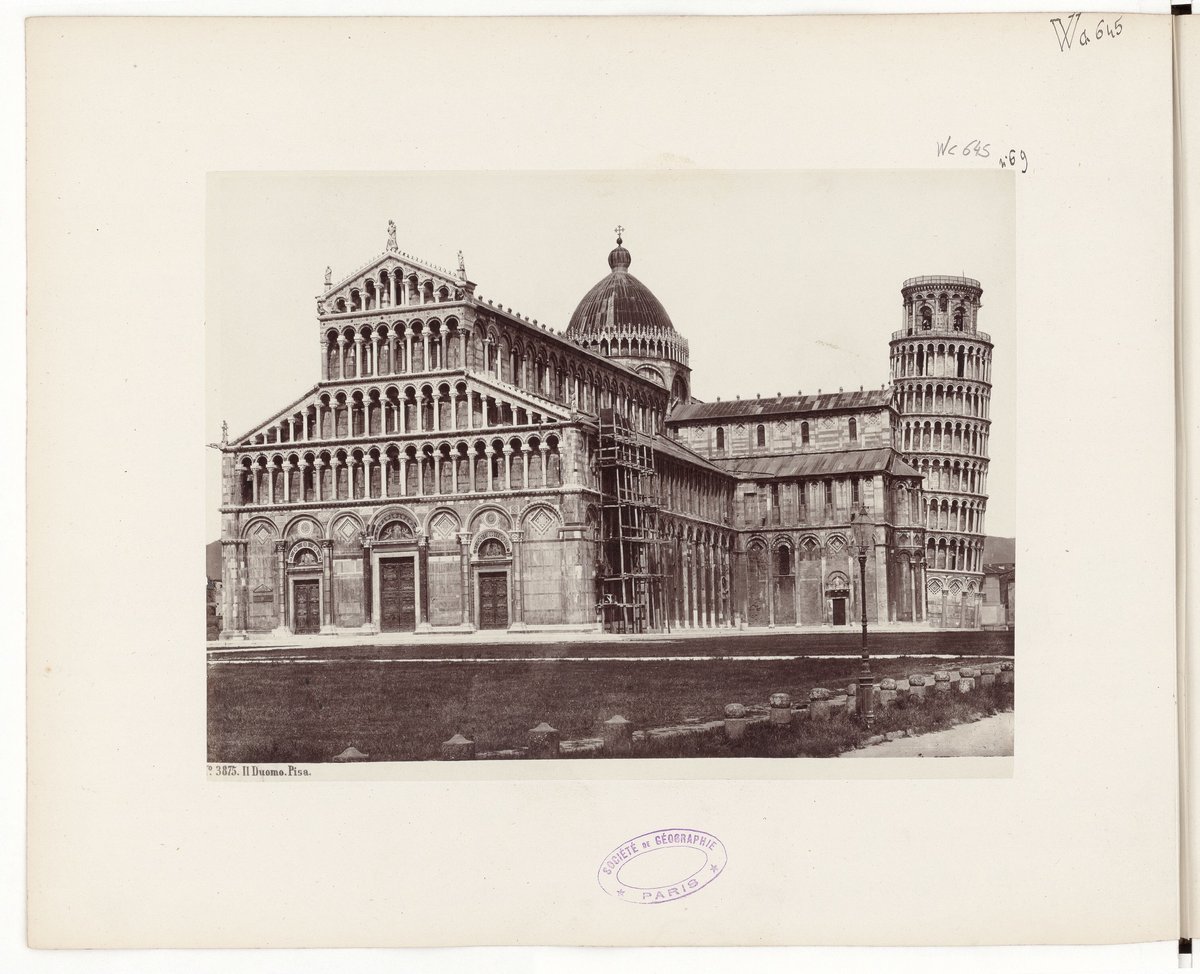
An outstanding example of Pisan Romanesque architecture, the cathedral was begun in 1063. Its Latin cross plan includes a nave, double aisles, transept, and dome. The façade—white and grey Carrara marble—is adorned with arcades, intricate sculptures, and bronze doors. Inside, the gilded ceiling, Corinthian columns, and Giovanni Pisano’s pulpit (1302–1310) are highlights (My Adventures Across the World; historyhit.com).
Baptistery of St. John
Begun in 1153, the Baptistery is Italy’s largest, showcasing a transition from Romanesque to Gothic. Its lower level features round arches, the upper level pointed arches and elaborate tracery. Nicola Pisano’s 1260 marble pulpit and the building’s renowned acoustics are must-sees (gites-en-toscane.com).
Leaning Tower of Pisa (Campanile)
Perhaps the most recognized bell tower in the world, construction began in 1173 and was completed almost 200 years later. The tower’s famous tilt, now stabilized at approximately 3.97 degrees, resulted from soft ground beneath its foundations. Its six arcaded galleries and belfry harmonize with the cathedral complex (Eternal Arrival; Springer).
Camposanto Monumentale
Construction started in 1277 for this monumental cemetery, which houses sacred soil from Golgotha and is surrounded by elegant marble cloisters. Inside are medieval and Renaissance frescoes, including the renowned “Triumph of Death,” and ancient Roman sarcophagi (thegeographicalcure.com).
Visiting Piazza del Duomo: Practical Information
Opening Hours & Tickets
- Leaning Tower 9:00 AM–8:00 PM (times may vary seasonally; summer night openings until 10:00 PM) (thepisatower.com; opapisa.it).
- Cathedral 10:00 AM–6:30 PM; free entry with a timed ticket included in other monument tickets (opapisa.it).
- Baptistery & Camposanto 10:00 AM–6:30 PM; special night openings in summer.
- Tickets Book online in advance for the Leaning Tower (standard ticket €20, includes Cathedral). Combination tickets for other monuments are €11 (pisaticket.com; free-city-guides.com). Children under 8 cannot climb the tower; minors under 18 must be accompanied by an adult.
Guided Tours & Accessibility
- Guided tours and audio guides are available in multiple languages.
- Most monuments are wheelchair accessible; the Leaning Tower is not due to its stairs.
Travel Tips & Highlights
- Visit early in the morning or late afternoon to avoid crowds.
- Use the free bag drop for the Leaning Tower.
- Dress modestly for entry into sacred spaces (shoulders and knees covered).
- For panoramic views, climb the Leaning Tower or visit the Baptistery’s upper level.
- Explore the Museo dell’Opera del Duomo and Sinopie Museum for original artworks and fresco drawings.
Artistic Flourishing and Transformations
Even after Pisa’s decline in the late 13th century, the Piazza remained a center of artistic innovation. The 14th and 15th centuries saw additions of frescoes and sculptures, while 19th-century Romantic restorations by Alessandro Gherardesca unified the site’s appearance (Oxford Bibliographies; Academia.edu).
Preservation and Modern Visitor Experience
Conservation efforts address challenges from the Leaning Tower’s tilt to World War II damage. On-site museums and restoration projects help preserve the Piazza for future generations, while digital resources and apps like Audiala enhance the visitor experience (Eternal Arrival; Audiala).
Frequently Asked Questions (FAQ)
Q: What are the opening hours for the monuments?
A: Hours vary; typically 9:00 AM–8:00 PM for the tower, and 10:00 AM–6:30 PM for others. Always check the official site for seasonal updates.
Q: How do I buy tickets?
A: Purchase tickets online (pisaticket.com), at on-site offices, or through official apps. Advance booking is recommended, especially for the Leaning Tower.
Q: Are there age or health restrictions for the Leaning Tower?
A: Children under 8 are not admitted; minors under 18 must be accompanied by an adult. The climb is physically demanding.
Q: Is the site accessible for people with disabilities?
A: Most monuments offer wheelchair access, except the Leaning Tower.
Q: What should I wear?
A: Modest dress is required in the Cathedral and Baptistery.
Plan Your Visit and Explore More
Piazza del Duomo offers an immersive experience of art, faith, and history. Download the Audiala app for guided tours and real-time updates. Stay connected via social media and explore related articles for more on Pisa and Tuscany’s medieval heritage.
Summary and Final Tips
Piazza del Duomo stands as a monumental symbol of Pisa’s religious, artistic, and scientific innovation. Key tips for your visit:
- Book tickets in advance, especially for the Leaning Tower.
- Visit early or late in the day for fewer crowds and the best light.
- Respect dress codes and monument regulations.
- Explore nearby museums and the historic center for a broader experience (Eternal Arrival; thegeographicalcure.com; opapisa.it; Audiala).
Whether you are drawn by art, history, spirituality, or the marvel of the Leaning Tower, your journey through Piazza del Duomo will be unforgettable.