History and Cultural Significance
Established in 1828, Museo Lapidario Estense was the first public museum in Modena, reflecting Enlightenment ideals of civic pride and cultural conservation. Its creation was spearheaded by prominent scholars and supported by local nobility, the church, and the Este family. The museum’s initial nucleus comprised artifacts from private collections, the Este family’s Ferrara Antiquarium, and archaeological finds from Modena and its surroundings (mutinaromana.it).
The museum’s mission has always been to document archaeological discoveries, preserve Modena’s heritage, and inspire local artisans. Today, it stands as a testament to centuries of artistic tradition and historical continuity, maintaining a vital role in Modena’s cultural life.
Collection Highlights
Roman Artifacts
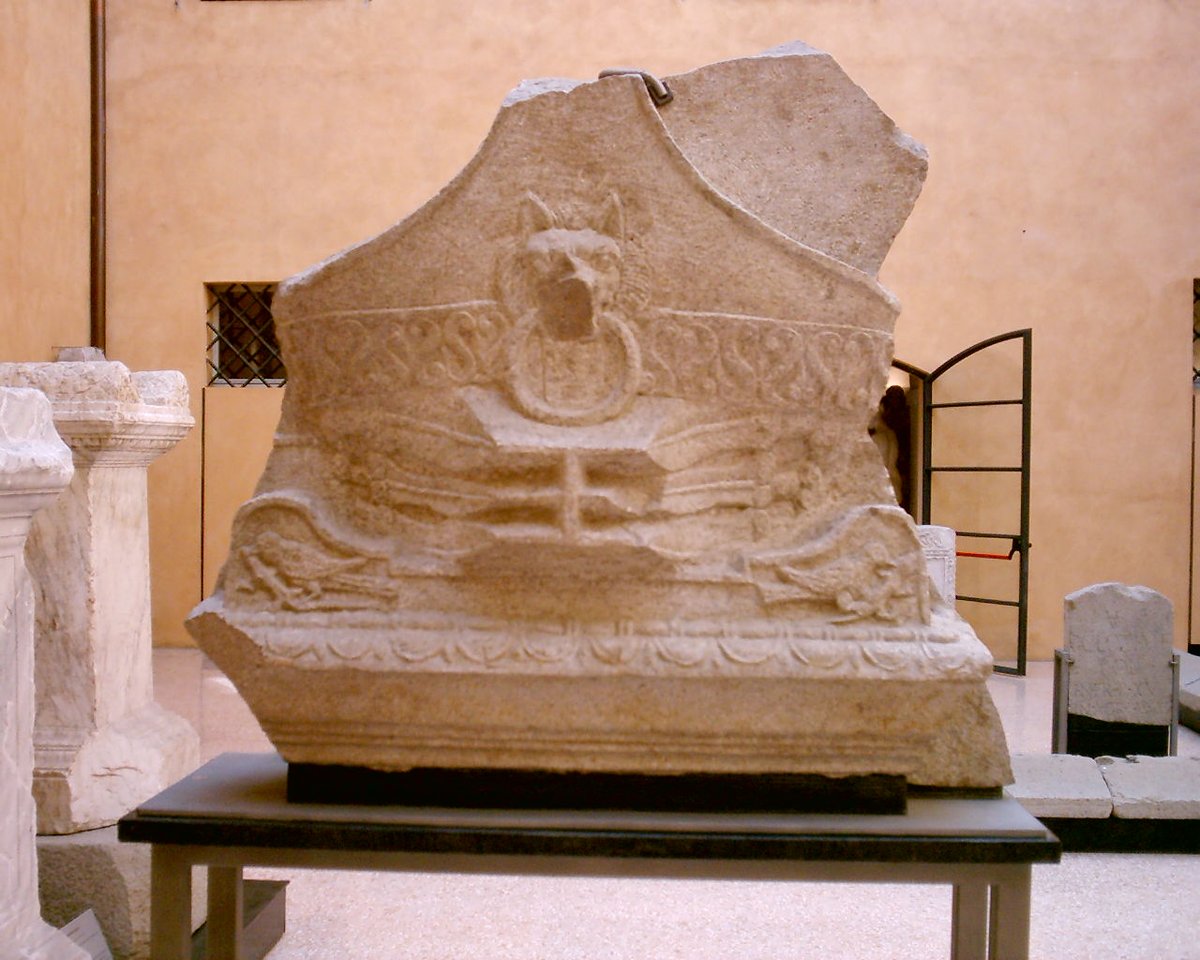
The museum’s Roman section features a remarkable array of monumental sarcophagi, funerary stelae, honorary bases, and public inscriptions, many dating to the 2nd and 3rd centuries CE and produced by Ravenna workshops (Museionline). These works, carved from local stone and clay, not only reflect funerary practices and religious beliefs but also provide insight into Modena’s prosperity and multicultural character during the imperial era. Latin and, occasionally, Greek inscriptions reveal the cosmopolitan nature of ancient Mutina (Wikipedia).
Medieval and Renaissance Artifacts
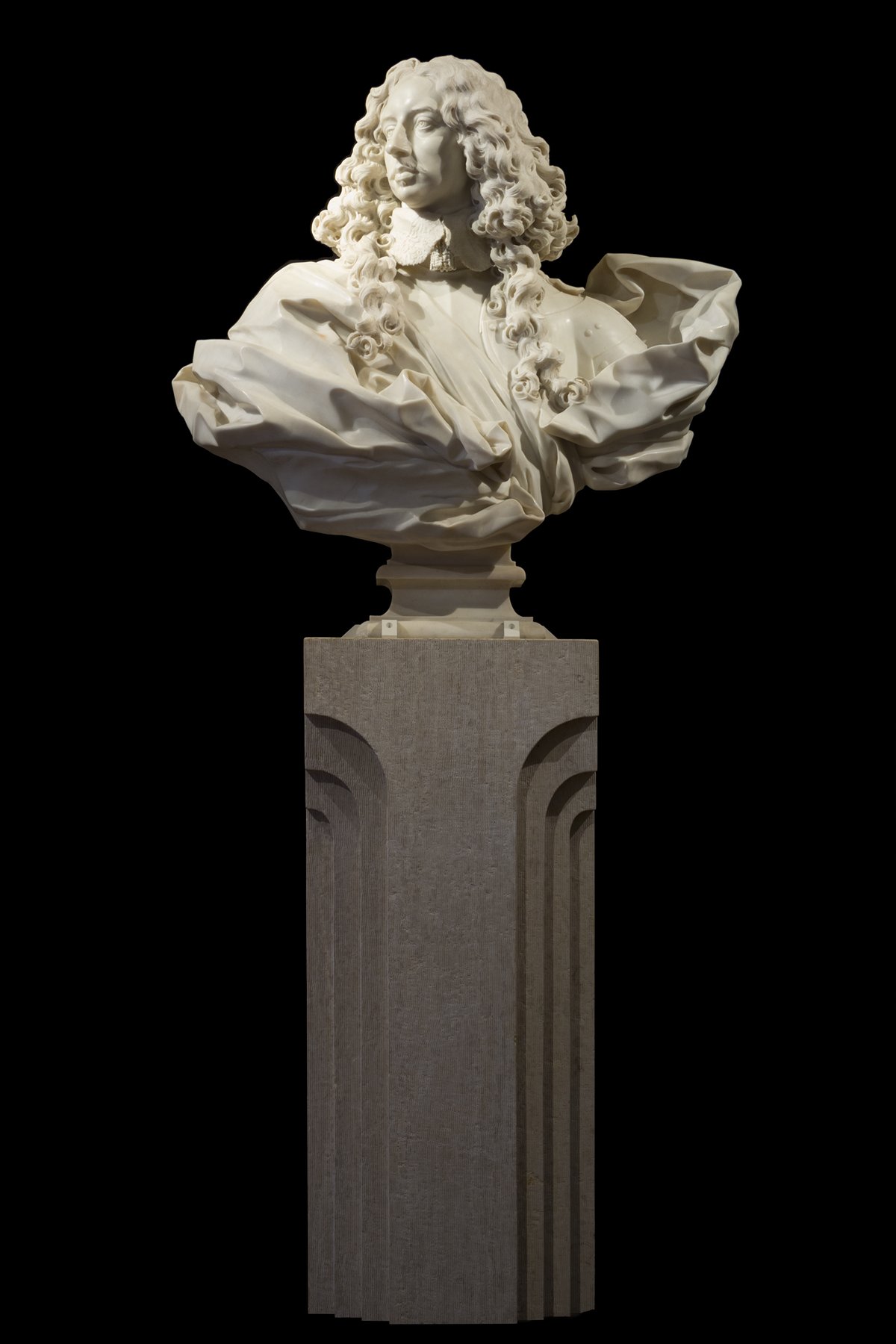
The transition from antiquity to the medieval and Renaissance periods is vividly documented through the museum’s collection. Roman materials were systematically repurposed in new religious and civic buildings, demonstrating both practical reuse and reverence for the past. Medieval tombs adapted from Roman originals, often with added Christian iconography, and Renaissance monuments commemorating local dignitaries, illustrate Modena’s evolving artistic and civic identity (melinmodena.wordpress.com).
Spolia and Artistic Techniques
A central interpretive theme is spolia—the reuse of earlier materials in new contexts. This practice imbued ancient stones with symbolic meaning, linking Modena’s medieval and Renaissance communities to their Roman past. The museum’s layout, inspired by institutions like the Museo Lapidario Maffeiano in Verona, encourages visitors to explore this artistic and civic continuity. The collection also highlights a variety of carving techniques and the use of local materials, underscoring the region’s artisanal legacy (Italia.it).
Visiting Hours and Ticket Information
-
Opening Hours
- Tuesday to Sunday: 8:30 AM – 7:30 PM
- Closed on Mondays and select public holidays.
- Always check the official website for seasonal changes or special events.
-
Tickets
- Admission is free of charge.
- Donations to support museum activities are welcomed.
- Combination tickets with other museums in the Palazzo dei Musei may be available—see the WhichMuseum portal for details.
-
Advance Booking
- Not required for individual visitors. For group tours, book in advance via the official website or by contacting the museum directly.
Accessibility and Visitor Services
The Museo Lapidario Estense is fully accessible, with barrier-free entrances, ramps, elevators, and accessible restrooms (Gallerie Estensi). Staff are trained to assist visitors with disabilities, and service animals are welcome. Tactile maps and written guides are available for visitors with visual or hearing impairments. The museum’s information desk provides brochures, maps, and assistance in multiple languages.
Amenities:
- Restrooms and cloakroom
- Gift shop with books, postcards, and souvenirs
- Benches and seating areas for comfort
Practical Travel Tips and Nearby Attractions
-
Location Palazzo dei Musei, Largo Porta Sant’Agostino, 337, Modena
-
Getting There
- 15-minute walk from Modena railway station
- Accessible by several public bus lines
- Limited parking nearby—public transport is recommended during peak times
-
Nearby Highlights
- Galleria Estense Renaissance and Baroque art collection
- Duomo di Modena Romanesque cathedral and UNESCO site
- Piazza Grande Vibrant main square
- Enzo Ferrari Museum Celebrating Modena’s automotive heritage
Allocate 1–2 hours for your visit, and consider combining the museum with a walking tour of Modena’s historical center.
Frequently Asked Questions (FAQ)
What are the Museo Lapidario Estense visiting hours?
Open Tuesday to Sunday, 8:30 AM – 7:30 PM; closed Mondays.
Is admission free?
Yes, admission is free. Donations are welcome.
Are guided tours available?
Yes, in both Italian and English. Book in advance or on arrival.
Is the museum accessible for visitors with disabilities?
Yes, with ramps, elevators, and accessible facilities.
Can I take photos in the museum?
Non-flash photography is generally allowed; confirm with staff.
Where is the museum located?
Palazzo dei Musei, Largo Porta Sant’Agostino, 337, Modena.
How do I reach the museum from Modena train station?
A 15-minute walk or a short bus ride.
Are special events or workshops offered?
Yes, check the museum’s official channels for current schedules.
Contact Information
- Address Palazzo dei Musei, Largo Porta Sant’Agostino, 337, 41121 Modena, Italy
- Phone +39 059 2033100
- Email [email protected]
- Official Website Museo Lapidario Estense
For up-to-date hours, events, and group bookings, consult the Orari di Apertura 24 listing.
Summary and Staying Updated
The Museo Lapidario Estense offers an unparalleled window into Modena’s ancient and medieval history through its outstanding collection of stone artifacts—Roman sarcophagi, funerary inscriptions, and Renaissance monuments. As Modena’s oldest public museum, it remains a hub for cultural preservation, education, and artistic inspiration. With free admission, excellent accessibility, and a central location, it is essential for any cultural itinerary in Emilia-Romagna.
Stay current by visiting the official museum website, downloading the Audiala app for interactive audio guides, and following the museum on social media for news, updates, and special events.