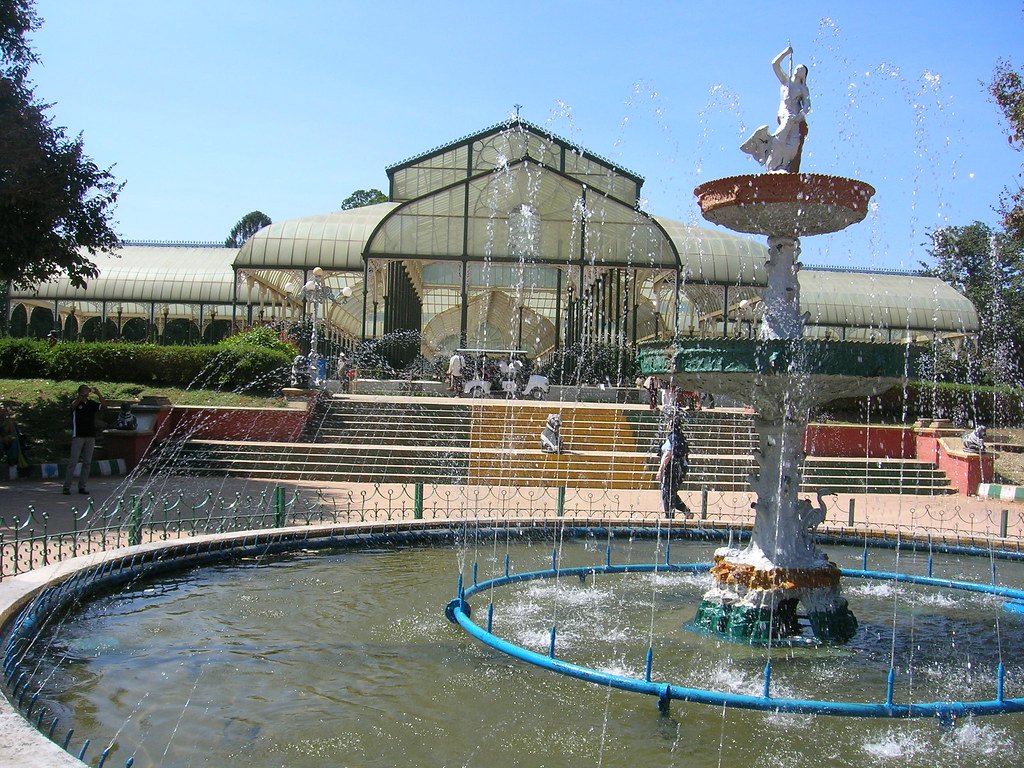
Puttenahalli Lake
Puttenahalli Lake is an urban lake in Bengaluru, India, and an example of community-driven lake restoration. Once an important source of irrigation for nearby agrarian communities, it is now a green community space and a habitat for wildlife. Further information is available from Puttenahalli Lake.
History and restoration
Agrarian past and urban transformation
Before Bengaluru’s urban expansion, the lake served farmers in Puttenahalli and nearby villages, including J.P. Nagar, Sarakki, and Yarandahalli. Its water nourished paddy fields and supported local communities. The lake’s history goes back several decades, although precise records are scarce.
In the latter half of the 20th century, Bengaluru expanded around the lake and absorbed the surrounding villages. The lake then faced neglect, encroachment, pollution, and shrinking boundaries.
Community revival
In 1998, residents from surrounding areas formed the Puttenahalli Neighbourhood Lake Improvement Trust (PNLIT) and began efforts to restore the lake. Working with the local government and supported by citizens, PNLIT helped desilt the lakebed, strengthen the bunds, create a walking path, and prevent further encroachment and pollution.
The trust also worked to clear illegal encroachments, promote sustainable waste-management practices, discourage plastic use within the lake premises, and organize public awareness programs and nature walks.
Ecological importance and what to see
The restored lake is a habitat for a variety of flora and fauna and attracts nature enthusiasts, researchers, and birdwatchers.
- Birds More than 80 species have been recorded, including resident and migratory birds such as kingfishers, parakeets, cormorants, and the occasional migratory pelican. The Puttenahalli Neighbourhood Lake Improvement Trust provides information about the lake.
- Butterflies The lake’s varied flora attracts many butterfly species. These pollinators are also an indicator of the lake’s improving health.
- Aquatic life Fish species have returned, while dragonflies and other aquatic insects are part of the lake’s food chain.
- Native plants Restoration included planting native species. Neem, Banyan, and Jamun trees provide shade and sustenance for local fauna.
Benefits and ongoing challenges
The lake acts as a natural groundwater recharge zone and contributes to neighborhood water security. Its water and surrounding green cover help regulate the local microclimate and offer respite from the city’s heat island effect. The ecosystem also absorbs pollutants and helps improve air quality. The lake serves as an outdoor classroom for students and researchers studying urban ecology, biodiversity, and conservation.
Ongoing challenges include pressure from rapid urbanization, waste disposal, garbage entering the lake, and climate change. Erratic rainfall and increased temperatures affect water levels and the lake’s overall health. Its future depends on continued community involvement, government support, and sustainable urban planning. The lake’s restoration is a testament to community effort and the work of PNLIT (source).
Activities and community life
The walking path around the lake is used for morning and evening strolls, leisurely walks, and jogging. The park area offers green space for residents, and the lake is also a place for:
- Birdwatching and nature walks.
- Photography of the lake, flora, birds, and other local wildlife. Sunrise and sunset offer picturesque views.
- Yoga and meditation in the tranquil surroundings.
- Picnics with family and friends on the grassy banks.
- Community workshops, cultural programs, environmental awareness programs, and cleanup drives.
Guided birdwatching tours and nature walks are organized by the community and PNLIT. The lake also hosts events and awareness programs that encourage local involvement in conservation.
Practical visiting information
- Hours Open daily from 6:00 AM to 6:00 PM.
- Entry fee Free.
- Accessibility The lake premises are wheelchair accessible, with well-maintained paths suitable for wheelchairs. The lake is described as accessible to visitors of all ages and abilities.
- Guided tours Birdwatching tours are occasionally organized by the community. PNLIT also organizes guided nature walks and birdwatching tours. Check the official website for schedules and booking information.
Getting there
- By air Kempegowda International Airport (BLR) is approximately 40 km away. Taxis and ride-hailing services are available from the airport.
- By train Yesvantpur Junction is about 10 km from the lake.
- By bus Several BMTC buses connect the lake to various parts of the city.
- By metro The nearest metro station is on the Green Line.
Tips
The lake can be visited year-round, but the cooler months from October to March offer the most pleasant weather. Early mornings and late afternoons are also recommended for a pleasant visit and a chance to see birdlife.
Carry drinking water and wear comfortable walking shoes. A hat, sunscreen, and a water bottle are useful, especially in warmer months. The area is generally safe, but take care of your belongings.
Nearby places
Nearby places to visit include JP Nagar Mini Forest, Sarakki Lake, and the commercial area of JP Nagar. Other suggested attractions are Bannerghatta National Park, Lalbagh Botanical Garden, Bangalore Palace, and ISKCON Temple.
Frequently Asked Questions (FAQ)
Q: What are Puttenahalli Lake’s visiting hours?
A: The lake is open daily from 6:00 AM to 6:00 PM.
Q: Is there an entry fee?
A: No. Entry is free.
Q: Are guided tours available?
A: Yes. The community occasionally organizes guided birdwatching tours, and PNLIT organizes guided nature walks and birdwatching tours. Check the PNLIT website for more information.
Q: What is the best time to visit?
A: The cooler months from October to March offer the most pleasant weather.
Q: What nearby attractions can I visit?
A: Nearby attractions include JP Nagar Mini Forest, Sarakki Lake, the commercial area of JP Nagar, Bannerghatta National Park, Lalbagh Botanical Garden, Bangalore Palace, and ISKCON Temple.