


Place
Bengaluru
India Updated Apr 2026
The first thing that surprises you in Bengaluru is the smell of jasmine at 6 a.m. in Gandhi Bazaar, mixed with the hiss of dosa batter hitting a hot griddle and the quiet clink of steel tumblers as locals share their by-two coffee. This is not the India of postcard forts or Himalayan views; it is a city that quietly refuses to be only one thing — garden city, IT capital, or old cantonment town — and keeps revealing new layers the longer you stay.
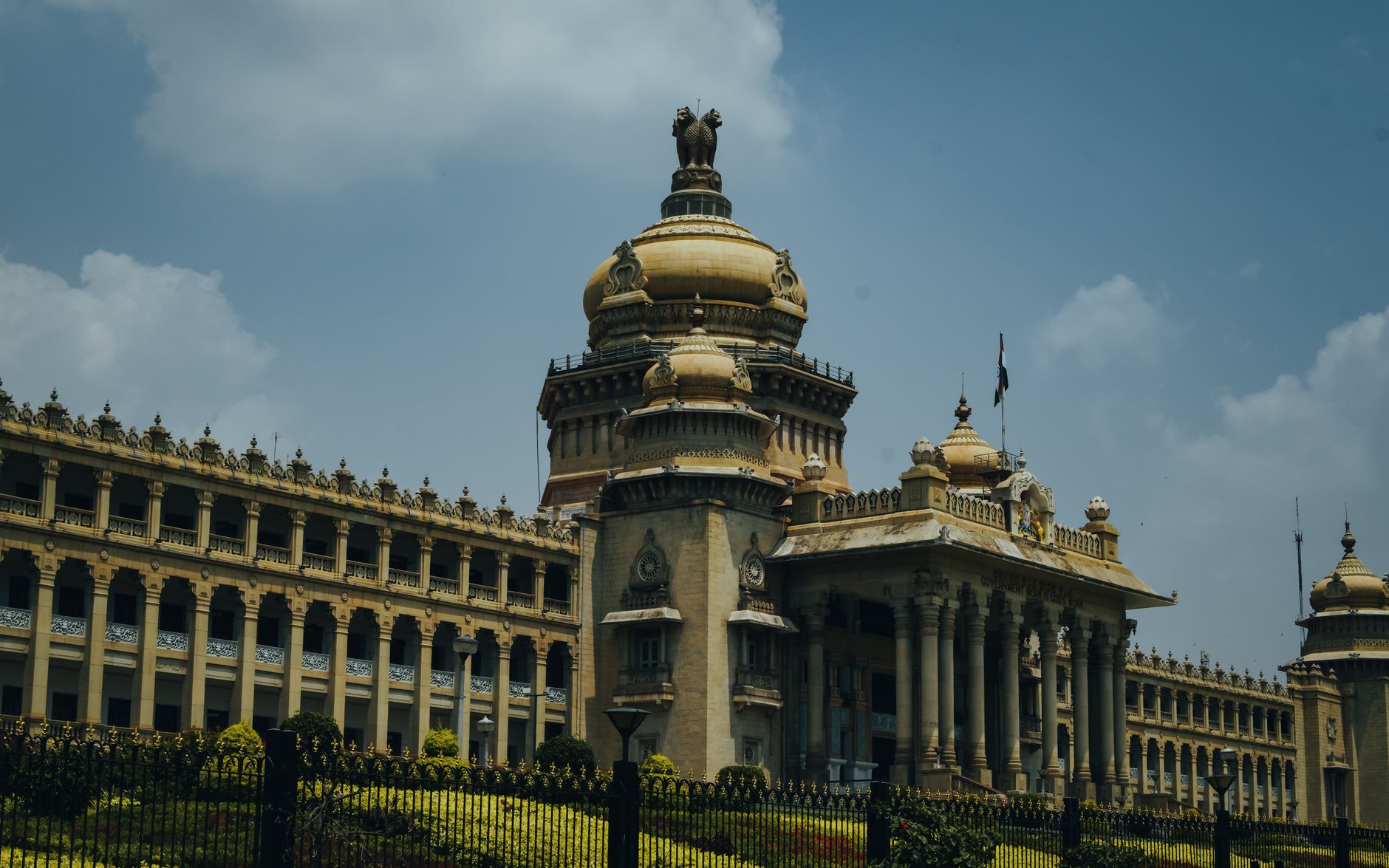 Photo: Akhil Dasari / Pexels
- Attractions
- 18
- Audio
- 6 h 50 min
- Trip length
- 3-5 days
- Best season
- October to February
Why Bengaluru
Built from cited sources · see the method · How we make our guides →
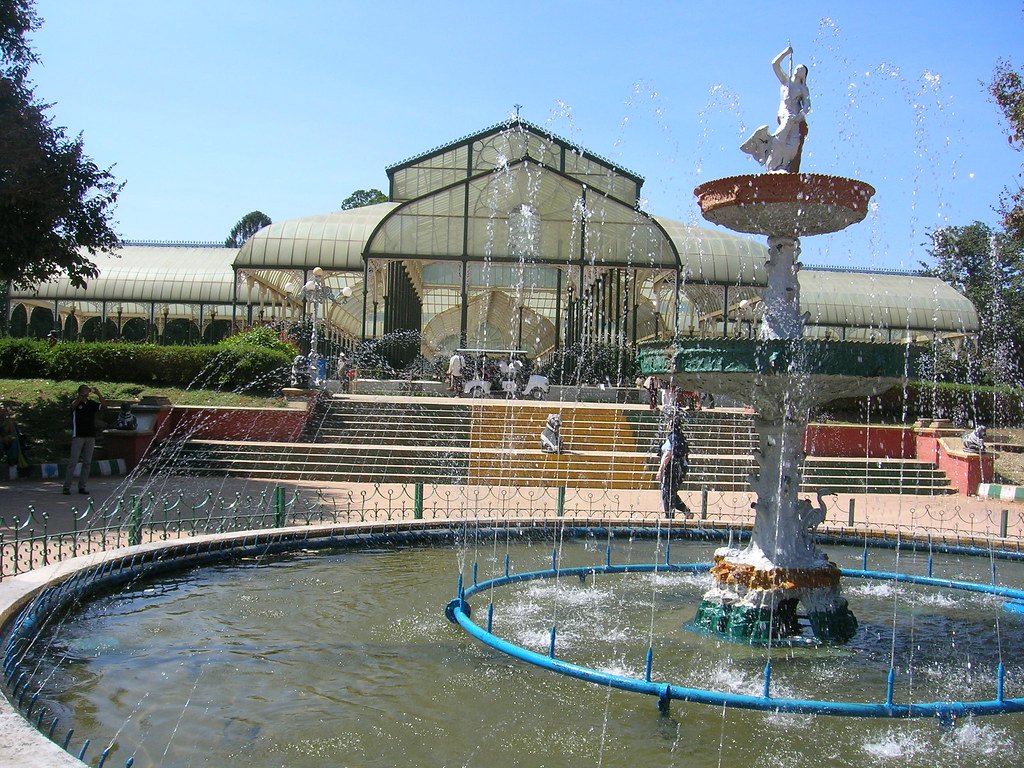
At its heart Bengaluru is a city of contrasting textures. Walk the shaded paths of Lalbagh Botanical Garden past the 19th-century Glass House and an ancient rocky outcrop crowned with a Kempegowda watchtower, then step into the frantic flower lanes of KR Market before 7 a.m. where thousands of marigolds and roses are sorted by hand. The same morning can take you from the red-colonial bulk of Attara Kacheri beside Cubbon Park to the rock-cut cave temple of Gavi Gangadhareshwara, where a shaft of sunlight strikes the lingam precisely at certain times of year.
The city rewards those who move between its old neighborhoods and its contemporary culture hubs. In Basavanagudi and Malleswaram you still find 80-year-old darshinis serving benne dosa and filter coffee the way they did in the 1940s; a short ride away the Museum of Art & Photography and Bangalore International Centre host cutting-edge exhibitions and conversations that reflect a distinctly South Indian modernity. This constant conversation between the very old and the very new is what makes Bengaluru feel alive.
Ultimately the city changes how you read urban India. It is not about grand monuments but about small, precise pleasures: the echo of a mridangam inside Ranga Shankara, the sudden cool breeze off Sankey Tank at dusk, or the sight of friends splitting one tumbler of coffee into two at a roadside stall. Once you notice these rhythms, you stop rushing between sights and simply start moving with the city.
Layered Green Heart
Lalbagh’s 250-year-old Kempegowda watchtower sits atop a 3-billion-year-old rock while the Glass House glows with seasonal flower shows. Pair it with Cubbon Park’s civic ensemble of Vidhana Soudha and Attara Kacheri at golden hour; the contrast between ancient granite and 19th-century red Gothic is pure Bengaluru.Neighbourhood Palimpsests
Basavanagudi’s Bugle Rock, Bull Temple and Gandhi Bazaar still smell of jasmine and filter coffee at 7 a.m. Walk five minutes to the rock-cut Gavi Gangadhareshwara Temple where the sun strikes the lingam precisely on Makara Sankranti. These pockets carry the city’s oldest rhythms beneath the tech gloss.Quiet Cultural Depth
The Museum of Art & Photography and NGMA in Manikyavelu Mansion deliver serious South Asian contemporary work without the crowds. In the evening, Ranga Shankara or Chowdiah Memorial Hall (shaped like a seven-stringed violin) offer Kannada theatre or classical music that most short-stay visitors never discover.Old-School Tiffin Culture
Malleswaram’s tiny Brahmin cafés still serve crisp dosas on banana leaves at dawn and frothy filter coffee in steel tumblers. The unhurried ritual of reading the newspaper while the davara clinks is one of the last genuine continuities between old and new Bengaluru.
Places to Visit
Not every monument, just the ones we'd walk you past ourselves.
-
The Glass House, Lal Bagh Botanical Gardens Nestled in the vibrant city of Bengaluru, Karnataka, the Glass House at Lal Bagh Botanical Gardens stands as a remarkable convergence of history,…
-
St. Mary'S Basilica, Bangalore St. Mary’s Basilica in Bangalore, also known as Bengaluru, is more than just a place of worship; it is a historical and cultural landmark that has witnessed…

-
Freedom Park, Bangalore Freedom Park in Bangalore, India, is a site that seamlessly blends historical significance with modern recreational amenities.

-
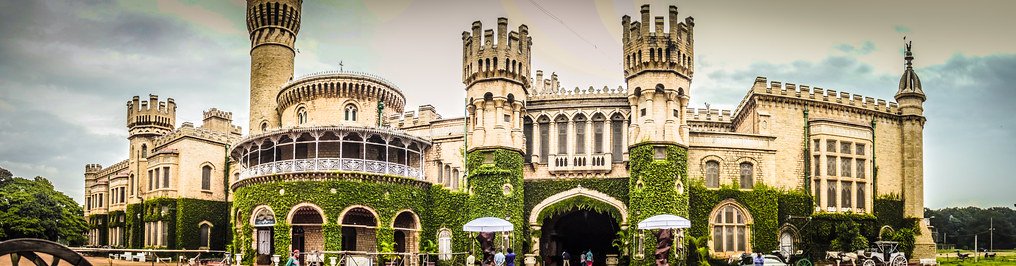
Bengaluru Palace Fun World Bengaluru is a renowned amusement park located in the vibrant city of Bengaluru, India.
-
Halasuru Someshwara Temple, Bangalore Flower sellers, traffic, then stone silence: this old Ulsoor Shiva temple folds Chola roots, Tamil saints, and Bengaluru's founding legend into one courtyard.

-
Cubbon Park Nestled in the vibrant heart of Bengaluru (formerly Bangalore), Cubbon Park stands as a verdant sanctuary blending rich colonial heritage, botanical…

- Iskcon Temple, Bengaluru Nestled atop Hare Krishna Hill in the vibrant city of Bengaluru, India, the ISKCON Temple Bengaluru—officially known as the Sri Radha Krishna Chandra…
- Turahalli Forest Nestled just 20 kilometers from the bustling heart of Bengaluru, Turahalli Forest stands as the city’s last surviving natural forest patch, offering a rare…
- Shree Dwadasha Jyotirlinga Shiva Temple Omkar Ashram, located in the vibrant city of Bangalore, India, serves as a profound center for spirituality, cultural preservation, and social service.
Neighborhoods
Where to wander, by quarter — each with its own rhythm.
Basavanagudi
The beating heart of old Bengaluru. Narrow streets hum with flower sellers, the 16th-century Bull Temple, Bugle Rock’s granite outcrop, and Gandhi Bazaar where locals still practice the by-two coffee ritual. Mornings here smell of jasmine, hot benne dosa from Vidyarthi Bhavan, and groundnut brittle during the annual Kadalekai Parishe fair.Malleswaram
A planned 19th-century Brahmin neighborhood that still moves to the rhythm of temple bells and filter coffee. Kadu Malleswara temple, the iconic CTR for benne masala dosa, bustling markets, and the violin-shaped Chowdiah Memorial Hall give it a distinct old-Bengaluru character that feels both scholarly and lived-in.Cubbon Park & Civic Core
The city’s green ceremonial heart. Shady 19th-century parkland bordered by the majestic Vidhana Soudha, the red Attara Kacheri High Court, the refreshed Namma Bengaluru Aquarium, and the Visvesvaraya Museum. Early mornings here offer the rare sound of birds over traffic.KR Market & Shivajinagar
Sensory overload in the best way. Before 7 a.m. the flower market becomes a riot of color and scent; nearby Russell Market and Mosque Road add layers of colonial architecture, street food, and, during Ramadan, fragrant trails of haleem and kebabs in Frazer Town.Indiranagar
The polished face of new Bengaluru. Tree-lined streets filled with craft-beer brewpubs like Toit, third-wave coffee roasters, brunch spots, and evening rooftops. It is where the city comes to drink, argue, listen to live music, and pretend it is not in Karnataka at all.Whitefield
The eastern technology and nightlife belt. Large-format brewpubs such as Windmills Craftworks with its in-house jazz theatre, tech campuses, and a slightly detached, self-contained energy that feels like Bengaluru’s younger, louder sibling.Gavipuram & Basavanagudi Extension
A quieter, geologically dramatic pocket built around the rock-cut Gavi Gangadhareshwara Temple. Often included in heritage walks that reveal forgotten Bengaluru — cave architecture, hidden temples, and the layered history that most visitors never reach.
Plan your trip
Before you go
- Getting There
- Kempegowda International Airport (BLR) in Devanahalli. BMTC Vayu Vajra airport buses run direct routes: KIA-09 to Kempegowda Bus Station (Majestic), KIA-05 to Banashankari, and KIA-14 to Royal Meenakshi Mall. As of 2026 there is still no operational metro link to the airport.
- Getting Around
- Namma Metro operates three lines in 2026: Purple (Whitefield–Challaghatta), Green (Nagasandra–Silk Institute) and Yellow (RV Road–Bommasandra). Buy 1-, 3- or 5-day unlimited QR mobile passes introduced in January 2026. BMTC buses remain essential; day passes cost ₹70 (ordinary) or ₹120 (Vajra AC). Use autos or app cabs for last-mile hops.
- Climate & Best Time
- December–February: 15–27 °C, dry and pleasant. March–May climbs to 34 °C before the monsoon. June–October brings heavy rain (peaking at 213 mm in September). Best window for comfortable sightseeing is December to mid-February when mornings are cool and evenings need only a light jacket.
- Language & Currency
- Kannada is the official language. English works in hotels, metro and most restaurants; Hindi is widely understood but not always welcomed first. Start conversations with “Namaskara” and “Kannada gothilla” if needed. Indian Rupee (₹); UPI QR payments are universal, even at street stalls.
03 Top tickets in Bengaluru.
Book ahead
Curated from places in this city. Same price as official sites.

Tipu Sultan'S Summer Palace
Tipu Palace + Koté Vishnu + Fort + KR Market + Jain Temple = Bengaluru Pété Walk
★5.0
from €28.43

Tipu Sultan'S Summer Palace
Bengaluru by Tuk Tuk
★4.9
from €75.12

Tipu Sultan'S Summer Palace
Old Bangalore Historical Walk thro Palace, Temples, Fort & Market
★5.0
from €18.95

Lal Bagh
Bengaluru in a Nutshell-Full Day Tour
★4.9
from €151.34

Karnataka Chitrakala Parishath
8-Hour Custom Private Tour of Bengaluru
★4.6
from €131.73
The Glass House, Lal Bagh Botanical Gardens
Lalbagh+Bull Temple+Tipu Palace+Market+Lunch=Bangalore City Tour
★5.0
from €32.65
Prices shown are indicative — final pricing and availability are confirmed at checkout. Audiala may receive a commission from bookings made via these links.
From Mud Fort to Silicon Plateau
Bengaluru’s layered journey through empires, gardens, and code
- c. 4000 BCE
Stone Tools on the Plateau
Prehistoric communities left behind stone tools and early settlements on the outskirts of what would become Bengaluru. These scattered finds speak of a landscape long inhabited before any city existed, where granite outcrops and seasonal streams shaped daily life for millennia.
- 890 CE
First Mention of Bengaluru
The Begur inscription records a “Bengaluru war,” the earliest written reference to the city’s name. Under Western Ganga rule, the area already held strategic value, with the Nageshvara temple at Begur rising as a stone witness to regional power struggles.
- 1537
Kempe Gowda Founds the City
Kempe Gowda I, a Vijayanagara feudatory, laid out a mud fort and the original Pete with its market streets on an auspicious day. He built tanks like Dharmambudhi and Sampangi, planted the seeds of urban order, and established the Bull Temple that still stands today.
- 1510
Kempe Gowda I
Born at Yelahanka, this Vijayanagara captain dreamed of a new capital. He founded Bengaluru in 1537, marked its boundaries with four watchtowers, and created the civic and sacred core that still anchors the old city. His vision turned a cluster of villages into a planned town.
- 1638
Bijapur Conquers Bengaluru
Ranadulla Khan and Shahaji Bhonsle stormed the fort, ending Kempe Gowda III’s rule. Shahaji received the town as a jagir, strengthened its walls, and improved its reservoirs. The city passed from local chieftains into the turbulent politics of the Deccan Sultanates.
- 1687
Mughals Sell Bengaluru to Mysore
Mughal general Kasim Khan captured the city for Aurangzeb. It was then sold to Chikkadevaraja Wodeyar of Mysore for three lakh rupees. This transaction folded Bengaluru into the expanding Wodeyar kingdom, where it would grow as a military and trading center.
Show the full timeline (25 moments)
- 1760
Hyder Ali Creates Lalbagh
Hyder Ali transformed Bengaluru into a major military and commercial hub. He laid out the Lalbagh garden with its carefully collected tropical plants and strengthened the city’s defenses. The garden’s cool groves offered respite from the plateau’s heat and became a symbol of his ambition.
- 1751
Tipu Sultan
Born at Devanahalli near Bengaluru, Tipu succeeded his father Hyder Ali in 1782. He completed the elegant Summer Palace inside the fort in 1791 and turned the city into a center of resistance against the British. His defeat in 1799 would reshape southern India’s political map.
- 1791
British Siege of Bangalore
Lord Cornwallis’s army besieged the fort from February to March. On 21 March, British troops stormed the walls in fierce fighting. The capture of Bengaluru during the Third Anglo-Mysore War marked the beginning of growing British influence in the region.
- 1799
Fall of Tipu and British Ascendancy
After Tipu Sultan’s death at Seringapatam, Bengaluru passed into the British-dominated order. The old Pete and new cantonment began their parallel existence, creating the distinctive “twin city” character that would define Bengaluru for the next 150 years.
- 1870
Cubbon Park Takes Shape
Named after British commissioner Mark Cubbon, the park was carved out of former marshland in the heart of the cantonment. Its shaded avenues, bandstand, and lawns quickly became the green lungs of colonial Bangalore, offering evening strolls and a touch of English order.
- 1889
Lalbagh Glass House Completed
Under John Cameron’s direction, the iconic Glass House rose in Lalbagh, modeled after London’s Crystal Palace. It hosted flower shows and public gatherings beneath its iron-and-glass structure, becoming one of the most photographed symbols of the Garden City.
- 1861
M. Visvesvaraya
The future engineer-statesman studied at Central College in Bangalore before shaping modern Mysore. As Dewan, he helped establish institutions that powered the city’s industrial growth. He died in Bangalore in 1962, remembered as the architect of the state’s progress.
- 1898
The Great Plague Strikes
Bubonic plague killed around 3,500 people in the city. The crisis forced sweeping sanitation reforms, new building regulations, and the creation of planned extensions like Basavanagudi and Malleshwaram. The outbreak reshaped Bengaluru’s urban fabric and public health systems.
- 1909
IISc is Founded
Jamsetji Tata’s vision materialized when the Indian Institute of Science opened on 371 acres donated by the Mysore ruler. Its first students arrived in 1911. The institute would turn Bengaluru into a scientific powerhouse, attracting minds like C.V. Raman.
- 1888
C. V. Raman
The Nobel laureate moved to Bengaluru in 1933 to direct the Indian Institute of Science. He founded the Raman Research Institute here and the Indian Academy of Sciences. The city’s scientific atmosphere allowed him to pursue groundbreaking work on light and sound.
- 1940
Hindustan Aircraft Established
Hindustan Aircraft Limited was founded in Bangalore on 23 December 1940. During World War II, the factory and IISc supported the war effort by repairing aircraft and training personnel. This marked the beginning of Bengaluru’s long relationship with aerospace and defense industry.
- 1947
Independence and State Capital
On 15 August 1947, Bengaluru became the capital of Mysore State. The old city and cantonment were politically unified. The former colonial twin cities merged into one metropolis that would soon drive India’s industrial and scientific ambitions.
- 1956
Vidhana Soudha Completed
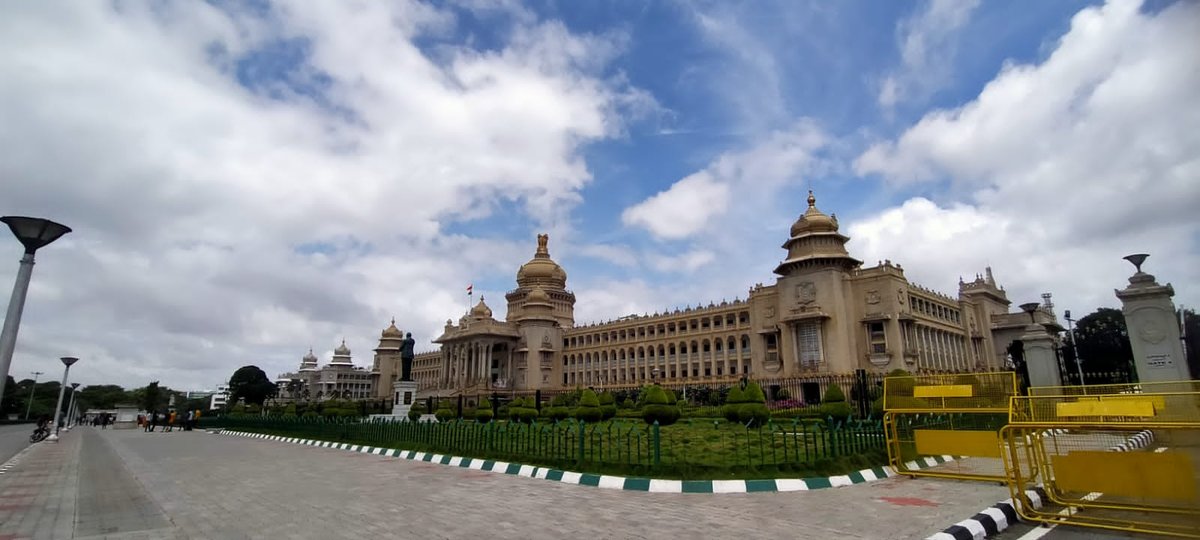
Chief Minister Kengal Hanumanthaiah’s grand neo-Dravidian secretariat building was inaugurated in 1956. Its massive scale and intricate stone carvings proclaimed the pride of the newly reorganized state. The building still dominates the city’s skyline as a symbol of Kannada political identity.
- 1969
ISRO Headquarters in Bengaluru
The Indian Space Research Organisation was founded on 15 August 1969 with its headquarters in Bengaluru. The city’s scientific infrastructure and pleasant climate made it the natural choice. Bengaluru has remained the nerve center of India’s space program ever since.
- 1981
Infosys Begins the IT Revolution
Infosys was founded in 1981 and moved its headquarters to Bangalore in 1983. Its later shift to Electronic City in 1994 symbolized the city’s transformation into India’s premier software hub. The IT boom brought global capital, new wealth, and massive demographic change.
- 2008
Kempegowda International Airport Opens
On 24 May 2008, the new airport replaced the old HAL facility, giving the city a world-class gateway. Named after the founder Kempe Gowda, it marked Bengaluru’s arrival as a truly global metropolis while also highlighting the infrastructure challenges of rapid growth.
- 2011
Namma Metro Begins Service
The first section of Bengaluru’s metro opened on 20 October 2011. Elevated tracks began cutting across the congested city, offering residents their first taste of rapid transit. The system has since expanded but remains a work in progress that reflects the city’s ambitious, messy growth.
- 2014
Bangalore Becomes Bengaluru
On 1 November 2014, the city officially reclaimed its Kannada name Bengaluru. The change was more than symbolic; it represented a renewed assertion of local identity after decades of anglicized branding. The old name still lingers in popular memory and global perception.
- 2023
Museum of Art & Photography Opens
The MAP museum opened its doors in 2023, bringing world-class exhibition spaces and digital interpretation to the city. Its focus on modern and contemporary South Asian art added a significant new cultural anchor to a metropolis long known more for technology than visual arts.
Who lived here
-
Founder of Bengaluru · 1510–1569
Kempe Gowda I
Born at Yelahanka, founded the city
In 1537 this local chieftain decided a fortified town should sit between four specific banyan trees. He built the mud fort that still marks the heart of the old city. Today when you stand near the Bull Temple or walk through KR Market you are moving through the exact geography he chose.
-
Physicist · 1888–1970
C. V. Raman
Lived and worked in Bengaluru
He moved to Bengaluru in 1933 to lead the Indian Institute of Science and never really left. Here he built the Raman Research Institute and continued his work on light scattering that had already won him the Nobel. He would probably smile at the fact that the same city now hosts one of India’s best science museums right next to Cubbon Park.
-
Engineer and Statesman · 1861–1962
M. Visvesvaraya
Studied and worked in Bengaluru
After studying at Central College he returned as Dewan of Mysore and helped shape modern Bengaluru’s institutions. The city still uses the water supply systems and planning ideas he championed. You can see his statue near the museum that carries his name, watching over the park he helped define.
-
Cricketer · born 1970
Anil Kumble
Born and raised in Bengaluru
He learned leg-spin on the streets and maidans of Bengaluru before becoming India’s highest wicket-taker for many years. The same city that once watched him bowl now sees him return to coach and support local academies. Bengaluru’s cricket obsession runs deep and Kumble remains one of its clearest symbols.
-
Actor · born 1986
Deepika Padukone
Raised in Bengaluru
She went to school at Mount Carmel College and learned classical dance here before moving into films. Even after global success she still speaks of Bengaluru as the place that shaped her discipline. When she returns, the city treats her like the girl from Indiranagar who made it big.
Where to Eat
Where locals actually book dinner — not the tourist menus.
Insider tips
Small things that change how the city treats you.
Visit Early Mornings
Reach KR Market flower lanes before 7 a.m. and Lalbagh at opening to experience the city’s sensory rhythm before traffic and crowds arrive. The light, smells, and pace feel completely different.Stand at Darshinis
Order a benne masala dosa and by-two filter coffee at Vidyarthi Bhavan or CTR, eat standing up, and move on. This is how locals actually experience Bengaluru’s food culture.Use Metro + Autos
The metro is fast and clean between Majestic and Indiranagar. For older neighborhoods like Basavanagudi and Malleswaram, take the metro then switch to an auto; avoid cabs in peak traffic.Skip Service Charges
Restaurants sometimes add a mandatory service charge. You are not required to pay it. Politely ask for it to be removed; recent consumer rulings support your right to do so.Choose Weekday Treks
For Nandi Hills or Savandurga, go mid-week. Weekends bring heavy crowds and traffic that erase the calm that makes these short escapes worthwhile.Try By-Two Coffee
In Basavanagudi and Gandhi Bazaar, ask for by-two coffee. You’ll share a tumbler with a stranger and instantly understand an old Bengaluru ritual that still thrives.
Gallery
The city, as it actually looks.


Watch
-
Mark Wiens $1 Indian Street Food - CHEAPEST and Best Food in Bengaluru, India!!
-
Srihari Karanth Bengaluru in 4K | Cinematic Video
-
SugarSpiceNice India 7 *best* Things To Do in BENGALURU | Famous Idli, Tourist Places, Five Star Buffet in Bangalore
-
Max Chernov This walk in Bangalore changed my view of India
Frequently asked
Is Bengaluru worth visiting?
Yes, if you like layered cities where old neighborhoods, science institutions, and craft beer coexist. Bengaluru rewards slow exploration of Basavanagudi, Cubbon Park museums, and live culture venues more than ticking off monuments.
How many days do you need in Bengaluru?
Three full days is the realistic minimum. One day for central green core (Cubbon Park, Vidhana Soudha, museums), one for old Bengaluru (Basavanagudi, Malleswaram, KR Market), and one for a day trip like Nandi Hills or Savandurga.
Is Bengaluru safe for solo travelers?
Central and southern neighborhoods are generally safe during daylight. Women travelers should avoid isolated areas after dark and use ride apps with shared options in the evening. The city feels lived-in rather than tourist-polished.
What is the best time to visit Bengaluru?
October to February offers the most pleasant weather. Avoid April and May when temperatures regularly cross 35°C. Monsoon brings heavy rain but also dramatic skies over the old neighborhoods.
How expensive is Bengaluru for tourists?
It is budget-friendly for food and local transport but mid-range for stays. A good darshini breakfast costs under ₹100 while craft beer in Indiranagar easily reaches ₹600–800 per pint. Heritage walks and most parks are cheap or free.
Should I visit Bengaluru or go straight to Mysore?
Spend at least two nights in Bengaluru if you want to understand Karnataka’s urban personality. The contrast between old temple streets in Basavanagudi and the modern cultural scene makes the city more than a transit point.
All Places to Visit.
84 places to discover
Place
The Glass House, Lal Bagh Botanical Gardens

Place
St. Mary'S Basilica, Bangalore

Place
Freedom Park, Bangalore
Place
Turahalli Forest
Place
Shree Dwadasha Jyotirlinga Shiva Temple
Place
Bengaluru Palace

Place
Halasuru Someshwara Temple, Bangalore
Place
Cubbon Park
Place
Jawaharlal Nehru Planetarium, Bengaluru
Place
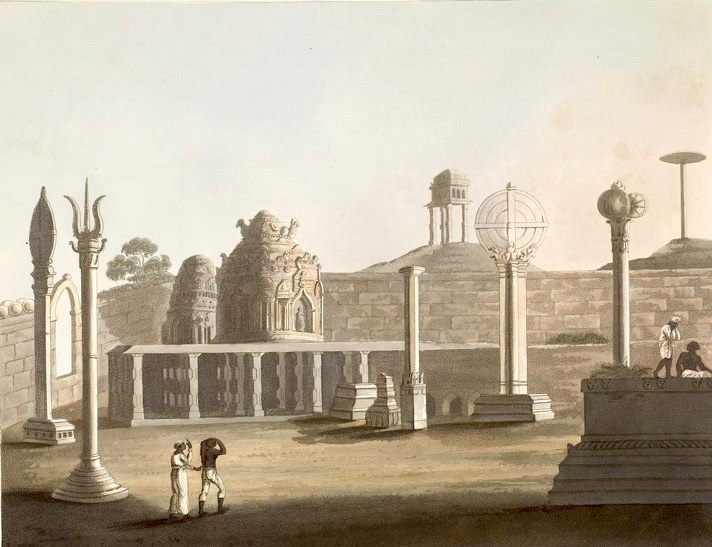
Gavi Gangadhareshwara Temple
Place
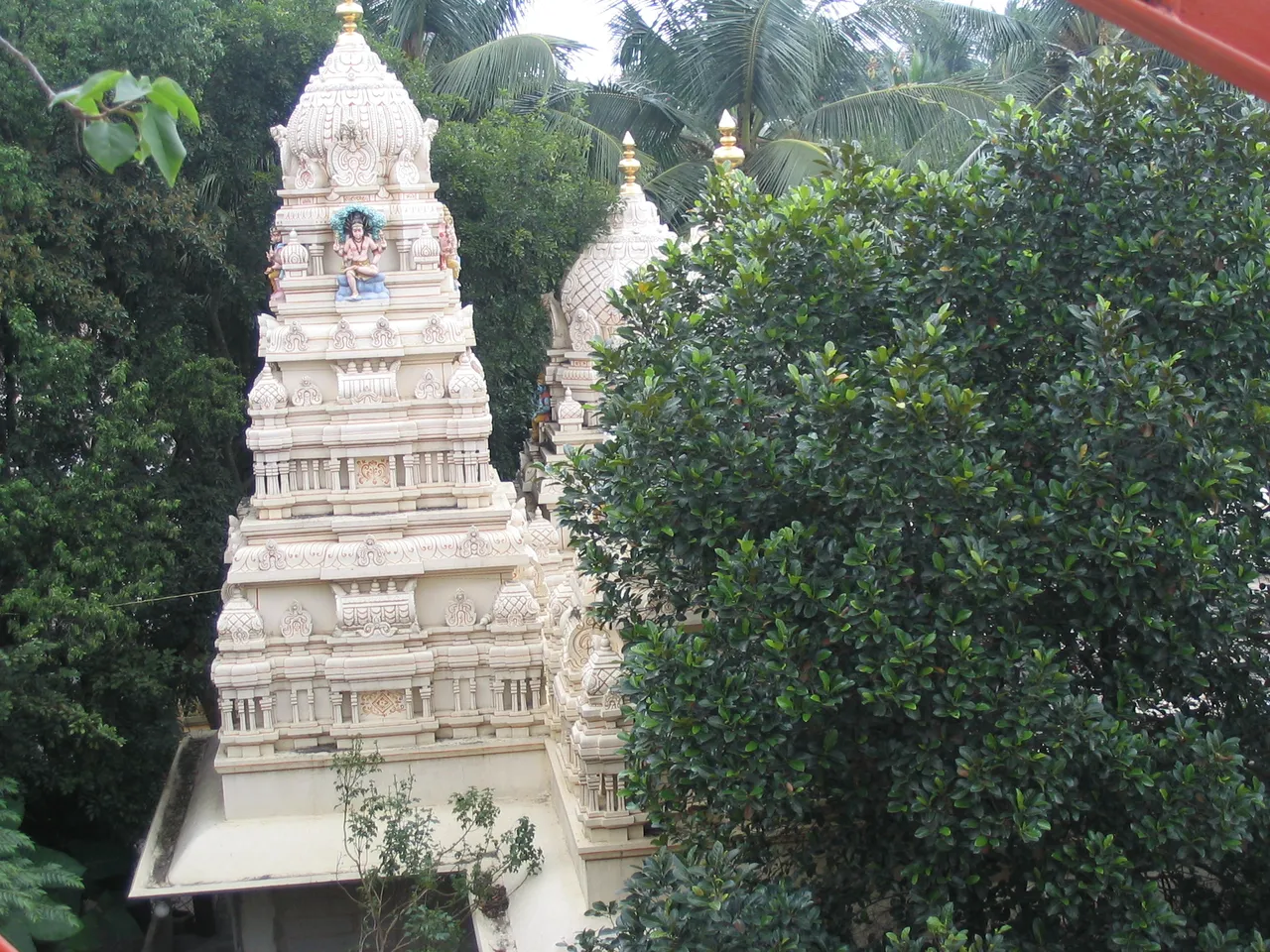
Ragigudda Anjaneya Temple
Place
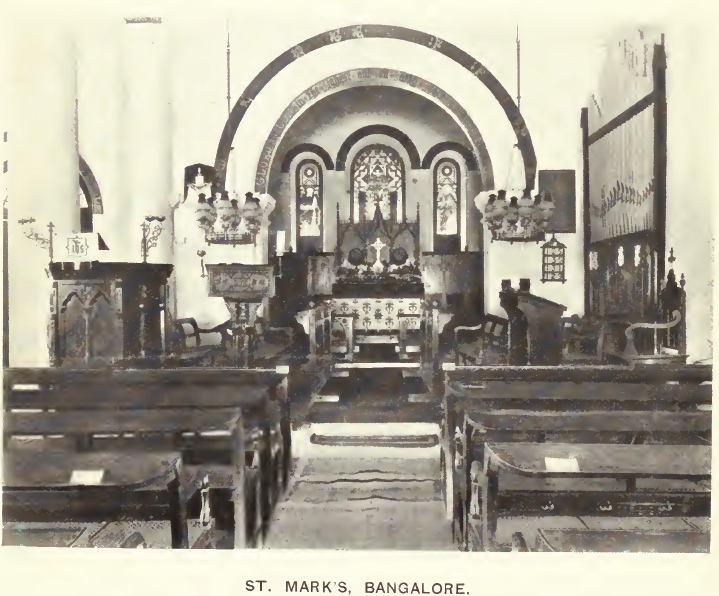
St. Mark'S Cathedral, Bangalore
Place
Ranganathaswamy Temple, Bangalore
Place
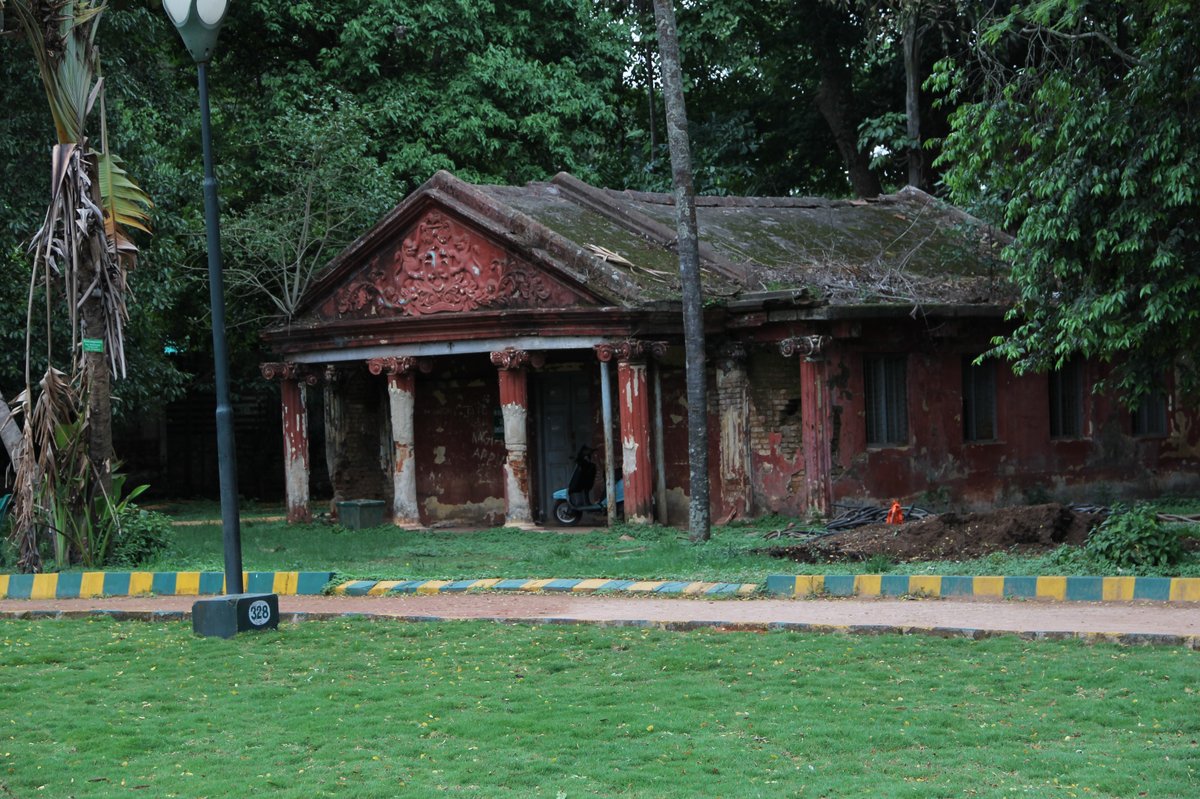
Lal Bagh
Place
Visvesvaraya Industrial and Technological Museum

Place
Bengaluru Aquarium
Place
Daly Memorial Hall
Place
Dharmaraya Swamy Temple
Place
Hulimavu Cave Temple
Place
National Gallery of Modern Art, Bengaluru
Place
Puttenahalli Lake

Place
Madiwala Lake
Place
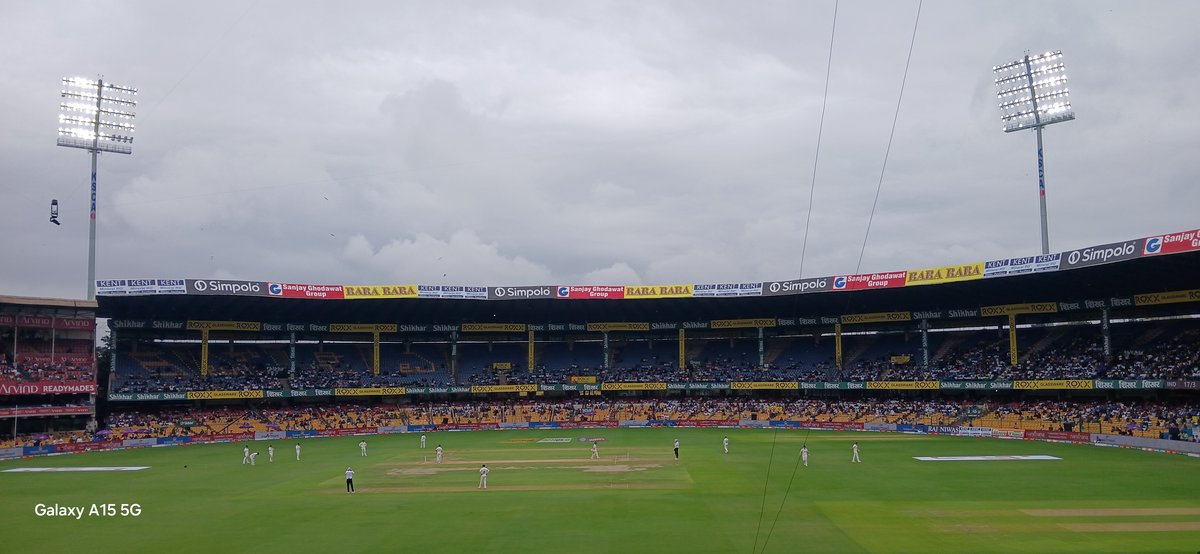
M. Chinnaswamy Stadium
Place
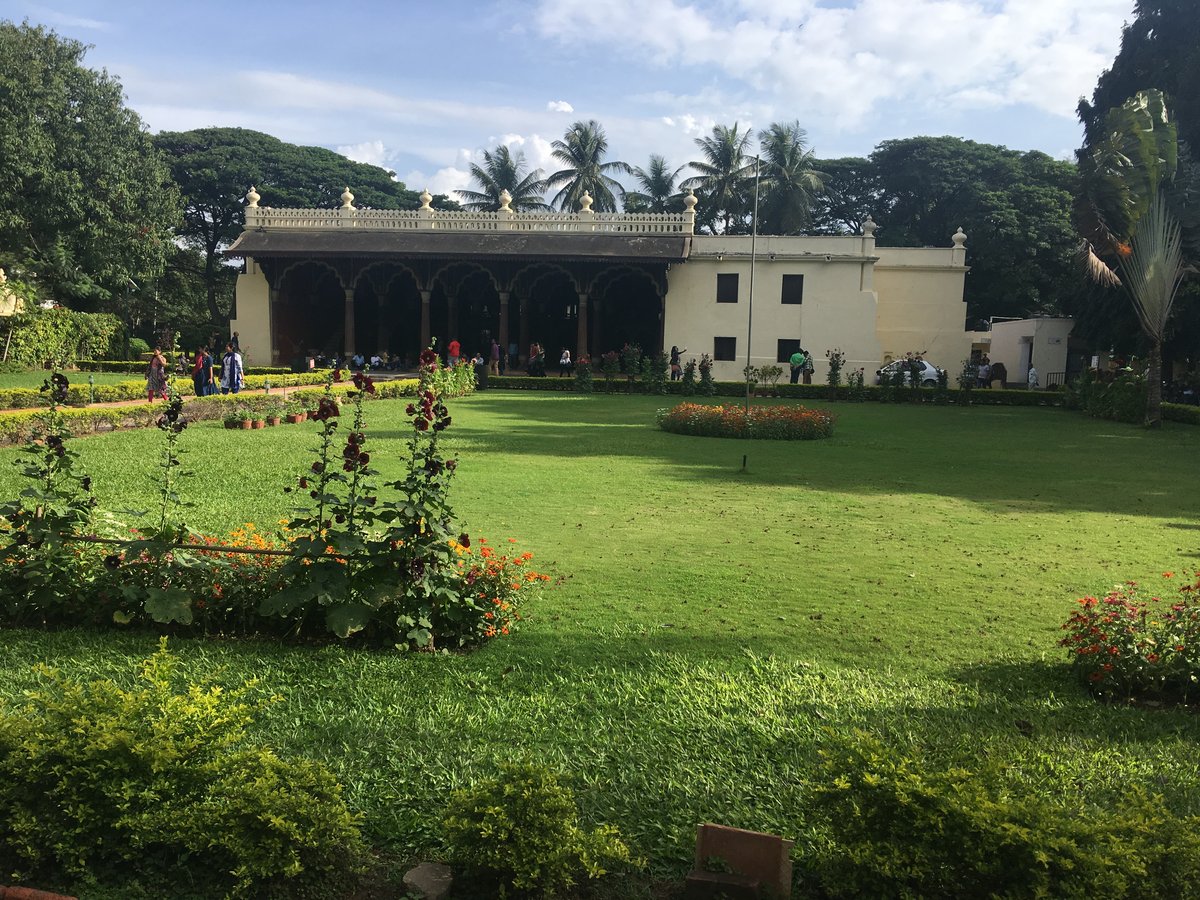
Tipu Sultan'S Summer Palace
Place
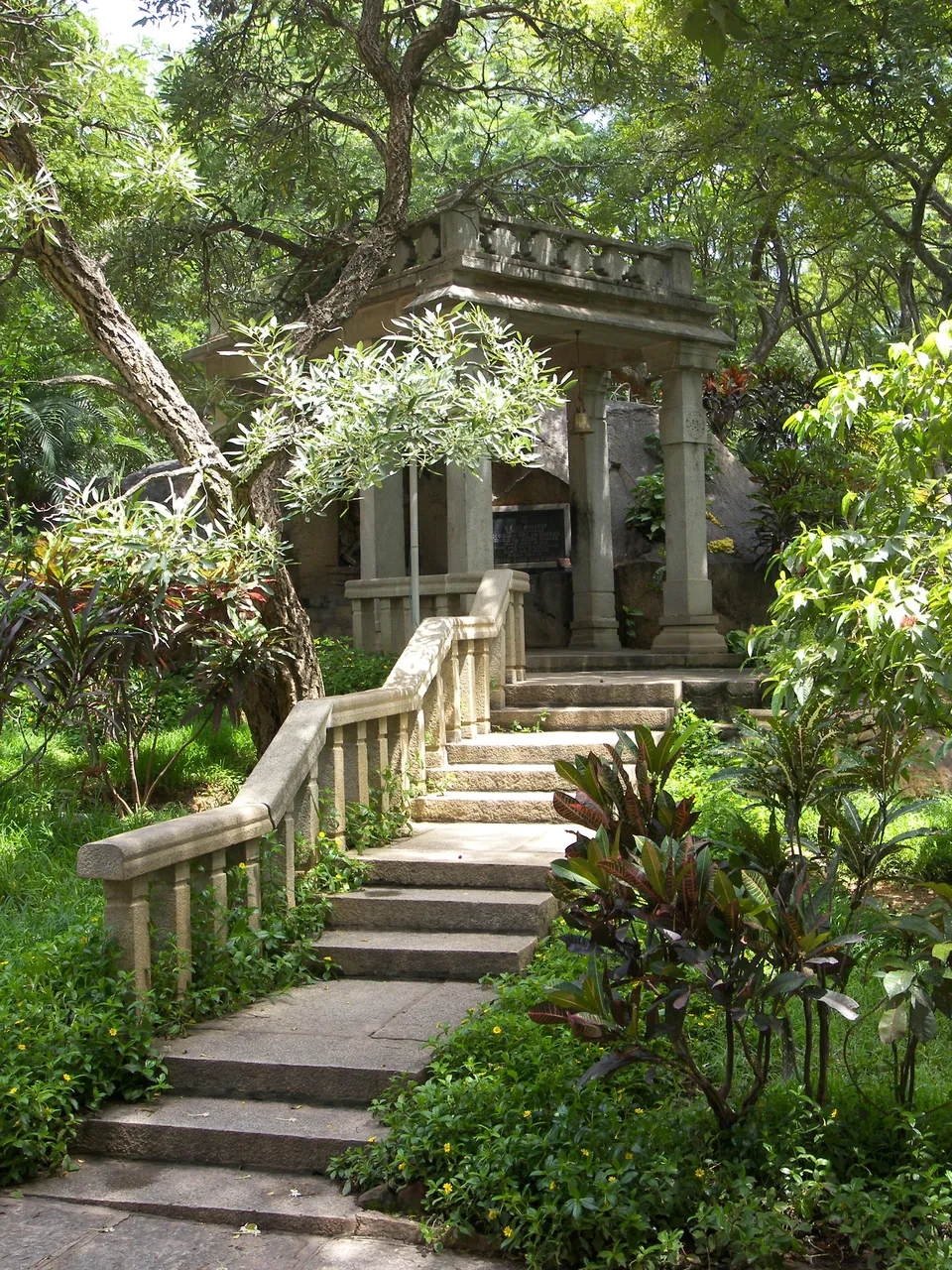
Karnataka Chitrakala Parishath
Place
Kempegowda Museum
Place
Vidhana Soudha

Place
Bengaluru Fort
Place
Sree Kanteerava Stadium
Place
Ghati Subramanya
Place
Bengaluru Football Stadium

Place
Raj Bhavan

Place
Bangalore Town Hall

Place
Kanteerava Indoor Stadium

Place
Public Utility Building, Bangalore

Place
Attara Kacheri
Place
World Trade Center, Bengaluru

Place
Ravindra Kalakshetra
Place
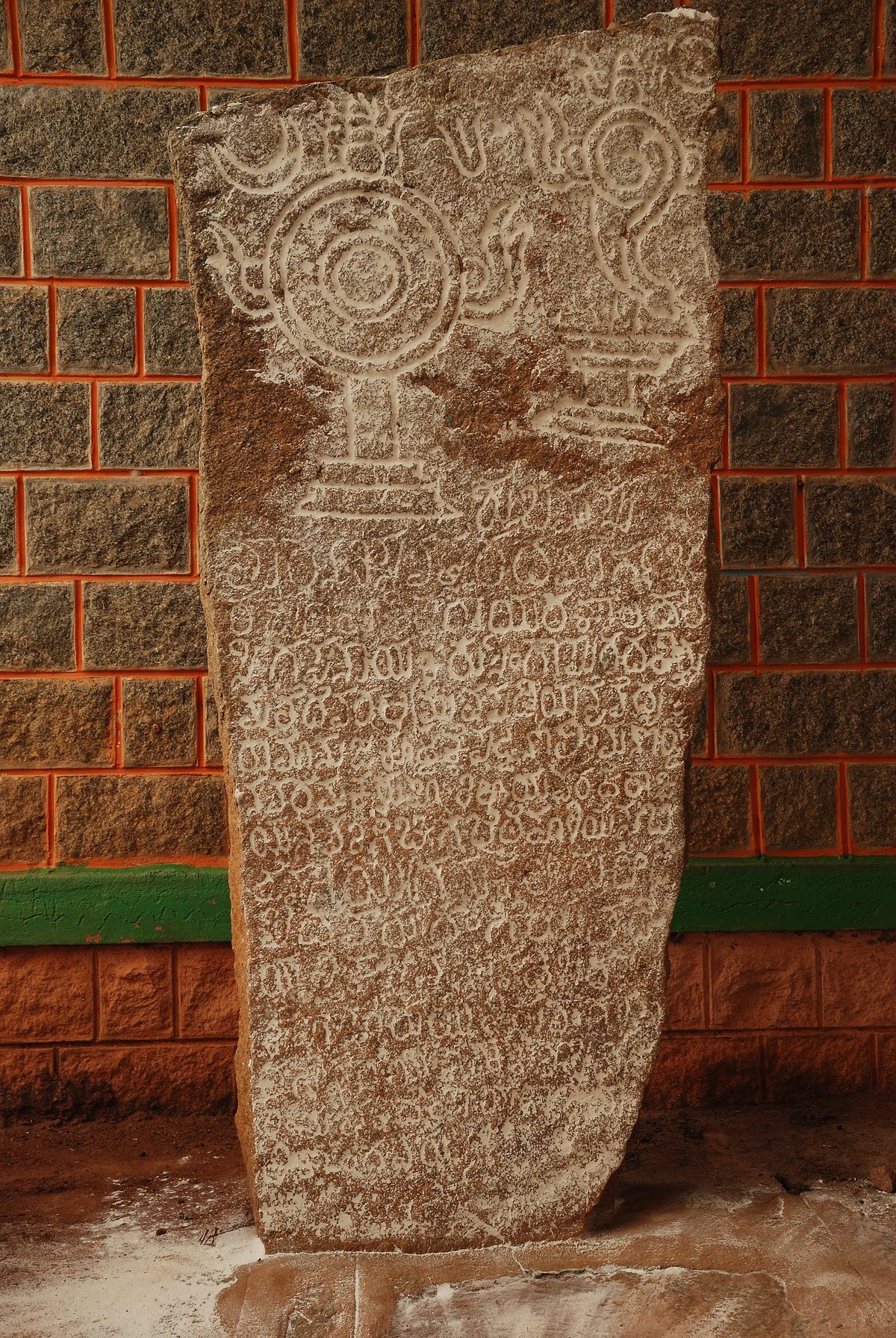
Chikkabettahalli Inscription

Place
Alliance University
Place
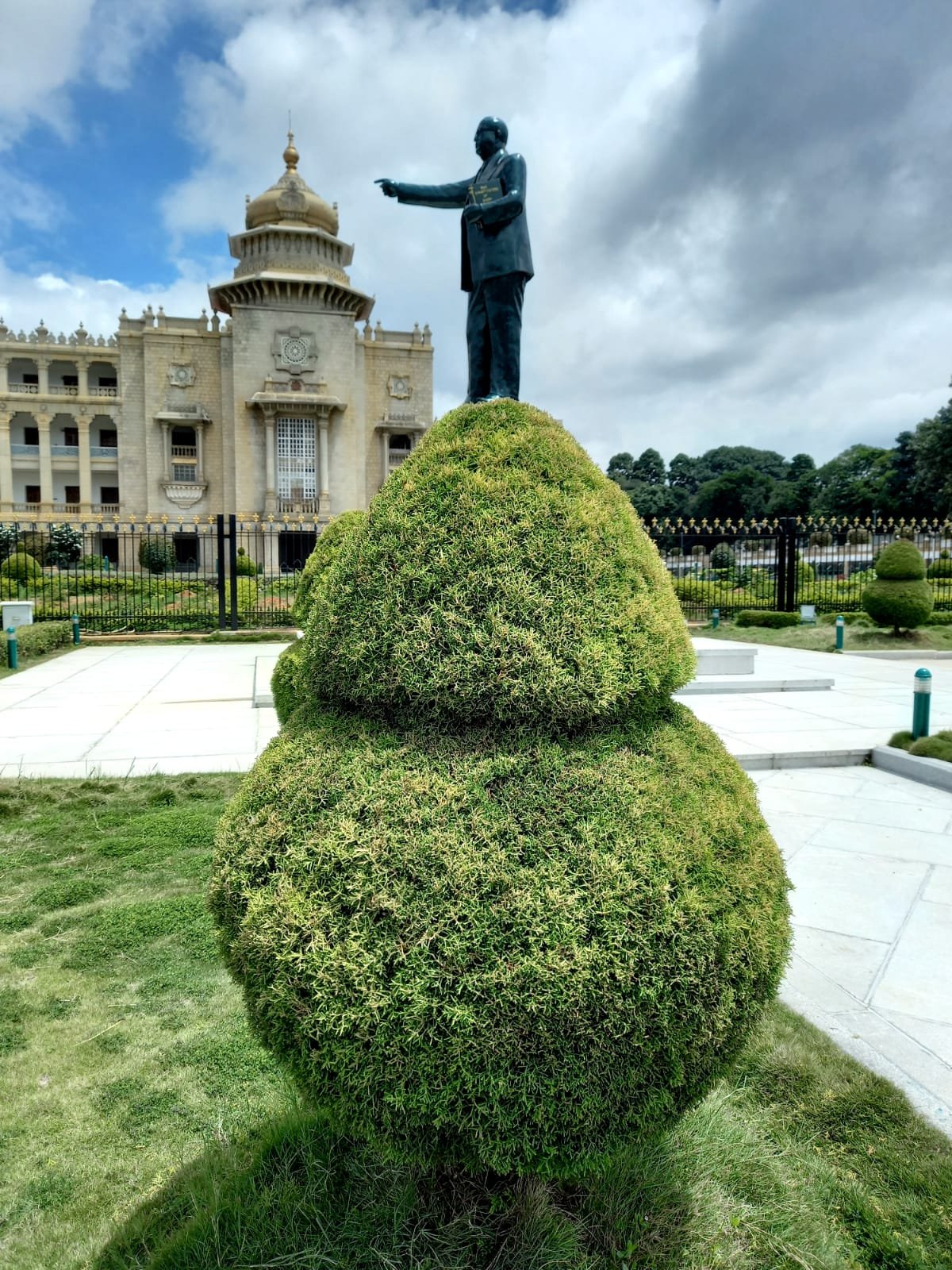
Ambedkar Statue
Place
Azim Premji University
Place
Bengaluru City University
Place
Bengaluru Dr. B. R. Ambedkar School of Economics University
Place
Bengaluru University
Place
Bishop Cotton Boys' School
Place
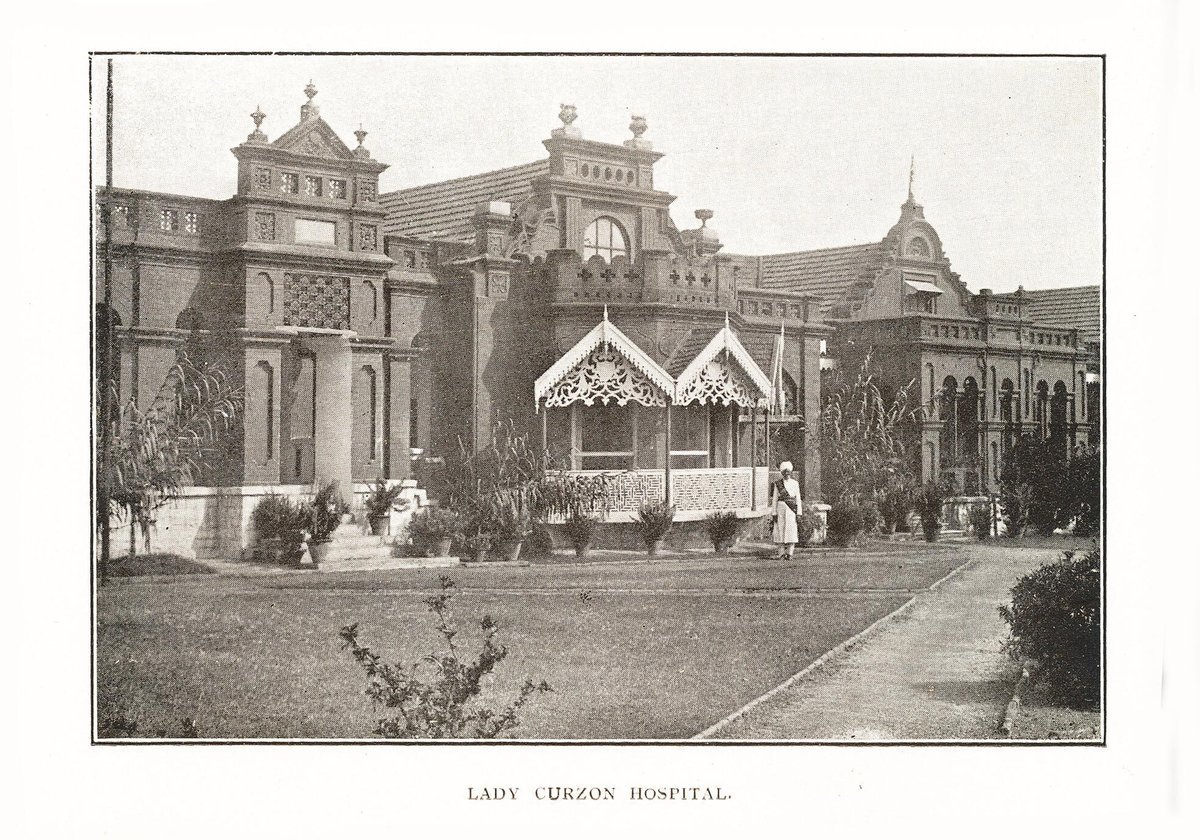
Bowring & Lady Curzon Hospitals
Showing 1–48 of 84 places
Pick up where you left off
Saved and recently read places — kept on this device only.
Photo credits (3)
- Akhil Dasari — Pexels License (https://www.pexels.com/license/) — Source: https://www.pexels.com/photo/36817688/
- Aditya Oberai — Pexels License (https://www.pexels.com/license/) — Source: https://www.pexels.com/photo/35112432/
- Aseem Borkar — Pexels License (https://www.pexels.com/license/) — Source: https://www.pexels.com/photo/31351497/
Photos may have been resized or cropped.