
Early Foundations and Colonial Beginnings
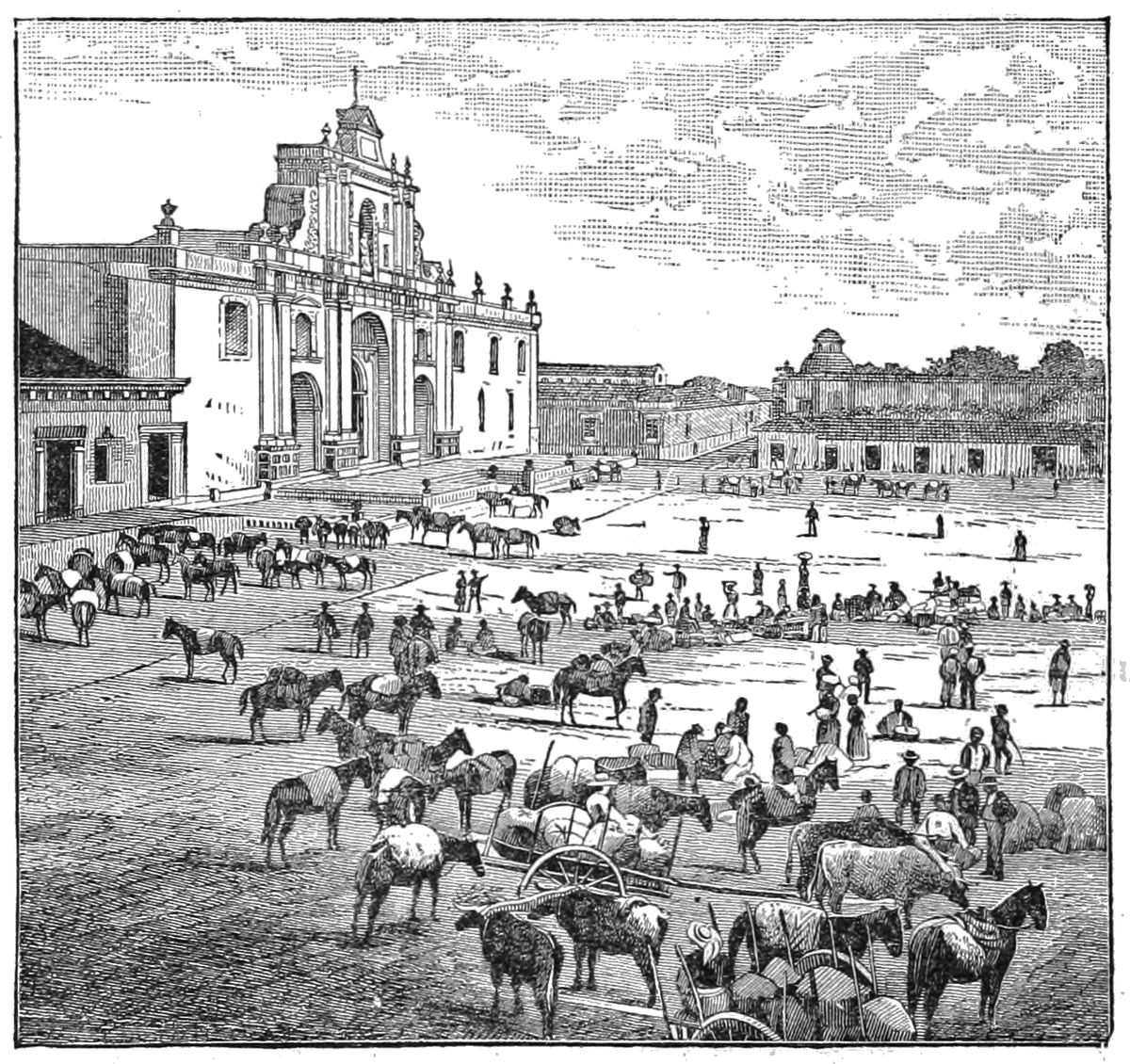
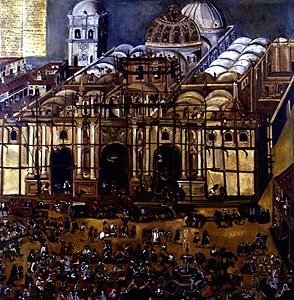
The cathedral’s history begins in 1541, following the relocation of the capital to Antigua after the destruction of the previous city by a lahar. The initial cathedral reflected the city’s ambitions as the capital of the Kingdom of Guatemala and the central hub for Spanish colonial governance and Catholic evangelization (OkAntigua; Galen Frysinger). Early structures were modest due to scarce resources and frequent seismic events, but as Antigua grew, so did the vision for its cathedral.
Baroque Construction and Mastery
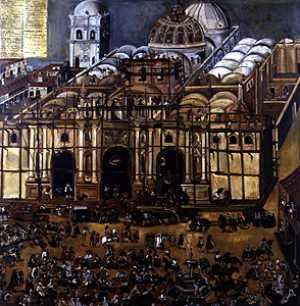
After repeated earthquake damage and the demolition of the original cathedral by 1669, Joseph de Porres—a master of Baroque architecture—oversaw the construction of a grander cathedral, consecrated in 1680. This iteration introduced a majestic white façade, intricate sculptures, dual bell towers, and a richly adorned interior featuring chapels, altars, and a central dome. The cathedral became one of Central America’s largest and most artistically significant churches, housing the remains of notable figures such as Pedro de Alvarado and Beatriz de la Cueva (OkAntigua).
Earthquakes and Decline
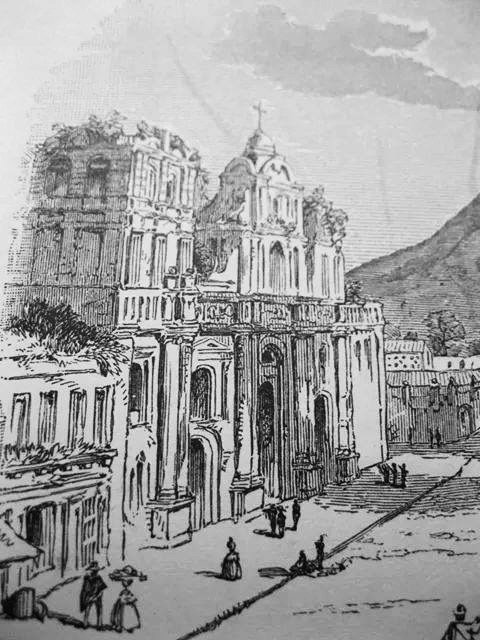
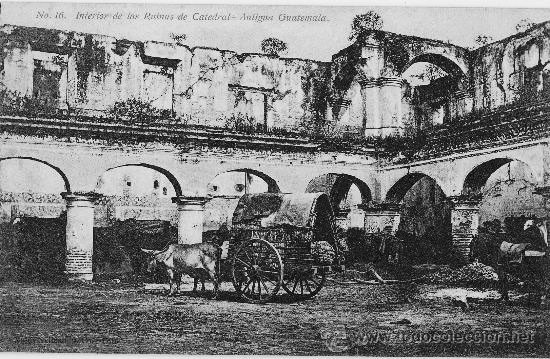
Antigua Guatemala’s seismic location meant the cathedral suffered frequent damage, with the catastrophic Santa Marta earthquakes of 1773 inflicting near-total destruction. The collapse of the nave and bell towers prompted the relocation of the capital to present-day Guatemala City, leaving the cathedral as a haunting ruin (Martsam Travel; Galen Frysinger).
Restoration and Modern Significance
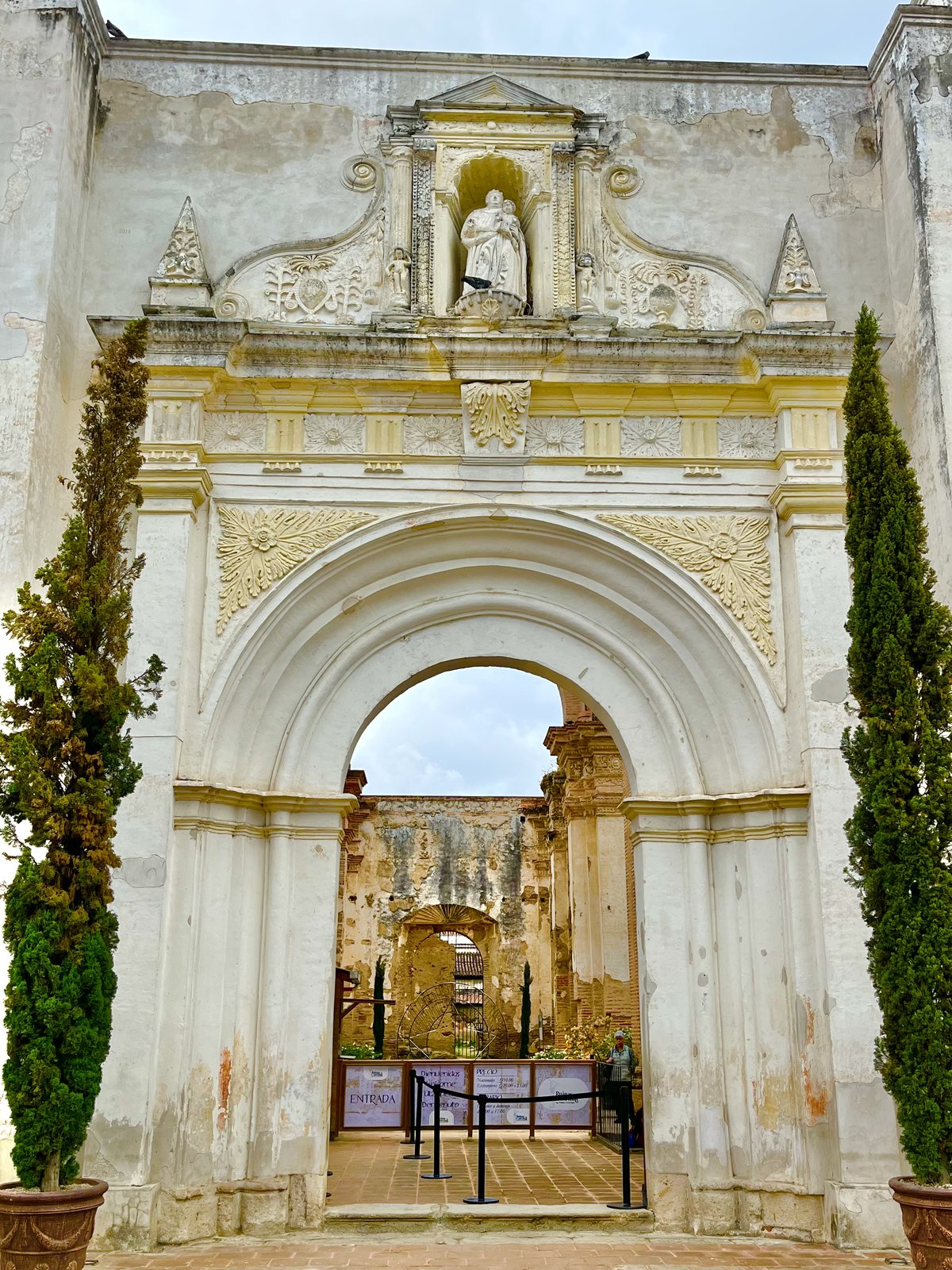
Despite the devastation, restoration efforts in the 19th and 20th centuries preserved the cathedral’s façade and two towers. Today, the San José Parish operates within the restored section, while much of the original structure remains accessible as atmospheric ruins. Both elements together represent Antigua’s resilience and its layered, living history (GPSmyCity; Claire’s Itchy Feet).
Cathedral’s Role in Antigua’s Urban and Spiritual Life
The cathedral’s prime location on Parque Central cements its status as Antigua’s civic and spiritual centerpiece. It is the focal point for major religious events, most notably Semana Santa (Holy Week), when elaborate processions, alfombras (sawdust carpets), and religious floats animate the city (Spanish Academy Antigüeña). The blending of indigenous and Catholic traditions is evident in rituals and iconography, reflecting Guatemala’s unique syncretic culture. The cathedral also functions as a hub for community gatherings, concerts, and social initiatives, reinforcing its significance beyond religion (Wayless Travelers).
Visitor Information
Hours and Ticketing
- San José Parish (Active Church) Open daily, typically from 7:00 AM to 6:00 PM. Hours may vary during religious events.
- Ruins Open daily from 9:00 AM to 5:00 PM. Entry is by ticket only.
- Tickets Entry to the ruins costs approximately Q20 for foreigners and Q10 for Guatemalan nationals (about $2.50 and $1.30 USD, respectively). The active parish is free to enter, though donations are appreciated (Maximo Nivel; OkAntigua).
Accessibility
- Active Parish Wheelchair accessible, with minimal steps.
- Ruins Uneven surfaces, stairs, and rough terrain may pose challenges for visitors with limited mobility.
Travel Tips
- Best Time to Visit Early mornings or weekdays to avoid crowds, particularly during major festivals.
- Dress Code Modest attire is recommended; shoulders and knees should be covered.
- Photography Permitted in the ruins and exterior areas. Photos inside the parish should be discreet, especially during services.
- Guided Tours Available through local operators and highly recommended for historical context.
- Facilities Restrooms are not available within the complex; use nearby facilities in Parque Central or local cafes.
- Language Most signage is in Spanish; basic English is spoken. Learning simple Spanish phrases enhances the experience.
Nearby Attractions
- Parque Central The city’s main square, perfect for relaxing or people-watching.
- La Merced Church, Convento de Capuchinas, Santa Catalina Arch All within walking distance and offer further insights into Antigua’s colonial history.
- Markets and Cafés Sample local crafts, textiles, and cuisine in the vibrant surroundings of the cathedral.
Frequently Asked Questions (FAQ)
Q: What are the Antigua Guatemala Cathedral visiting hours?
A: The parish is open daily from 7:00 AM to 6:00 PM; the ruins are open from 9:00 AM to 5:00 PM.
Q: How much are tickets for the cathedral ruins?
A: Q20 for foreigners, Q10 for Guatemalan nationals. Entry to the parish is free.
Q: Can I buy tickets online?
A: Tickets must be purchased in person at the entrance to the ruins.
Q: Are guided tours available?
A: Yes, local operators and city tours frequently include the cathedral.
Q: Is the cathedral accessible for visitors with mobility issues?
A: The parish is accessible, but the ruins have uneven ground and steps.
Q: Is photography allowed?
A: Photography is encouraged in the ruins and exterior. Inside the parish, be discreet and respectful.
Legacy and Ongoing Preservation
The Antigua Guatemala Cathedral is both a functioning church and a monument to the city’s turbulent yet inspiring history. Ongoing preservation efforts, supported by local and international organizations, are vital to maintaining both the restored parish and the evocative ruins. The cathedral’s UNESCO World Heritage status ensures international recognition and protection, safeguarding its legacy for future generations (Martsam Travel; Sacred Wanderings).