
Introduction to Gasometer Pforzheim
The Gasometer Pforzheim, a monumental structure built in 1909, stands as a remarkable testament to the industrial heritage of Pforzheim, Germany. Originally serving as a crucial component of the city's gasworks system, the Gasometer played a significant role in supporting Pforzheim's thriving jewelry and watchmaking industries during the late 19th and early 20th centuries. Today, this iconic cylindrical building has been transformed into a vibrant cultural hub, reflecting a broader trend in Germany where former industrial sites are repurposed for art, culture, and community engagement (Gasometer Pforzheim Official Website). Visitors to the Gasometer can explore its rich historical significance, marvel at its unique architecture, and immerse themselves in a variety of cultural events and exhibitions, including the breathtaking 360° panoramas created by renowned artist Yadegar Asisi. This comprehensive guide will provide you with all the essential information you need to plan your visit, including historical insights, visiting hours, ticket prices, and tips for making the most of your experience.
Photo Gallery
Explore Gasometer Pforzheim in Pictures
Colorful street art mural captured in the urban area of Pforzheim, showcasing local artistic expression.
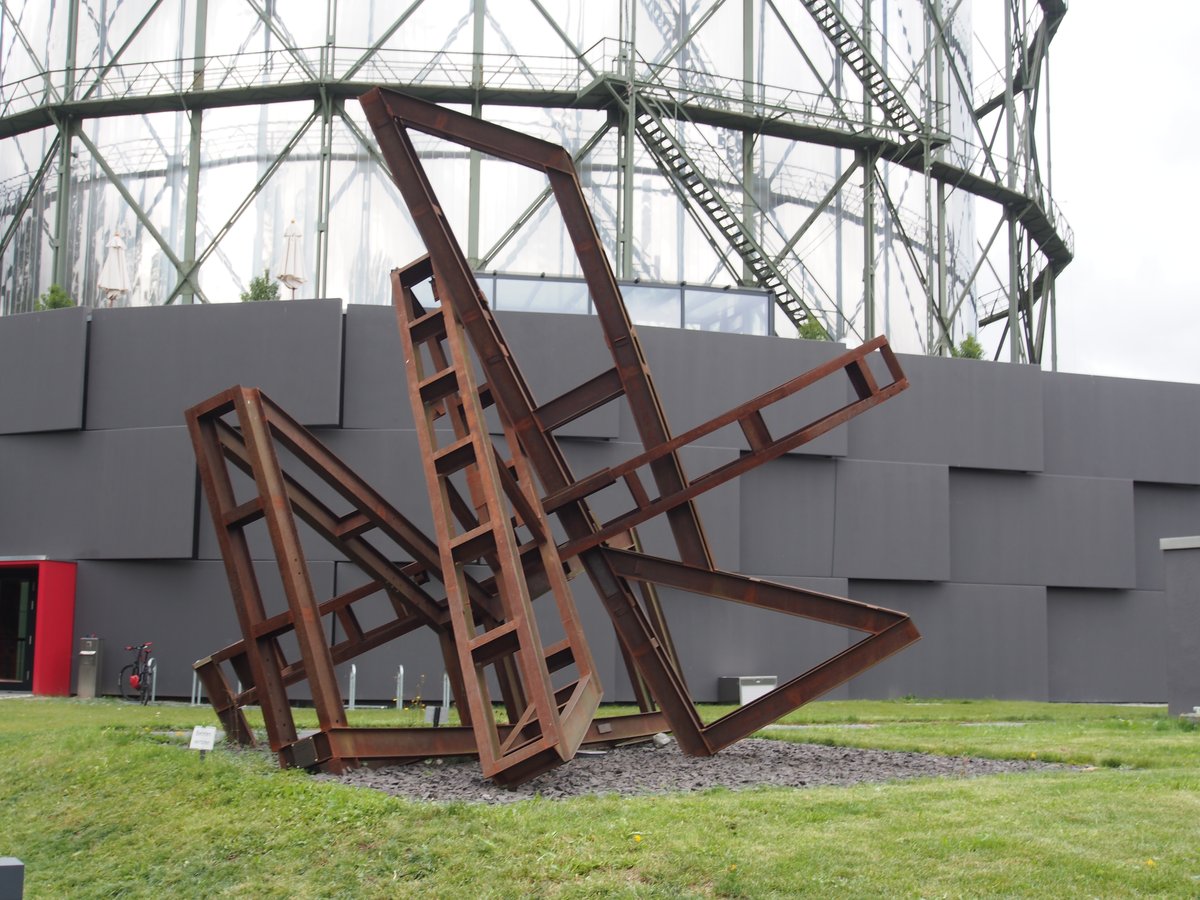
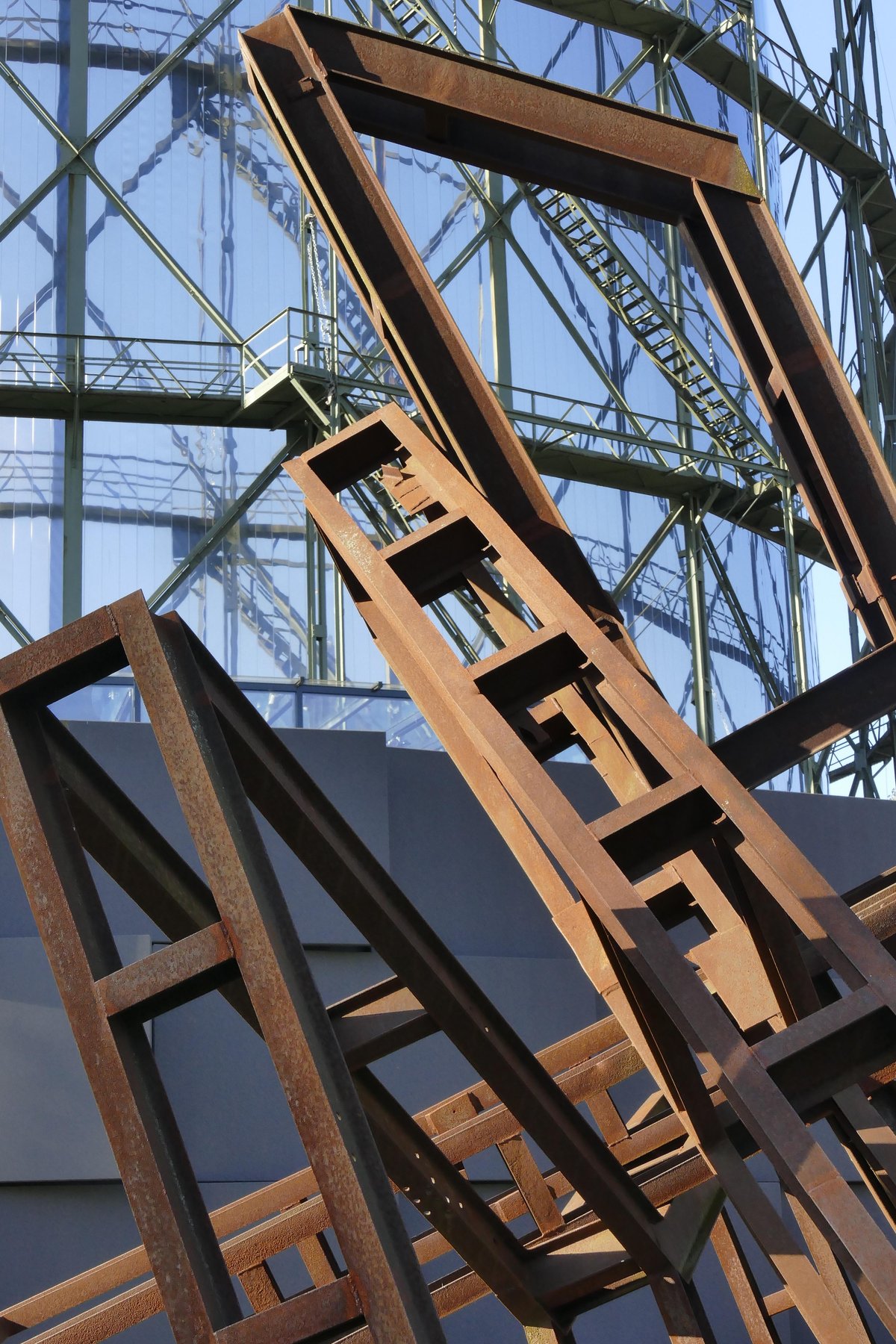
Artistic sculpture located in Pforzheim at the Gasometer in Enzauenpark near the power plant, showcasing local art and culture.
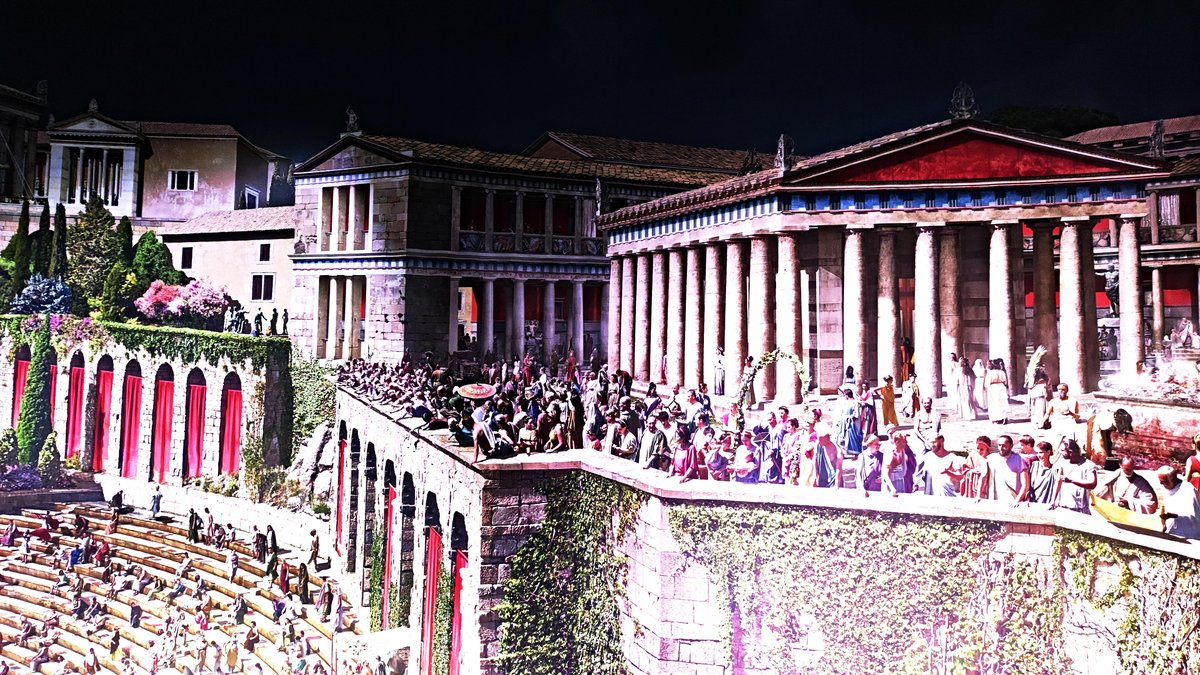
Detailed view of the Acropolis in the ancient city of Pergamon, as depicted in Yadegar Asisi's round panorama from the year 129 AD, showcasing historic architecture and city layout.
Introduction
The Gasometer Pforzheim is not only a landmark of the city's industrial heritage but also a modern cultural hub. This article provides a comprehensive guide to its historical significance, visitor information, and current cultural offerings.
Historical Background and Significance
A Legacy of Industry: The Gasometer's Past
The Gasometer Pforzheim stands as a testament to the city's industrial past. Constructed in 1909, this imposing structure served as a vital part of Pforzheim's gasworks, a crucial element in the city's growth during the late 19th and early 20th centuries.
During this period, Pforzheim was experiencing a boom, largely fueled by its burgeoning jewelry and watchmaking industries. These industries, demanding efficient and reliable energy sources, relied heavily on the gasworks, which provided the necessary fuel for their operations. The Gasometer, with its impressive storage capacity of 10,000 cubic meters of town gas, played a critical role in ensuring a consistent supply to these industries.
From Essential Utility to Wartime Witness
The Gasometer's story, however, is not just one of industrial progress. It also bears witness to the tumultuous events of the 20th century, particularly the devastation of World War II. In 1945, Pforzheim was subjected to a devastating air raid that left much of the city in ruins. The Gasometer, though damaged, miraculously survived the bombing, standing as a poignant symbol of resilience amidst the destruction.
A New Era: Transformation and Cultural Rebirth
With the decline of town gas usage in the latter half of the 20th century, the Gasometer's original purpose became obsolete. However, instead of facing demolition, the city recognized its historical and architectural value. In 2009, after extensive renovations, the Gasometer was reborn as a cultural venue, marking its centenary with a new lease on life.
The Gasometer Today: A Cultural Hub
Today, the Gasometer Pforzheim stands not only as a reminder of the city's industrial heritage but also as a vibrant center for cultural events. Its impressive cylindrical structure, a unique example of early 20th-century industrial architecture, now houses a variety of exhibitions, concerts, and events.
The Gasometer's transformation from an industrial facility to a cultural hub reflects a broader trend in Germany, where former industrial sites are being repurposed as spaces for art, culture, and community engagement. This trend highlights the evolving relationship between industry, history, and urban renewal in the country.
Visitor Information
Visiting Hours
The Gasometer Pforzheim is open to visitors from Tuesday to Sunday, 10 AM to 6 PM. It is closed on Mondays and public holidays.
Tickets
Tickets can be purchased at the entrance or online through the official website. Prices are as follows:
- Adults: €10
- Students and seniors: €7
- Children (under 12): Free
Accessibility
The Gasometer is wheelchair accessible, with ramps and elevators available for ease of movement. Guided tours are also available and can be booked in advance.
Nearby Attractions
While visiting the Gasometer Pforzheim, consider exploring other historical sites in Pforzheim, such as:
FAQ
What are the opening hours of Gasometer Pforzheim?
The Gasometer Pforzheim is open from Tuesday to Sunday, 10 AM to 6 PM.
How much are tickets for Gasometer Pforzheim?
Tickets cost €10 for adults, €7 for students and seniors, and are free for children under 12.
Is the Gasometer Pforzheim accessible?
Yes, the Gasometer is fully accessible, with elevators providing access to all levels.
Are there guided tours available?
Yes, guided tours are available and can enhance your understanding of the panoramas and their historical context.
Listen to the full story in the app
Your Personal Curator, in Your Pocket.
Audio guides for 1,100+ cities across 96 countries. History, stories, and local insight — offline ready.
Audiala App
Available on iOS & Android
Join 50k+ Curators
Last reviewed: