DDR Museum Pforzheim
The DDR Museum Pforzheim in Pforzheim, Germany, presents everyday life in the German Democratic Republic (GDR), alongside its political history. Its interactive exhibits invite visitors to handle and engage with objects, offering a hands-on experience of the period. The museum has over 4,000 exhibits and a collection of more than 200,000 objects (WhichMuseum; Second Wiki).
It is the only museum in Germany’s western federal states dedicated to GDR history. Its focus includes democratic awareness, human rights, and the history of the GDR dictatorship (Museum.de).
History
The museum was founded in 1998 by Klaus Knabe, a former East German citizen who fled to the West just before the Berlin Wall was built in 1961. Knabe collected everyday objects and other artifacts from the GDR; the collection was initially stored in an attic before the city provided a former kindergarten of the French garrison as its home (WhichMuseum).
The idea for a museum focused on everyday GDR life came to ethnologist Peter Kenzelmann of Freiburg during a trip to Berlin. Looking for a museum devoted to the GDR, he found sites such as the former Stasi prison and the Berlin Wall Memorial, but no museum covering the daily experiences of GDR citizens. He discussed the idea with Robert Rückel, now the museum’s director, and they set out to address that gap (DDR Museum Blog).
The museum explores the GDR’s 40-year history, from its formation after World War II to its dissolution in 1990. Its regional focus includes the arrival and integration of people who fled or were released from the GDR, including the ransom of GDR prisoners by the Federal Republic of Germany. The Pforzheim region became a new home for many of them (Pforzheim DDR Museum).
The museum is supported by the association “Gegen das Vergessen e.V.” (“Against Forgetting”), whose volunteers, including contemporary witnesses, lead tours, especially for school classes. The “Lernort Demokratie” (“Learning Place Democracy”) foundation was established in 2012 to support the museum’s mission. It is funded by the nationwide foundation “Against Forgetting – For Democracy” (Second Wiki).
What to see
The museum is arranged across several floors:
- Ground floor DDR-era slogans and banners, including “Von der Sowjetunion lernen heißt siegen lernen” (“Learning from the Soviet Union means learning to win”), alongside household objects, clothing, and toys.
- First floor Political and social history, with border stones, prison doors, Stasi scent canisters, multimedia presentations, and interactive displays.
- Basement Exhibits on espionage, surveillance, and resistance, as well as a replica of a typical DDR prison cell.
Other exhibits include propaganda materials, original texts, interactive games, and personal accounts from former GDR citizens. Thematic displays cover education, work, leisure, and politics. The collection also includes Stasi odor preserves and objects that help visitors explore daily life and the state’s systems of control (Second Wiki; DDR Museum).
Visitors can touch and handle objects, try on DDR-era clothing, listen to period-specific music, and take part in a simulated border crossing. Other activities include sitting in a furnished GDR flat or an originally furnished living room, dancing the Lipsi—a dance style promoted by the GDR government—and taking a simulated drive in an original Trabant P601. One activity lets visitors drive a Trabant around a “Plattenbau” residential area. Child-friendly features include a Trabi simulator and a kindergarten installation. The interactive displays are intended for visitors of all ages and do not require prior knowledge of the subject (DDR Museum Blog; DDR Museum).
The museum aims to present both positive aspects of life in the GDR and the realities of dictatorship. Its exhibits and contemporary witnesses encourage visitors to consider the period’s complexity and its relevance to present-day Germany. In a survey, 91% of visitors said they would recommend the museum to friends and family (DDR Museum Blog).
The museum also offers guided tours and educational programs, particularly for school groups. Tours led by volunteers and former GDR citizens include firsthand accounts; they can be booked in advance. The “Lernort Demokratie” foundation’s educational work addresses the importance of democracy and the dangers of totalitarianism (Second Wiki).
Special events and lectures cover GDR history and its impact on contemporary society. On February 10, 2019, Prof. Dr. Rolf-Ulrich Kunze delivered a lecture on the social life of things in experienced contemporary history.
The museum plans to develop new exhibits and interactive features, update displays, and incorporate new technologies. Its stated aim is to preserve GDR history and make it accessible to future generations (DDR Museum Blog).
Practical visiting information
Opening hours and admission
The published information gives two different schedules:
- The museum is listed as open daily from 10:00 AM to 8:00 PM.
- It is also listed as open Tuesday to Sunday, 10:00 AM to 5:00 PM, and closed on Mondays and public holidays.
- Another listing says that opening hours vary and recommends checking the official website.
Two different admission schedules are also given:
- General admission: €9.50, with discounted rates for students, seniors, and groups.
- Adults: €6; students and seniors: €4; children under 12: free.
The museum does not rely on taxpayer money and is funded by admission fees. Ticket revenue supports the permanent exhibition, administration, scientific research, and conservation of its collection of more than 200,000 objects (DDR Museum Blog).
Accessibility
The museum is described as wheelchair accessible, with ramps and elevators. It offers audio guides in multiple languages, including English, and aims to make its exhibits accessible to visitors with disabilities. Detailed accessibility and visitor-service information is available at Berlin.de.
Getting there and contact
Public transportation is accessible: take the S-Bahn to Pforzheim Hauptbahnhof and transfer to a local bus that stops near the museum. Ample parking is available for visitors arriving by car.
- Phone 07231-4243340
- Email [email protected]
- Website DDR Museum Pforzheim
Museum shop
The shop sells DDR-themed souvenirs, including books, postcards, and replicas of DDR memorabilia. Educational materials and publications related to the exhibits are also available.
Nearby places
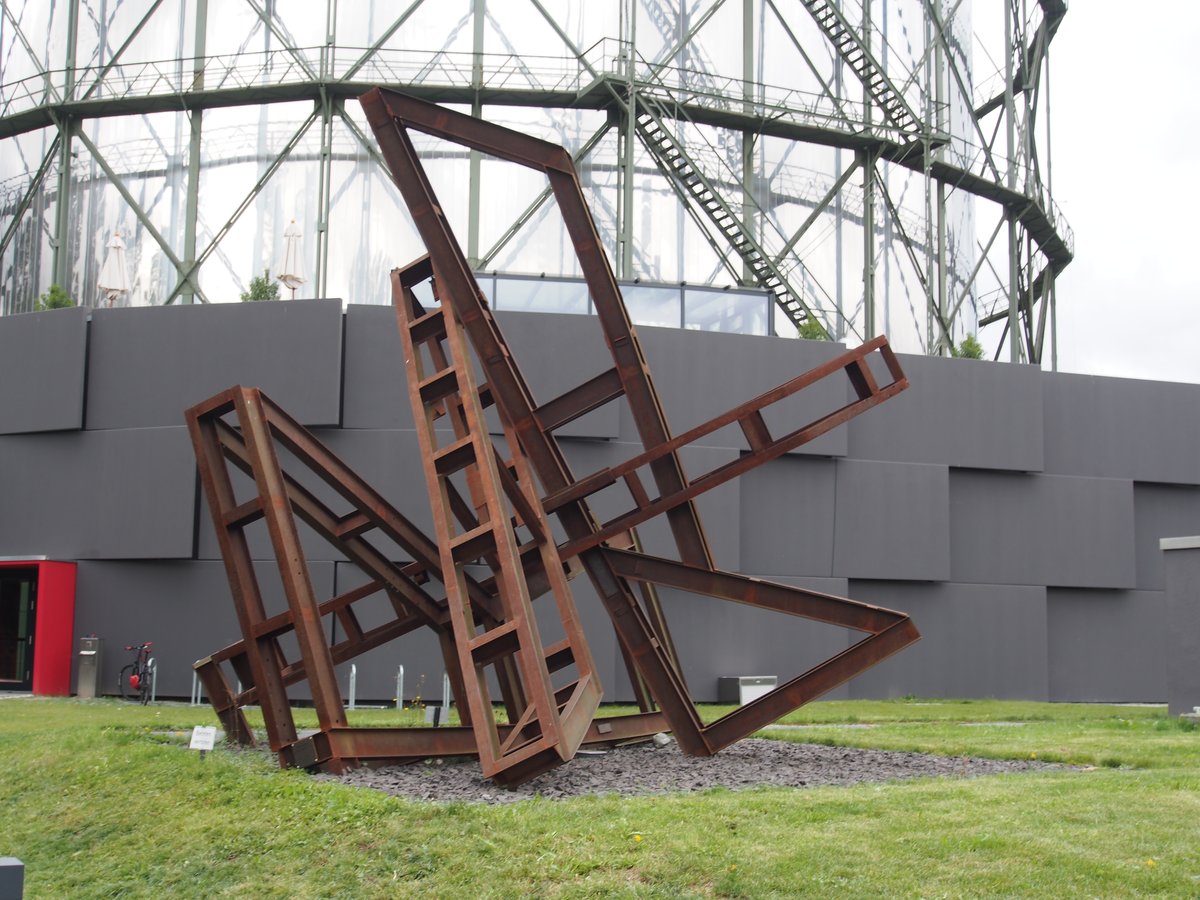
Other attractions in Pforzheim include the Schmuckmuseum Pforzheim (Jewelry Museum), the Technical Museum, Pforzheim City Park, and the Gasometer Pforzheim, which features a 360-degree panoramic painting. There are also dining options nearby.
FAQ
What are the opening hours?
The information available gives two schedules: daily from 10:00 AM to 8:00 PM, and Tuesday to Sunday from 10:00 AM to 5:00 PM, with closures on Mondays and public holidays. Another listing says hours vary and recommends checking the official website.
How much do tickets cost?
The listed prices are either €9.50 for general admission, with discounts for students, seniors, and groups, or €6 for adults, €4 for students and seniors, and free for children under 12.
Are guided tours available?
Yes. Guided tours are available, led by volunteers and former GDR citizens, and can be booked in advance.
Is the museum accessible for visitors with disabilities and families with children?
The museum is described as wheelchair accessible, with ramps and elevators. It also has child-friendly exhibits and interactive features, including a Trabi simulator and a kindergarten installation.
How can I get to the museum?
The museum is accessible by public transportation, with a local bus stopping nearby after a transfer from Pforzheim Hauptbahnhof. Ample parking is available for visitors driving.
What other attractions are nearby?
Nearby attractions include the Schmuckmuseum Pforzheim, the Technical Museum, Pforzheim City Park, and the Gasometer Pforzheim.