
Petite Écurie

Introduction

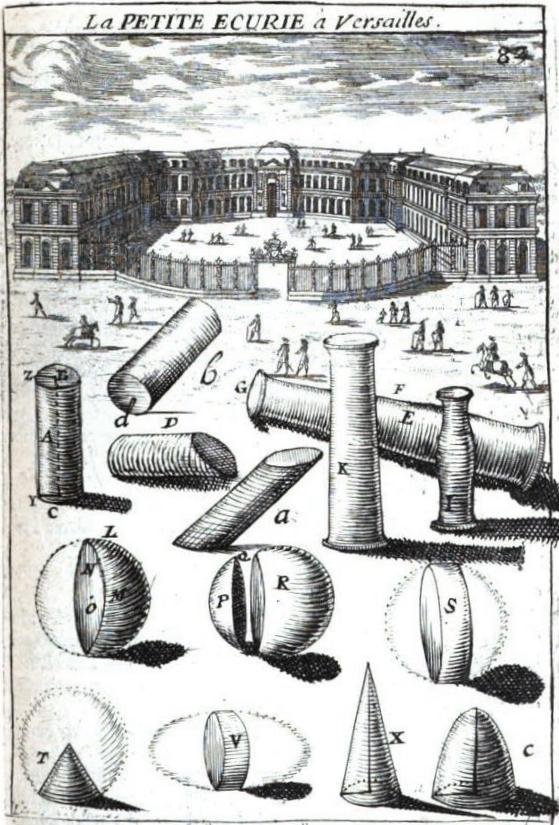
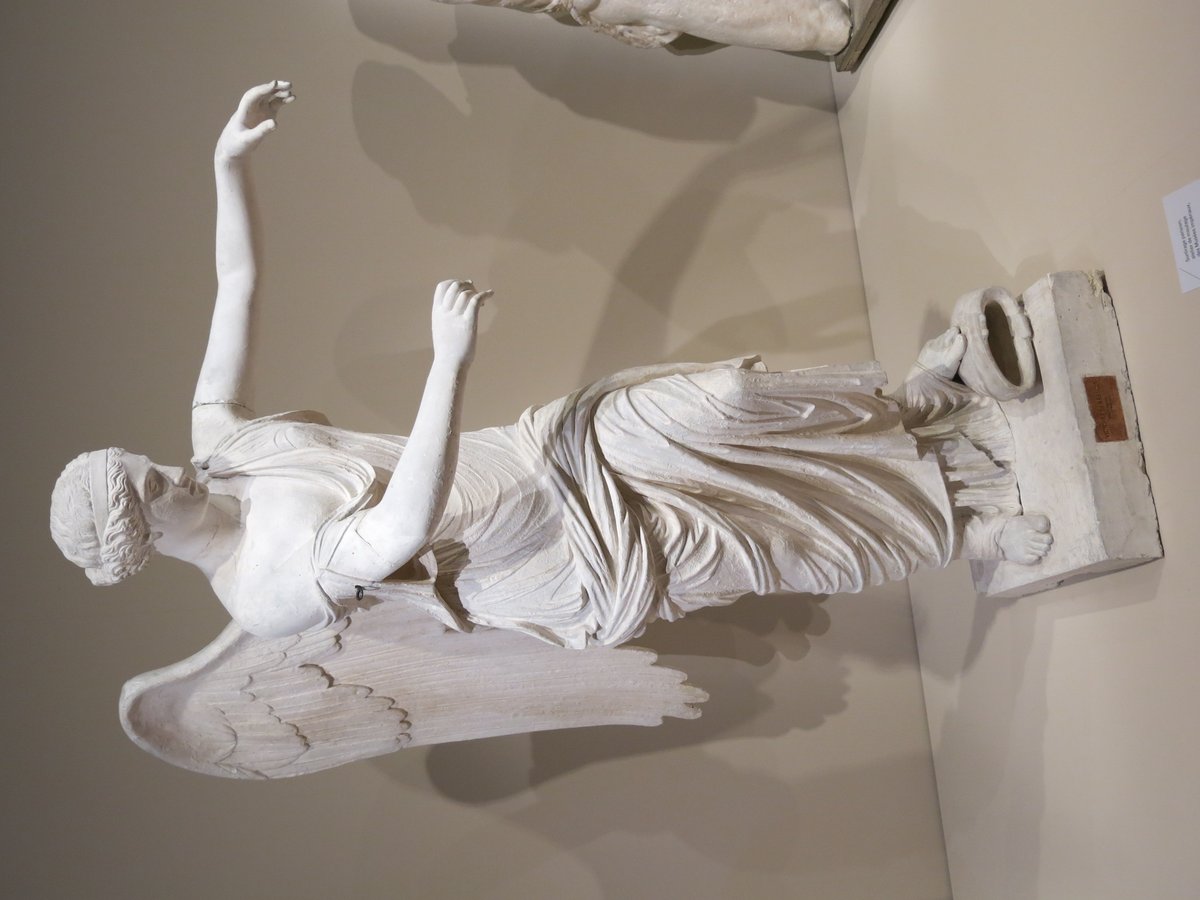
The Galerie des Sculptures et des Moulages is a hidden gem located within the Petite Écurie of the Château de Versailles. This gallery, which has evolved from royal stables to a cultural repository, offers visitors a unique opportunity to explore an extensive collection of plaster casts and original sculptures that span centuries of artistic achievement. The Petite Écurie, designed by Jules Hardouin-Mansart between 1679 and 1683, originally served as the stables for the royal court, reflecting the grandeur and meticulous planning of French architecture (source). Over time, the space was repurposed and, since 1970, has housed the Gypsothèque du Louvre, showcasing plaster casts from the Department of Greek, Etruscan, and Roman Antiquities of the Louvre Museum (source). This transformation underscores the historical and artistic significance of the gallery, which now also plays a crucial role in preserving original sculptures from the gardens of Versailles. The gallery serves as an educational resource, housing the Research and Restoration Centre for the Museums of France and the Versailles École nationale supérieure d’architecture (source).

Exploring the Galerie des Sculptures et des Moulages

History and Origins

The Galerie des Sculptures et des Moulages, located in the Petite Écurie of the Château de Versailles, is a testament to the grandeur of French art and architecture. The Petite Écurie, designed by Jules Hardouin-Mansart and constructed between 1679 and 1683, originally served as the stables for the royal court. This architectural marvel is symmetrically aligned with the Grande Écurie, both of which were integral to the daily operations of the royal household (source).

Transition to a Cultural Repository

In the mid-19th century, the Petite Écurie was repurposed to house the army, a role it maintained until 1967. Following this period, the building underwent significant restoration and was transformed into a cultural repository. Since 1970, it has housed the Gypsothèque du Louvre, a collection of plaster casts from the Department of Greek, Etruscan, and Roman Antiquities of the Louvre Museum (source).

Notable Collections

The Gypsothèque du Louvre is a unique collection that spans four centuries of rediscovery of ancient art. The collection includes plaster casts of Greek and Roman sculptures, many of which were created during the 17th and 18th centuries. These casts were initially used for the hands-on training of French artists, reflecting the deep influence of antiquity on French art (source).

Restoration Efforts

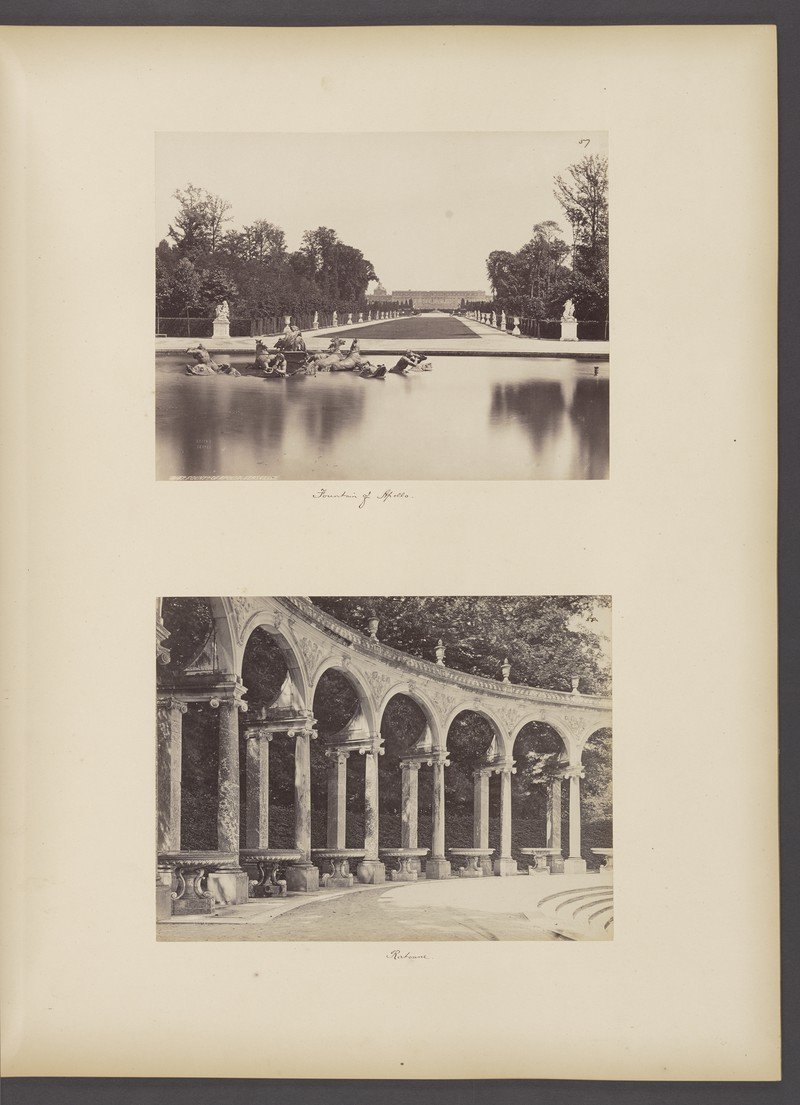
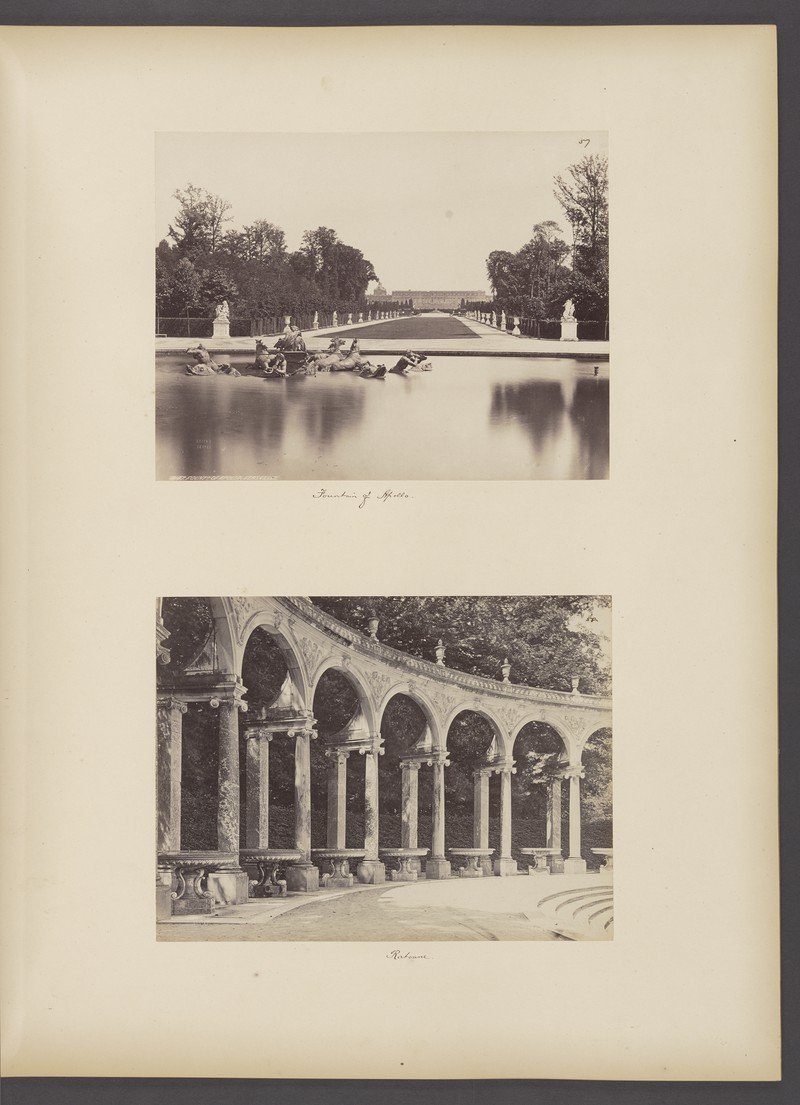
A significant restoration campaign began in 2008 to preserve the original sculptures from the gardens of Versailles. This effort was crucial in halting the erosion process that had affected many of these masterpieces when they were displayed outdoors. The gallery now includes over sixty original sculptures from the gardens, such as Apollo served by the nymphs, the two groups of Horses of the Sun, Latona and her children, and the King's Renown (source).

Educational Impact

The Galerie des Sculptures et des Moulages serves not only as a museum but also as an educational resource. It is home to the Research and Restoration Centre for the Museums of France and the Versailles École nationale supérieure d’architecture. These institutions contribute to the ongoing study and preservation of the artworks housed within the gallery (source).

Visitor Information

The gallery is open on weekends and public holidays from 10 AM to 6 PM, offering free admission. Visitors can explore the vast collection of sculptures and mouldings under the vaulted ceilings of the late 17th century. The gallery's location, directly opposite the main entrance of the Château de Versailles, makes it easily accessible for tourists (source).

FAQ

What are the visiting hours for the Galerie des Sculptures et des Moulages?

  • The gallery is open on weekends and public holidays from 10 AM to 6 PM.

Is there an entrance fee?

  • Admission to the gallery is free of charge.

Are there guided tours available?

  • Yes, guided tours are available and can be booked through the official Château de Versailles website.

Is the gallery accessible for visitors with disabilities?

  • Yes, the gallery is accessible, but it's recommended to check in advance for any specific needs.

Visiting the Galerie des Sculptures et des Moulages: Hours, Tickets, and Historical Significance

Introduction

Nestled within the Grande Écurie of the Château de Versailles, the Galerie des Sculptures et des Moulages is a haven for art lovers and history enthusiasts alike. This gallery houses an impressive collection of plaster casts from the Louvre Museum and original marble sculptures from the gardens of Versailles, offering a unique glimpse into the past.

Historical Significance

The Galerie des Sculptures et des Moulages holds a unique place in the preservation and presentation of art. This gallery is significant for housing both the gypsothèque (a collection of plaster casts of ancient sculptures) from the Louvre Museum and the original marble sculptures from the gardens of Versailles. The gallery was established to protect these invaluable works from the damaging effects of outdoor exposure, ensuring their longevity for future generations.

Preservation Efforts

Protection from Environmental Damage

One of the primary reasons for the establishment of the Galerie des Sculptures et des Moulages is to shield the sculptures from environmental degradation. The marble sculptures, originally displayed in the gardens of Versailles, were subject to erosion and weathering due to their exposure to the elements. By relocating these sculptures indoors, the gallery provides a controlled environment that significantly reduces the risk of damage from rain, wind, and temperature fluctuations.

Conservation Techniques

The preservation efforts at the Galerie des Sculptures et des Moulages involve meticulous conservation techniques. These include regular cleaning, stabilization of fragile areas, and restoration of damaged parts. The gallery employs a team of skilled conservators who use both traditional methods and modern technology to maintain the sculptures in optimal condition. For instance, non-invasive imaging techniques are used to monitor the internal condition of the sculptures without causing any harm.

Educational Programs

In addition to physical preservation, the gallery also focuses on educational programs to raise awareness about the importance of conservation. Workshops, guided tours, and interactive exhibits are organized to educate visitors about the history and significance of the sculptures, as well as the techniques used in their preservation. These programs aim to foster a deeper appreciation for cultural heritage and the efforts required to protect it.

Visitor Tips

Opening Hours and Admission

The Galerie des Sculptures et des Moulages is open to visitors from April 1 to October 31 on Saturdays, Sundays, and public holidays (excluding Mondays) from 12:30 PM to 6:30 PM, with the last admission at 5:45 PM. During the peak summer season, from July 2 to September 29, the gallery extends its hours and is open from Tuesday to Sunday, from 9:00 AM to 6:30 PM, with the last admission at 5:45 PM. The gallery is closed from November 1 to March 31. Admission to the gallery is free, making it an accessible cultural experience for all visitors.

Best Time to Visit

To avoid the crowds and have a more intimate experience with the sculptures, it is recommended to visit the gallery early in the morning during the peak season or later in the afternoon on weekends. The gallery's serene atmosphere provides an ideal setting for art enthusiasts to appreciate the intricate details of the sculptures without the distraction of large crowds.

Guided Tours

For a more in-depth understanding of the sculptures and their history, visitors can join guided tours offered by the gallery. These tours are led by knowledgeable guides who provide detailed explanations of the artworks, their historical context, and the preservation efforts involved. The tours also offer insights into the techniques used by the original artists and the challenges faced in conserving these masterpieces.

Notable Sculptures and Mouldings

Highlights of the Collection

The gallery's collection includes some of the most iconic sculptures from the gardens of Versailles, such as the statues of Apollo and the Muses, which were originally created by renowned artists like Jean-Baptiste Tuby and François Girardon. These sculptures are celebrated for their exquisite craftsmanship and artistic significance, representing the grandeur of the French Baroque period.

Gypsothèque Collection

The gypsothèque, or collection of plaster casts, features replicas of ancient Greek and Roman sculptures. These casts were created in the 19th century as part of an effort to study and preserve classical art. The collection includes famous works such as the Venus de Milo and the Laocoön Group, providing visitors with a comprehensive overview of ancient sculptural art.

Accessibility and Amenities

Accessibility

The Galerie des Sculptures et des Moulages is committed to providing an inclusive experience for all visitors. The gallery is wheelchair accessible, with ramps and elevators available to facilitate movement throughout the exhibition spaces. Additionally, tactile tours and descriptive audio guides are offered for visually impaired visitors, ensuring that everyone can enjoy and appreciate the artworks.

Visitor Amenities

The gallery offers a range of amenities to enhance the visitor experience. These include a gift shop where visitors can purchase souvenirs and art books related to the collection, as well as a café that serves refreshments and light snacks. Restrooms and seating areas are also available, providing a comfortable environment for visitors to relax and reflect on their visit.

Future Preservation Initiatives

Digital Preservation

In response to the growing importance of digital technology in cultural heritage preservation, the Galerie des Sculptures et des Moulages has initiated a digital preservation project. This involves creating high-resolution 3D scans of the sculptures, which can be used for virtual exhibitions, educational purposes, and as a reference for future conservation work. These digital replicas ensure that the artworks can be studied and appreciated even if the originals are not accessible.

Collaborative Efforts

The gallery collaborates with other cultural institutions, both nationally and internationally, to share knowledge and resources for the preservation of sculptures. These partnerships facilitate the exchange of best practices and innovative techniques, contributing to the overall advancement of conservation science. The gallery also participates in international conferences and workshops, where experts from around the world discuss the latest developments in the field.

Nearby Attractions

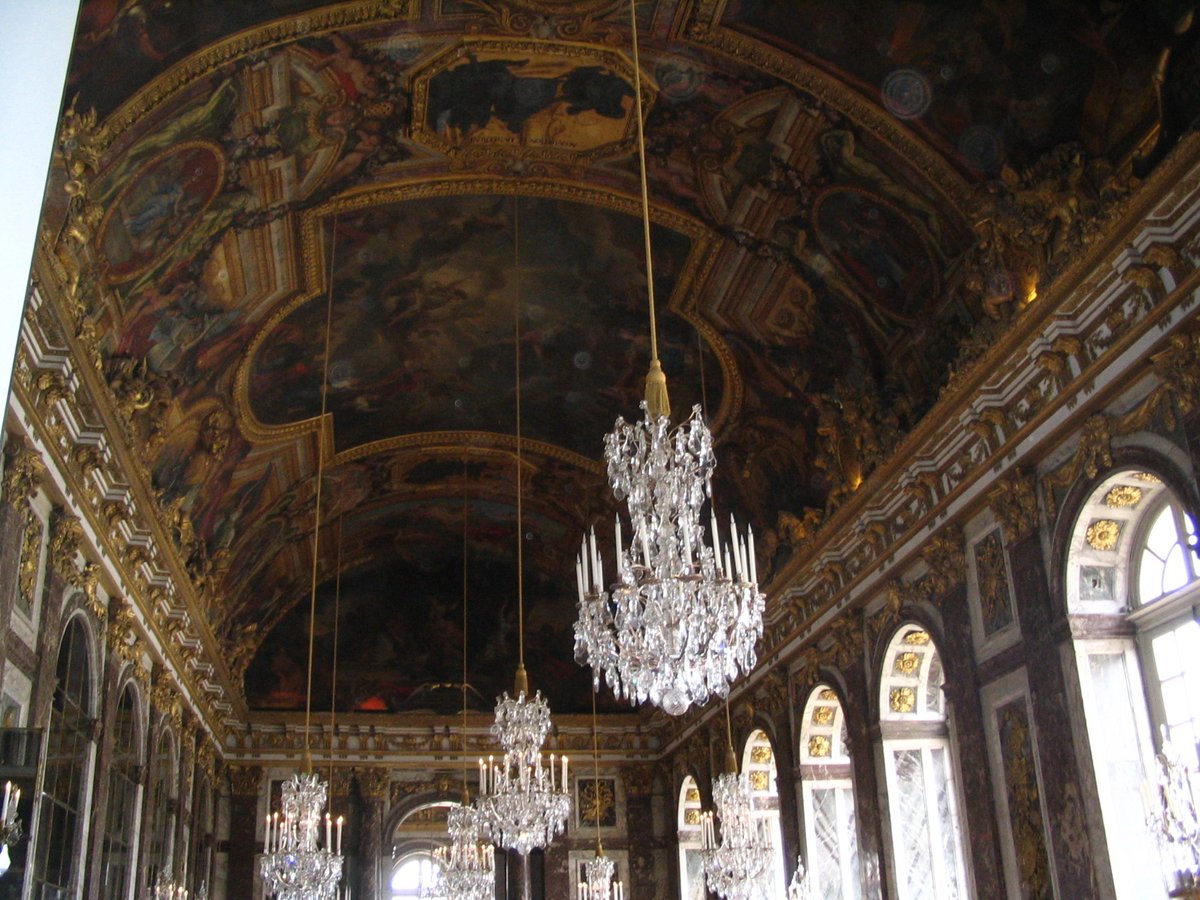
For those planning a visit to the Galerie des Sculptures et des Moulages, there are several other attractions in Versailles worth exploring. The Palace of Versailles, with its opulent Hall of Mirrors and extensive gardens, is a must-see. Additionally, the Petit Trianon, Marie Antoinette's estate, offers a more intimate glimpse into royal life. The town of Versailles itself is charming, with plenty of cafes, shops, and historic buildings to enjoy.

FAQ

What are the visiting hours for the Galerie des Sculptures et des Moulages?

The gallery is open from April 1 to October 31 on Saturdays, Sundays, and public holidays (excluding Mondays) from 12:30 PM to 6:30 PM, with the last admission at 5:45 PM. During the peak summer season, it is open from Tuesday to Sunday, from 9:00 AM to 6:30 PM, with the last admission at 5:45 PM. The gallery is closed from November 1 to March 31.

Is there an admission fee for the Galerie des Sculptures et des Moulages?

Admission to the gallery is free, making it an accessible cultural experience for all visitors.

To avoid the crowds and have a more intimate experience with the sculptures, it is recommended to visit the gallery early in the morning during the peak season or later in the afternoon on weekends.

Listen to the full story in the app

Your Personal Curator, in Your Pocket.

Audio guides for 1,100+ cities across 96 countries. History, stories, and local insight — offline ready.

smartphone

Audiala App

Available on iOS & Android

download Download Now

Join 50k+ Curators

Sources

Last reviewed:

More Places to Visit in Versailles

24 places to discover

Appartement Du Roi

Appartement Du Roi

Bassin D'Apollon

Bassin D'Apollon

Bassin Du Miroir

Bassin Du Miroir

Chapel of Versailles Palace

Chapel of Versailles Palace

Church of Notre-Dame, Versailles

Church of Notre-Dame, Versailles

Cimetière Des Gonards

Cimetière Des Gonards

Dragon Fountain

Dragon Fountain

Galerie Des Batailles

Galerie Des Batailles

Potager Du Roi

Potager Du Roi

photo_camera

Prefecture Hotel of Yvelines

photo_camera

Royale Factory

Salle Des Croisades

Salle Des Croisades

Salle Du Jeu De Paume

Salle Du Jeu De Paume

Salon D'Hercule

Salon D'Hercule

photo_camera

Temple De L'Église Réformée De France De Versailles

photo_camera

The Coach Gallery

Théâtre De La Reine

Théâtre De La Reine

Théâtre Montansier

Théâtre Montansier

Versailles Cathedral

Versailles Cathedral

Versailles Château–Rive-Gauche

Versailles Château–Rive-Gauche

photo_camera

Versailles Synagogue

photo_camera

Villa Bomsel

photo_camera

Villa Moricet

photo_camera

Arboretum De Chèvreloup