Origins and Historical Context
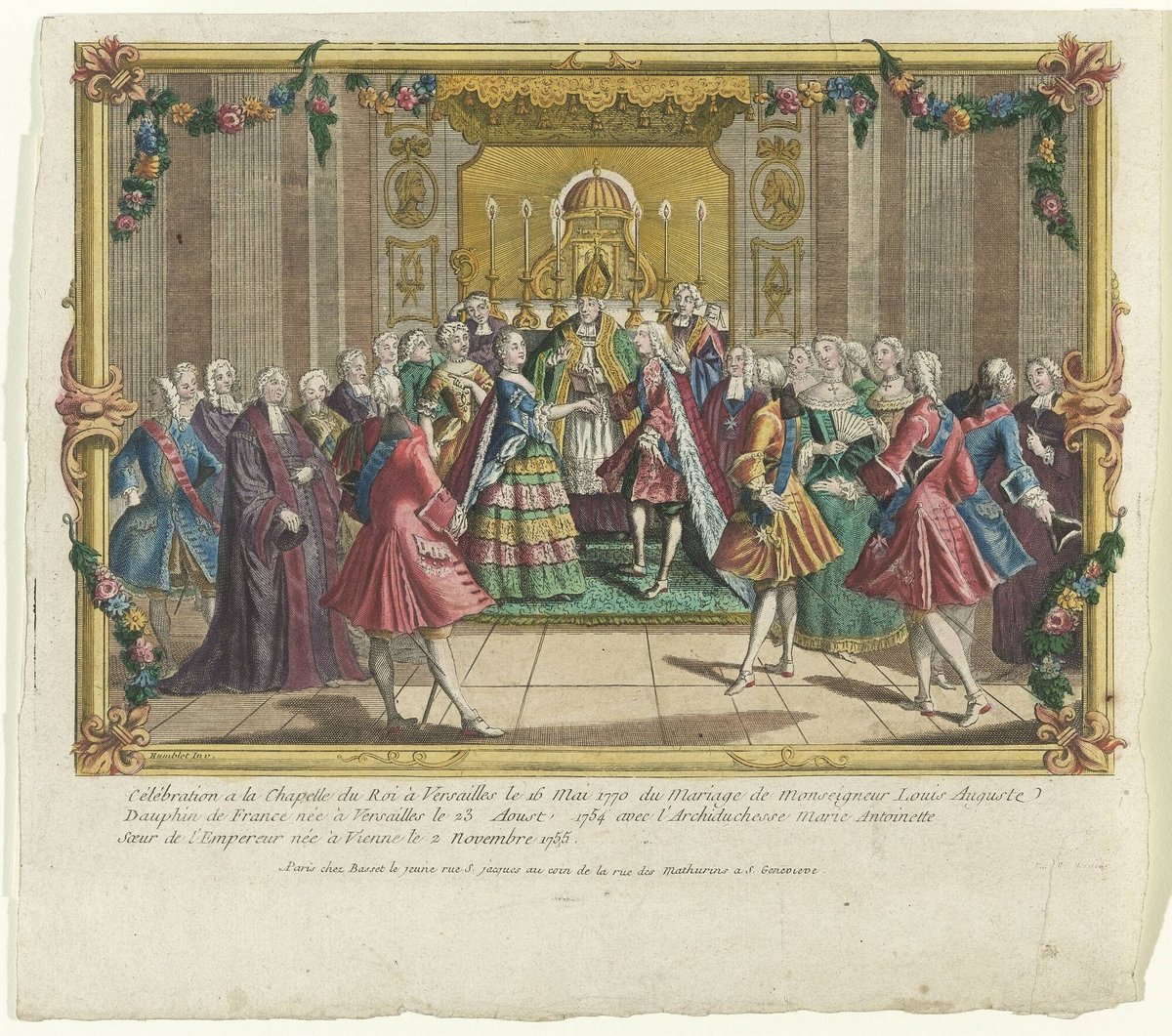
Built between 1684 and 1686 by order of Louis XIV, the Church of Notre-Dame was established to serve the expanding city of Versailles, which had become the seat of royal power (paris1972-versailles2003.com). As the official royal parish, it became the primary site for court ceremonies, including baptisms, marriages, and funerals. Its status as a collegiate church, served by canons, reinforced its importance in the religious and social fabric of the city.
Despite the upheavals of the French Revolution—during which it was repurposed and briefly became a Temple of Reason—the church was restored in the 19th century and continues to serve as a spiritual and cultural anchor for Versailles (francethisway.com).
Architectural Features and Artistry
Exterior
The Church of Notre-Dame exemplifies French classical architecture, featuring a harmonious façade with four Ionic columns and a triangular pediment, echoing the symmetry of the nearby palace. The bell tower, topped with a dome and lantern, rises above the entrance, marking the church as a city landmark (Versailles official site).
Interior
The church’s Latin cross plan comprises a central nave, side aisles divided by sturdy columns, and an elevated choir separated by a marble balustrade. A crossing dome and large windows fill the space with natural light, enhancing the contemplative atmosphere.
Artistic Highlights
- Stained Glass 18th- and 19th-century windows illustrate events from the Virgin Mary's life and other biblical scenes, casting vibrant colors across the interior.
- Sculpture and Decorative Arts The high altar, crafted from marble and gilded wood, is adorned with angelic and saintly figures. Notable works include Laurent Magnier’s Marble Christ on the Cross (1690) and statues of the Virgin and Saint John.
- Organ The grand 18th-century organ, with its gilded pipes and carved angels, stands as a testament to the church’s musical tradition and is used for concerts and liturgical music (Versailles tourism).
Role in Royal and Civic Life
As the royal parish, the Church of Notre-Dame was the site for registering the baptisms, marriages, and funerals of the French royal family. Historical artifacts include a silk banner from Pope Pius VI and the cenotaph of Charles Gravier, comte de Vergennes, a key figure in the 1783 Treaty of Paris.
The church also houses important parish registers documenting the life events of nobility and townspeople, reflecting its enduring role in Versailles’ communal identity (France Travel Planner).
Transformations and Restoration
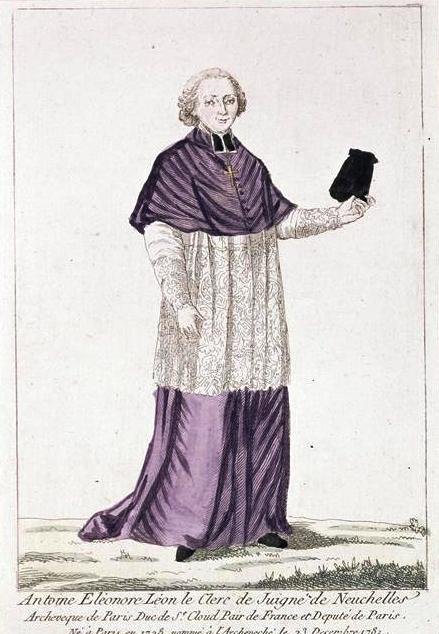
During the French Revolution, the church was briefly designated as a cathedral and then a secular Temple of Reason. Despite these changes and the relocation of the bishop’s seat to Saint-Louis Cathedral, Notre-Dame retained its parish function. In the 19th century, architect Le Poittevin expanded the church and made significant restorations, including the addition of chapels and improvements to stained glass and woodwork. Ongoing conservation efforts ensure the preservation of its artistic and architectural heritage (French Ministry of Culture).
Visiting Hours and Tickets
Opening Hours:
- Monday to Saturday: 9:00 AM – 6:00 PM
- Sunday: 8:00 AM – 7:00 PM
(Hours may vary during holidays or special events; check the parish website for updates.)
Tickets:
- Entry is free for all visitors.
- Guided tours and concert events may require advance booking and a fee.
Guided Tours:
- Available through the local tourism office or by arrangement with the parish. Tours offer in-depth insights into the church’s history and art. Booking is recommended during peak seasons.
Accessibility Information
The church is wheelchair accessible, featuring ramps at the main entrance. Accessible restrooms are available. Some historic areas may have uneven flooring or steps, so visitors with specific needs are advised to contact the parish in advance for assistance.
Travel Tips and Nearby Attractions
- Getting There The church is centrally located at 35, Rue de la Paroisse, 78000 Versailles, near the Marché Notre-Dame and within walking distance of the Château de Versailles.
- Public Transport Accessible from Versailles Rive Droite station and several bus lines.
- Nearby Sites Combine your visit with the Palace of Versailles, Marché Notre-Dame, the Grand and Petit Trianon, and Saint-Louis Cathedral.
- Cafés and Shops The surrounding area is filled with local eateries and boutiques, ideal for a meal or souvenir shopping.
Visitor Etiquette
- Attire Dress modestly, covering shoulders and knees. Remove hats upon entering.
- Behavior Maintain silence or speak softly, especially during services.
- Photography Permitted without flash except during Mass or in restricted areas. Tripods and commercial shoots require permission.
- Participation Attending Mass or a concert is welcomed; check the schedule on the parish website.
Frequently Asked Questions (FAQ)
Q: Is there an entry fee?
A: No, admission is free.
Q: What are the opening hours?
A: Monday–Saturday: 9:00 AM–6:00 PM; Sunday: 8:00 AM–7:00 PM.
Q: Are guided tours offered?
A: Yes, through the tourism office or by arrangement with the parish.
Q: Is the church accessible for visitors with disabilities?
A: Yes, ramps and accessible restrooms are available.
Q: Can I take photographs?
A: Yes, but without flash and not during services.
Q: Can I attend Mass?
A: Yes, Mass is open to all visitors.
Visuals and Media
For high-quality images and virtual tours, visit France Voyage and the official tourism website. Look for:
- Exterior views of the classical façade and bell tower
- Interior shots of the nave, altar, and stained glass
- Images of the historic organ and artistic highlights
- Maps showing the church’s proximity to other Versailles landmarks