What it is
Église Saint-Pallais de Saintes is a historic church in Saintes, Charente-Maritime, France. It stands on the site of an ancient funerary sanctuary dedicated to Palladius, a bishop of the Diocese of Saintes in the 6th century. Today, the church remains a place of worship and a testament to the region’s cultural and religious heritage (Saintes Tourism).
History
Palladius is credited with rediscovering the tomb of Saint Eutrope, the evangelizer of the Saintonge region. After Palladius’s death, he was venerated as Saint Pallais, and a basilica was built over his tomb (Saintes Tourism; Wikipedia).
The church’s present structure took shape through construction phases from the 12th to the 15th centuries. It combines Romanesque and Gothic elements: the lower wall sections and some columns and capitals in the vaulted nave date from the Romanesque period, while the transept, its two chapels, and the choir with its flat chevet date to the 13th century (Monumentum).
Later additions and changes include a three-mullioned window with tracery in the chevet, dating from the late 15th century. The cloister was built on the north arm of the transept in the 13th century, and its roof was replaced in the 18th century. A tribune at the head of the nave and an exterior porch on the western facade were added in the 19th century (Wikipedia).
The church also houses the tomb of Marie-Eustelle Harpain, a mystic from Saintes known as the “Angel of the Eucharist” (Wikipedia).
Église Saint-Pallais was designated a historical monument by an order dated January 12, 1931. It is a dependency of the Royal Abbey of the Dames of Saintes and was under the nomination of the abbess (Monumentum).
What to see
The facade is supported by two buttresses and divided into three horizontal registers. Its lower section has a portal with four archivolts, flanked by two blind arcades. Only the lower part of the Romanesque lateral bell tower remains. Inside, sculpted capitals depict animals and foliage (Saintes Tourism).
The church contains an 18th-century polychrome wooden statue believed to represent Saint Pallais blessing the faithful. It also has two bells; one, named “Emmanuel-Marie-Xavière,” was cast in 1770 and weighs approximately 700 kilograms (Wikipedia).
Practical visiting information
Visiting hours
The church is open Monday to Saturday, 9:00 AM to 6:00 PM, and Sunday, 1:00 PM to 6:00 PM. Check the official website or contact the church directly for any changes to visiting hours.
Ticket prices
Entry is free of charge. Donations are welcome to support the preservation and maintenance of the site.
Accessibility
The church is partly accessible to visitors with limited mobility. Ramps are available, but some areas may be difficult to navigate because of stairs.
Tips
Spring and fall are suggested as the best times to visit, when the weather is mild and the church is less crowded. The European Heritage Days offer an opportunity to explore the church in greater detail.
Religious ceremonies, concerts, and guided tours take place throughout the year. Guided tours can be arranged through the local tourism office and cover the church’s architecture, history, and artifacts.
The facade, sculpted capitals, and cloister offer photographic opportunities, as do the effects of light through the stained-glass windows.
Nearby places
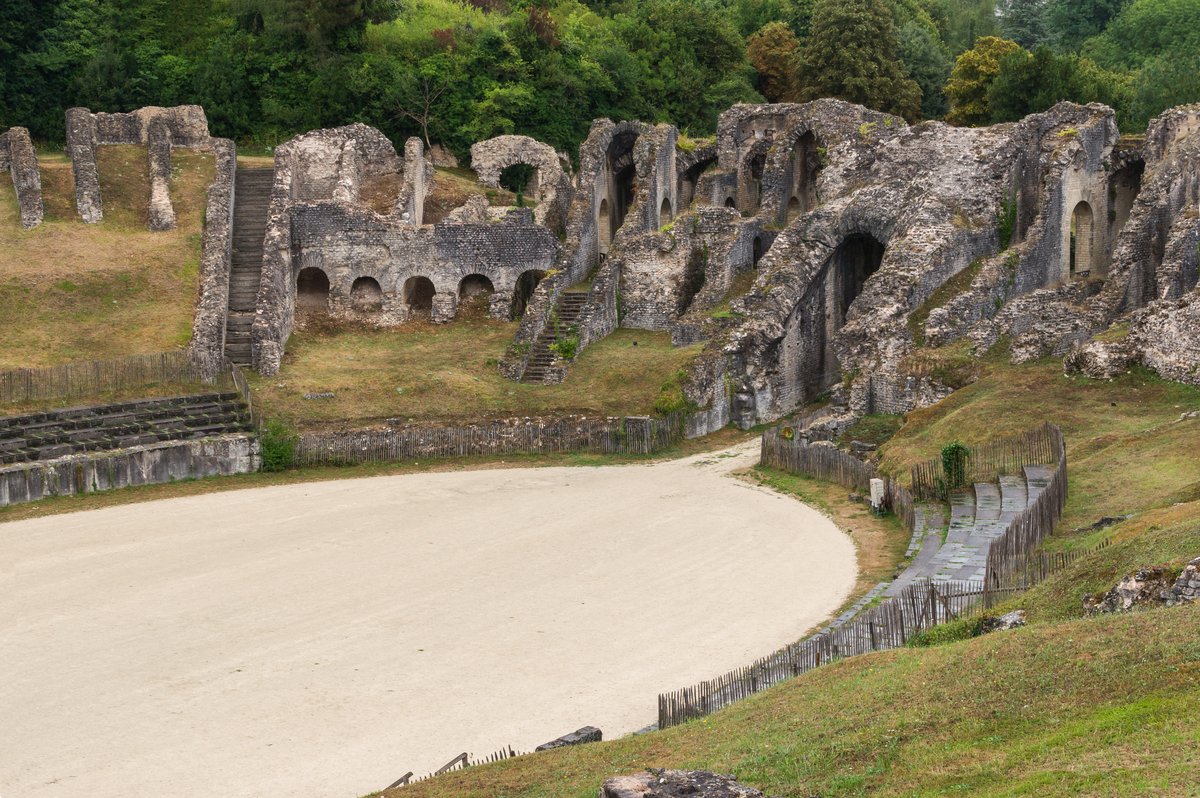
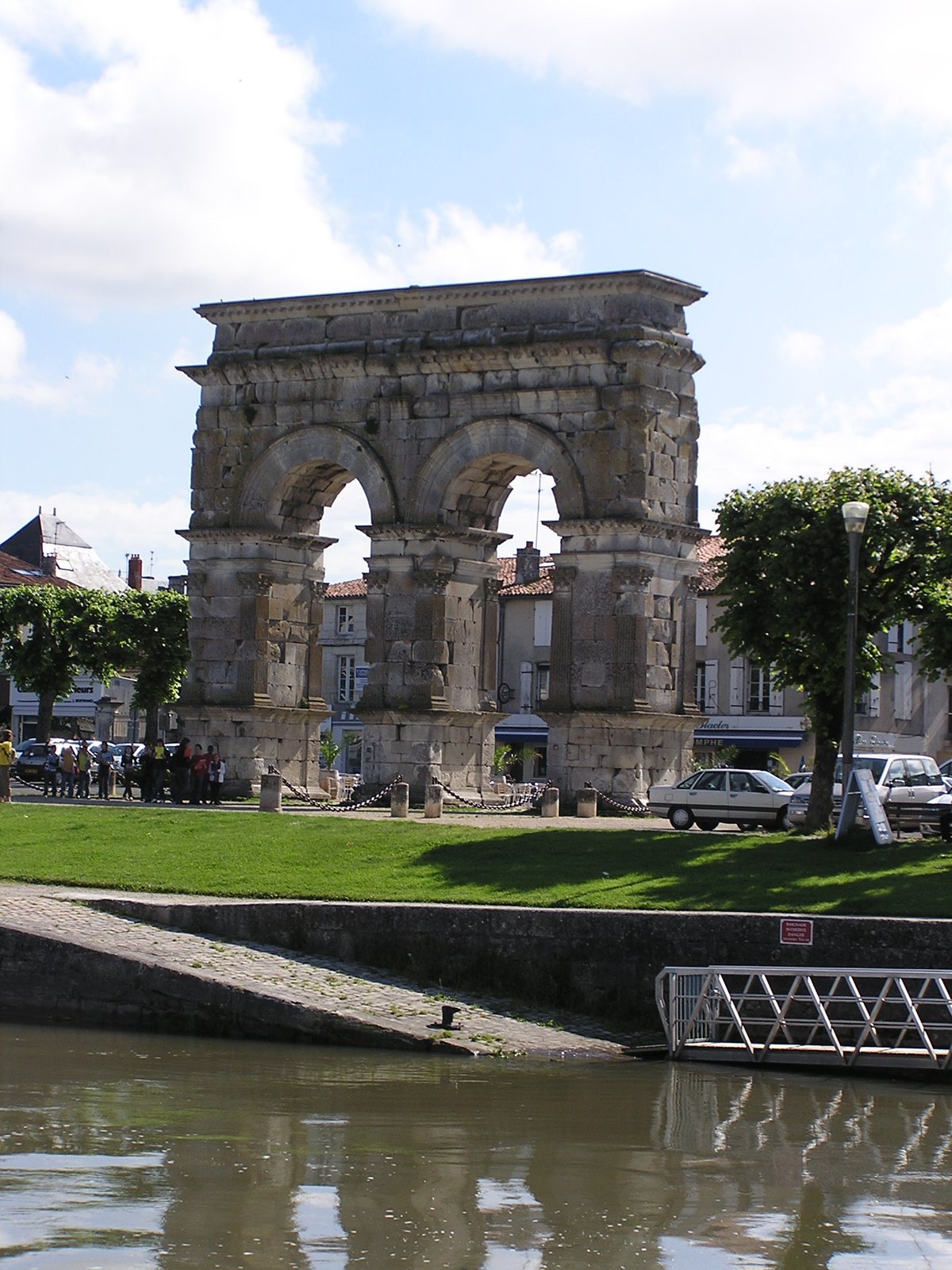
Other historical sites in Saintes include the Abbaye aux Dames, the Arch of Germanicus, and the Saintes Amphitheatre. The town also has cafes and shops.
Saintes is accessible by train from major cities such as Paris and Bordeaux. The church is within walking distance of Saintes train station. Visitors can also drive to Saintes; parking is available near the church.
FAQs
What are the ticket prices for Église Saint-Pallais de Saintes?
See “Ticket prices” above.
What are the visiting hours?
See “Visiting hours” above.
Is the church accessible to people with disabilities?
See “Accessibility” above.