Historical Background and Significance
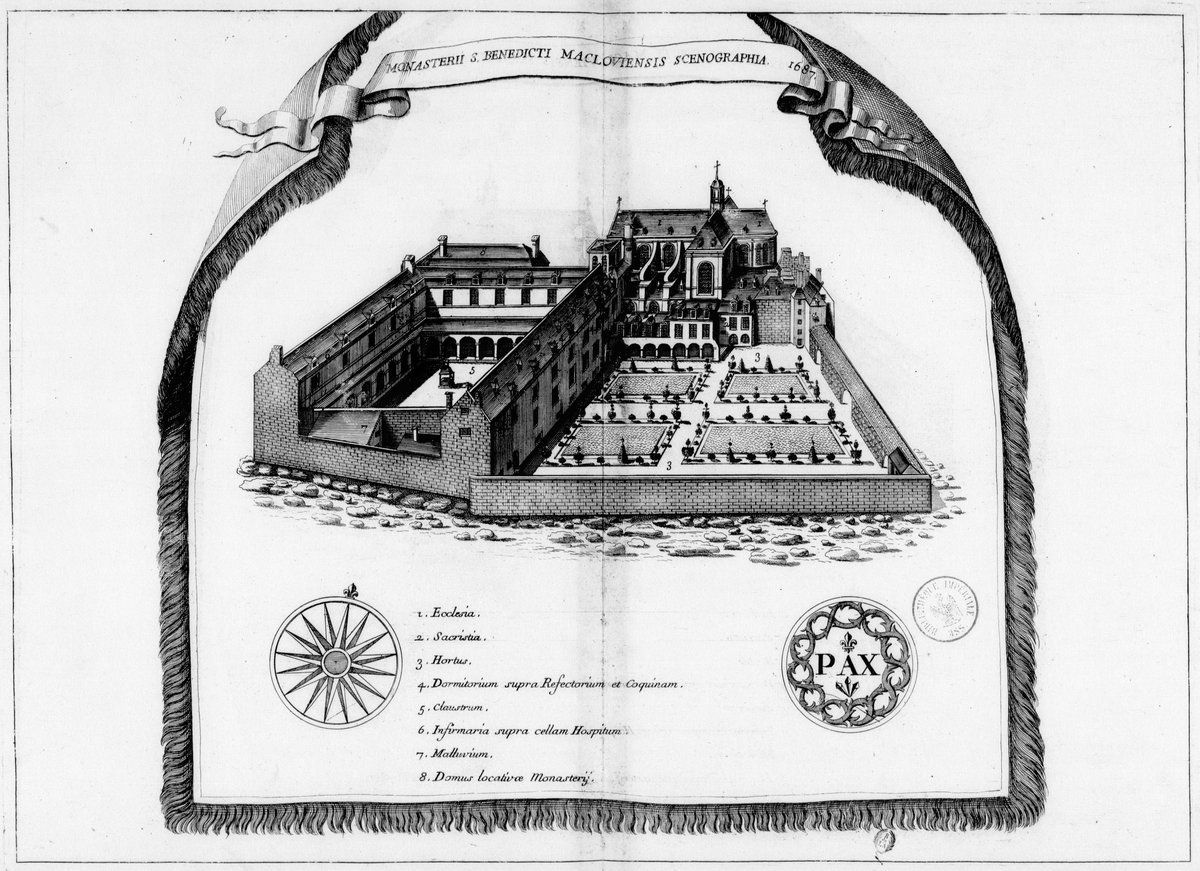
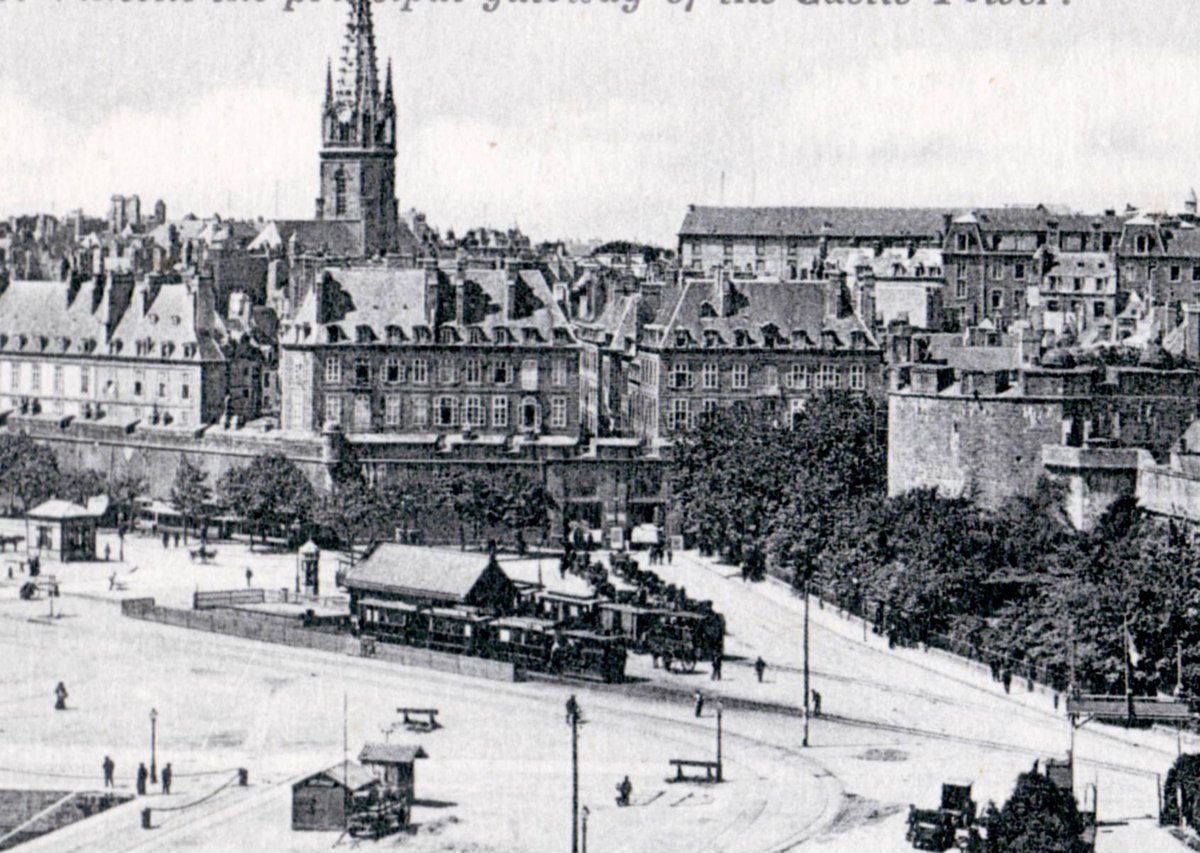
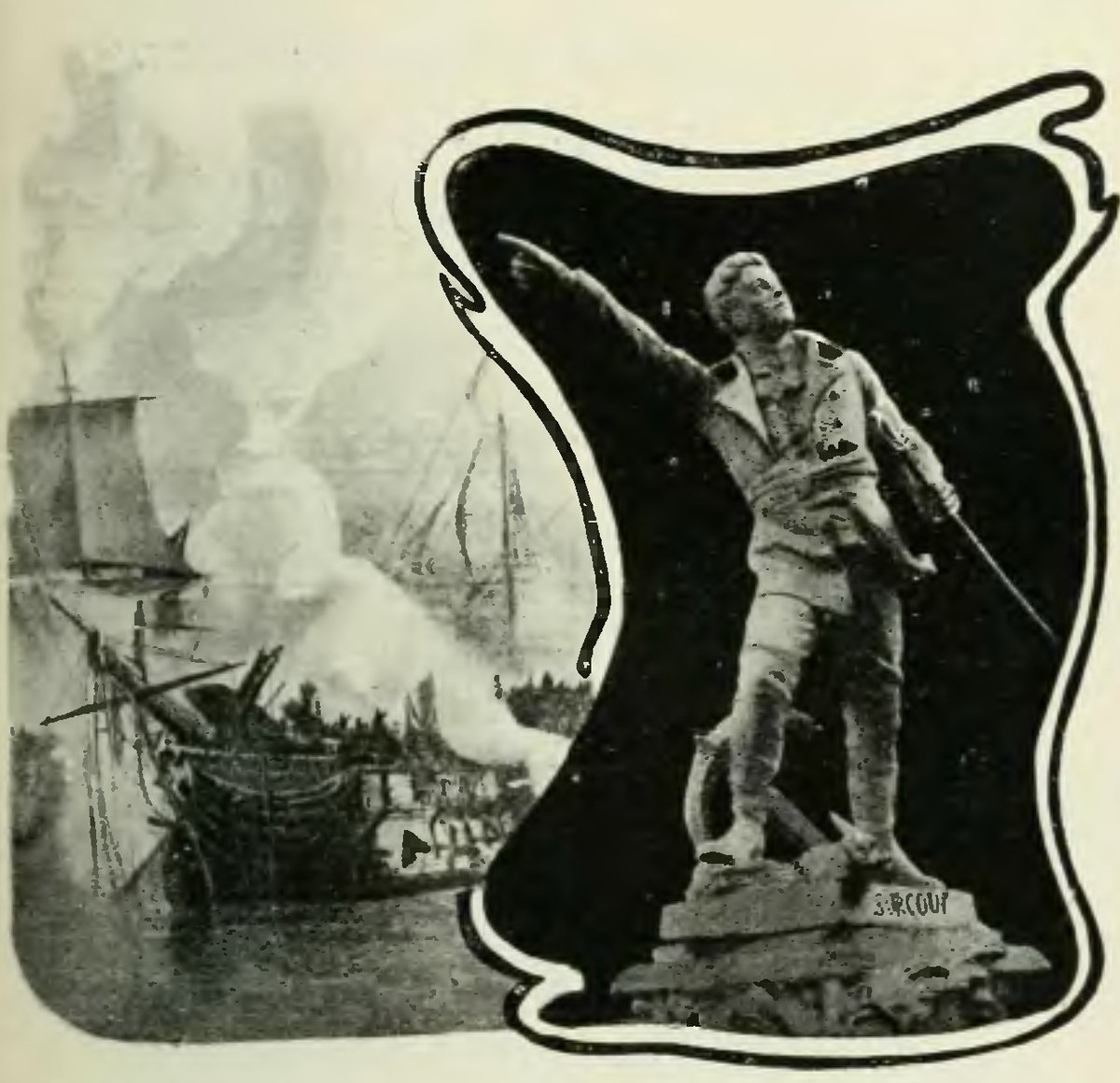
Saint-Malo’s origins date to the 6th century, when a Welsh monk, Maclou (or Malo), established a monastic settlement. Over the centuries, the city transformed into a formidable walled port, famed for its corsairs—privateers who enriched the city and helped build its grand stone mansions. The street commemorates Jacques Cartier (1491–1557), whose transatlantic voyages laid the foundations for New France. Today, Rue Jacques-Cartier embodies the city’s legacy of exploration, defense, and seafaring prosperity. (gobrittany.com; europeupclose.com; france-justforyou.com)
Architectural Highlights
Medieval and Early Modern Influences
The street is lined with granite-faced buildings featuring steep slate roofs, reflecting the prosperity of Saint-Malo’s corsair era. Many structures were painstakingly reconstructed after WWII, preserving their original character.
Corsair Residences
Sumptuous “corsair houses” display the wealth of Saint-Malo’s privateers, with ornate doorways, wrought-iron balconies, and decorative facades. Notably, the Demeure du Corsaire offers guided tours revealing the secrets of these maritime mansions. (saintmalowithlove.com)
City Ramparts
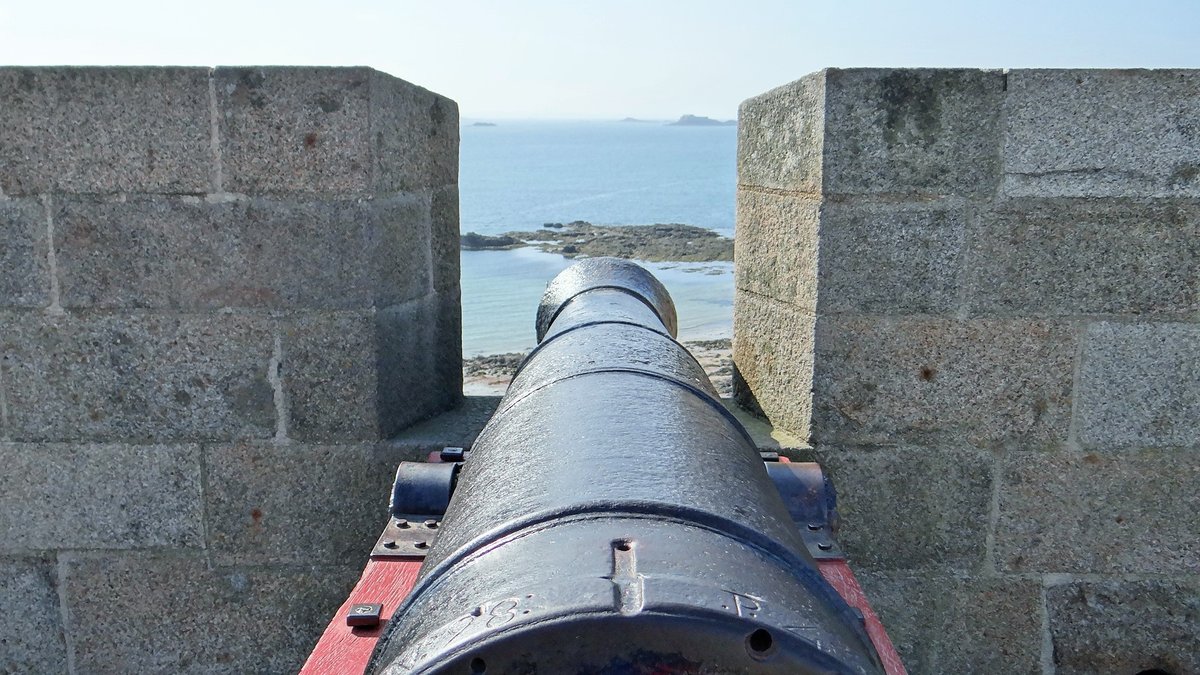
Near Rue Jacques-Cartier, the city’s ramparts offer a 1.7 km walking circuit with panoramic views of the sea and old town. These fortifications reflect Saint-Malo’s strategic importance and provide excellent photo opportunities. (carnetsvanille.com)
Visiting Hours, Tickets, and Accessibility
- Street Access Rue Jacques-Cartier is a public street, open 24/7, year-round. No ticket is required for entry.
- Shops and Restaurants Most operate from 10:00 AM to 7:00 PM, with extended hours during summer. Many close for a midday break (12:30–2:00 PM).
- Museums & Attractions
- Saint-Vincent Cathedral: Daily, 9:00 AM–6:00 PM, free entry. (europeupclose.com)
- Manoir de Limoëlou (Jacques Cartier Museum): April–October, Tuesday–Sunday, 10:00 AM–6:00 PM. Adults €6.80; reduced rates for children/students (musee-jacques-cartier.fr).
- Demeure du Corsaire: April–October, daily 10:00 AM–6:00 PM, around €7 for adults; guided tours available.
- Accessibility Cobblestone streets can challenge wheelchairs and strollers, though some museums and restaurants offer step-free access. Check with venues before visiting. (france-justforyou.com)
Key Landmarks and Museums
- Saint-Vincent Cathedral Romanesque and Gothic elements, Cartier’s tomb, beautiful stained glass.
- Maison du Québec Cultural center celebrating the Saint-Malo–Quebec connection. Free entry, Tuesday–Sunday.
- Manoir de Limoëlou Jacques Cartier’s historic residence, now a museum with interactive exhibits. Located in Rothéneuf, accessible by car or public transport.
- Demeure du Corsaire Explore the life of privateers in a preserved 18th-century mansion.
Dining, Shopping, and Local Life
Rue Jacques-Cartier is a hub for Breton gastronomy. Enjoy crêpes, galettes, fresh oysters, and seafood. Shops sell regional specialties such as salted butter caramels, kouign-amann pastries, striped Breton shirts, and local ciders. Markets and artisan boutiques make the street lively, especially in summer. (solosophie.com)
Travel Tips and Transportation
- Getting There
- By Train: Saint-Malo station is 1.5 km from Intra-Muros (about 15 minutes’ walk or short bus ride).
- By Car: Park outside the city walls in lots like Parking Saint-Vincent; vehicle access within Intra-Muros is restricted. (about-france.com)
- Getting Around Intra-Muros is pedestrian-friendly. Bicycles are permitted but may be impractical during busy times.
- Language & Etiquette French is the primary language, but English is commonly spoken in tourist areas. Greet shopkeepers with “Bonjour” and consider basic French phrases for a warmer reception.
- Facilities Public restrooms are available near Place Chateaubriand and rampart entrances. Free Wi-Fi is offered at several spots in Intra-Muros.
Festivals and Events
Saint-Malo’s calendar features major events such as the Route du Rhum transatlantic sailing race and the Étonnants Voyageurs literary festival. During these times, Rue Jacques-Cartier hosts markets, concerts, and lively street performances, offering visitors a taste of local celebration. (gobrittany.com)
Frequently Asked Questions (FAQ)
Q: Do I need tickets to visit Rue Jacques-Cartier?
A: The street is public and free to access at all times. Tickets may be required for nearby museums and guided tours.
Q: What are the best times to visit?
A: April–June and September–October offer mild weather and fewer crowds. Summer is lively but busier.
Q: Are guided tours available?
A: Yes, local companies offer guided walking tours featuring Rue Jacques-Cartier and historical highlights.
Q: Is the street accessible for people with disabilities?
A: Cobblestones may pose difficulties, but some museums and restaurants offer step-free access. Check in advance.
Q: Where can I park?
A: Use paid parking outside the city walls; Intra-Muros is pedestrianized.