
What Saint-Germain-en-Laye Station Is
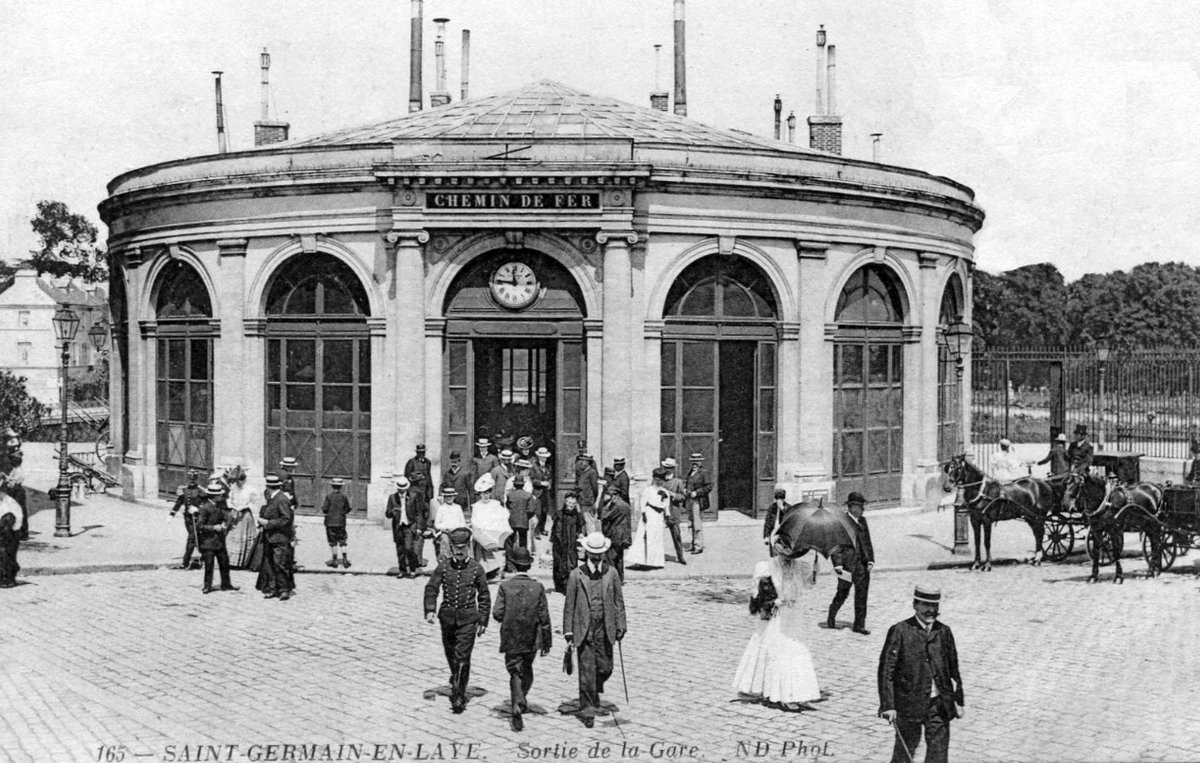
Saint-Germain-en-Laye Station is a landmark of French railway history and a transport hub serving the Paris region. Opened in 1837 as the endpoint of France’s first passenger railway, it marks an important milestone in the Industrial Revolution and the development of suburban life around Paris.
The station’s 19th-century architectural charm, essential amenities, and links to Paris make it a convenient base for visiting the nearby Château de Saint-Germain-en-Laye, the town center, and the surrounding Saint-Germain Forest. For the latest travel updates, consult SNCF and RATP. Cultural information is also available from Culturez Vous and Europe Up Close.
History
The Birth of French Railways
France’s earliest railways, beginning with the industrial Saint-Étienne to Andrézieux line in 1827, focused on freight. Dedicated passenger lines emerged in the 1830s, inspired by British models, opening a new era of travel.
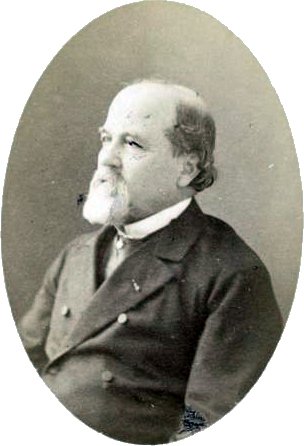
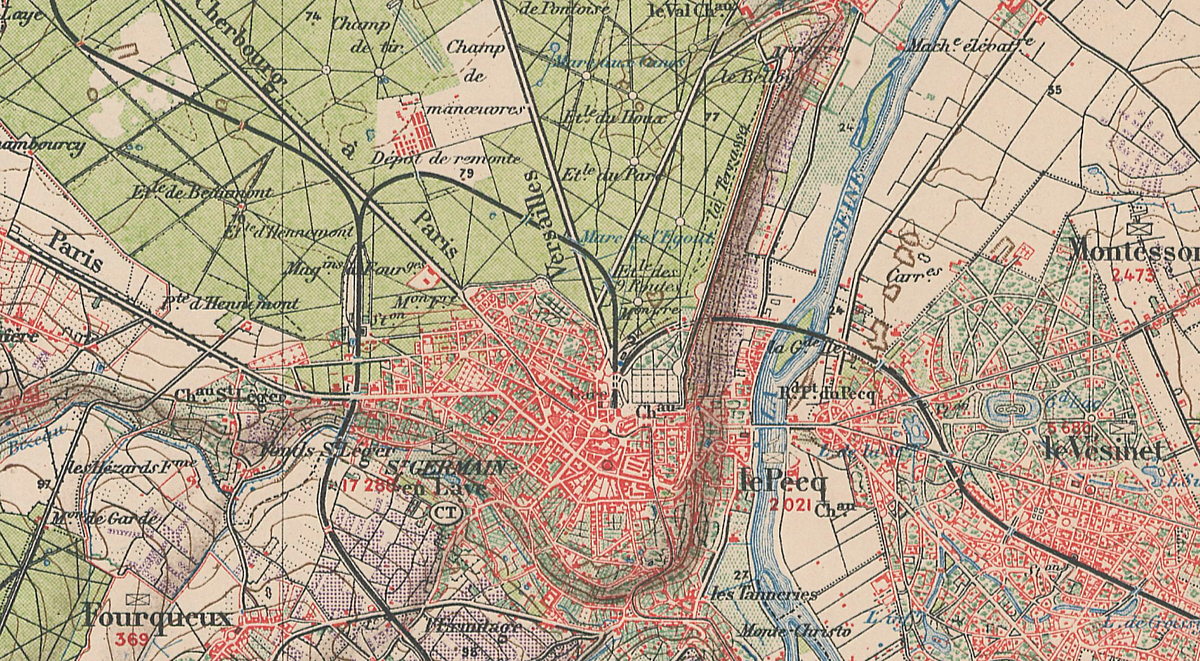
In 1835, Emile and Isaac Pereire launched the Compagnie du chemin de fer de Paris à Saint-Germain and secured a concession for the first French passenger railway. The line opened on August 26, 1837, linking Paris’s 8th arrondissement with Le Pecq. Soon after, Saint-Germain-en-Laye became the official terminus when engineering challenges were overcome.
Engineering and Growth
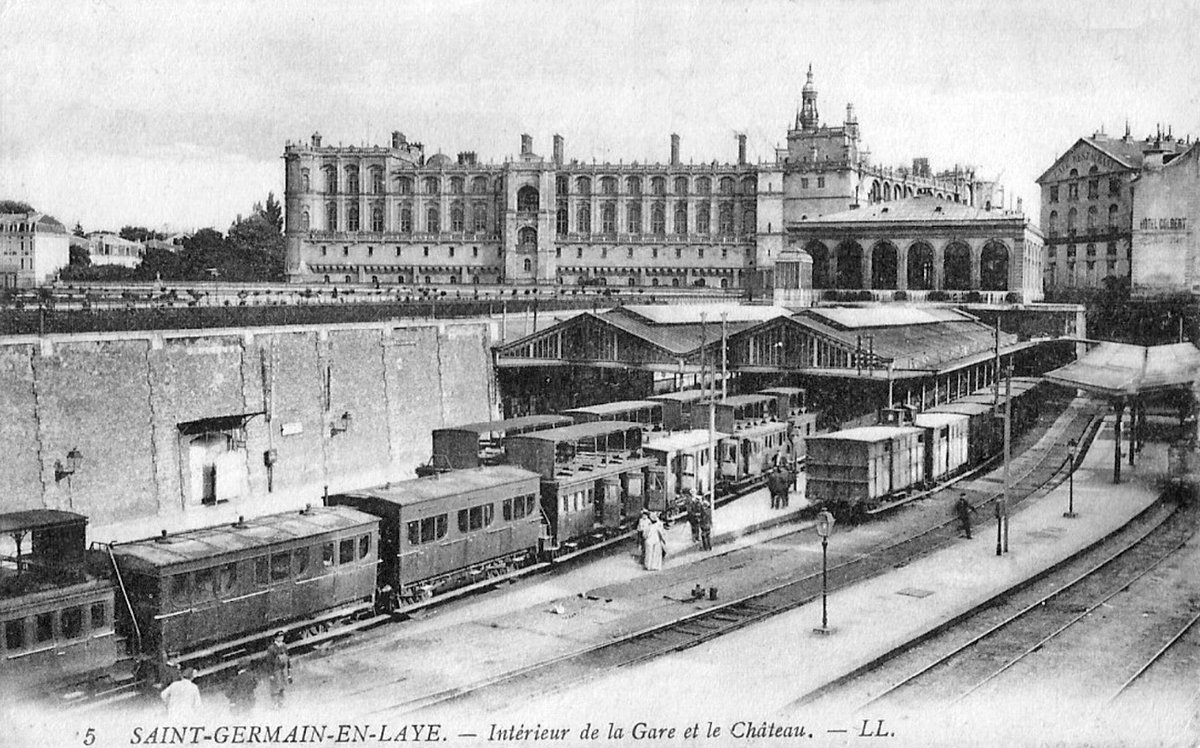
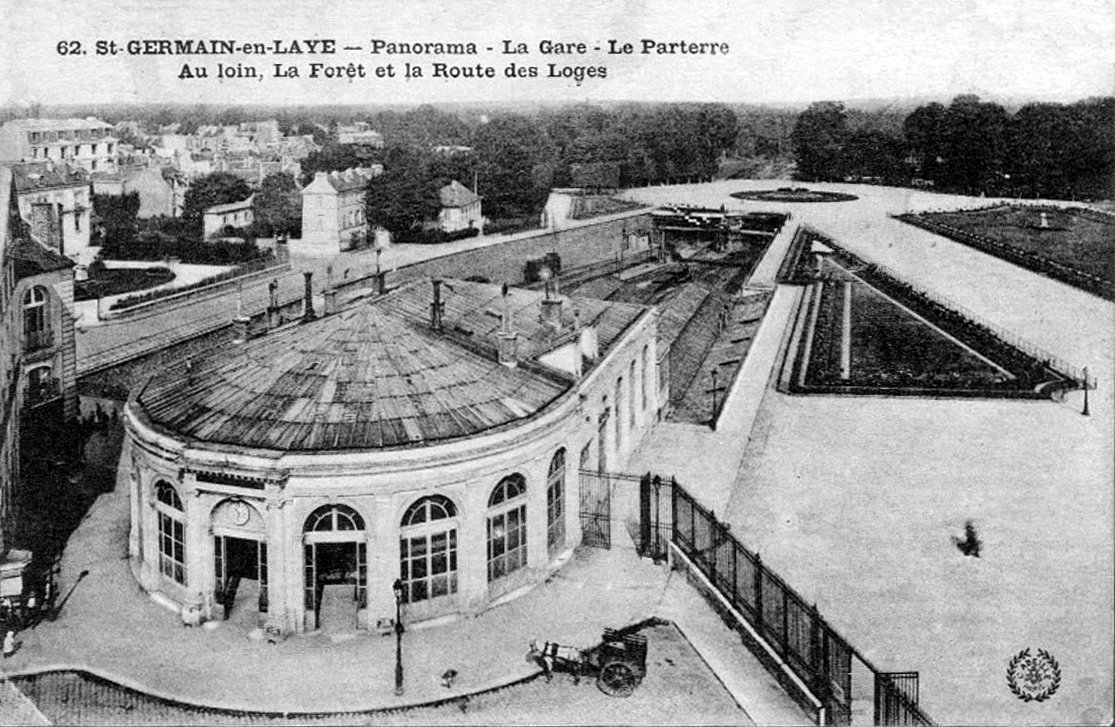
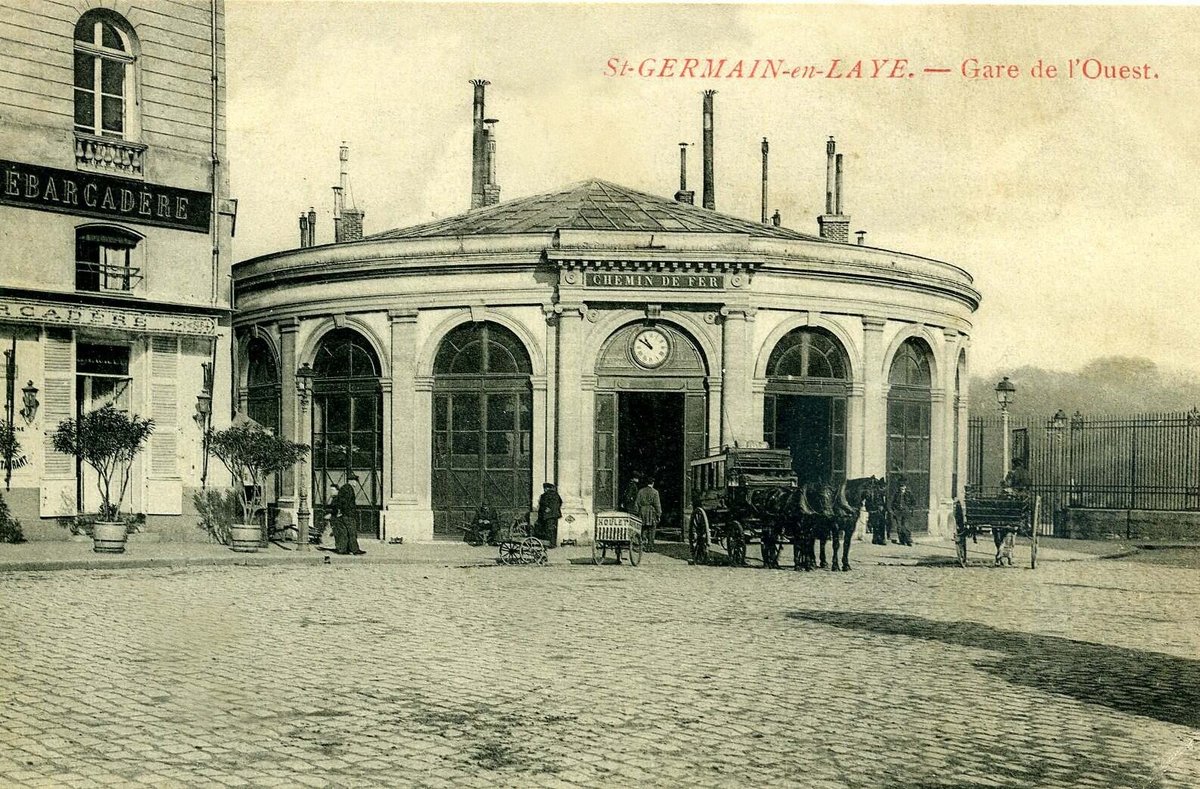
The steep ascent to Saint-Germain-en-Laye required an engineering solution. In 1847, an atmospheric railway enabled trains to reach the town directly, prompting construction of the present station near the château.
The railway attracted Parisians: nearly 400,000 passengers rode the line soon after its debut. It transformed leisure travel and commerce and inspired the radial “Star of Legrand” network that shaped the Paris suburbs.
Railway development helped Saint-Germain-en-Laye grow from a royal enclave into a vibrant suburb. It is now the largest commune in Yvelines. The station remains part of the Paris transport system and is served by RER A and Transilien Line L, with rapid connections to major Parisian hubs.
The Château
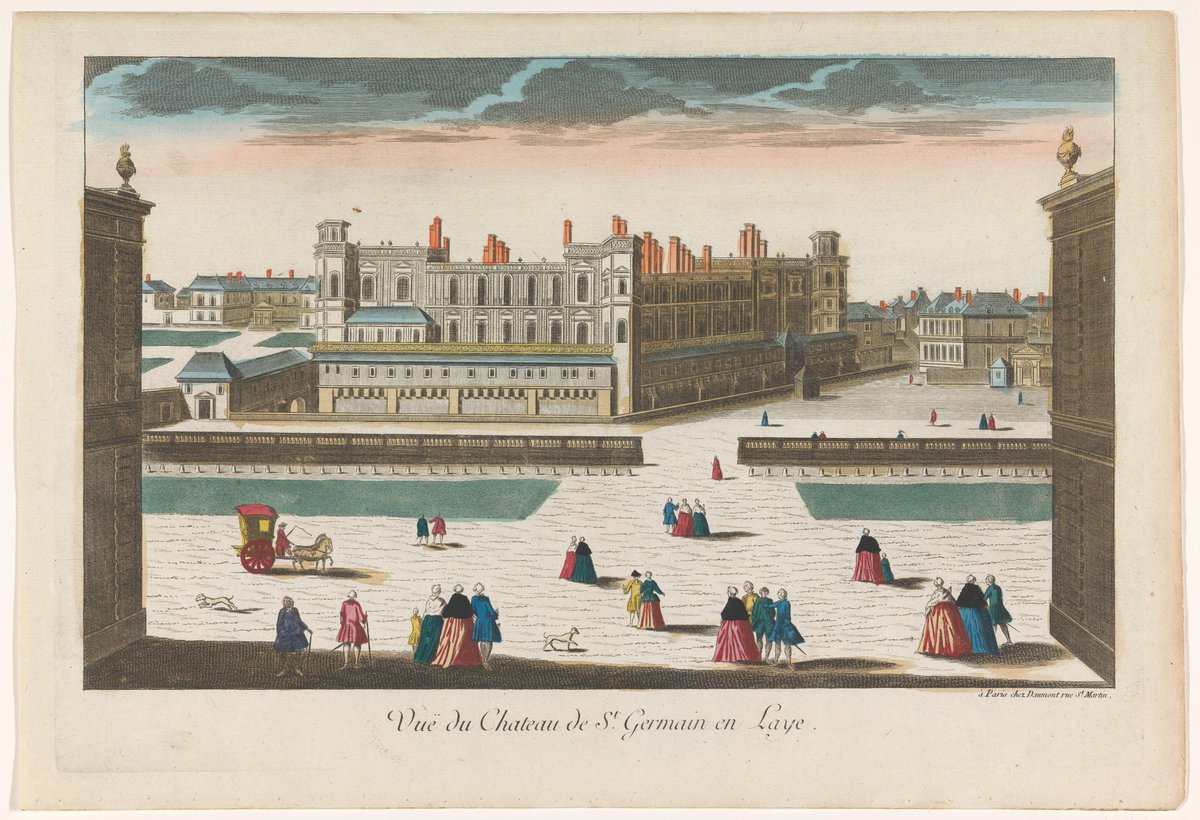
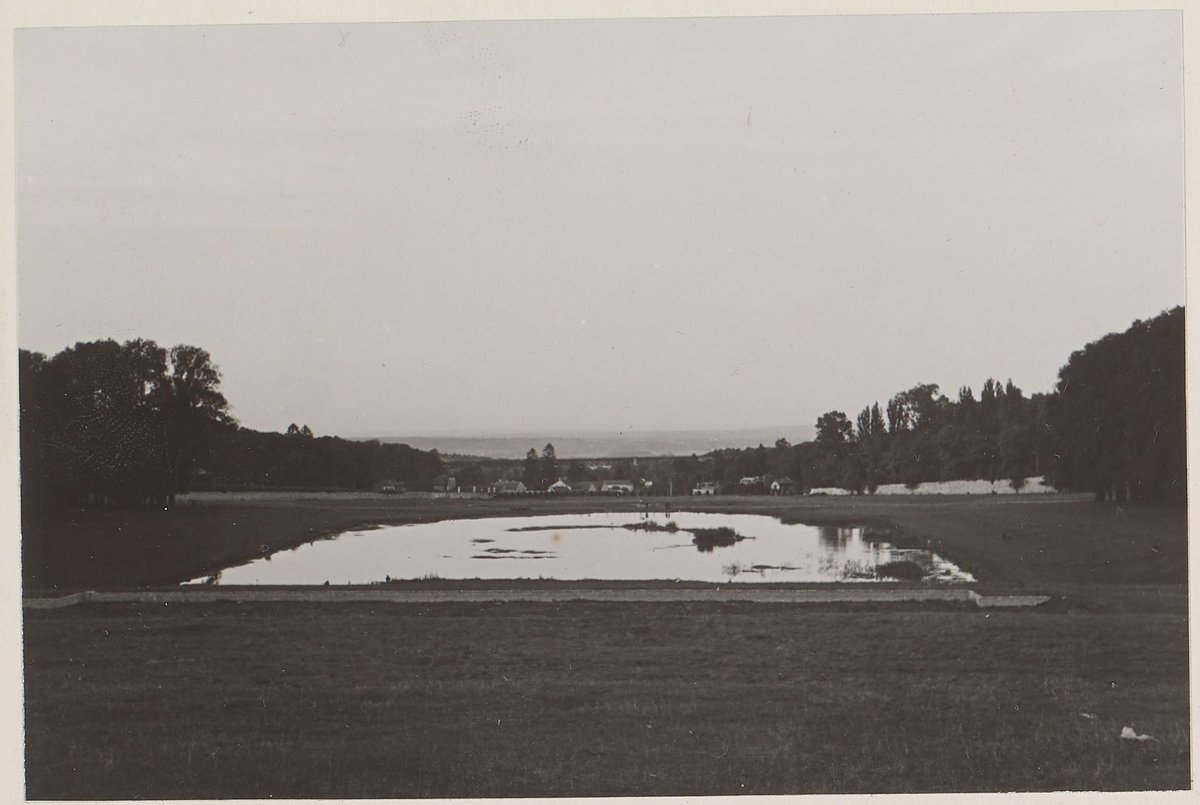
Established in the 12th century and rebuilt in the 16th century by François I, the Château de Saint-Germain-en-Laye was home to French monarchs. It now houses the National Museum of Archaeology, also known as the Musée d’Archéologie Nationale. Its gardens and panoramic terraces, designed by André Le Nôtre, are noted for their beauty and historical value.
What to See
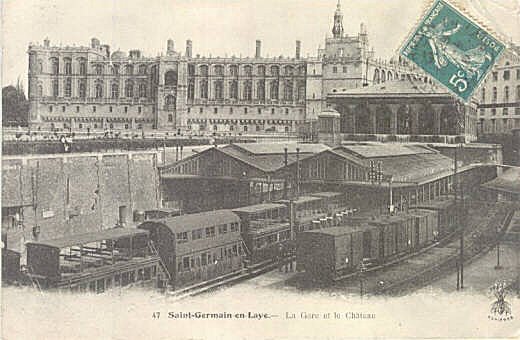
The station’s architecture and its backdrop of the château are popular with photographers. European Heritage Days, or Journées du Patrimoine, may include exclusive tours and exhibitions about the station’s legacy and its role in technological innovation and urban development. Information is available from European Heritage Days Info.
The château contains the National Museum of Archaeology. Its gardens and panoramic terraces offer views and photo opportunities.
Practical Visiting Information
Station Hours
- Trains Service operates daily from approximately 5:00 AM to midnight.
- Station building Generally open from 6:00 AM to 10:00 PM.
- Confirm current hours through SNCF or RATP.
Tickets
Tickets for RER A and Transilien Line L can be bought at station machines, counters, or online. Options include single-journey tickets, day passes, and Navigo cards. Tourists may benefit from the Paris Visite pass, which covers Saint-Germain-en-Laye in zone 4.
Accessibility
The station has ramps, elevators, tactile paving, and staff assistance. For full accessibility details, refer to the official station guide.
The château and station offer ramps and elevators, and the château has accessible restrooms. Audio guides and tactile exhibits are available at the château.
Directions
The station is at Place Henry IV, adjacent to the château. From central Paris, the journey by RER A takes approximately 22–30 minutes.
Château Hours and Tickets
- Opening hours Tuesday to Sunday, 10:00 AM–6:00 PM; last admission at 5:30 PM. Closed Mondays and on specific holidays.
- Standard adult admission €7–€7.50.
- Reduced rates are available for students and seniors. Admission is free for children under 18 and EU residents under 26.
- Tickets can be purchased online or at the château entrance. Combined exhibition tickets are available.
- Details are on the Château de Saint-Germain-en-Laye website.
Tips
- Arrive early at the château to avoid crowds.
- Guided tours in multiple languages are recommended for a deeper experience.
- Travel light, as large luggage storage is limited.
- Most signage is bilingual, and staff are accustomed to international visitors.
- Photography is generally allowed, though flash and tripod use may be restricted indoors.
For real-time travel updates, audio guides, and insider tips, the Audiala app is available to download. Related guides cover Parisian suburbs and French railway heritage, and social media offers further news and inspiration.
Nearby Places
- Château de Saint-Germain-en-Laye A former royal palace and home of the National Museum of Archaeology.
- Saint-Germain Forest Expansive woodland suited to walks and photography.
- Town center Historic arcades, markets, cafés, restaurants, shops, and a lively market square.
- Parks Places for picnics or leisurely walks.
- Station amenities Ticketing, accessible entrances, and adjacent bus and taxi services.
Frequently Asked Questions (FAQ)
Q: What are the station’s opening hours?
A: Train service runs daily from about 5:00 AM to midnight; the station building is usually open from 6:00 AM to 10:00 PM.
Q: How do I buy train tickets?
A: Tickets are available at station machines, ticket counters, or through official apps such as SNCF and RATP.
Q: Is the station accessible?
A: Yes. It has elevators, ramps, and tactile paving, and assistance is available.
Q: How long is the train ride to Paris?
A: The RER A journey takes approximately 22–30 minutes, depending on your destination.
Q: Can I buy château tickets at the station?
A: No. Château tickets are available at the château or online, not at the train station.
Q: Are guided tours available?
A: Yes. They can be booked through the château’s website or the Tourist Office.
Q: Is photography allowed?
A: Generally, yes. Flash and tripod use may be restricted indoors.