
A History Steeped in Royalty
Early Beginnings: A Royal Hunting Lodge
In the 12th century, King Louis VI established a hunting lodge at Saint-Germain-en-Laye, drawn by the abundant forests surrounding the site. It began the château’s royal association, which endured for centuries.
From Fortress to Palace: The Château’s Evolution
- The Medieval Fortress During his reign (1180-1223), King Philippe Auguste transformed the hunting lodge into a fortress with fortified walls and a keep. The medieval stronghold was largely destroyed in the 14th century during the Hundred Years’ War.
- Renaissance Rebirth King Charles V initiated a rebuilding project in the mid-14th century, adding a residential wing and a chapel.
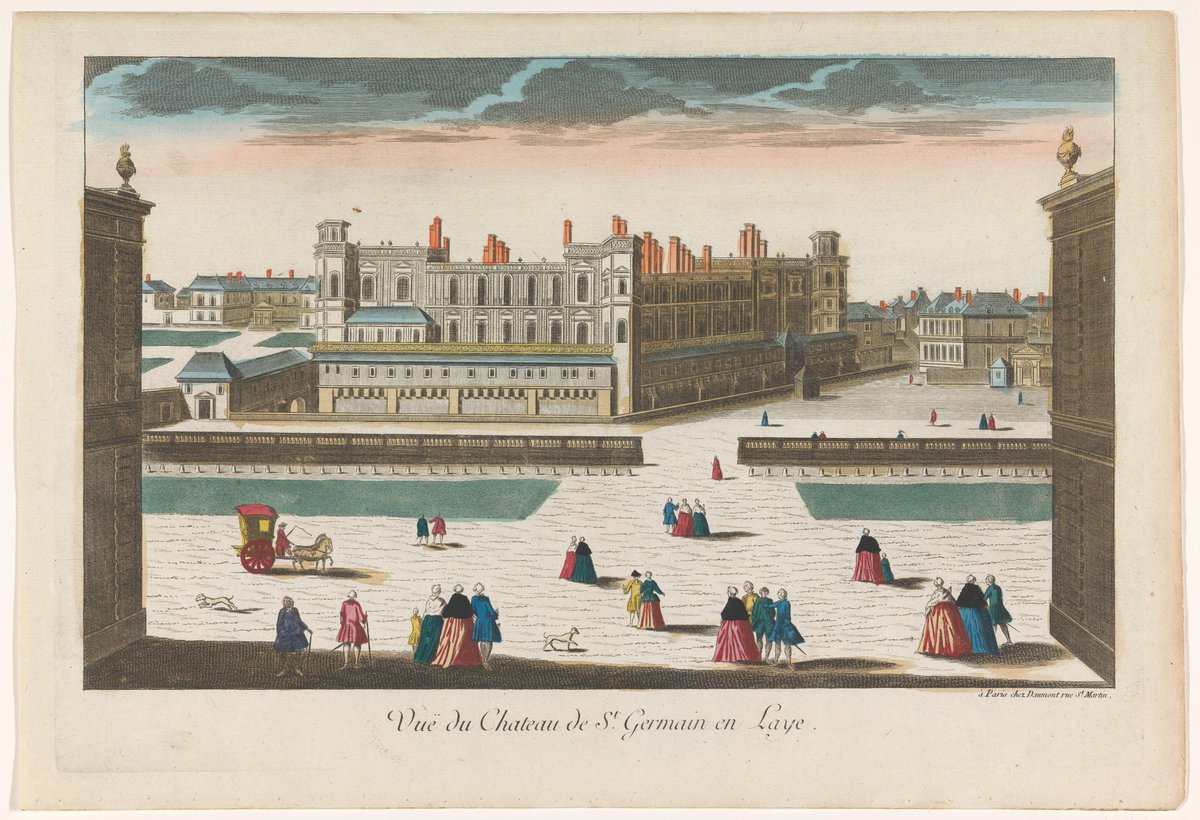
- Francis I and the “New Château” In the 16th century, Francis I commissioned a new palace within the existing walls. Its elegant façades, spacious courtyards, and use of brick and stone made it an example of French Renaissance architecture.
A Legacy of Kings and Emperors: The Château’s Residents
- Henri IV Born within the château, Henri IV expanded the palace and added a grand terrace with views of the Seine Valley.
- Louis XIV The Sun King spent a significant part of his childhood at the château. He commissioned architect Louis Le Vau to remodel parts of the palace and create new apartments.
- James II of England After the Glorious Revolution in England, the deposed King James II found refuge at Saint-Germain-en-Laye under the protection of Louis XIV.
Architectural Highlights and Features
Medieval Foundations: A Glimpse into the Past
- The Keep (Donjon) Dating back to the 14th century, the imposing keep recalls the château’s defensive purpose. (source)
Renaissance Transformation: A Royal Residence is Born
- The Francis I Wing Built around a central courtyard, the wing showcases the elegance and symmetry of French Renaissance architecture. (source)
- The Chapel Commissioned by Henry II and completed during the reign of Henry IV, the chapel is a work of Renaissance architecture. (source)
The Grand Design of Louis XIV: A Legacy of Grandeur
- The “New Château” by Louis XIV Built to accommodate his growing court, it reflects the grandeur and opulence associated with his reign. (source)
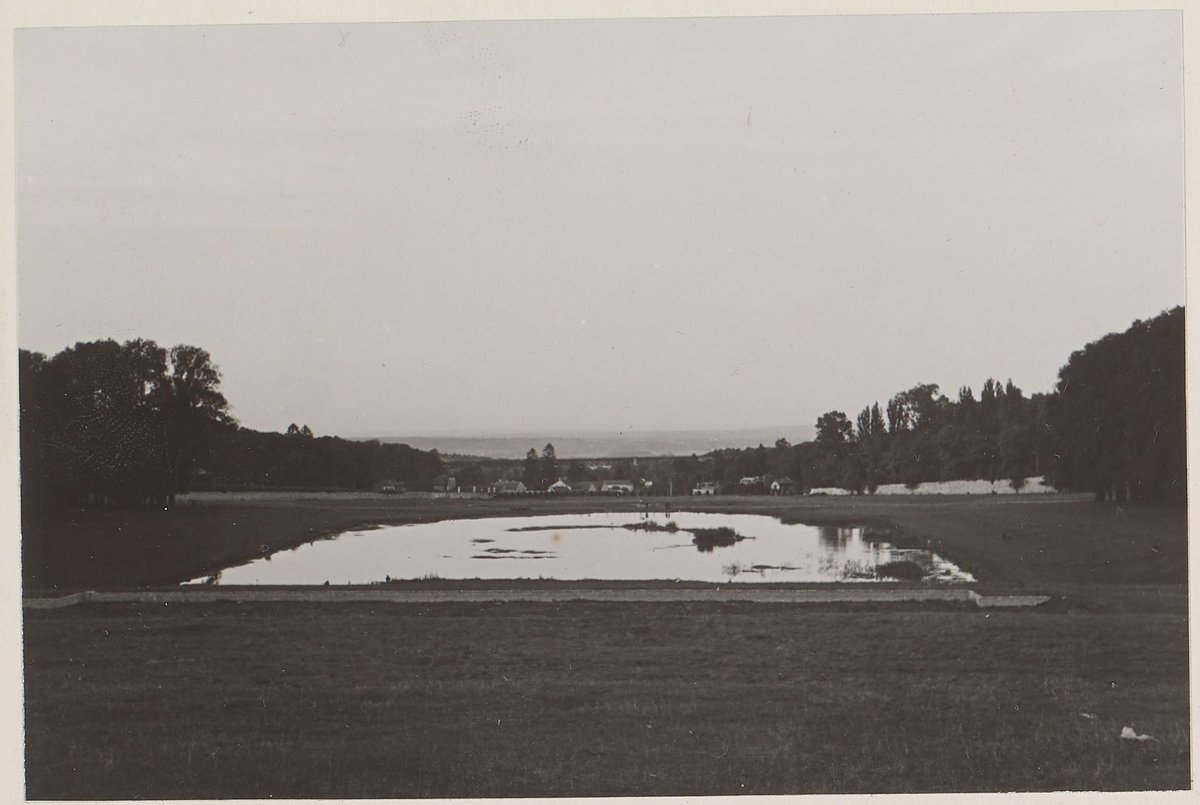
- The Gardens Designed by André Le Nôtre, the landscape architect behind the gardens of Versailles. (source)
Visitor Information
Visiting Hours
The château is open daily from 10:00 AM to 5:00 PM, except on Tuesdays and certain holidays.
Tickets
- General admission: €8.
- Reduced rates are available for students, seniors, and children.
- Admission is free on the first Sunday of each month.
Accessibility
The château is accessible to visitors with limited mobility, with ramps and elevators provided.
Special Events and Tours
The château hosts events throughout the year, including historical reenactments, concerts, and temporary exhibitions. Guided tours are available in multiple languages.
Travel Tips and Nearby Attractions
Travel Tips
- Plan to arrive early to avoid crowds.
- The château’s mobile app offers a self-guided tour experience.
Nearby Attractions
- Gardens and Grande Terrasse Offers views of the Seine Valley.
- Saint-Germain-en-Laye town Explore its shops and cafés.
Where to Eat and Drink
- La Feuillantine A Michelin-starred restaurant within the château’s walls.
- Le Pavillon Henri IV A restaurant with views of Paris.
Accommodation
- Hôtel Restaurant La Paix Near the château, this hotel offers rooms and a traditional French restaurant.
- Hôtel Mercure Paris Ouest Saint-Germain-en-Laye Near the RER A train station, this hotel offers modern amenities.
FAQ
What are the visiting hours for Château de Saint-Germain-en-Laye?
The château is open daily from 10:00 AM to 5:00 PM, except on Tuesdays and certain holidays.
How much are tickets to Château de Saint-Germain-en-Laye?
General admission tickets are €8, with reduced rates for students, seniors, and children. Admission is free on the first Sunday of each month.
Is Château de Saint-Germain-en-Laye accessible for visitors with limited mobility?
Yes. The château provides ramps and elevators for visitors with limited mobility.