Architectural Highlights
Exterior and Façade
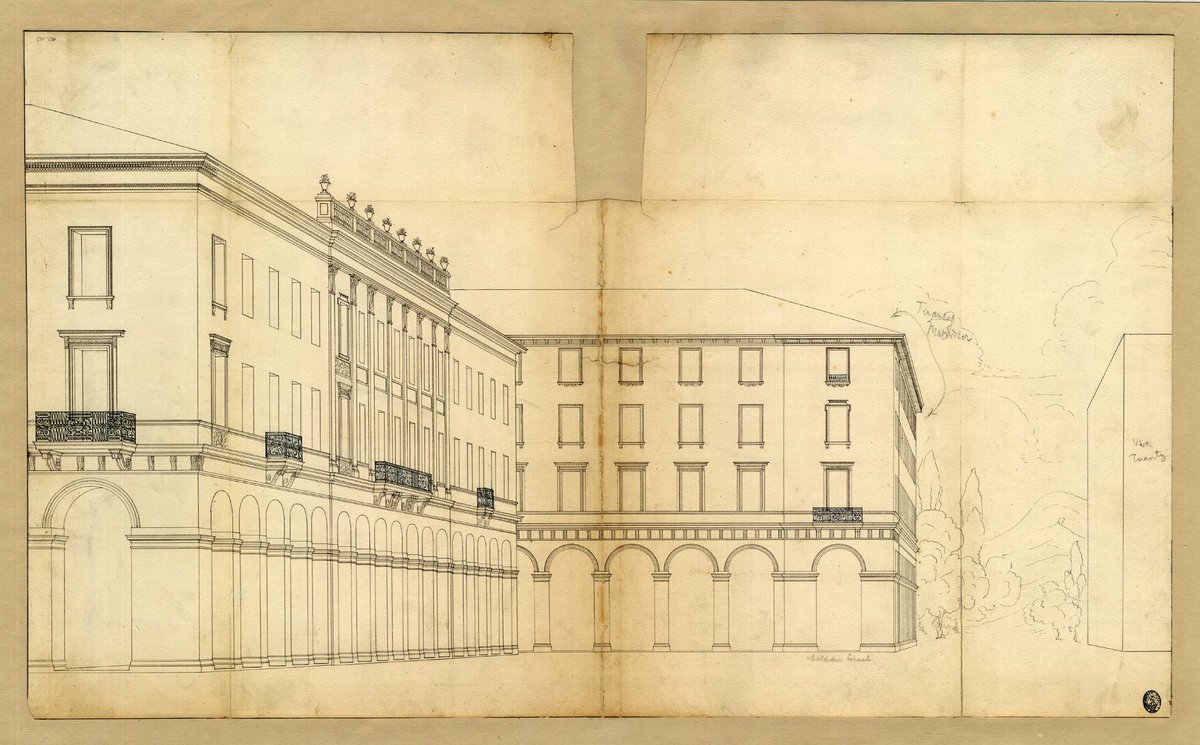
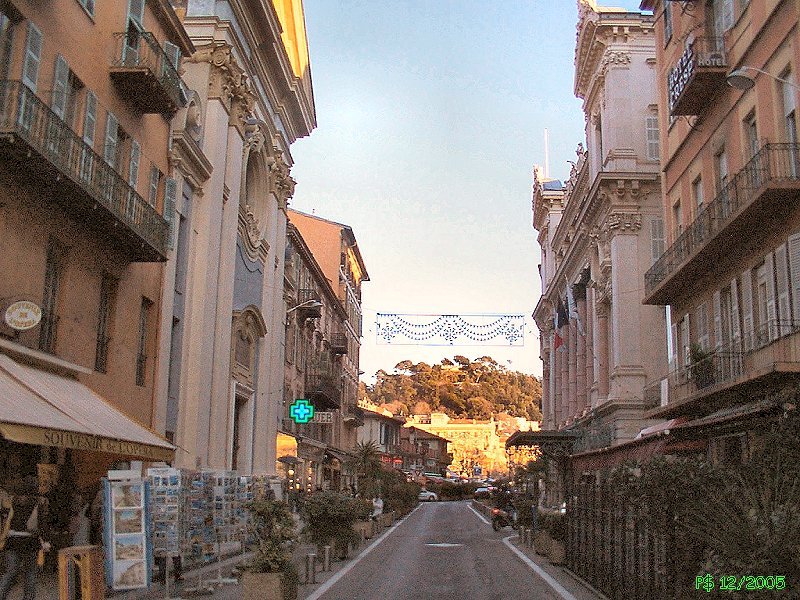
The palace’s exterior, visible from Place Pierre-Gautier and the lively Cours Saleya, features a dignified neoclassical façade, robust columns, and harmonious proportions—hallmarks of its noble past. The main entrance is both stately and inviting, while the southern façade reflects a blend of Savoyard solidity and classical elegance.
Interior Features
While regular access to the interior is limited, highlights revealed during special events include:
- Grand Staircase An ornate marble staircase with intricate ironwork and frescoed ceilings.
- Salon Bleu A lavish reception hall adorned with blue silk, gilded moldings, and period furnishings.
- Throne Room Once used for royal audiences, this room boasts a monumental fireplace and regal insignia.
- Chapel A richly decorated private chapel, testament to the palace’s royal origins.
- Illuminated Gallery Murals by Jules Chéret celebrate Nice’s festivals, and a Venetian-inspired dining room, redesigned in the 1950s, reflects the building’s evolving styles.
Designated as a Monument Historique since 1996, the palace’s main staircase, façade, and roof are legally protected as prime examples of Nice’s architectural heritage (Base Mérimée).
Visiting Hours and Tickets
The Palais de la Préfecture is an active government building and is not open for public visits on a daily basis. Public access is typically granted during special events such as the European Heritage Days (Journées Européennes du Patrimoine), held annually in September (Journées du Patrimoine). During these occasions, the palace offers guided group tours of its grand salons and ceremonial spaces.
- Tickets Participation in tours is free but requires advance registration due to limited capacity and security measures. Reservations can be made through the Préfecture des Alpes-Maritimes or the Nice tourism office.
- ID and Security Visitors must present valid government-issued photo ID. Bags are inspected, and large luggage is not permitted. Photography inside is typically restricted; always ask your guide for permission.
Accessibility
- Exterior Access The palace’s façade and surrounding areas—including Cours Saleya and Place Pierre-Gautier—are wheelchair accessible, with paved streets and public transport nearby.
- Interior Access Due to the building’s historic nature, full accessibility cannot be guaranteed. Some stairs and narrow passages may be challenging for those with reduced mobility. Visitors with special needs should contact the Prefecture in advance (Contact Prefecture).
Guided Tours and Special Events
Guided tours, usually in French, are offered during European Heritage Days and occasionally for pre-registered groups. These tours provide expert commentary on the palace’s architecture, history, and role in regional governance. English-language tours are rare and should be requested in advance.
The palace also hosts official ceremonies, diplomatic receptions, and is occasionally included in thematic walking tours organized by Nice’s local heritage associations.
How to Reach the Palais de la Préfecture
- Location 6 Rue Alexandre Mari, 06300 Nice, France.
- By Tram Line 1, stop at “Opéra – Vieille Ville” (3-minute walk) (Lignes d’Azur).
- By Bus Several routes serve the Old Town area.
- By Car Public parking is available at “Parking Saleya Marché aux Fleurs.”
- On Foot The palace is a short walk from the Promenade des Anglais, Place Masséna, and the Nice Cathedral.
Nearby Attractions
- Cours Saleya Market A vibrant market for flowers, produce, and artisanal goods (Cours Saleya Market).
- Nice Cathedral (Sainte-Réparate) Baroque masterpiece just minutes away (Cathedral of Sainte-Réparate).
- Place Masséna The city’s main square, ideal for strolling and people-watching.
- Promenade des Anglais Iconic seafront boulevard.
- Palais Lascaris and Musée Masséna Museums showcasing Nice’s cultural evolution.
Visitor Tips
- Plan Ahead Check official websites for tour dates and registration windows.
- Arrive Early Arrive 15–30 minutes before your tour to clear security.
- Dress Code Smart casual attire is recommended.
- Language Tours are generally in French; request English when booking.
- Combine Visits The palace’s central location makes it easy to include nearby attractions in your itinerary.
- Photography Exterior photography is permitted; interior photography is restricted.
Frequently Asked Questions (FAQ)
Can I visit the interior any day?
No, public access is limited to special events like European Heritage Days.
Are tickets required?
Yes, guided tours require free but advance registration.
Are tours available in English?
Tours are usually in French. English tours may be available upon request.
Is the palace wheelchair accessible?
The exterior is accessible; interior access is limited. Contact the Prefecture for details.
Is photography allowed?
Photography is permitted outside. Inside, ask your guide before taking photos.
Contact Information
- Préfecture des Alpes-Maritimes Official Website
- Nice Tourism Office
- Journées Européennes du Patrimoine
- For direct inquiries: Contact Prefecture
Discover More
The Palais de la Préfecture offers a unique window into Nice’s vibrant history—its transformation from royal residence to administrative hub reflects broader narratives of political change, architectural innovation, and civic pride. While interior access is rare, aligning your visit with heritage events or guided tours will reward you with a glimpse of its opulent salons and storied halls. Take advantage of its central location to explore nearby markets, cathedrals, and museums, making your journey through Nice both comprehensive and memorable.
To maximize your experience, utilize resources like the Audiala app for curated tours and real-time updates, and consult official websites for the latest visiting information. Embrace this opportunity to connect with Nice’s heritage at one of its most treasured monuments.
Audiala2024