
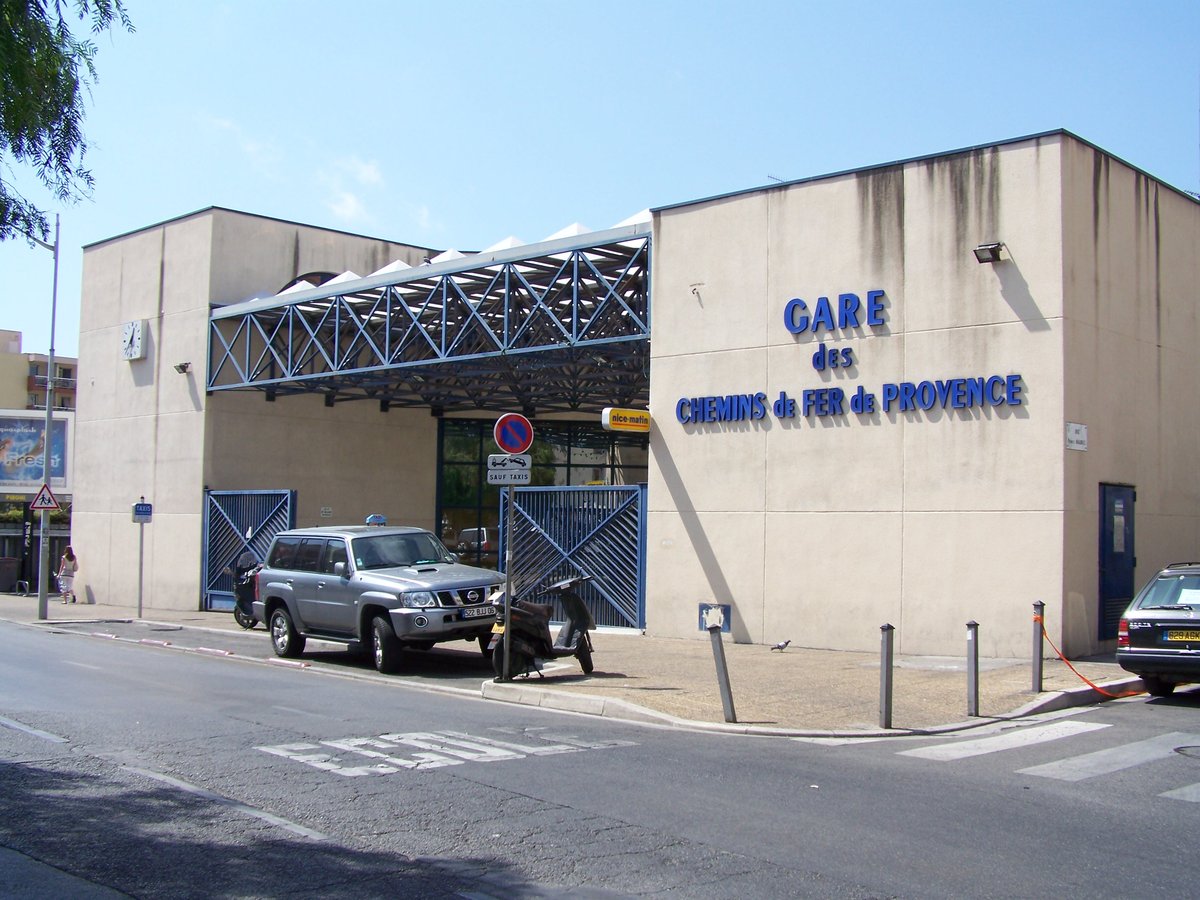
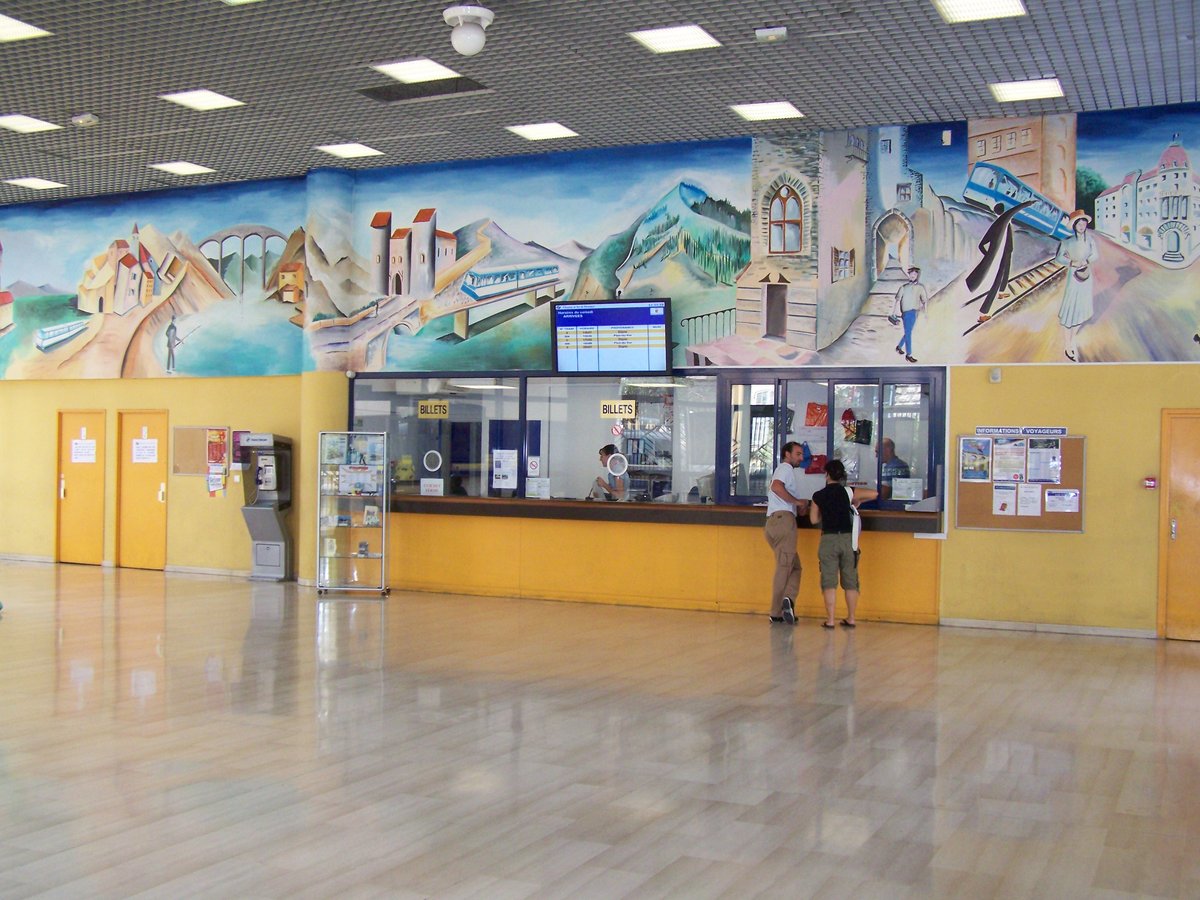
Historical Development of Nice CP Station
The origins of the Chemins de Fer de Provence (CP) and its iconic Train des Pignes can be traced to the visionary efforts of Alphonse Beau de Rochas in the 19th century. He advocated for a rail link connecting Nice to the Alpine regions, overcoming formidable engineering challenges by adopting a one-meter narrow-gauge track to navigate steep gradients and sharp curves. The construction, authorized in 1882, required 25 tunnels, 16 viaducts, and 15 metal bridges across 150 kilometers, culminating in the line’s inauguration in 1911 (tourisme-alpes-haute-provence.com; dignelesbains-tourisme.com).
Architectural and Technical Heritage
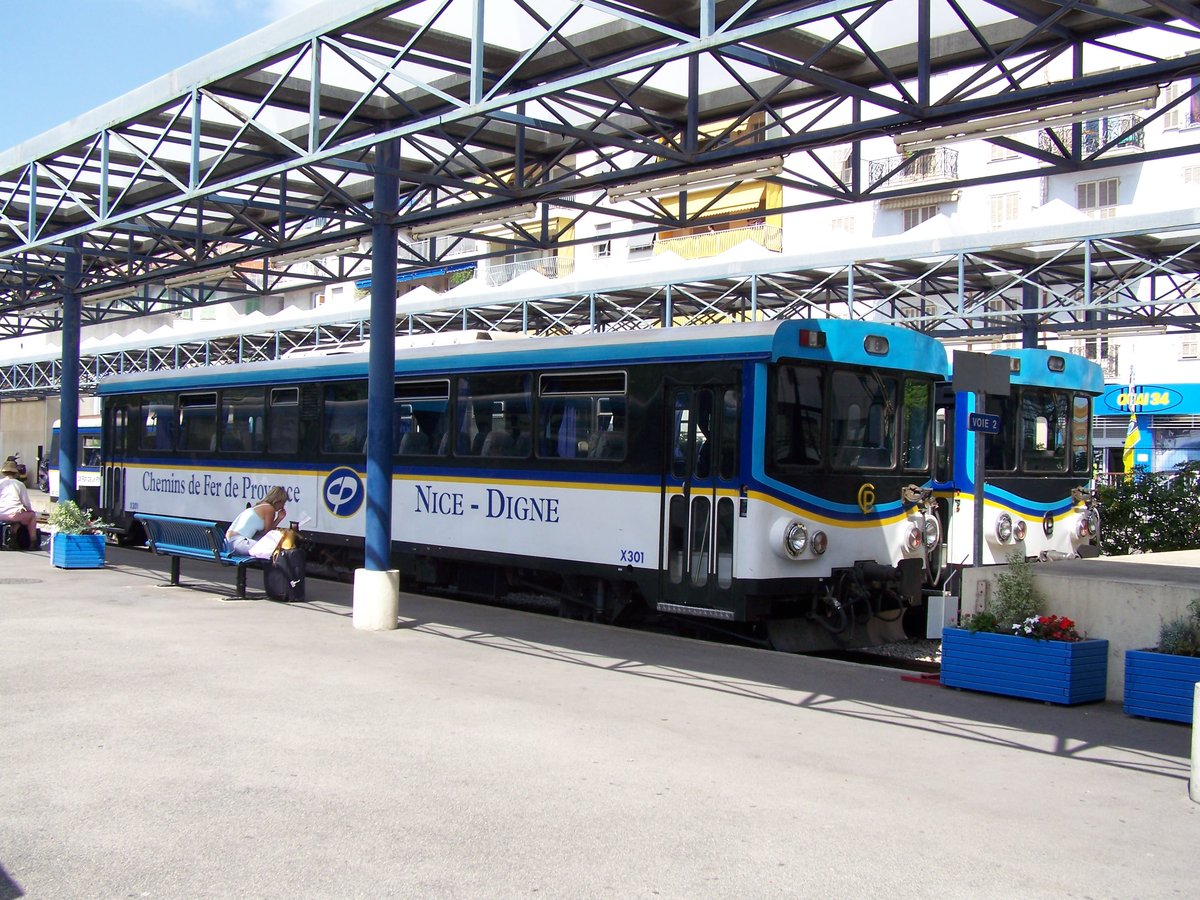
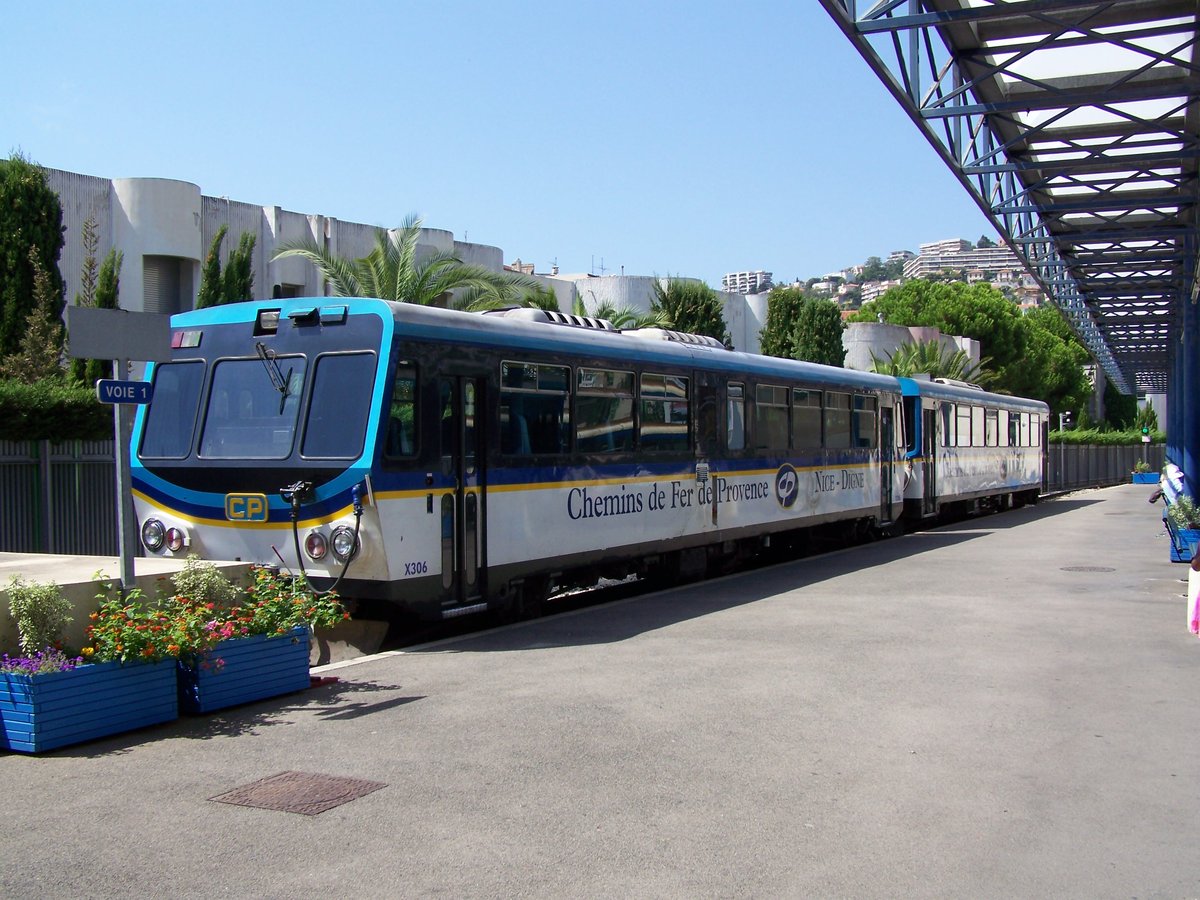
Nice CP Station is a showcase of early 20th-century railway architecture, notable for its red brick façade, period canopies, and elegant clock. While modernized for contemporary use, the station retains original features that reflect its heritage. It remains one of France’s last operational narrow-gauge railways, serving both modern diesel railcars and heritage steam trains. The “Train des Pignes à Vapeur” experience, operated by enthusiasts, immerses passengers in early 20th-century travel with wooden benches and authentic fittings (tourisme-alpes-haute-provence.com; dignelesbains-tourisme.com).
Visiting Hours and Ticketing
Station Opening Hours:
- Daily: 7:00 AM – 7:00 PM
- Ticket counters: 7:30 AM – 6:00 PM
Ticket Prices:
- Adult one-way (Nice–Digne-les-Bains): ~€19
- Reductions for children, seniors (60+), groups; seniors receive at least 25% off with ID (Eurail Community).
- Heritage steam train tickets vary by date/event
Where to Buy:
- Onsite at ticket counters
- Online via cpzou.fr
- Through authorized agencies
Note: CP line tickets are not included in SNCF, Eurail, or Interrail passes.
Accessibility
Nice CP Station is equipped for travelers with reduced mobility—step-free access to platforms and ticketing, accessible restrooms, and staff assistance upon request. Guide dogs are welcome. For special assistance, contact the station in advance.
Travel Tips & Nearby Attractions
Travel Tips
- Arrive at least 30 minutes before departure.
- Book heritage train rides in advance, especially during high season.
- Weather can vary along the route—dress accordingly.
Nearby Attractions
- Promenade des Anglais Iconic seafront boulevard.
- Old Town (Vieux Nice) Historic streets, markets, and architecture.
- Musée Matisse & Marc Chagall Museum Reachable via tram/local transport.
- Alpine Villages Accessible via the Train des Pignes—Entrevaux, Annot, and Digne-les-Bains are highlights (marvellous-provence.com).
The Train des Pignes: A Provençal Icon
The Train des Pignes is named for the pinecones (‘pignes’) that once fueled its steam locomotives or for the pine forests along its route. Departing from Nice CP, the train winds through the Var and Verdon valleys, offering panoramic views and stops at historic villages like Annot and Entrevaux. The full journey to Digne-les-Bains takes about 3 hours and 25 minutes, with four daily departures (dignelesbains-tourisme.com).
Preservation and Community Involvement
Heritage groups such as the GECP maintain and operate the “Train des Pignes à Vapeur” from May to October, run a souvenir boutique, and organize educational events. The station also participates in regional festivals and supports cultural initiatives in partnership with local communities (tourisme-alpes-haute-provence.com; cpzou.fr).
Environmental and Social Impact
The Train des Pignes offers an energy-efficient, low-carbon alternative to road travel. By connecting rural areas and supporting local economies, the line enhances both environmental sustainability and social cohesion (dignelesbains-tourisme.com).
Frequently Asked Questions (FAQ)
Q: What are the Nice CP Station visiting hours?
A: Open daily 7:00 AM–7:00 PM; ticket counters 7:30 AM–6:00 PM.
Q: How do I buy tickets for the Train des Pignes?
A: At the station, online (cpzou.fr), or via travel agencies.
Q: Are heritage steam train rides available?
A: Yes, mainly Sundays from May to October and more frequently during summer.
Q: Is the station accessible for reduced mobility travelers?
A: Yes—step-free access, accessible restrooms, and staff assistance provided.
Q: Can I use a Eurail or Interrail pass?
A: No—these passes are not valid on the CP line.
Q: What are the main nearby attractions?
A: Promenade des Anglais, Vieux Nice, Musée Matisse, and mountain villages along the Train des Pignes route.
Discover More
Nice CP Station is your portal to the authentic landscapes and cultural heritage of Provence. Whether you come for the legendary Train des Pignes, historic architecture, or access to the Riviera’s best sights, the station offers a welcoming and efficient start to your journey. For schedules, ticketing, and event updates, consult the official Chemins de Fer de Provence website and regional tourism resources (explorenicecotedazur.com). Download the Audiala app for real-time train updates, travel tips, and local event notifications.