
Origins and Early Development
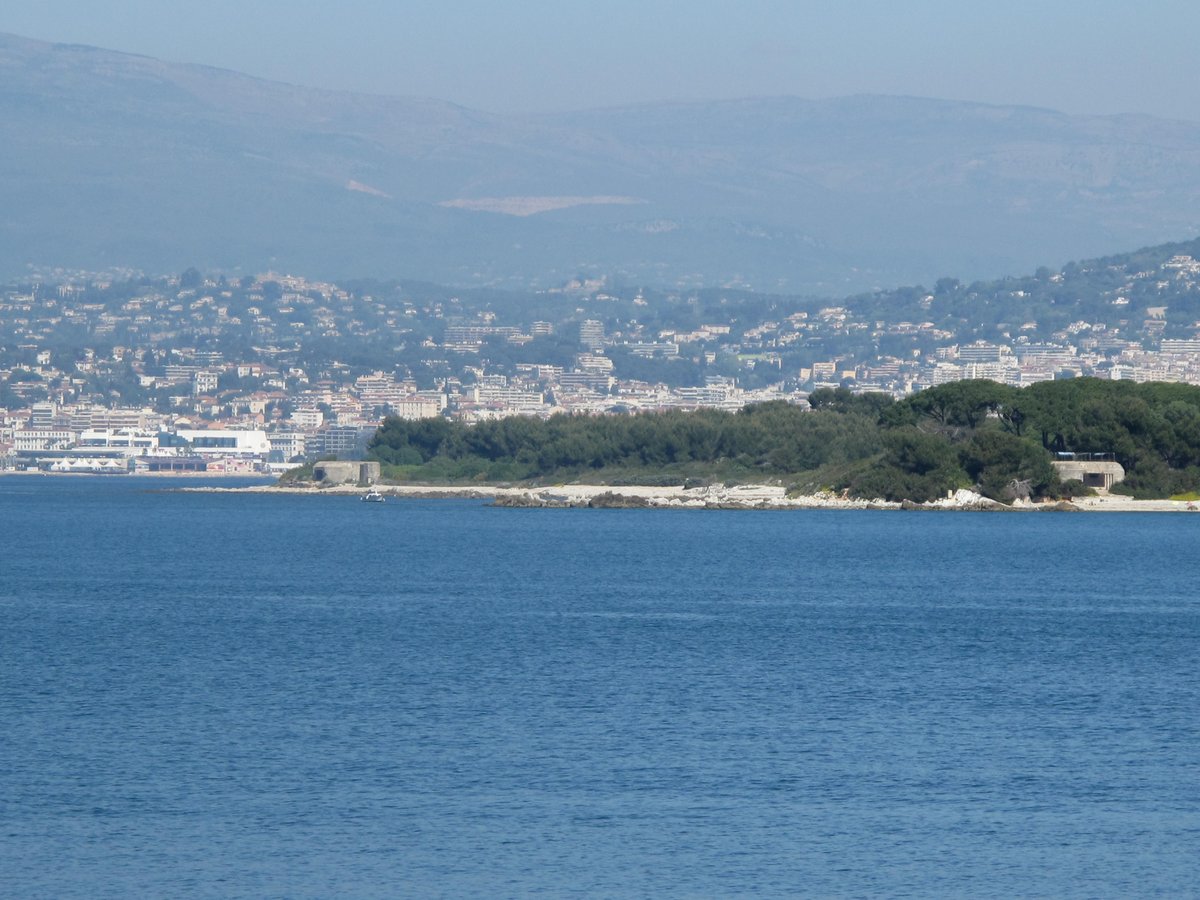
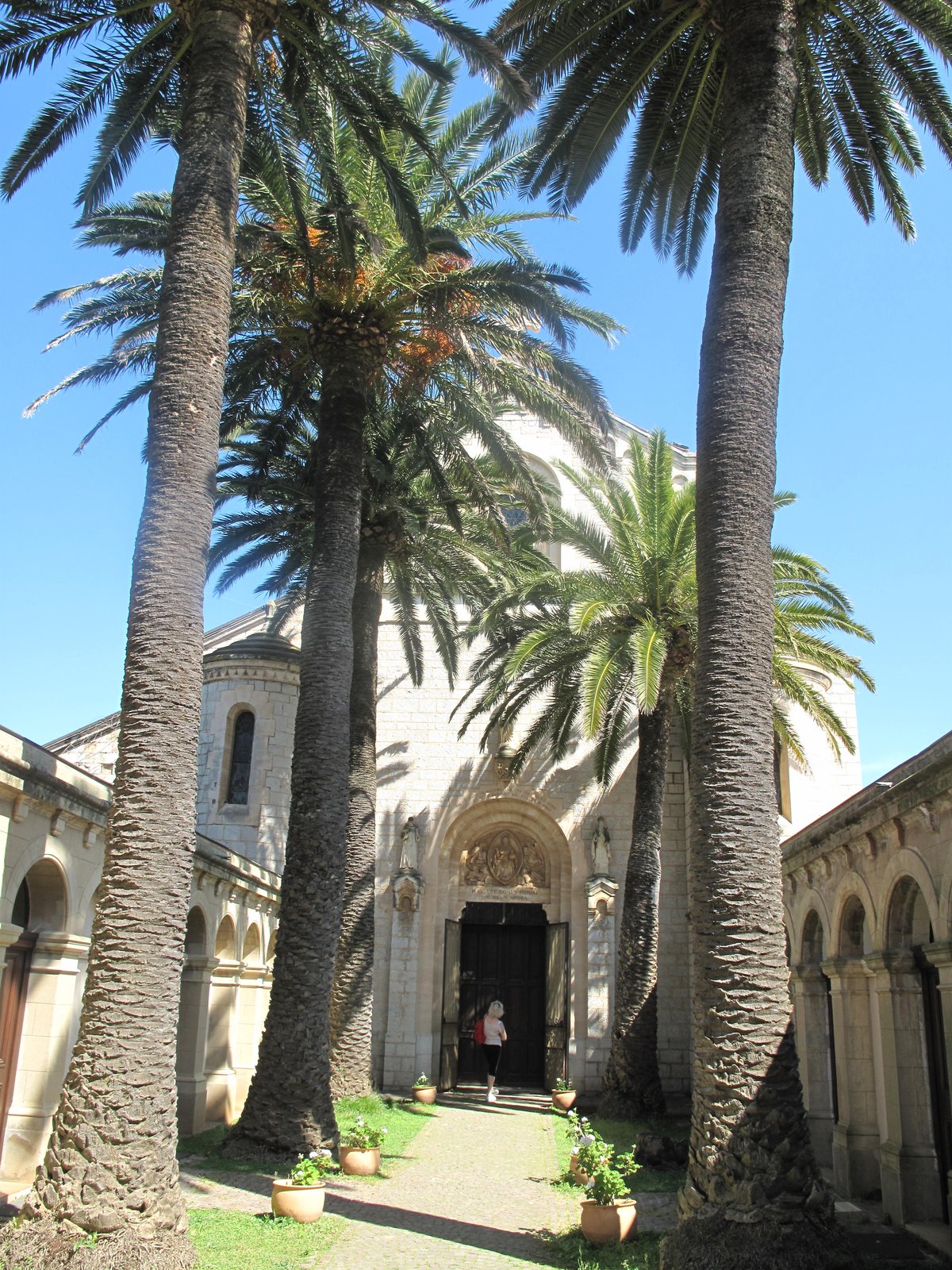
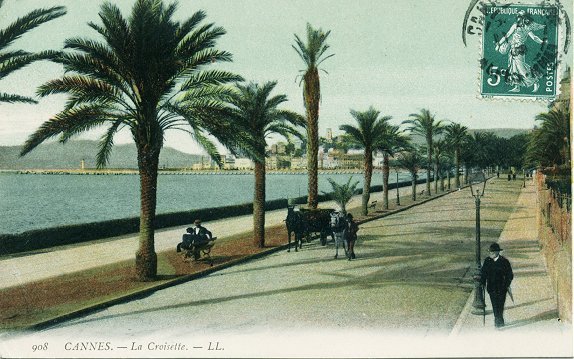
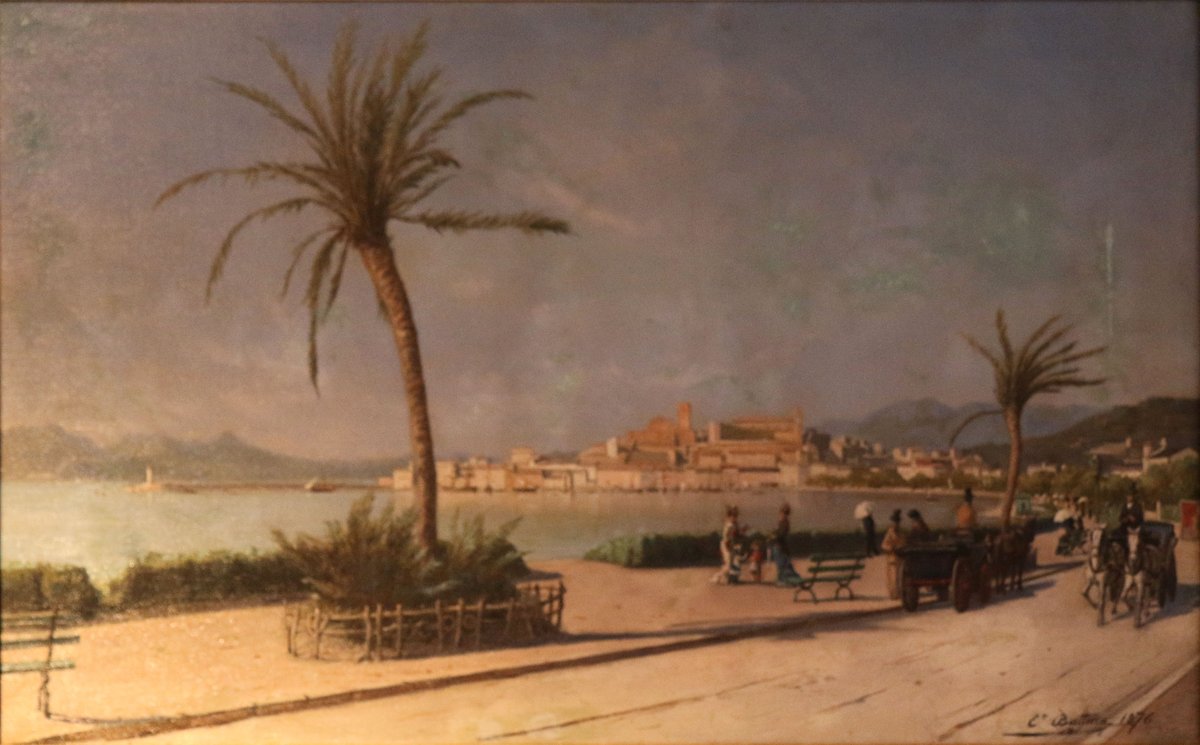
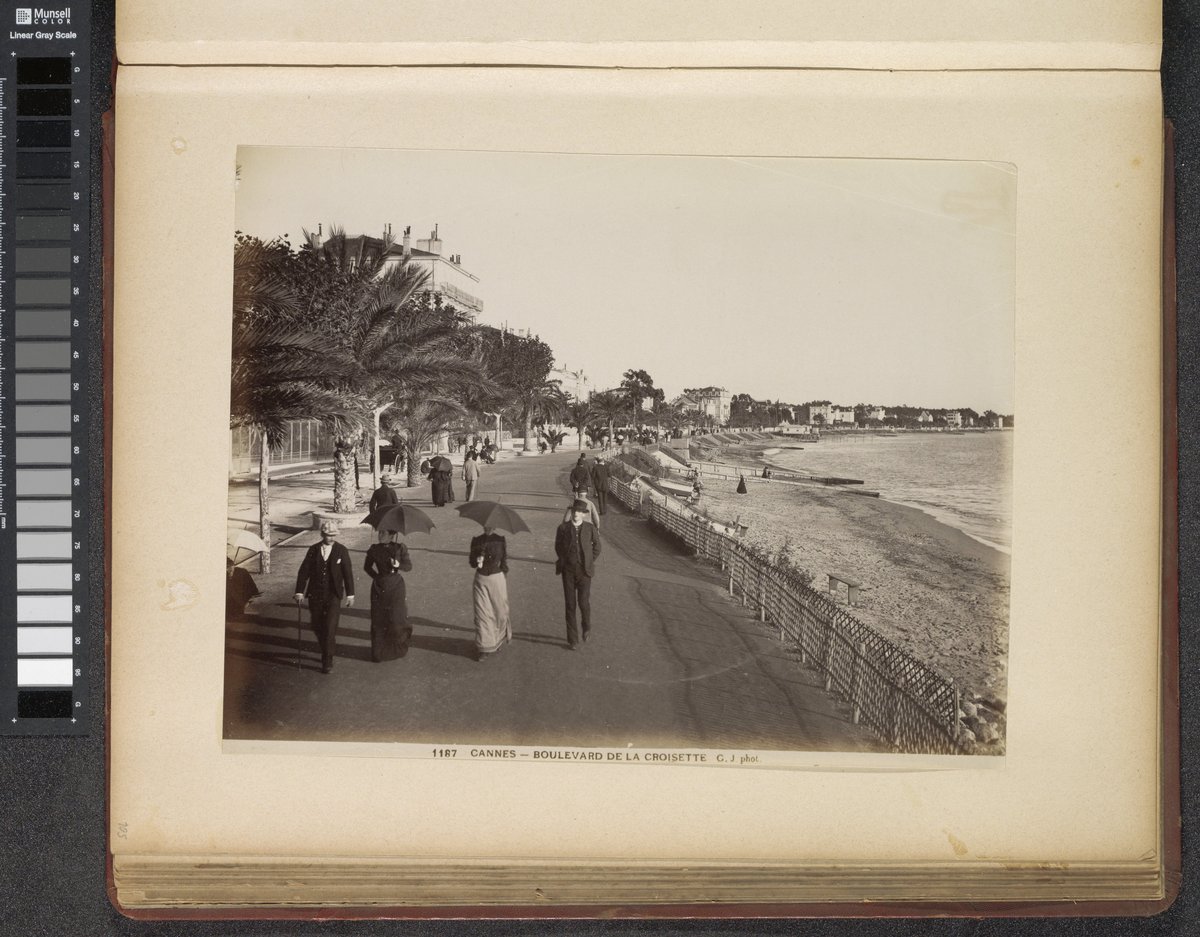
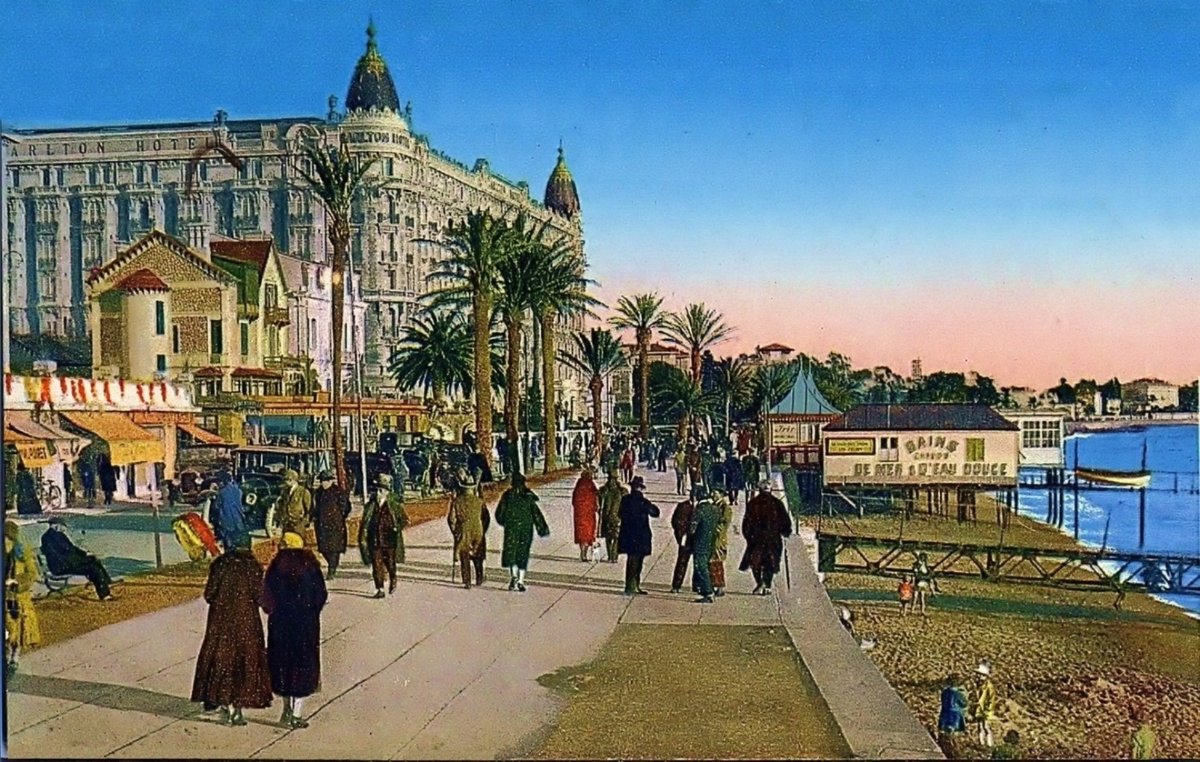
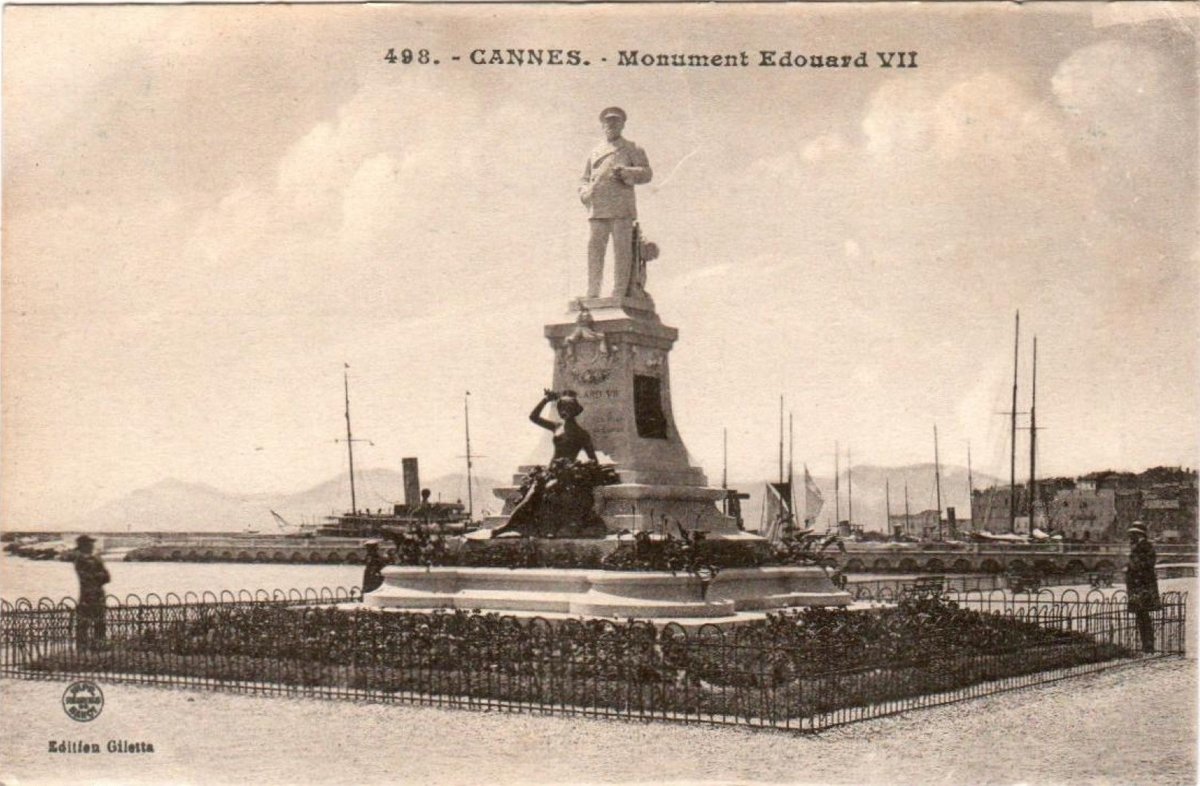
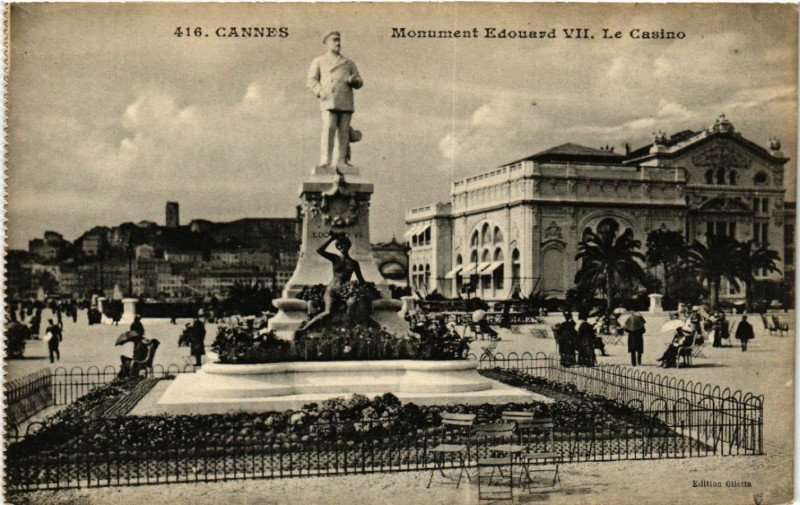
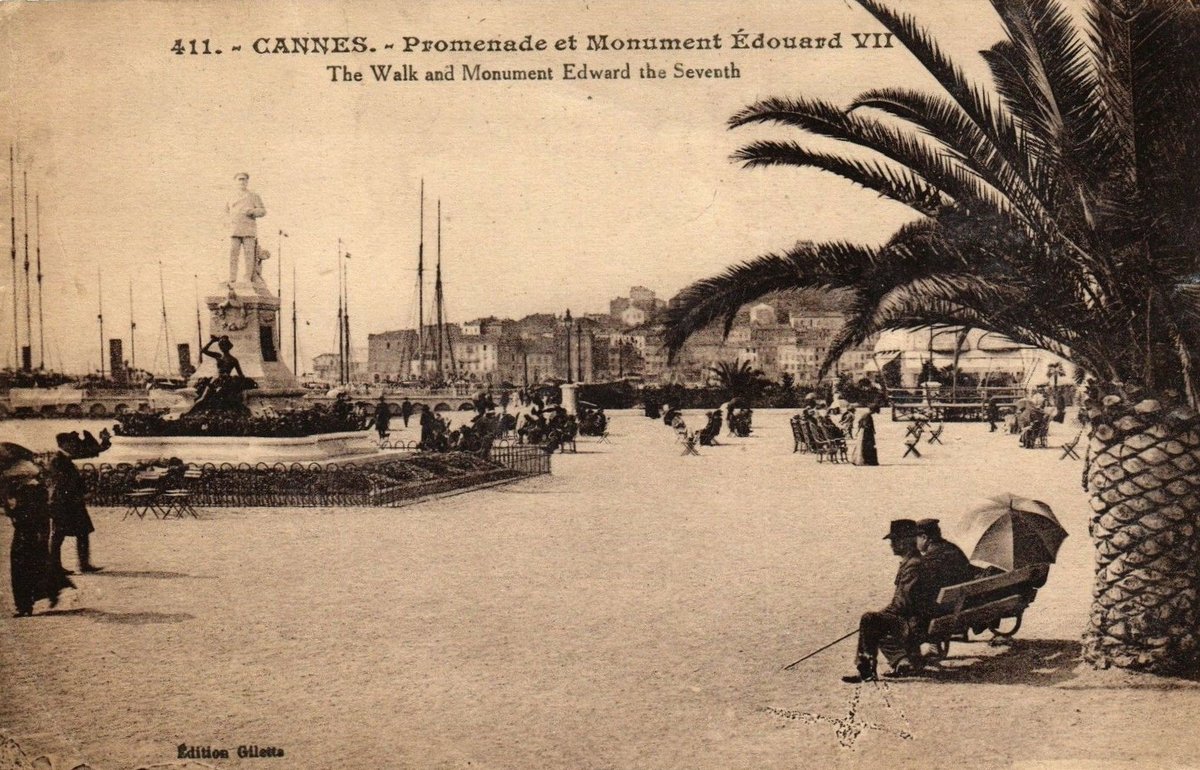
La Croisette’s beginnings were humble. The name comes from the Provençal crouseto (“little cross”), referencing a cross that once marked a pilgrims’ path along the bay toward the Abbey of Saint-Honorat on the Lérins Islands (France Today). Until the mid-19th century, the coastline was an undeveloped footpath. The transformation began in the 1850s, when British statesman Lord Henry Brougham, captivated by Cannes’ scenery, settled in the area, inspiring a wave of aristocratic visitors (Cannes.com).
In 1853, the first official promenade was constructed, financed by local residents who recognized the area’s potential. The boulevard’s elegant curve follows the bay, offering sweeping views of the Golfe de la Napoule and the Estérel Mountains, quickly establishing its reputation as one of Europe’s most beautiful waterfronts.
The Rise of Luxury and International Prestige
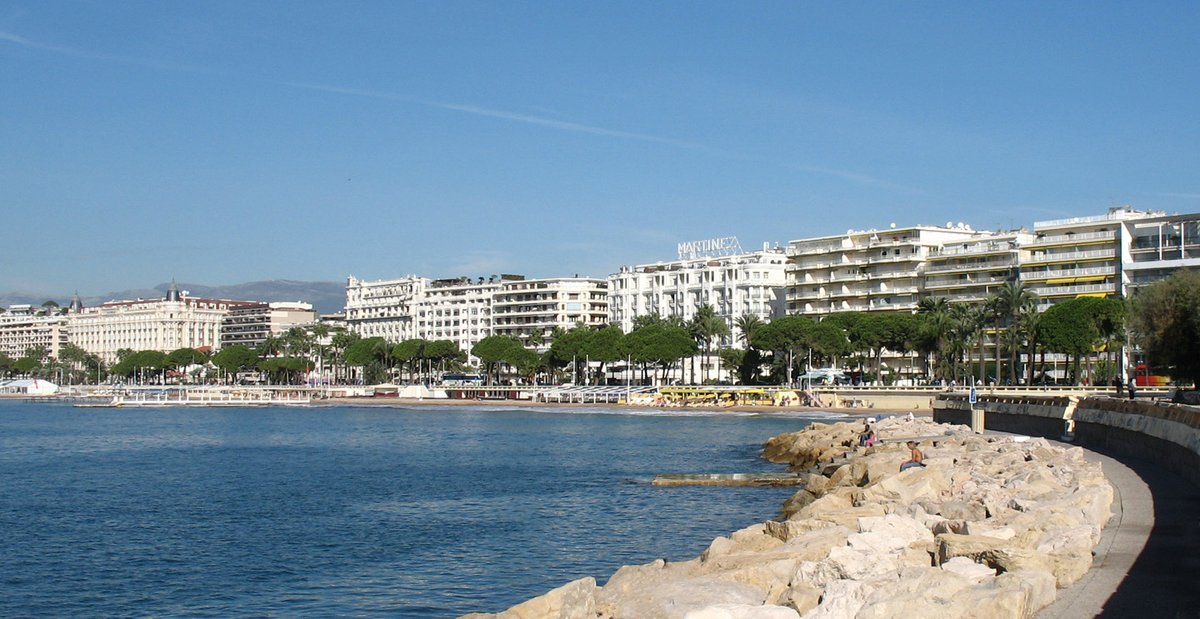
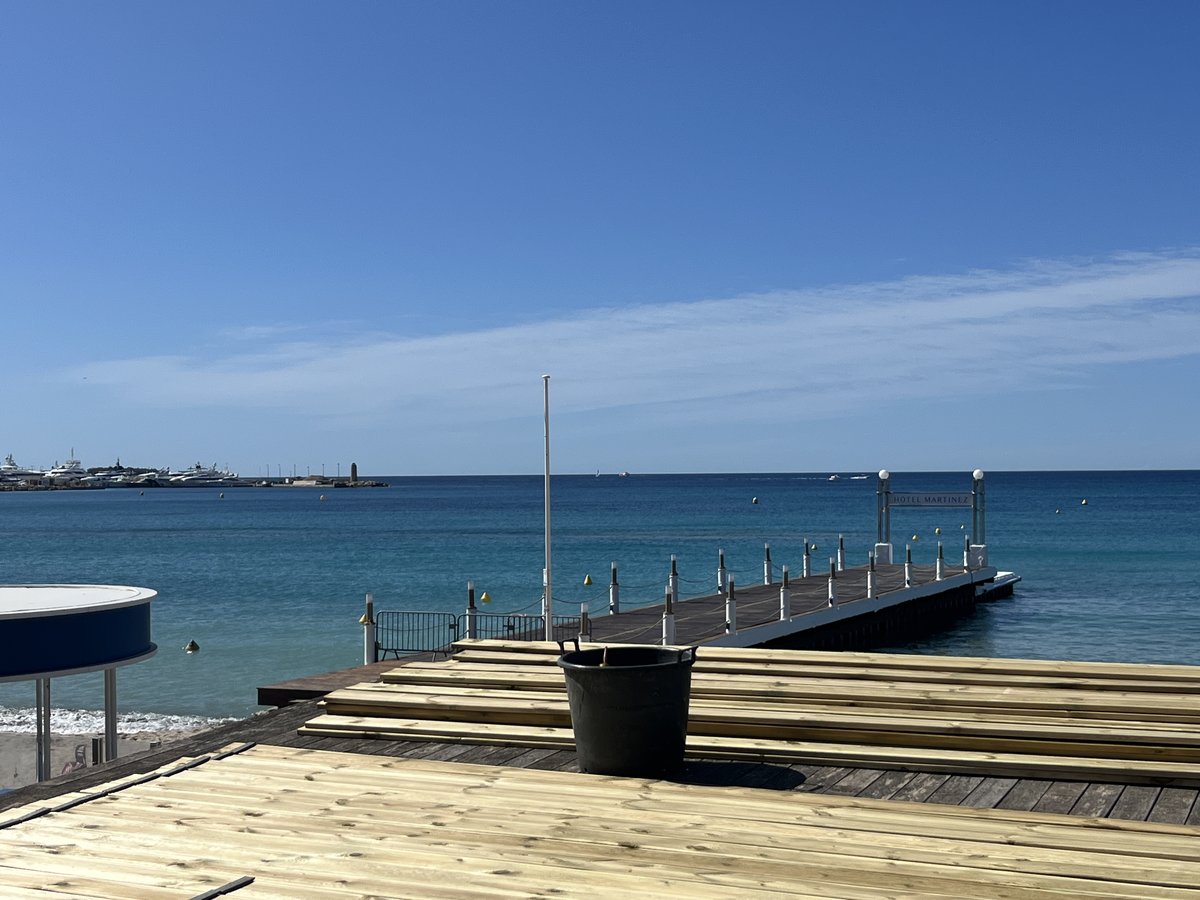
The late 19th and early 20th centuries saw La Croisette’s transformation into a symbol of luxury. Landmark hotels such as the Carlton (1913), Martinez, and Majestic defined the boulevard’s skyline with Belle Époque and Art Deco architecture (En-Vols). Upscale boutiques, private beach clubs, and elegant cafés followed, establishing the tradition of “promenading” to see and be seen (SeeCannes).
The Cannes Film Festival and Modernization
Since 1946, the Croisette has been the epicenter of the Cannes Film Festival. The Palais des Festivals et des Congrès, at the western end, draws filmmakers, actors, and fans from around the globe (En-Vols). The festival spurred further development—more luxury hotels, restaurants, and boutiques—cementing the Croisette’s global status (TravelTechInsights).
Major renovations in the 1960s modernized the promenade, widening it, enhancing landscaping, and improving facilities while preserving its historic charm (SeeCannes).
Cultural Significance and Local Life
La Croisette is a symbol of Cannes’ cosmopolitan spirit. It is a gathering place for residents and tourists alike, hosting art exhibitions, open-air concerts, and public celebrations. Its blue chairs, palm trees, and seaside benches invite moments of relaxation amid the lively city (SeeCannes). The promenade also provides access to marinas, public and private beaches, and serves as the stage for year-round events.
21st-Century Renewal and Sustainability
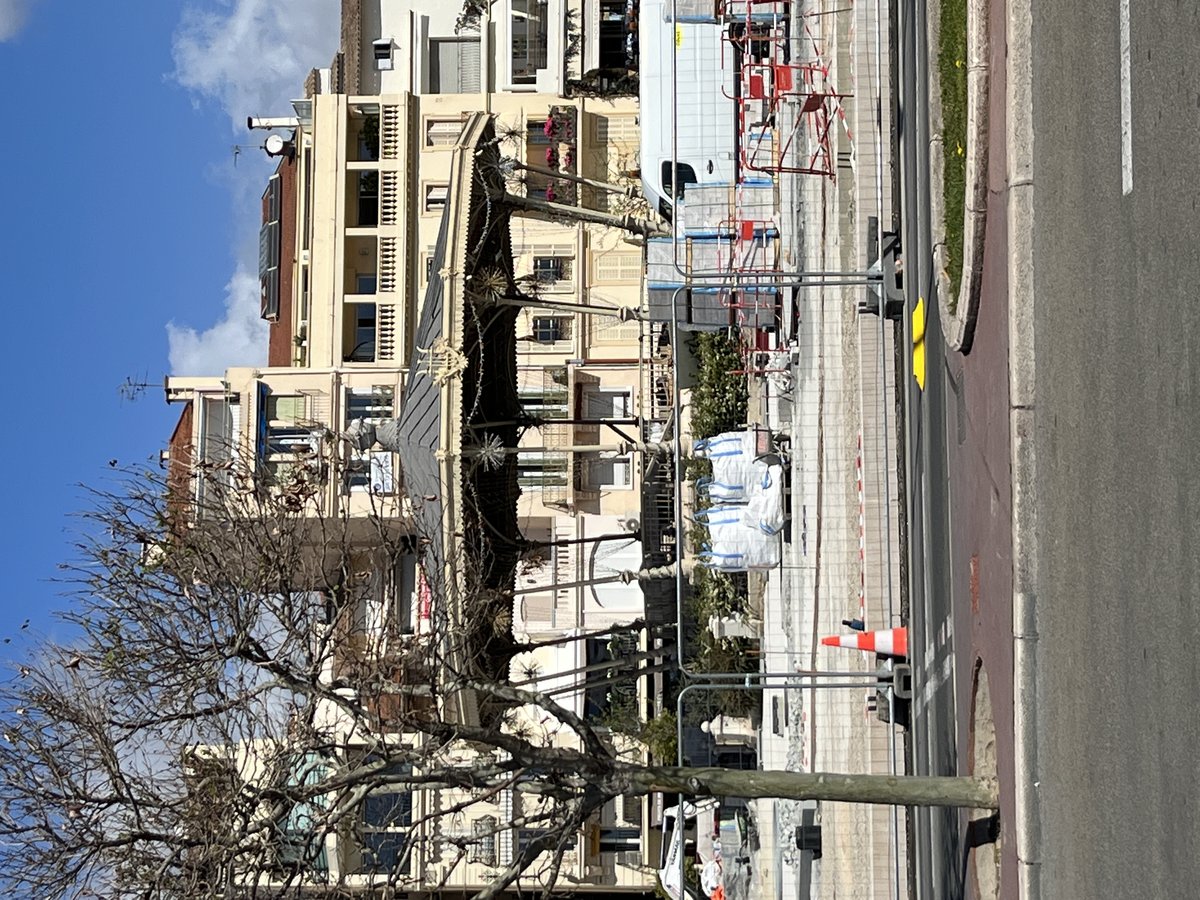
Recognizing the need for revitalization, Cannes launched an ambitious renovation program, with completion targeted for 2026 (Cannes.com; Magrey). The project aims to restore the Croisette’s prestige, improve accessibility, and enhance environmental sustainability. Planned features include wider pedestrian zones, Art Deco-inspired street furniture, expanded green spaces, and better cycling infrastructure (Cannes Actus).
Visitor Information
Visiting Hours
- Promenade Access Open 24 hours a day, year-round.
- Shops and Restaurants Generally open from 9 AM to 10 PM, though hours vary.
- Cultural Venues Major sites like the Palais des Festivals and La Malmaison Art Centre have specific opening hours (typically 9 AM to 7 PM for the Palais and 10 AM to 6 PM for La Malmaison, closed Mondays) (Lonely Planet).
Ticketing and Reservations
- Promenade Free access.
- Private Beaches Entry fees range from €20 to €70/day; advance reservations recommended in peak season (Provence Lovers).
- Cultural Sites & Tours Some sites and special exhibitions require tickets. Purchase online or at the venue (Iconic Riviera).
- Events Tickets required for festivals, concerts, and some public events; check official event websites for details.
Accessibility
- Wheelchair and Stroller Friendly The promenade is flat and paved, with ramps and accessible restrooms at key locations (Provence Lovers).
- Assistance Services Available at major hotels and tourist offices.
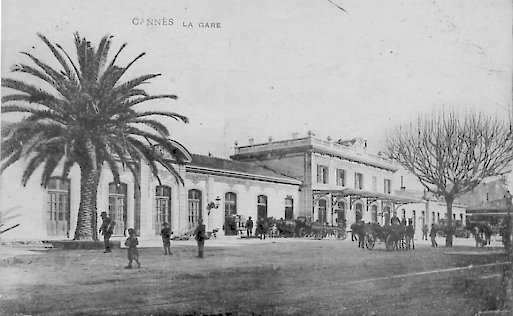
- Transportation The train station is a 10-minute walk; city buses and taxis serve the area; underground parking is available nearby, but fills quickly during events (Gleason Family Travels).
Travel Tips
- Best Times to Visit Spring (April–June) and fall (September–October) offer pleasant weather and fewer crowds. May is lively but busiest due to the Film Festival (Live the World).
- Dress Code Smart-casual attire is expected in luxury venues; swimwear is for the beach only (Iconic Riviera).
- Safety Cannes is safe, with enhanced security during major events. Standard precautions apply.
Things to See and Do
Beaches: Public and Private
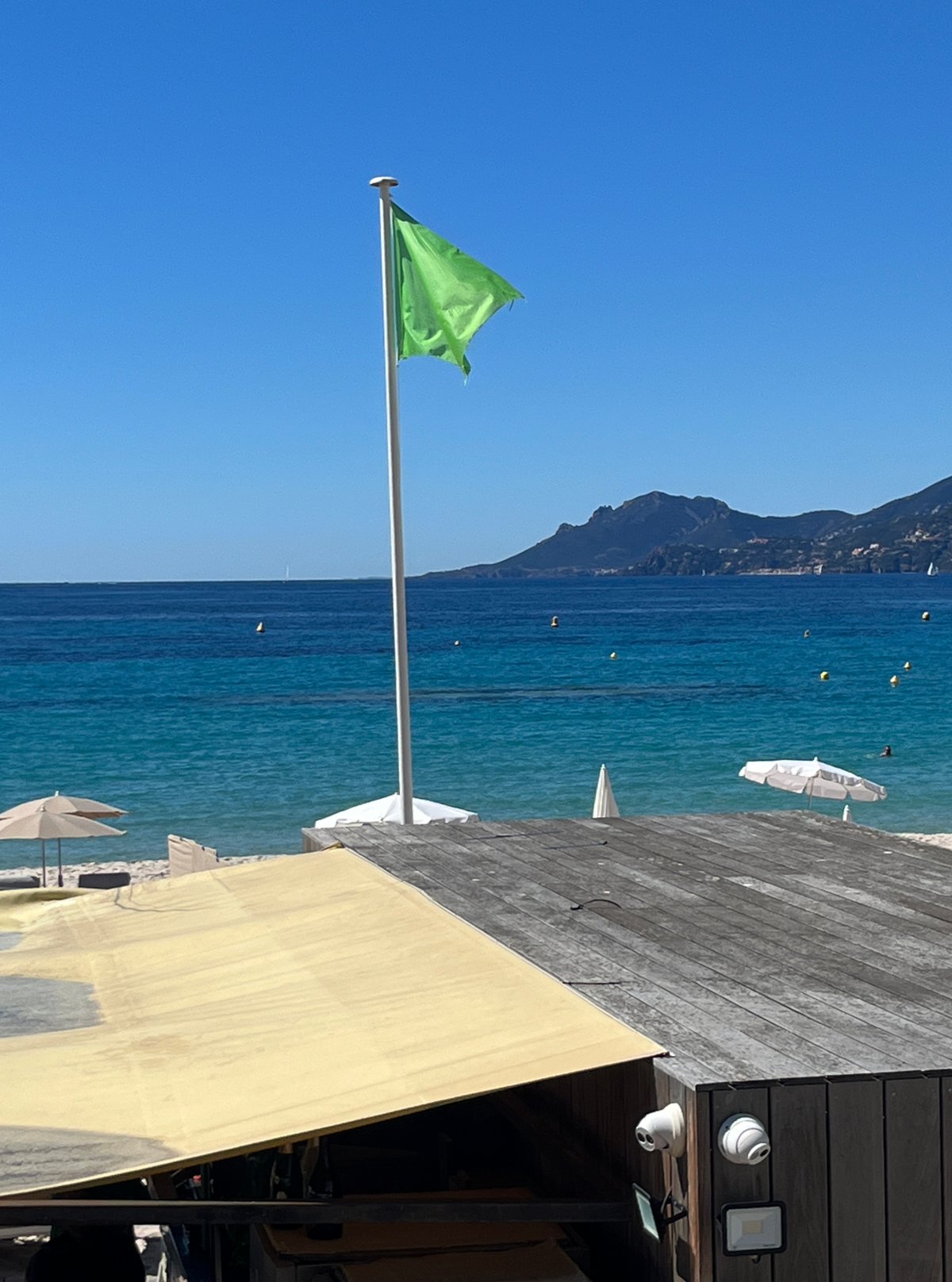
- Public Beaches Plage Macé and Plage du Casino offer free access but can be crowded in summer (PlanetWare).
- Private Beaches Luxurious amenities, sun loungers, and gourmet dining are available for a fee at hotels like Carlton, Martinez, and Majestic (Provence Lovers).
Iconic Hotels and Shopping
- Historic Hotels The InterContinental Carlton, Hôtel Martinez, and Hôtel Barrière Le Majestic are landmarks of Riviera luxury (PlanetWare).
- Boutiques Chanel, Dior, Louis Vuitton, and other designer shops line the promenade (Immosol). Rue d’Antibes, one street inland, offers hundreds of boutiques and local shops.
Dining
- Fine Dining Michelin-starred restaurants like La Palme d’Or and beachside clubs serve gourmet cuisine (Tourguide France).
- Cafés and Bars Perfect for people-watching and sampling French pastries.
Cultural and Artistic Attractions
- Palais des Festivals et des Congrès Open year-round for visitors; the red-carpeted steps are a must-see (Iconic Riviera).
- La Malmaison Art Centre Hosts modern and contemporary art exhibitions, open Tuesday–Sunday, 10 AM–6 PM (Paris Match).
- Public Art Movie-themed murals and temporary installations celebrate Cannes’ cinematic heritage.
Guided Tours and Photo Spots
- Tours Walking tours focus on Cannes’ history, architecture, and the Croisette’s role in the film festival.
- Photo Spots The Palais steps, Carlton façade, and panoramic sea views are perfect for memorable photos, especially at sunset (CN Traveller).
Events and Festivals
- Cannes Film Festival (May) The world’s most prestigious film event.
- Les Plages Électroniques Summer music festival on the beaches (Provence Lovers).
- Fireworks Festival July/August displays, best viewed from the Croisette (PlanetWare).
Nearby Attractions
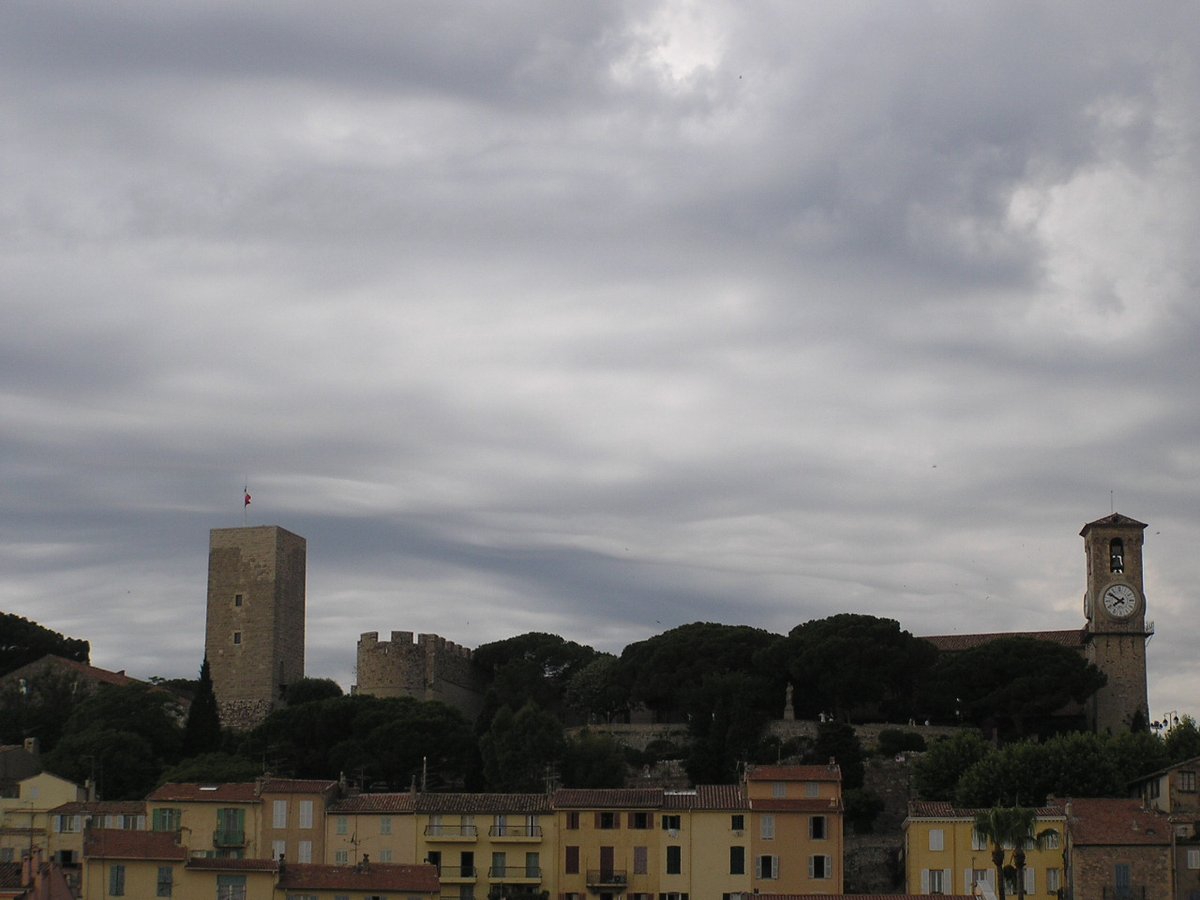
- Le Suquet (Old Town) Medieval streets and panoramic city views (Iconic Riviera).
- Vieux Port & Port Canto Marinas for luxury yachts, lively especially during festivals.
- Marché Forville Covered market with local produce and Provençal treats (Tourist Secrets).
Frequently Asked Questions (FAQ)
Q: What are the Promenade de la Croisette opening hours?
A: The promenade is open 24/7 as a public walkway.
Q: Do I need tickets to walk the Croisette?
A: No, the promenade itself is free. Tickets are required for private beaches, some events, and cultural sites.
Q: Is the Croisette accessible for wheelchairs and strollers?
A: Yes, with ramps, smooth paths, and accessible restrooms throughout.
Q: When is the best time to visit?
A: Spring and fall for mild weather and fewer crowds. May is bustling due to the Film Festival.
Q: Are dogs allowed on the Croisette?
A: Dogs on leashes are permitted on the promenade, but restrictions may apply on certain beaches.
Q: How do I get to La Croisette from the train station or cruise port?
A: Both are a short walk from the Croisette; local buses and taxis are also available (Gleason Family Travels).