
Early Origins and Foundation
Saint Honorat, seeking solitude and spiritual renewal, arrived on the island around 410 AD. Joined by fellow monks, he founded a monastic community that would play a pivotal role in the spread of Christianity and scholarly life throughout Western Europe (Chalet Eau Vive). The abbey soon became a spiritual beacon, attracting pilgrims, saints, and bishops—including, according to tradition, Saint Patrick of Ireland.
Medieval Growth and Architectural Heritage
Romanesque and Medieval Flourishing
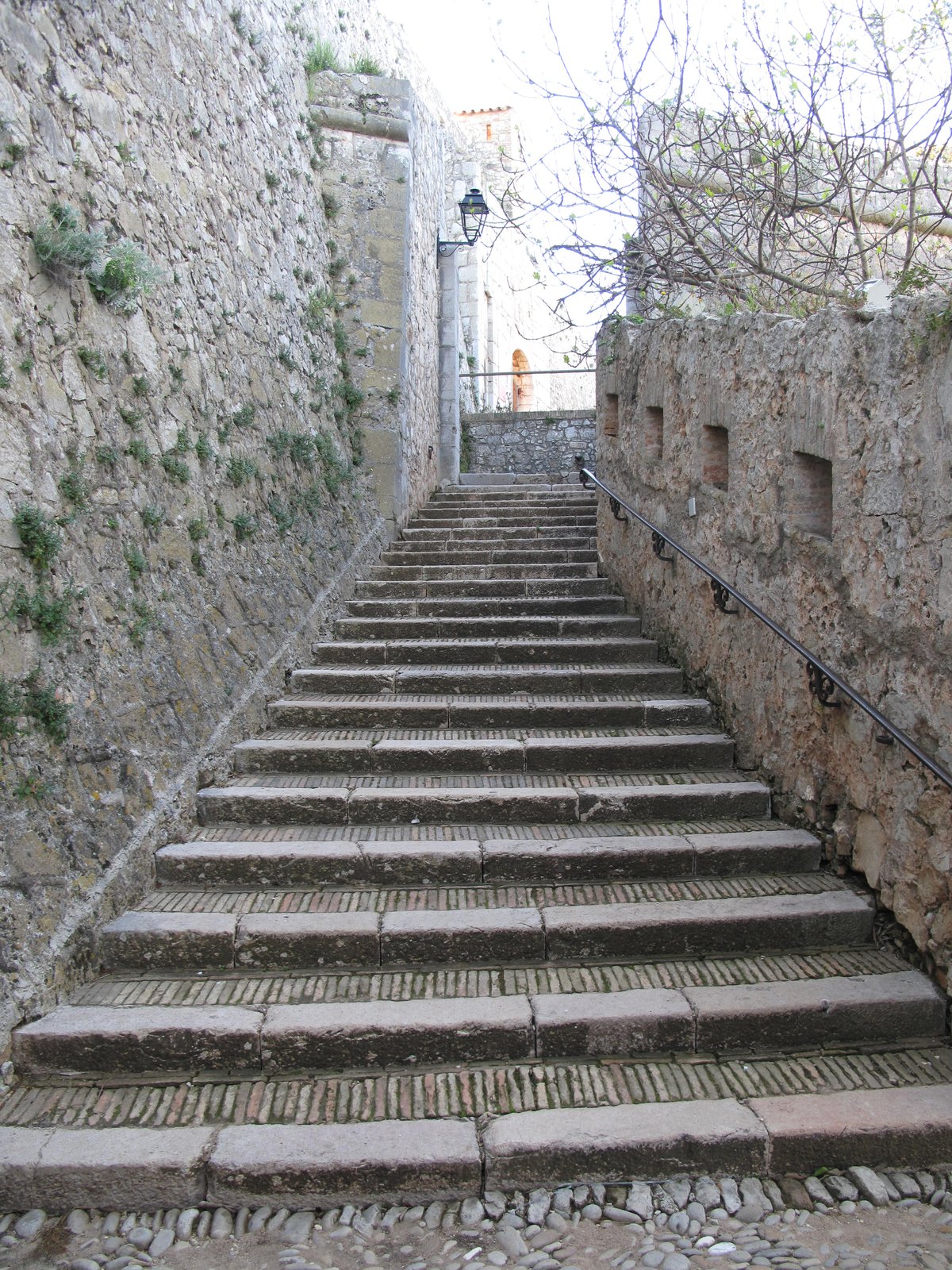
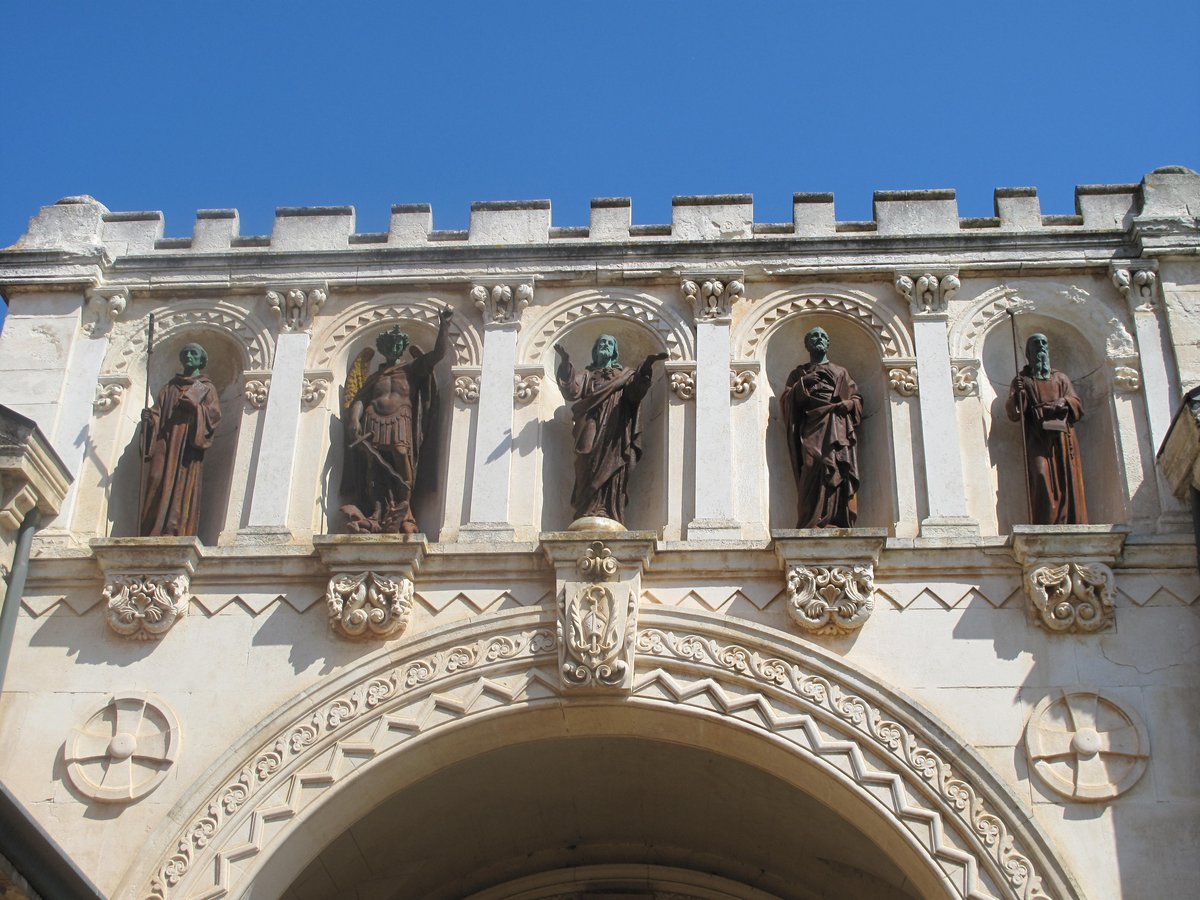
From the 6th century onward, the abbey flourished as a center of learning and prayer. Its scriptorium preserved religious texts and its influence extended across the Mediterranean. Repeated raids by Saracen pirates and later by Spanish forces led to the construction of robust defensive structures. The most iconic is the fortified monastery (Tour-Monastère), built between the 11th and 15th centuries—a unique blend of military and religious architecture (Abbaye de Lérins, Fondation du Patrimoine).
Chapels and Cloisters
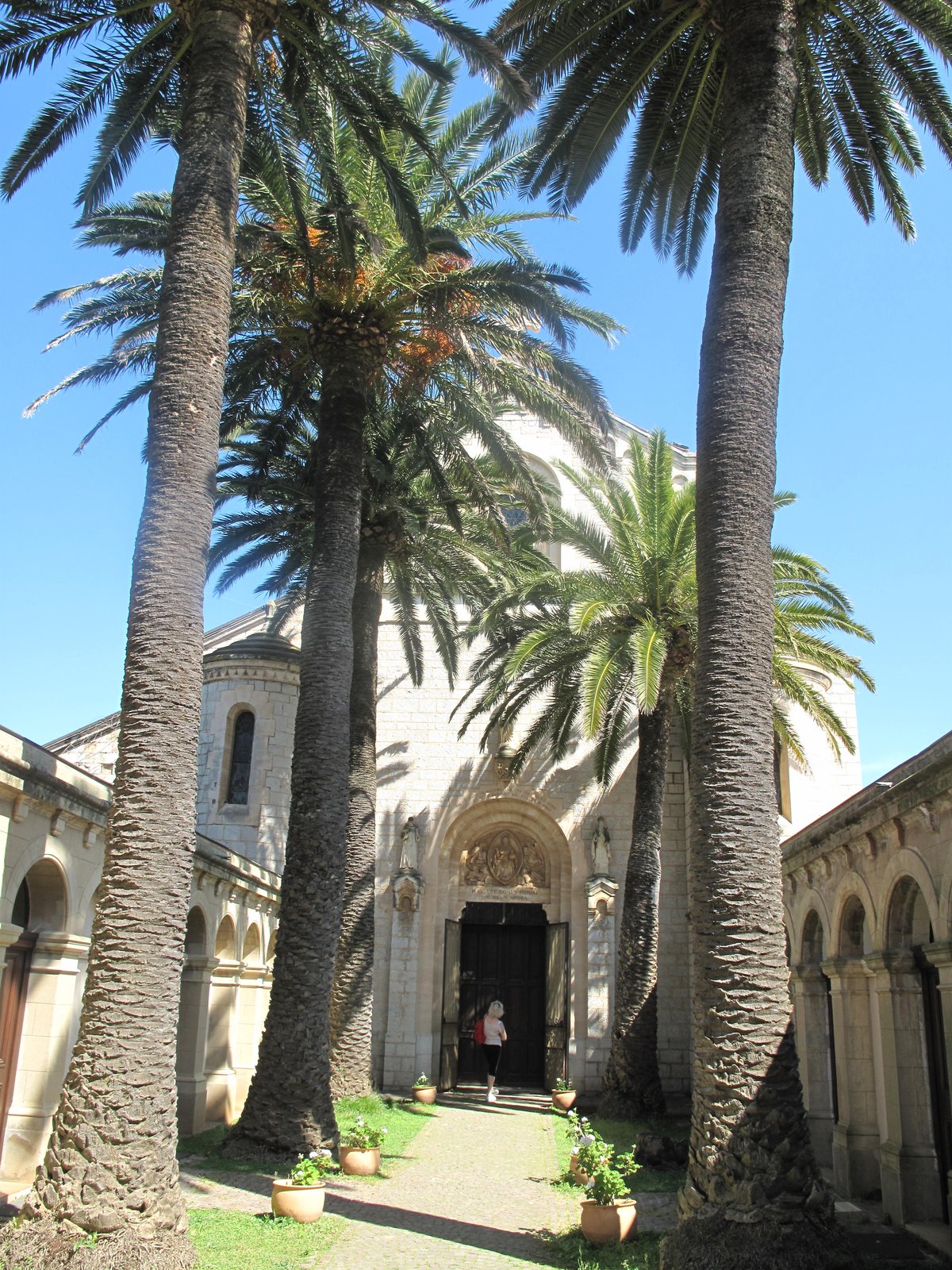
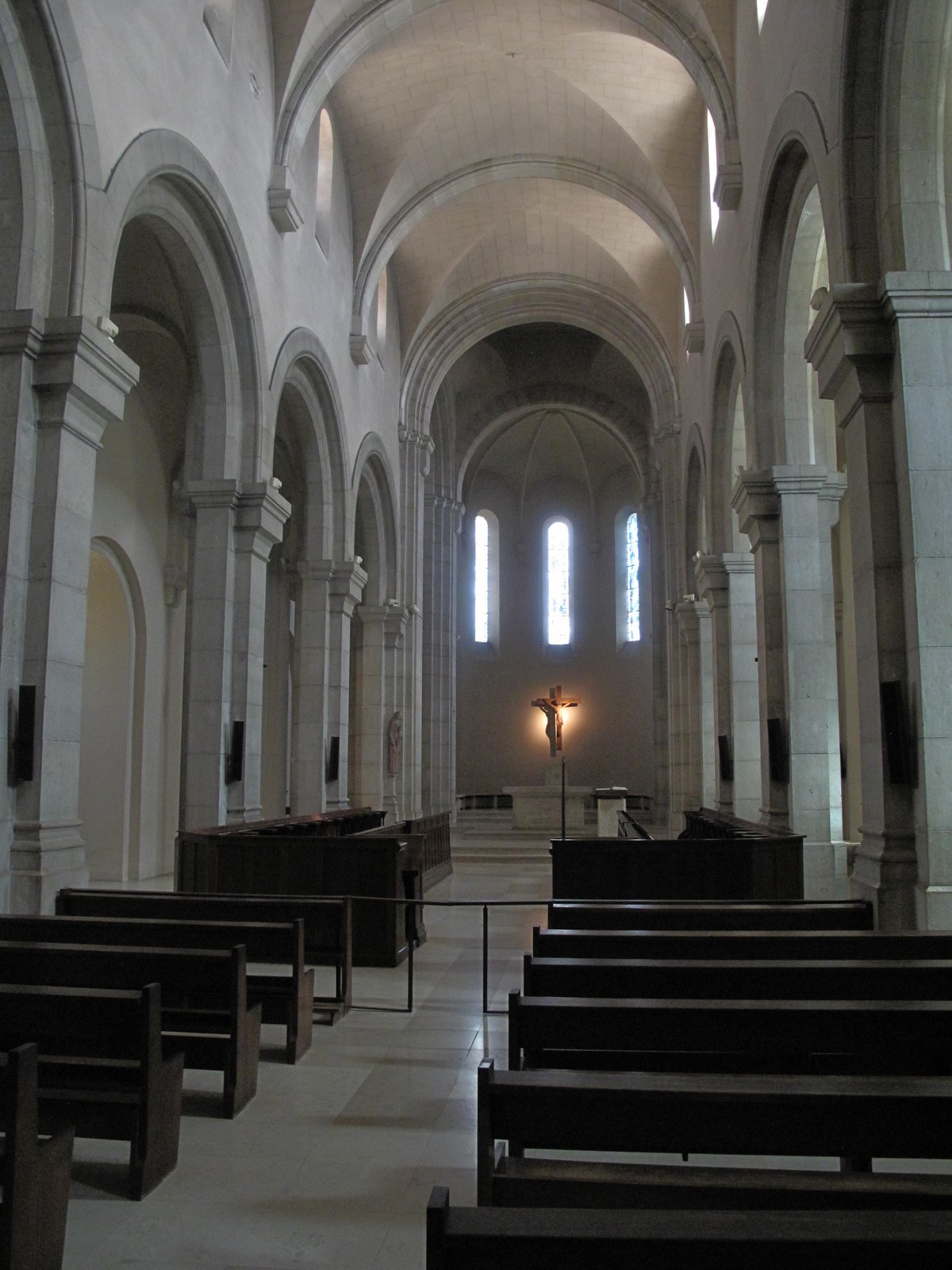
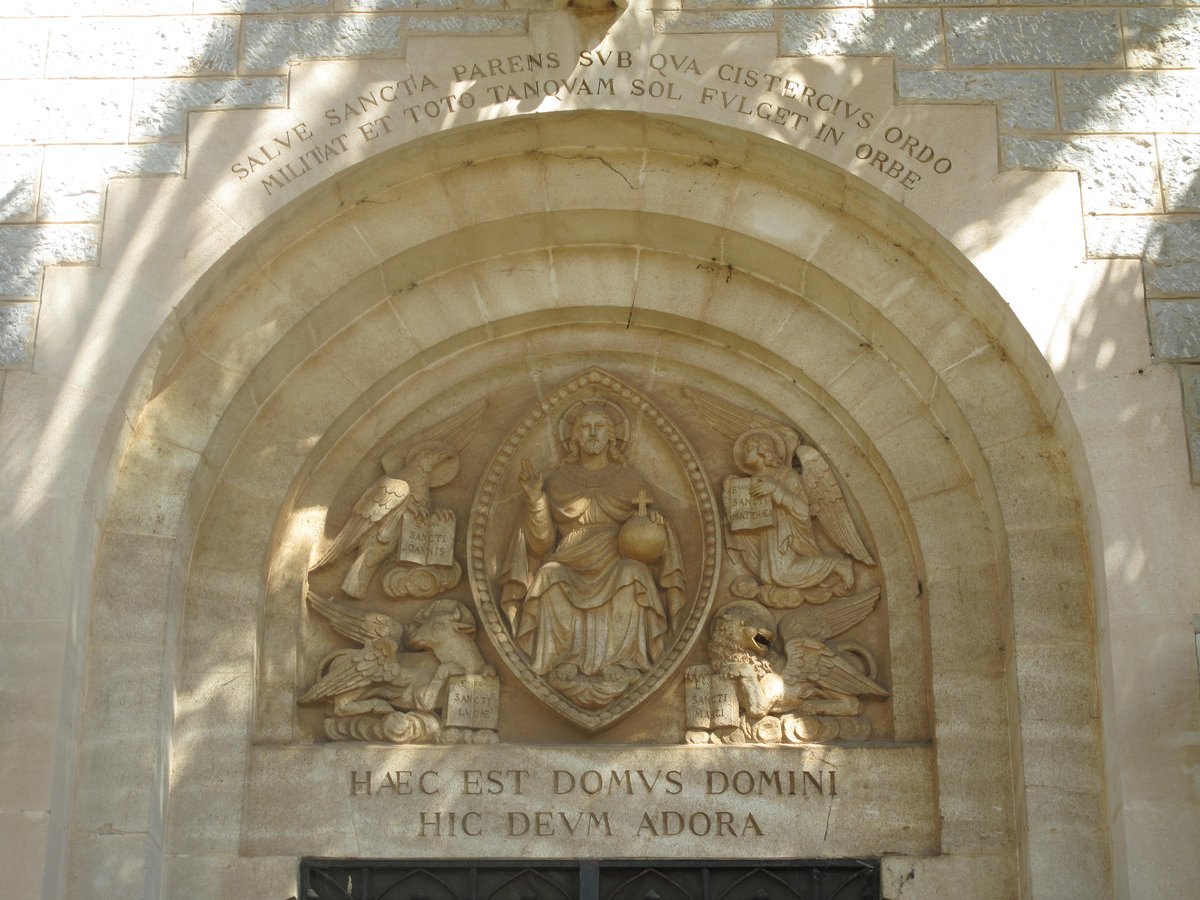
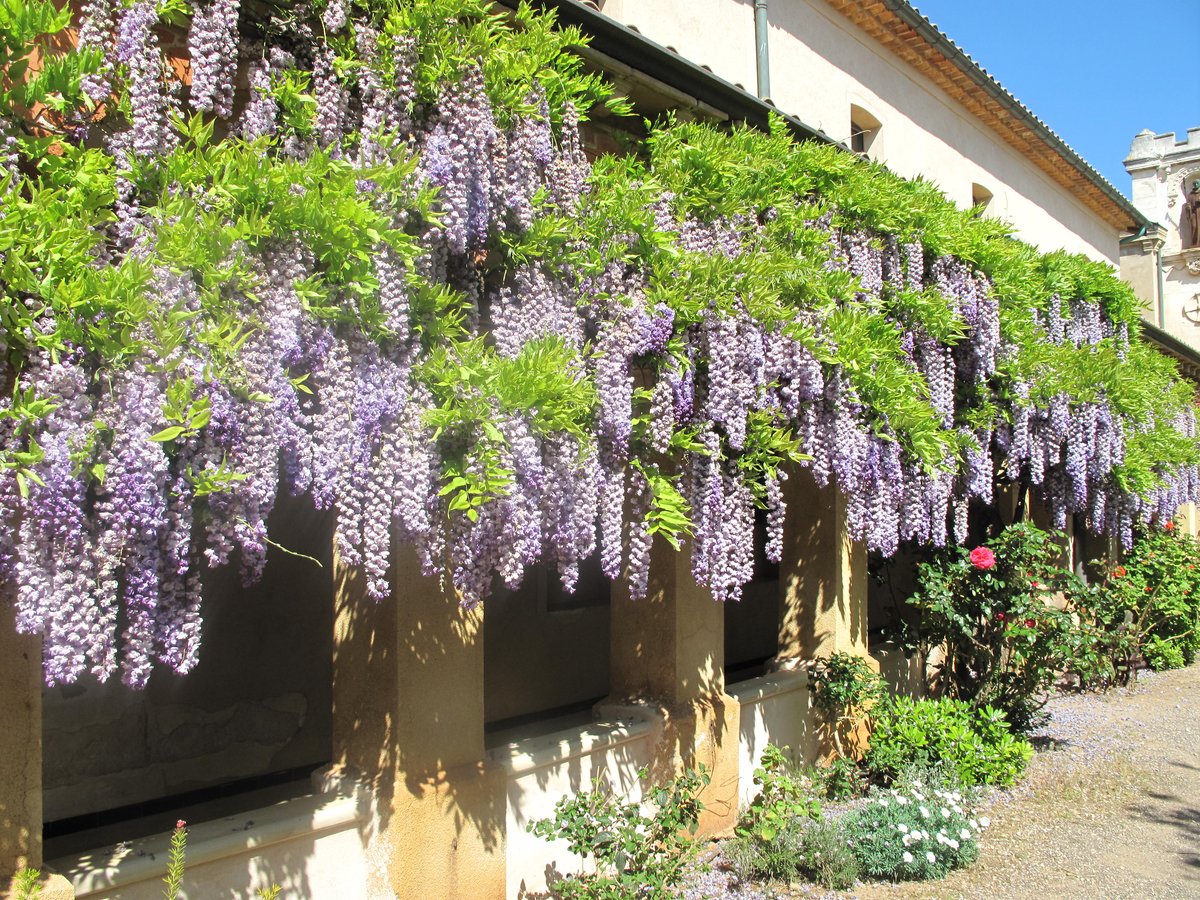
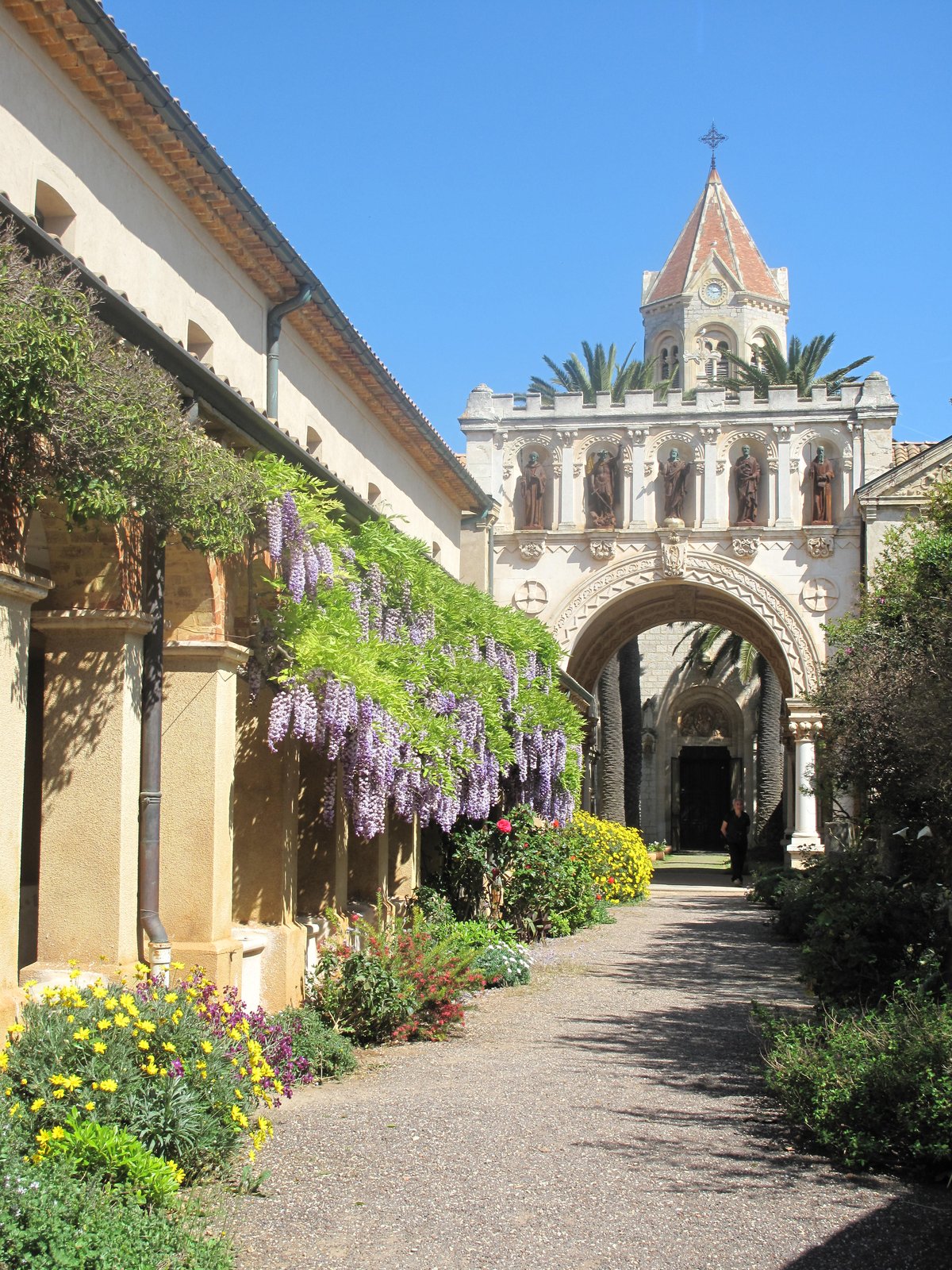
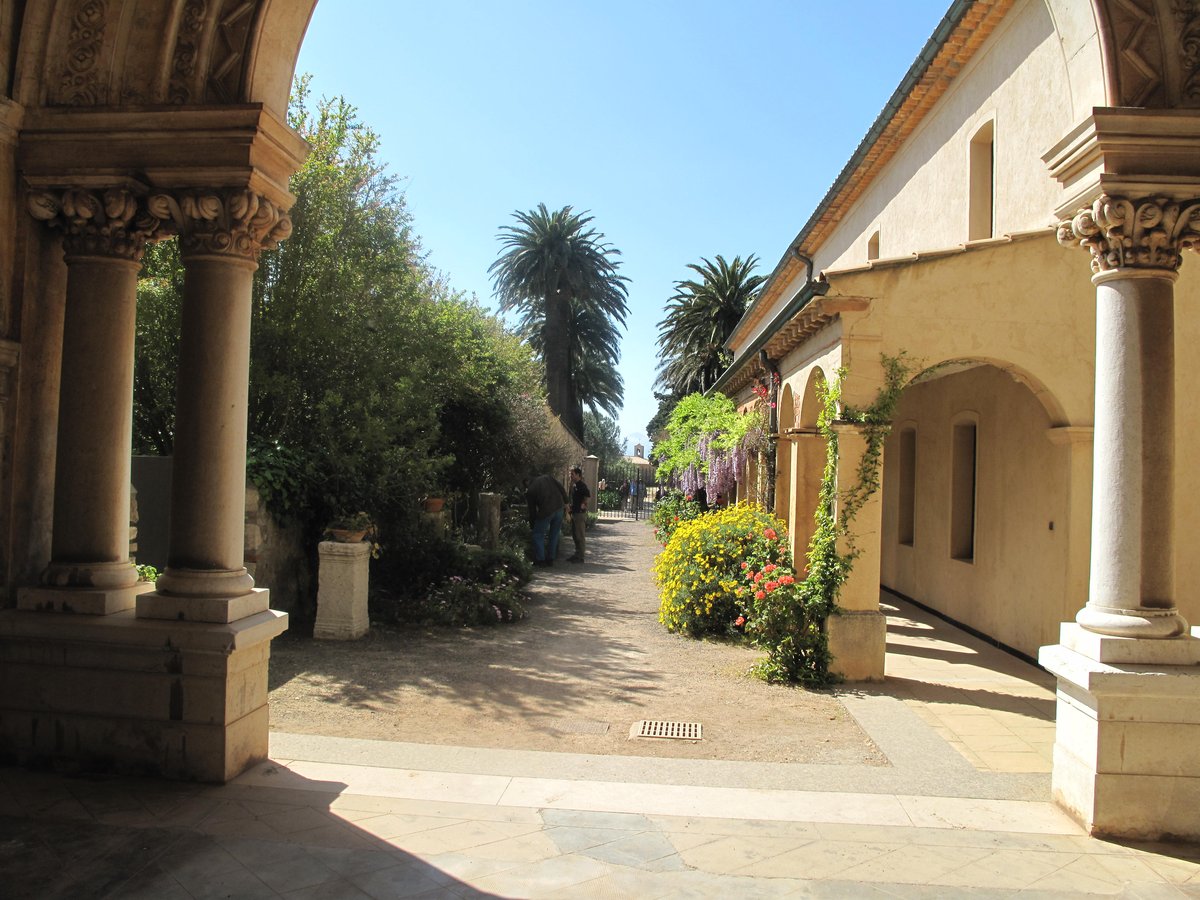
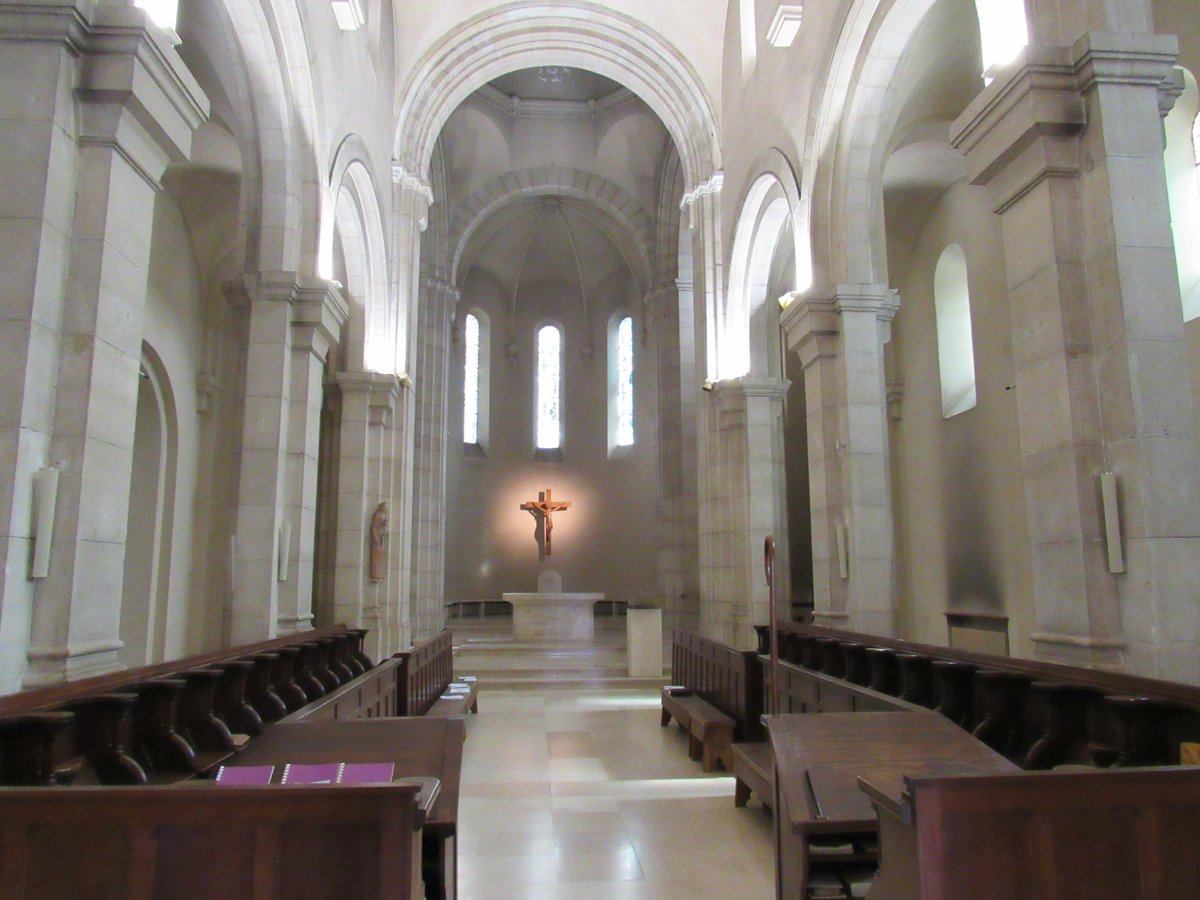
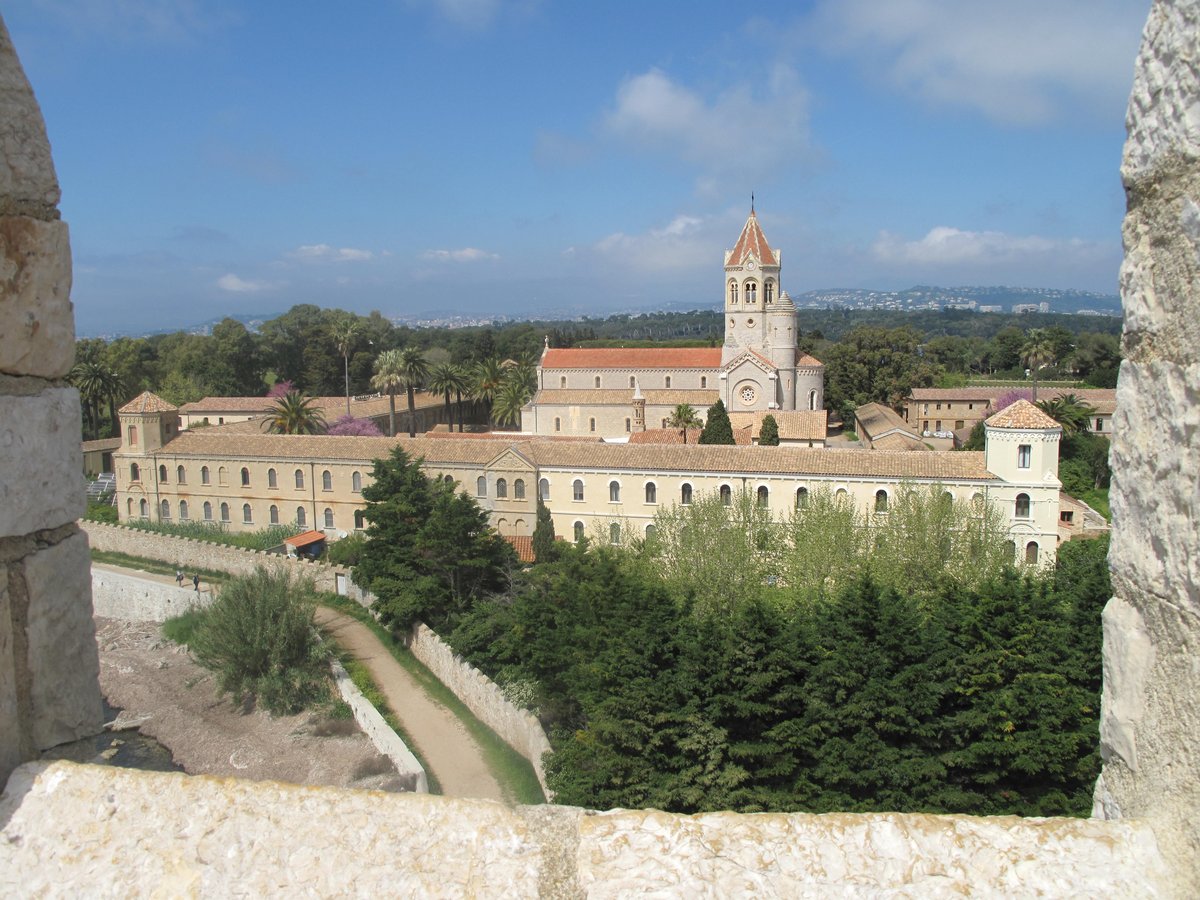
Seven chapels, dating from the early Christian era to the 18th century, dot the island, each reflecting a different style and period. The 19th-century abbey church, rebuilt by the Cistercians in 1869, incorporates neo-Romanesque elements and is linked to a medieval cloister that remains a tranquil space for reflection (Avignon et Provence).
Strategic and Religious Significance
Due to its position in the Mediterranean, Île Saint-Honorat became a strategic outpost. In the 17th century, the Spanish occupied the island, prompting further fortification. Military relics, including two Napoleonic-era ball ovens used for heating cannonballs, remain visible reminders of the island’s defensive role (Cannes City Life).
Despite its strategic importance, the abbey’s religious mission continued, providing spiritual guidance and hospitality to pilgrims and guests throughout its history.
Modern Preservation and Monastic Life
Decline and Revival
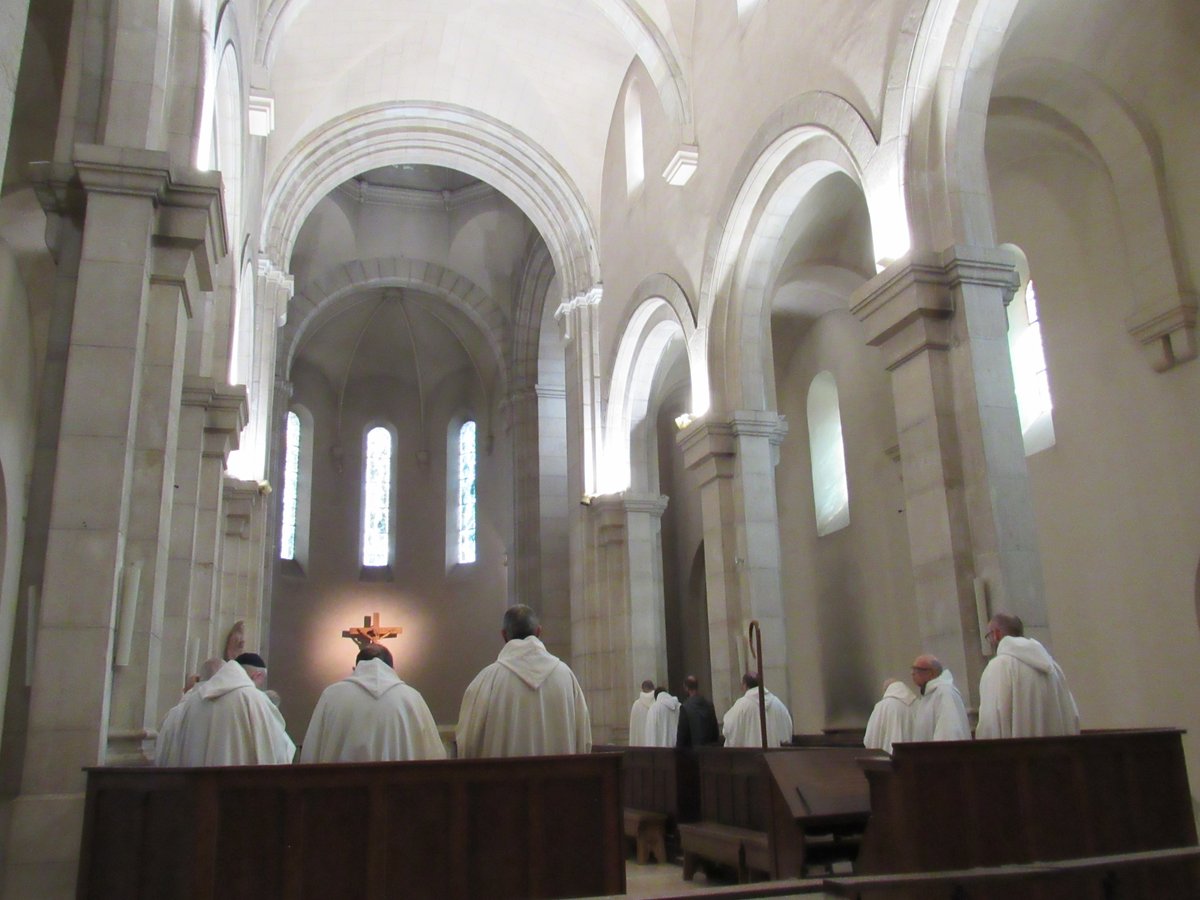
The French Revolution led to secularization and the sale of the island, resulting in the temporary end of monastic life. In 1869, the Cistercian order restored the abbey, resuming centuries-old traditions of prayer, work, and hospitality. Today, around twenty monks maintain the abbey, welcoming visitors for retreats and spiritual renewal (Chalet Eau Vive).
Heritage Conservation
Classified as a Monument Historique in 1840, the abbey has benefited from ongoing restoration projects, most recently a multi-million-euro campaign to preserve and enhance its accessibility (Fondation du Patrimoine).
Monastic Craft and Sustainability
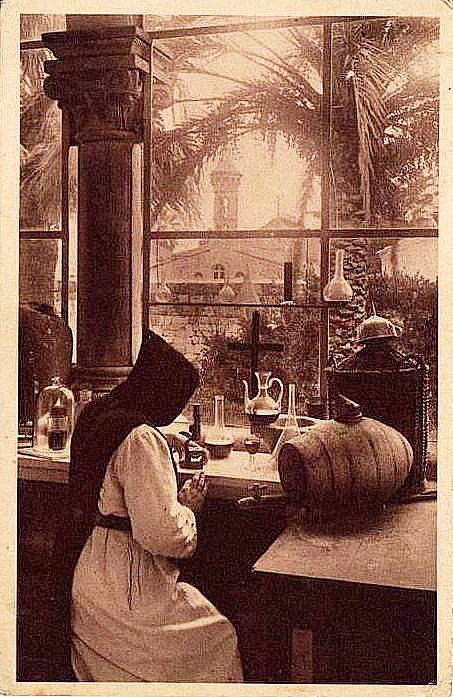
The monks cultivate 8.5 hectares of vineyards, producing renowned wines and liqueurs. Their olive oil, honey, and artisanal products are available for purchase, supporting the abbey’s upkeep while connecting visitors to centuries-old monastic craftsmanship (Explore the Riviera).
Visiting Information
Hours and Tickets
- Visiting Hours Generally open daily, 10:00 AM–5:00 PM (with seasonal variations). Some areas may close during religious ceremonies or monastic retreats (Abbaye de Lérins).
- Tickets Ferry tickets from Cannes are required to access the island. Prices range from €14 to €22 for adults, with reductions for children, students, and seniors (Cannes Iles de Lérins - Billetterie). Entrance to the abbey is generally free; fees may apply for guided tours or events.
Getting There
- Ferry Departure Ferries leave from the Quai Laubeuf (Old Port of Cannes), operated by Planaria. The journey takes 15–20 minutes; frequency increases in peak season (Cannes Actus).
- Booking Advance reservations are recommended in summer.
Accessibility
- The island is car-free and ideal for walking. Main paths are well-maintained but may be uneven; comfortable shoes are advisable.
- Wheelchair access is available in key areas, but some historic structures may be challenging for those with reduced mobility (Fondation du Patrimoine).
Facilities and Dining
- Dining The main restaurant, La Tonnelle, serves Mediterranean cuisine; reservations are advised in high season. Designated picnic areas are available.
- Shops Purchase monastic wines, liqueurs, olive oil, and honey at the abbey’s boutique (The Good Life France).
- Restrooms Public restrooms are available near the dock and abbey.
- Waste Visitors must take their trash back to the mainland to help preserve the island’s ecosystem.
- Water Drinking fountains are limited; bring water, especially in summer.
Events and Activities
- Guided Tours Available seasonally; inquire at the abbey or via official websites.
- Religious Services Mass is open to visitors; check schedules in advance (Cannes Iles de Lérins - Visiter).
- Cultural Events The abbey hosts festivals, concerts, and retreats throughout the year (Avignon et Provence).
FAQ
Q: How do I reach Saint-Honorat Island?
A: Take a ferry from Cannes’ Old Port (Quai Laubeuf); the crossing takes 15–20 minutes.
Q: Do I need to buy tickets in advance?
A: During peak season, yes. Tickets can be purchased online or at the ferry terminal.
Q: Are there entrance fees for the abbey?
A: Access to the abbey is free; ferry tickets are required. Guided tours and events may have additional fees.
Q: Is the abbey accessible to people with reduced mobility?
A: Key areas are accessible, but some historic sites have uneven terrain.
Q: Can I bring food or have a picnic?
A: Yes, picnics are welcome in designated areas. Please bring all waste back with you.
Q: Are pets allowed?
A: Dogs are permitted but must be leashed at all times (Cannes Iles de Lérins - Billetterie).
Q: Can I stay overnight?
A: Overnight stays are possible only in the abbey’s guesthouse, reserved for spiritual retreats (Explore Nice Côte d’Azur).
Q: Is photography allowed?
A: Yes, outdoors and in cloisters, but not during religious services or inside chapels.