Historical Background and Context
The Legacy of Yuri Gagarin
Yuri Alekseyevich Gagarin (1934–1968) became the first human in space on April 12, 1961, aboard Vostok 1, marking a defining milestone in human history and the Space Race (Wikipedia: Yuri Gagarin). His achievement was celebrated as a triumph of science and optimism, turning him into a global icon and a symbol of peaceful progress.
In the context of Cold War-era Czechoslovakia, Gagarin’s flight resonated deeply. Monuments like the one in Karlovy Vary were erected throughout the Eastern Bloc, symbolizing technological progress and the unity of socialist nations (Karlovy Vary Monuments).
Soviet-Czech Relations and Monument Placement
Karlovy Vary’s historical connection to Russian visitors stretches back to the 19th century. The town’s Russian Orthodox Church and longstanding Russian community set the stage for the monument’s installation in 1975 at the Vrídelní Kolonáda (Hot Spring Colonnade), then a focal point of Soviet-Czech friendship (Hidden Europe). In the early 1990s, the monument was moved to either the Westend district or the airport entrance to remain a welcoming symbol for international visitors, especially those arriving from Russia (Karlovy Vary Tourism).
Monument Description and Artistic Features
Physical Characteristics and Design
- Material Bronze with a silvery sheen, standing atop a white prismatic pedestal.
- Height Approximately 3.2 meters.
- Depiction Gagarin is shown in his cosmonaut suit, helmet under his left arm, right hand raised in a gesture of greeting and peace.
- Inscription In Russian, commemorating Gagarin’s historic 1961 spaceflight:
“On April 12, 1961, the Soviet space ship Vostok with a man on board flew around the globe. The first person to penetrate into space is a citizen of the Union of Soviet Socialist Republics, Yuri Gagarin.” - Setting Landscaped area with benches and shaded spots, ideal for reflection and photography.
The monument’s design, by Antonín Kuchař and Gisela Zubrová-Kuchařová, exemplifies socialist realism—heroic, optimistic, and accessible (Tourismato.cz).
Visitor Information: Hours, Tickets, and Accessibility
Visiting Hours
- Open-air, public site Accessible 24/7, year-round.
- Recommended visiting times Daylight hours, especially mornings or late afternoons for best lighting and photos.
Tickets and Entry
- No tickets or entrance fees are required; the monument is free to visit.
Accessibility
- Wheelchair accessible Paved or gently sloping paths lead to the monument. Some cobblestone surfaces are present, especially in the historic Westend district.
- Facilities No dedicated restrooms or shops at the monument, but amenities are available nearby—especially near the Orthodox Church or city center (saltinourhair.com).
Getting to the Monument
- By foot Easily reached from Karlovy Vary’s city center (10–20 minute walk).
- By public transport Buses connect the main bus terminal and city center to the Westend district or airport area (dailytravelpill.com).
- By car Parking is available near the airport and at the edges of the Westend district.
- By taxi Readily available throughout the city.
Nearby Attractions and Itinerary Suggestions
Combine your monument visit with these recommended stops:
- Orthodox Church of St. Peter and Paul Impressive architecture and a symbol of Karlovy Vary’s Russian heritage.
- Mill Colonnade Iconic spa colonnade with hot springs (saltinourhair.com).
- Stara Louka Picturesque riverside street lined with colorful buildings.
- Moser Glassworks & Museum Learn about the town’s famous crystal.
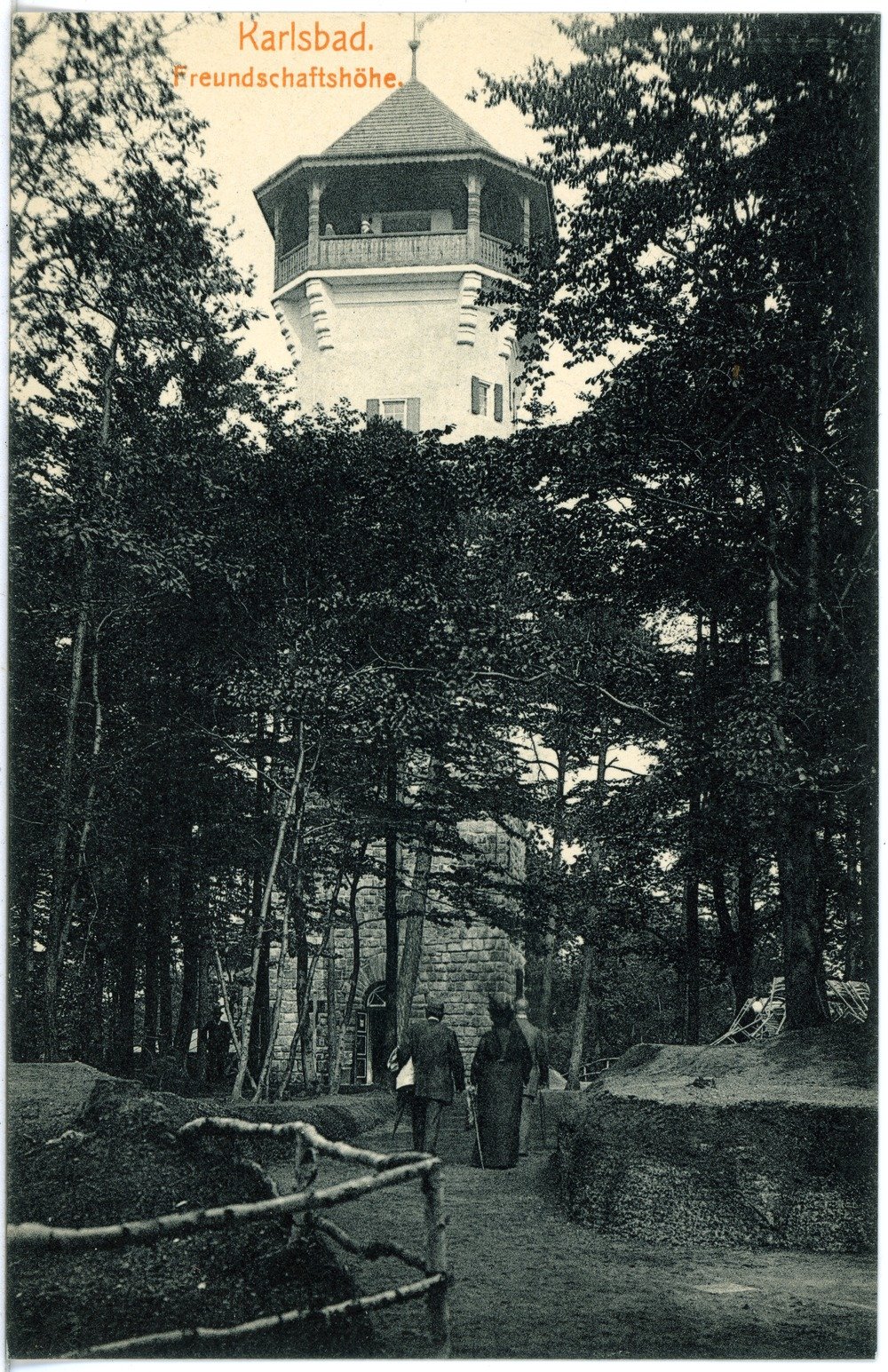
- Diana Observation Tower For panoramic views of Karlovy Vary.
- Spa experiences Relax in the city’s renowned thermal baths (holidify.com).
Suggested walking route: Mill Colonnade → Stara Louka → Orthodox Church → Monument to Yuri Gagarin → Diana Tower or Jeleni Skok Rock (blog.foreigners.cz).
Photographic Tips
- Best time Early morning or late afternoon for optimal light.
- Angles Capture the monument with the lush greenery or cityscape in the background.
- Seasonal effects Spring and early autumn offer vibrant colors and fewer crowds.
Restoration and Preservation
In 2024, the monument underwent expert restoration, led by Moscow’s Department of Cultural Heritage, preserving its structural and artistic integrity for future generations (Wikipedia: Monument to Yuri Gagarin). This recent work ensures the monument remains an attractive and meaningful site for visitors.
Local and International Significance
Local Symbolism
The monument embodies Karlovy Vary’s cosmopolitan character and its historic ties to Russian culture, especially marked by decades of Russian and Soviet visitors (The Crazy Tourist). It represents not only a tribute to Gagarin but also the spa town’s ability to adapt and reinterpret its history.
Gagarin as a Global Icon
Gagarin’s achievement is celebrated worldwide, with monuments in over 23 countries, serving as symbols of human aspiration, scientific progress, and cross-cultural dialogue (Ethnoworld). The Karlovy Vary monument is part of this international constellation of memorials.
The Monument’s Role in International Relations
Originally a tool of Soviet cultural diplomacy, the monument today stands as a bridge—welcoming Russian visitors and inviting international travelers to reflect on the shared history and the universal quest for discovery (Hidden Europe).
Special Events and Commemorations
- April 12 (Cosmonautics Day/International Day of Human Space Flight) Occasional ceremonies or commemorations by Russian and Czech communities.
- Guided tours Local operators often include the monument in themed tours focusing on Karlovy Vary’s Cold War and multicultural history (karlovy-vary.cz).
Frequently Asked Questions (FAQ)
Q: Are tickets required to visit the Monument to Yuri Gagarin?
A: No, it is a public outdoor installation with free access at all times.
Q: Is the monument wheelchair accessible?
A: Yes, although some paths may be uneven, the main approach is paved and suitable for most mobility needs.
Q: When is the best time to visit?
A: Daylight hours in spring or autumn for pleasant weather and optimal photos.
Q: Are guided tours available?
A: Yes, many tours include the monument; booking in advance is advised during peak tourist seasons.
Q: Are there on-site facilities?
A: No restrooms or shops at the monument, but amenities are available within a short walk.
Visitor Etiquette and Cultural Sensitivity
- Respect the monument Do not climb or damage the statue or pedestal.
- Quiet reflection Maintain a respectful atmosphere, especially during commemorative events.
- Cultural awareness Understand the complex history reflected in the monument’s Soviet origins and its evolving meaning in Czech society.