
History and Cultural Significance
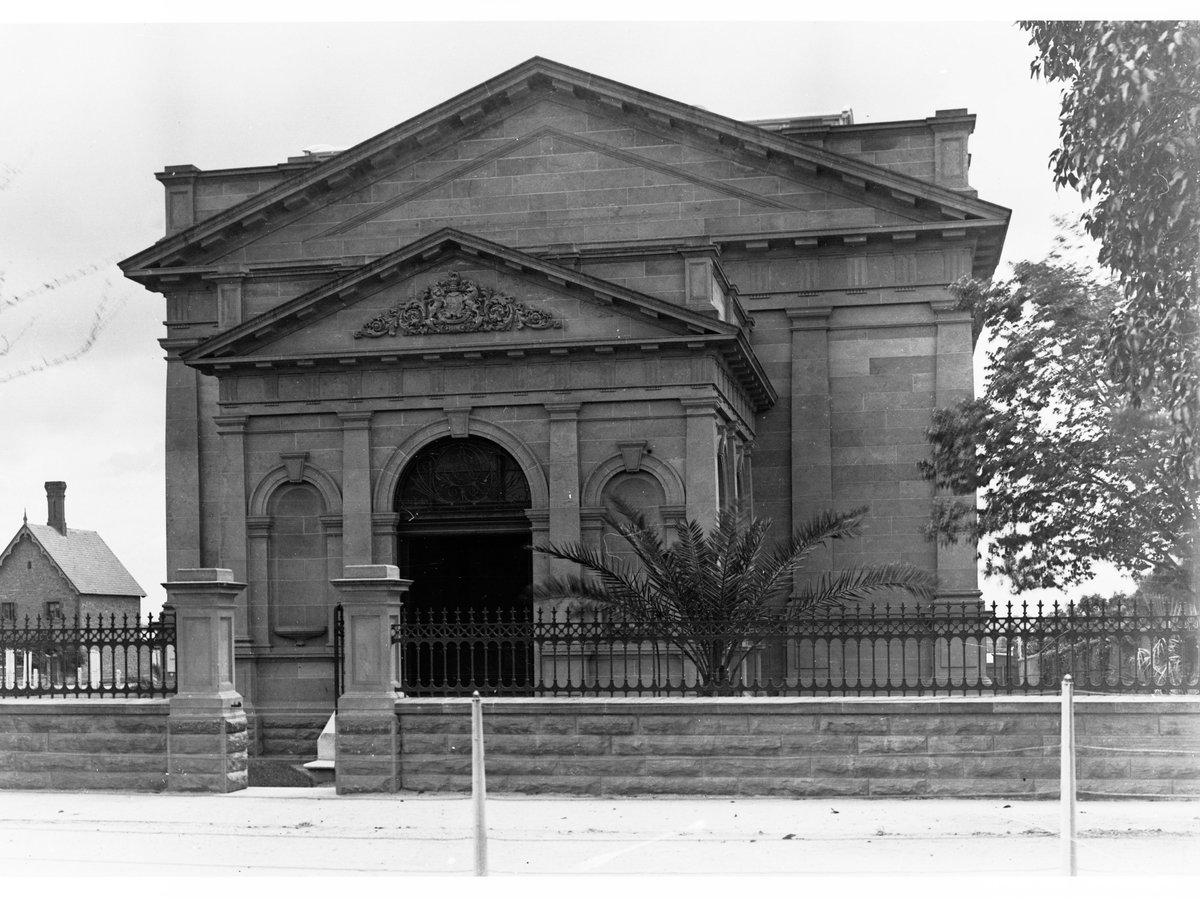
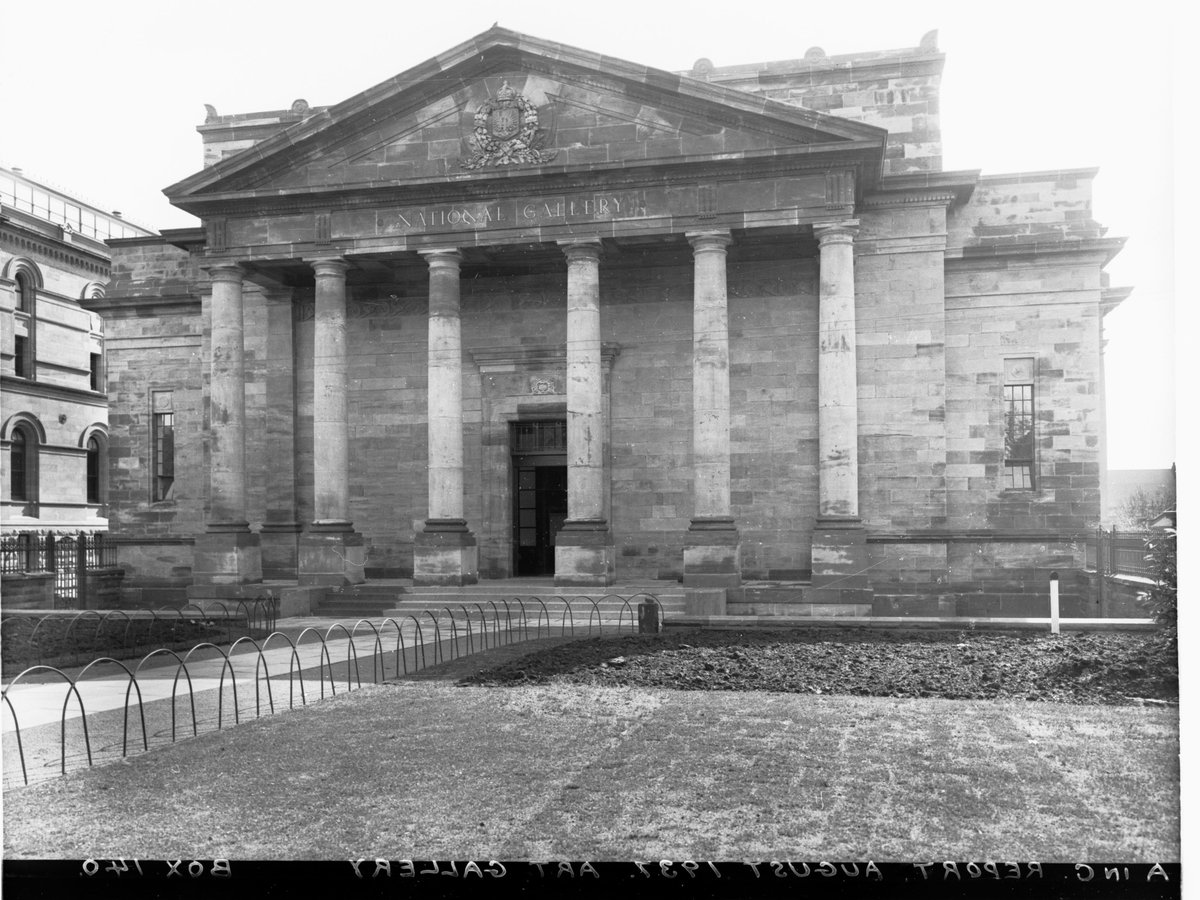
Founded in 1881 and originally housed within the Adelaide Public Library, the Art Gallery of South Australia was established with the vision of enriching public life through the arts. Its early focus on British and European works reflected the cultural leanings of colonial South Australia (visual-arts-cork.com). Royal patronage at its opening signaled the institution’s importance from the outset.
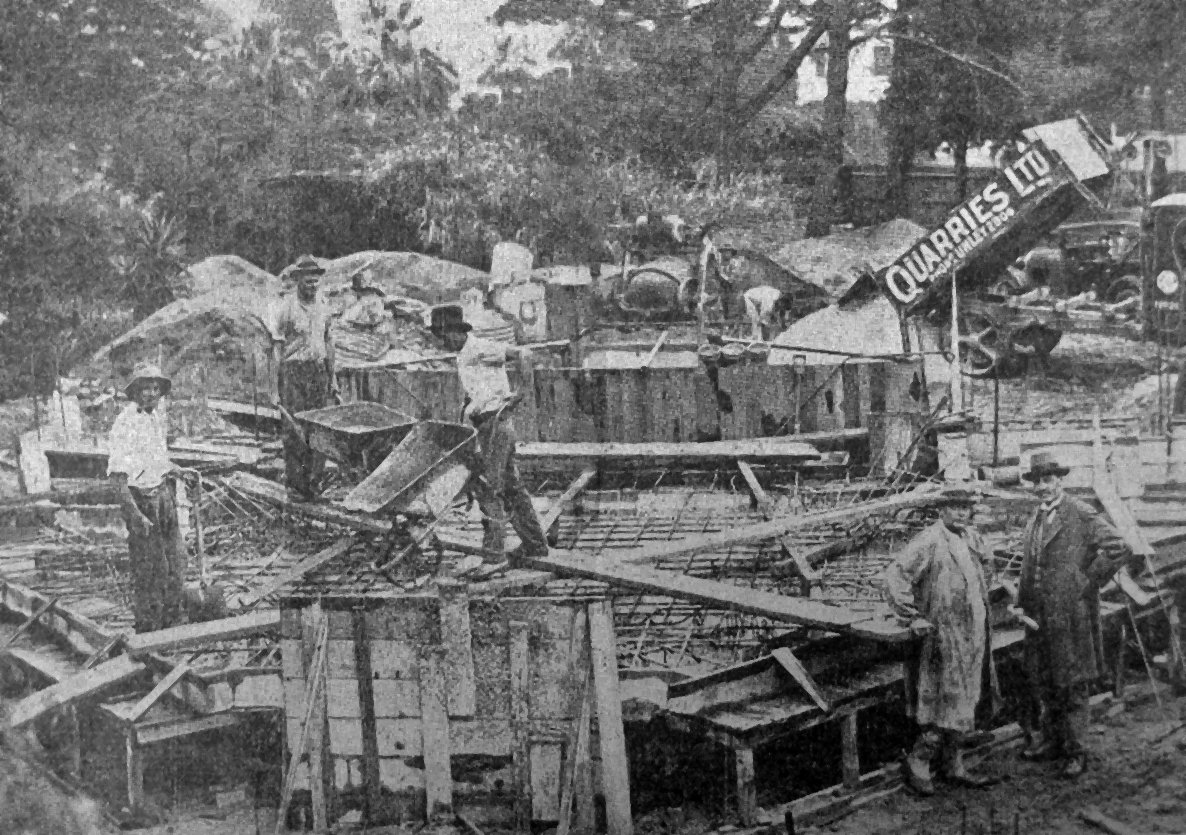
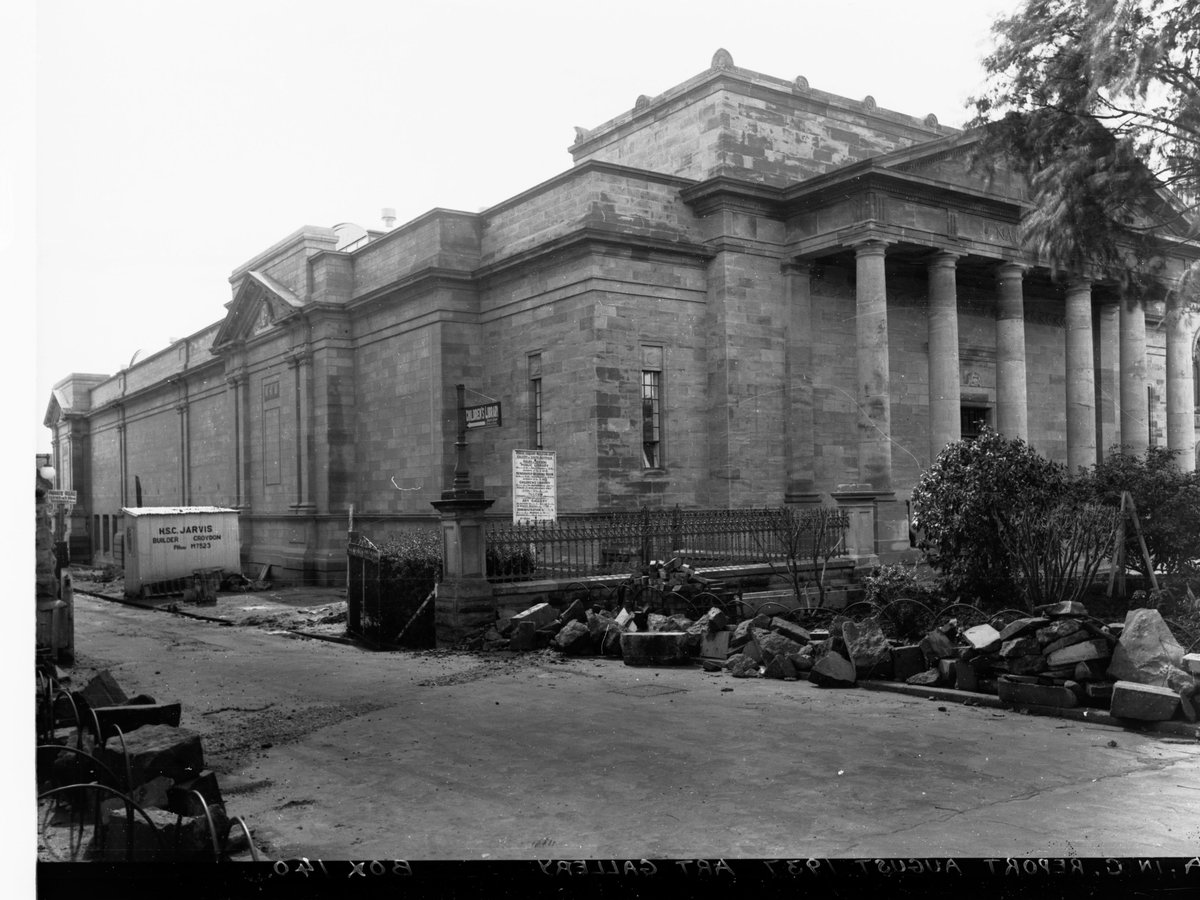
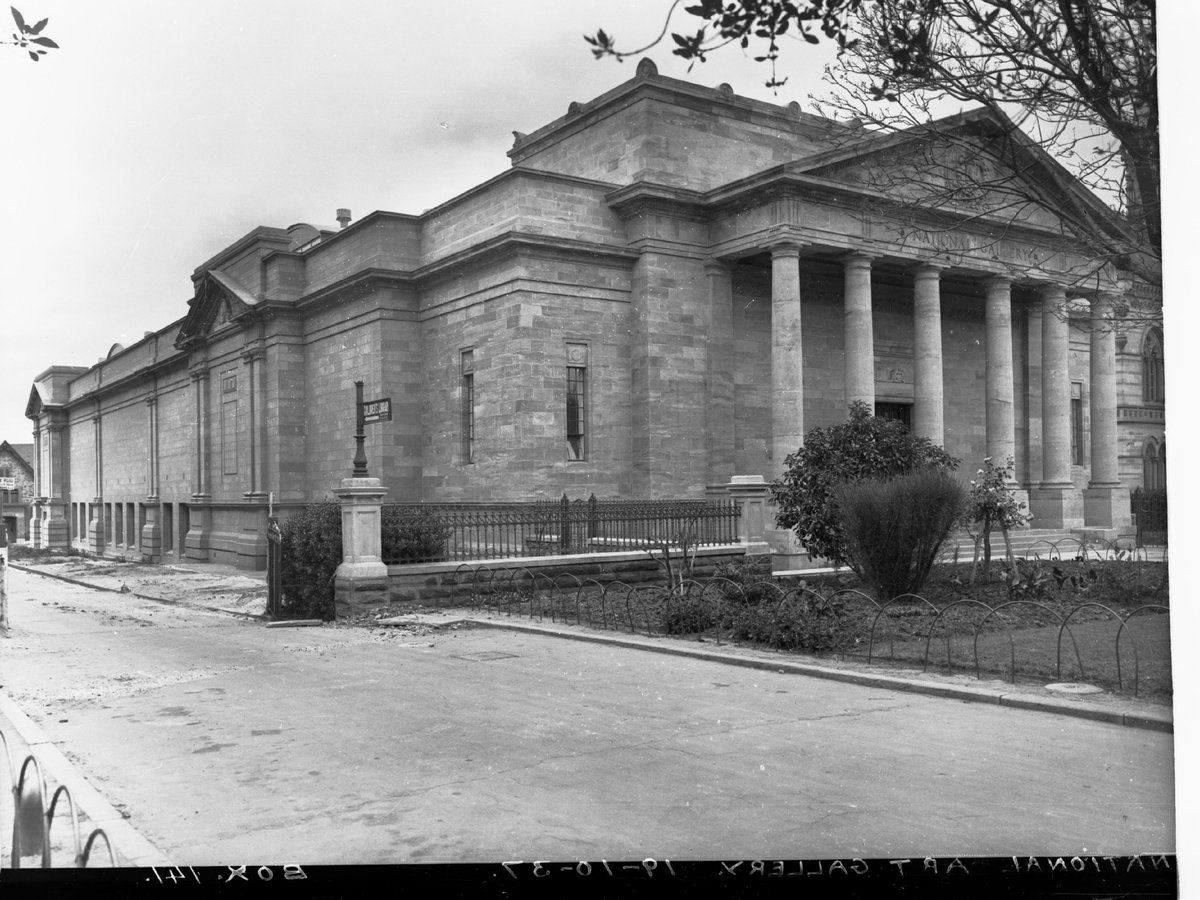
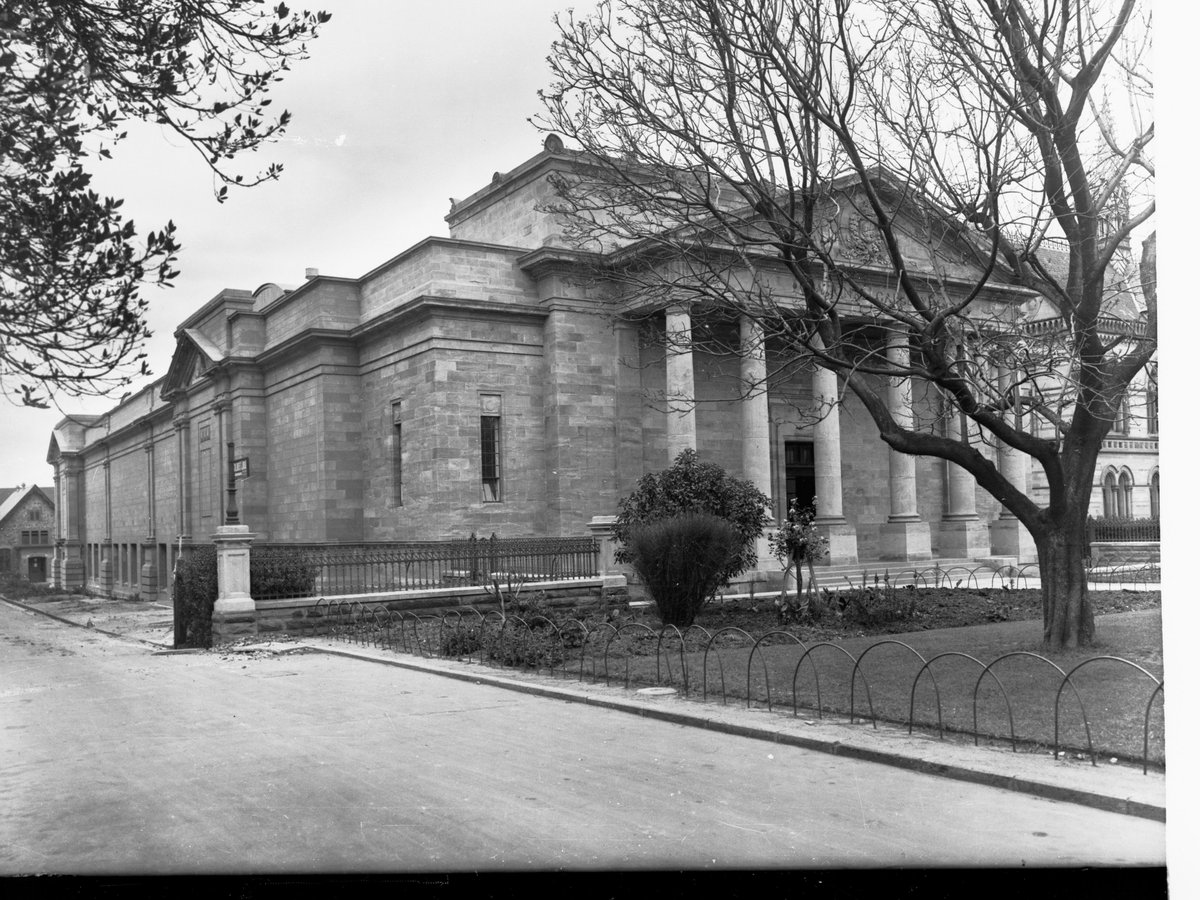
In 1900, AGSA moved to its current North Terrace location, cementing its role as a civic landmark with a neoclassical Victorian building. Over the decades, the gallery underwent significant expansions (notably in 1936, 1962, and the mid-1990s), responding to growing collections and visitor numbers. The 2011 Elder Wing refurbishment, a $3.5 million project, enhanced the display of Australian art (visual-arts-cork.com).
Renamed from the National Gallery of South Australia in 1967, AGSA continues to be a leader among Australian art institutions, hosting landmark exhibitions such as “Turner from the Tate” and the biennial “Tarnanthi: Festival of Contemporary Aboriginal and Torres Strait Islander Art” (touristlink.com; whichmuseum.com).
Collections and Highlights
Australian and Indigenous Art
AGSA is renowned for its pioneering commitment to Australian and Indigenous art. It holds major works by Tom Roberts (“A Break Away!”) and Hans Heysen (“Droving into the Light”), alongside a rich array of pieces from artists such as Grace Cossington Smith, Margaret Preston, Sidney Nolan, and Fred Williams.
Since 1939, AGSA has been collecting Aboriginal and Torres Strait Islander art, featuring significant works from the APY Lands and prominent artists like Clifford Possum Tjapaltjarri and Turkey Tolsen Tjupurrula. The gallery’s Indigenous art programs, including the Tarnanthi Festival, celebrate the diversity and vitality of First Nations’ creativity (AGSA Collection).
Current exhibitions include “Dangerously Modern: Australian Women Artists in Europe 1890–1940,” which explores the international impact of 50 pioneering women artists (Art Almanac: Dangerously Modern).
International and Decorative Arts
AGSA’s international holdings encompass European masterpieces by Jacob Isaakszoon van Ruisdael, J.M.W. Turner, and Anthony van Dyck, as well as sculptures by Auguste Rodin and Henry Moore (touristlink.com).
The Asian art collection is one of Australia’s finest, featuring Japanese Edo-period screens, Chinese ceramics, and a unique Islamic art space (AGSA Collection Areas).
Decorative arts include Australian colonial furniture, Art Nouveau glass, and a notable collection of jewellery and metalwork. Recent acquisitions like the Cloisonné Blue Chair highlight the gallery’s commitment to design excellence.
Photography, Prints, and New Media
AGSA holds substantial collections of photography, prints, and drawings, including historic works by Francisco Goya and contemporary video art. Nearly half of the gallery’s holdings are viewable online (AGSA Online Collection).
Visiting AGSA: Hours, Tickets, and Facilities
- Opening Hours Daily from 10:00 am to 5:00 pm; extended to 9:00 pm on the first Friday of each month (“First Fridays”). Closed only on Christmas Day (AGSA official site).
- Admission General entry is free. Special exhibitions require tickets, which can be purchased online or at the gallery (AGSA Tickets).
- Location North Terrace, Adelaide, within the cultural precinct near the South Australian Museum and the State Library (altitudetoadelaide.com).
Getting There
- By Train 5-minute walk from Adelaide Railway Station.
- By Tram The free city tram stops nearby at Art Gallery and University of Adelaide stops.
- By Bus Multiple routes along North Terrace.
- By Car Paid parking at Wilson Parking (North Terrace); limited free on-street parking on weekends.
Accessibility
AGSA is fully accessible, with wheelchair-friendly entrances, lifts, accessible toilets, and wheelchair loans. Programs include Auslan-interpreted tours and tactile experiences for visitors with vision impairments (australia.com).
On-site Amenities
- Café (AGSA_eat) Offers seasonal menus, coffee, and wine, with indoor and outdoor seating (altitudetoadelaide.com).
- Gallery Shop Art books, prints, and souvenirs.
- Restrooms Accessible on all levels.
- Cloakroom Free storage for bags and large items.
Guided Tours, Programs, and Special Events
- Daily Guided Tours Volunteer guides lead tours of the permanent collection and exhibitions (approx. 50 minutes). No booking required but subject to availability (AGSA Event Calendar).
- Bespoke Group Tours Available for educational and adult groups on request.
- Family Programs START at the Gallery (first Sunday monthly) offers art-making and performances for children and families (playandgo.com.au).
- Access Programs Auslan-interpreted and tactile tours.
- Special Events
- Tarnanthi Festival: Contemporary Aboriginal and Torres Strait Islander art (annual).
- Ramsay Art Prize: Biennial, celebrating artists under 40 (Art Almanac: Ramsay Art Prize).
- Dangerously Modern: Major exhibition (to 7 September 2025).
- First Fridays: Late-night opening with talks, tours, and live music.
Tips for Visitors
- Plan Ahead Allow 1–2 hours for highlights; art enthusiasts may spend half a day.
- Book Early For popular exhibitions and family programs.
- Check Photography Rules Non-flash photography is allowed in most areas; restrictions apply in some exhibitions.
- Accessibility Wheelchairs available; programs for visitors with hearing or vision loss.
- Dining Reserve a table at AGSA_eat during busy periods.
- Bag Policy Large bags must be checked at the cloakroom.
Nearby Attractions
- South Australian Museum Adjacent, with natural history and Indigenous collections.
- State Library of South Australia Next door, with heritage architecture and exhibitions.
- Adelaide Botanic Gardens Short walk east along North Terrace.
- Rundle Mall Shopping and public art, minutes away (birdgehls.com).
FAQs
What are AGSA’s opening hours?
Open daily 10:00 am–5:00 pm; extended to 9:00 pm on first Fridays.
Is admission free?
Yes, except for some special exhibitions and events.
How do I buy tickets for special exhibitions?
Purchase online via AGSA’s website or at the gallery.
Is the gallery accessible?
Fully wheelchair accessible with lifts, accessible restrooms, and programs for visitors with disabilities.
Are guided tours available?
Yes, daily volunteer-led tours and group bookings are offered.
Can I take photos?
Non-flash photography is permitted in most areas; check signage for restrictions.
Where can I park?
Paid parking is available at Wilson Parking across North Terrace; limited free weekend parking nearby.