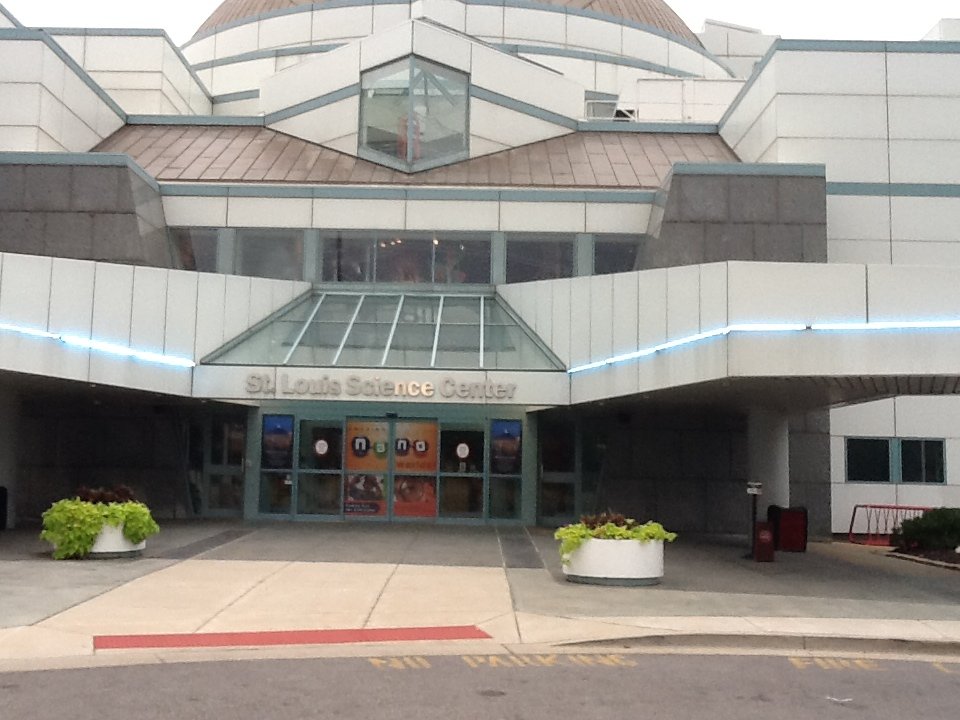
St. Louis.

38° N · 90° W United States of America

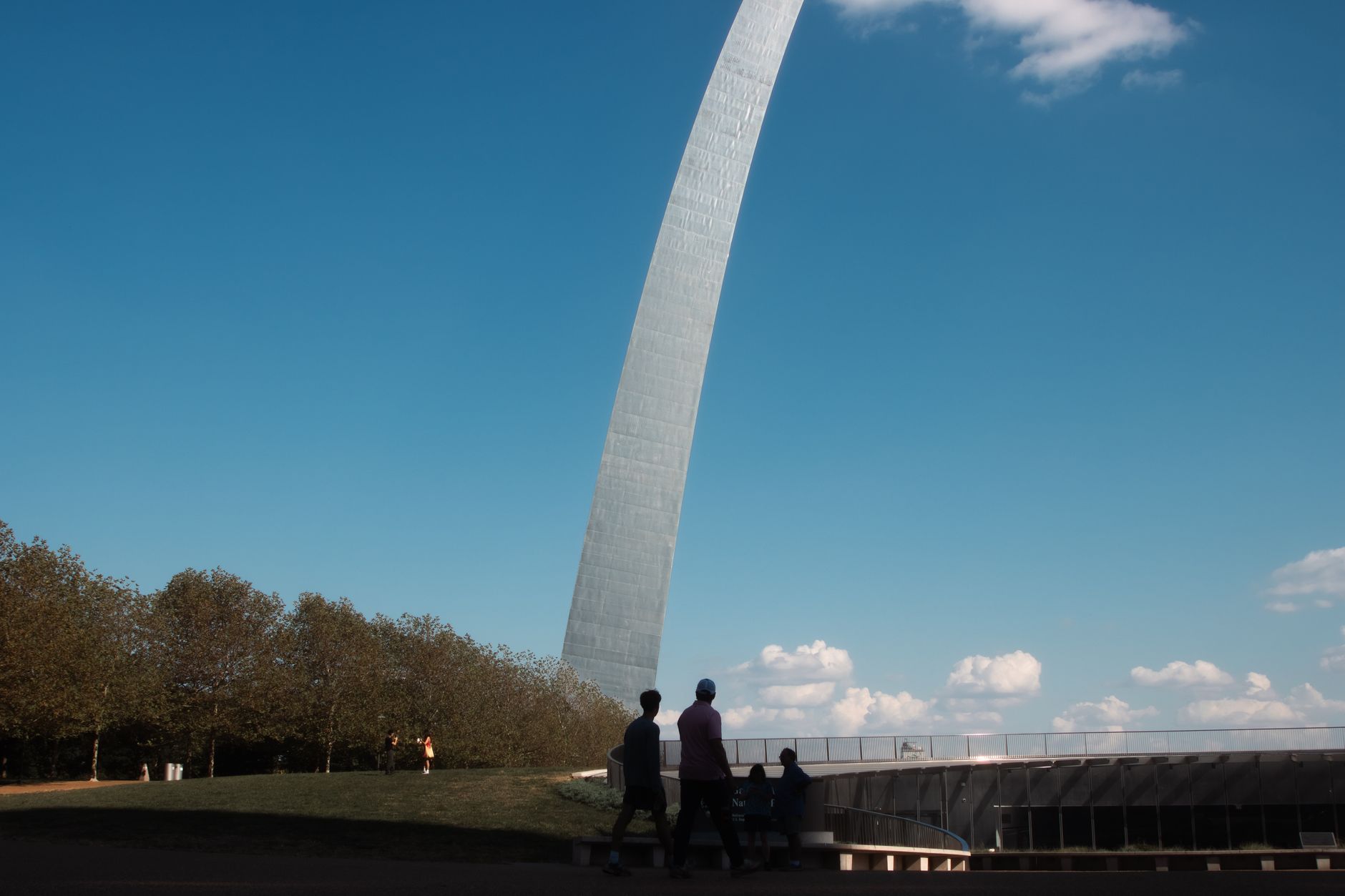
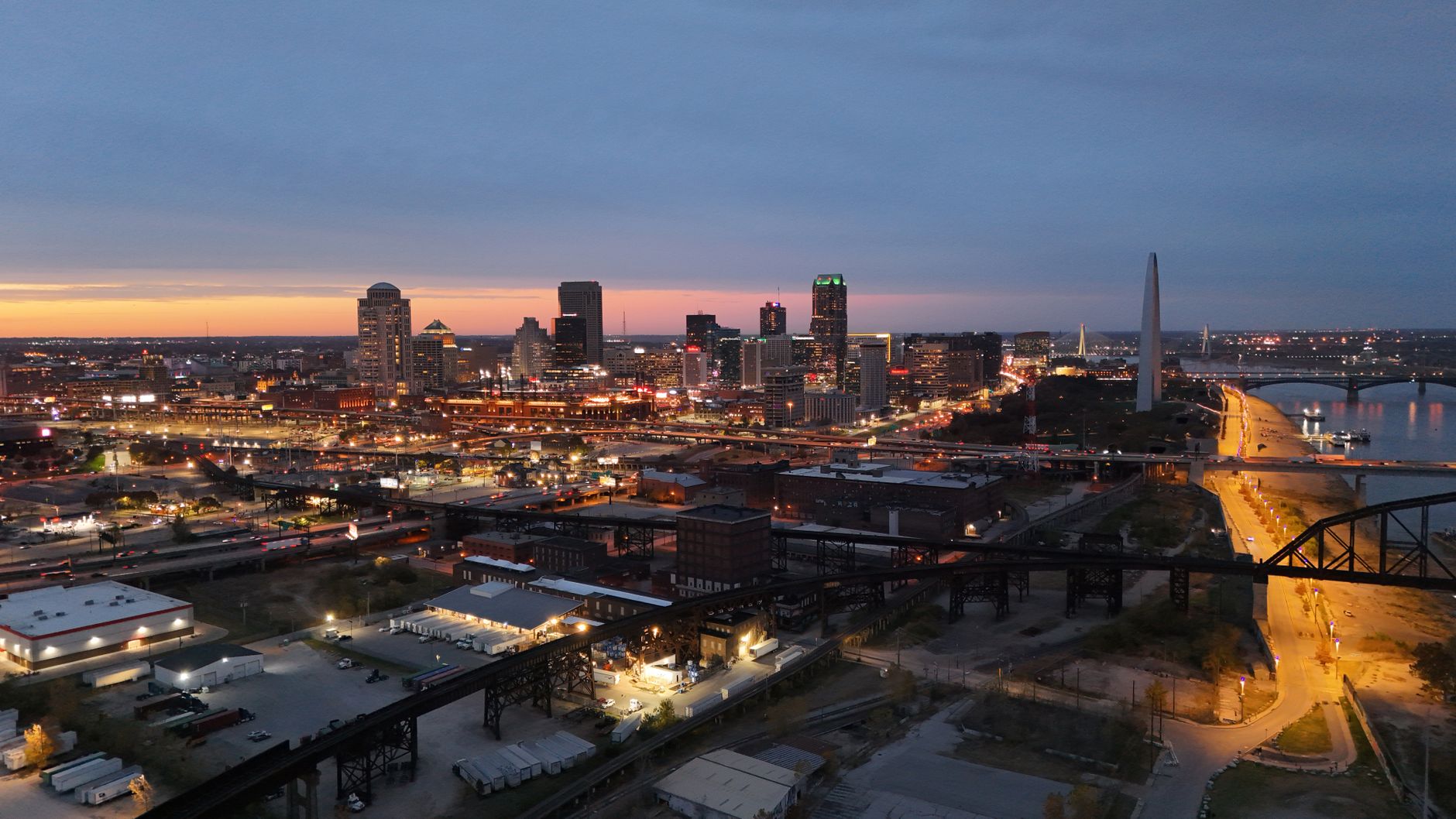
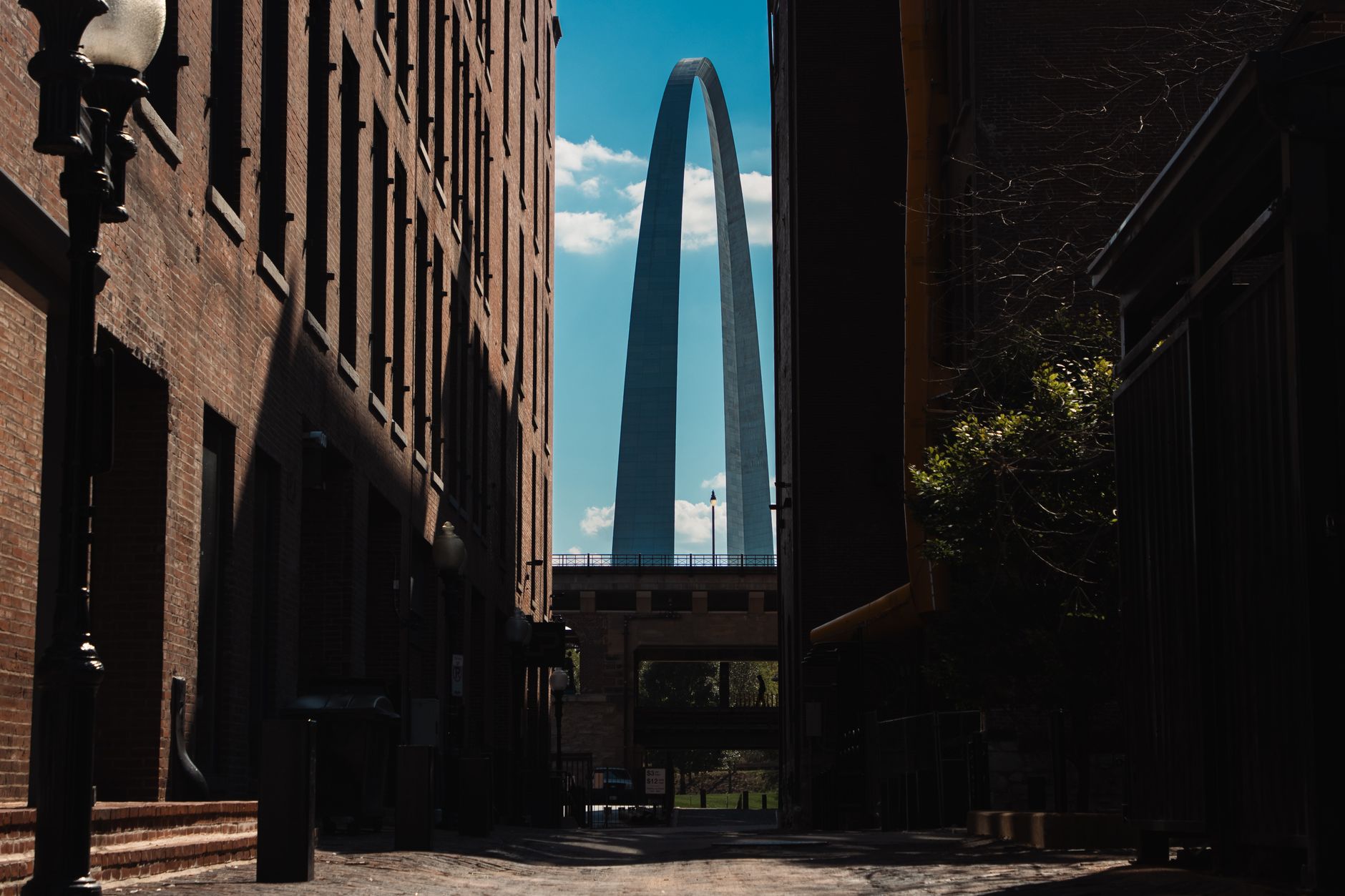
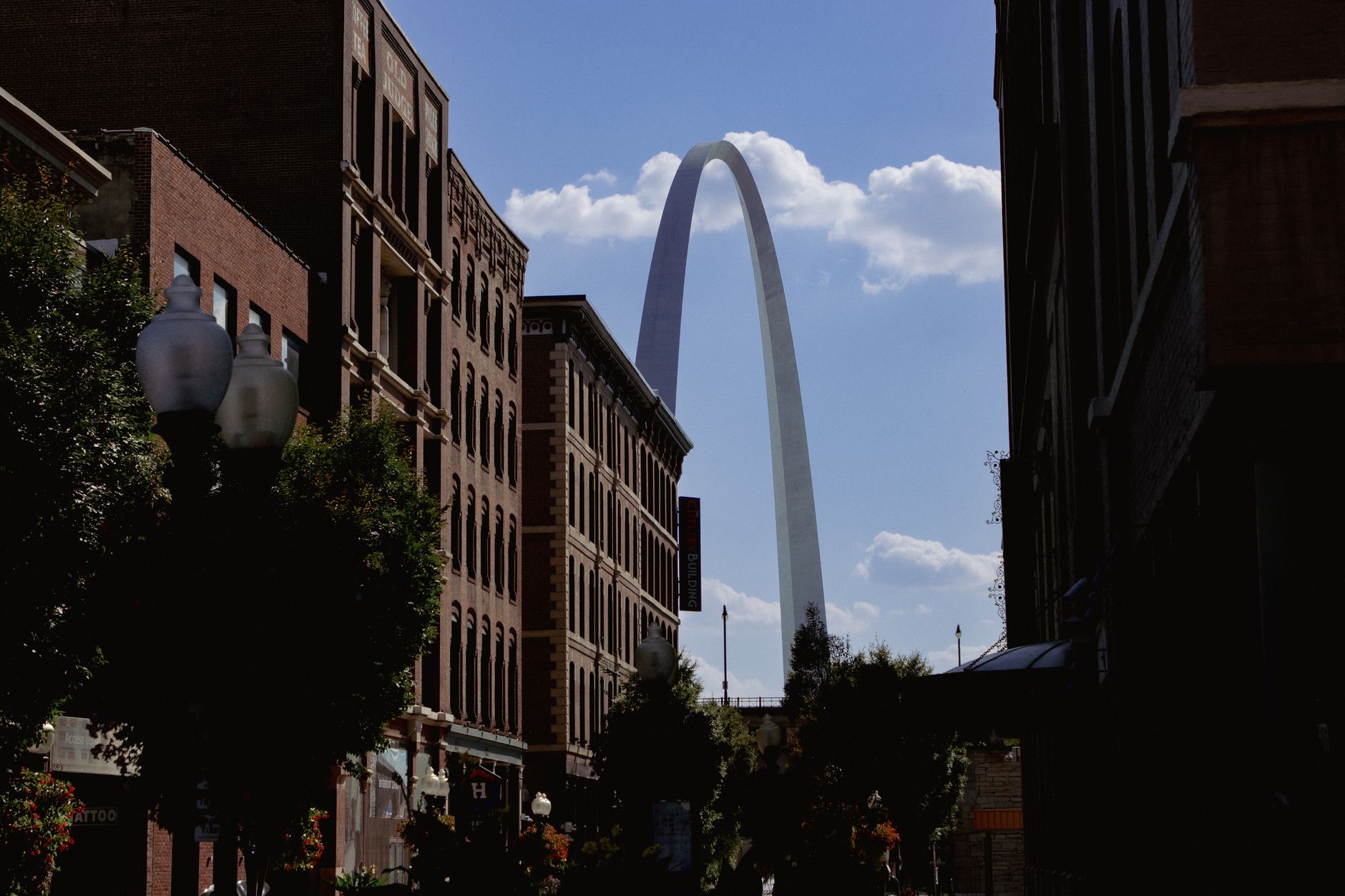
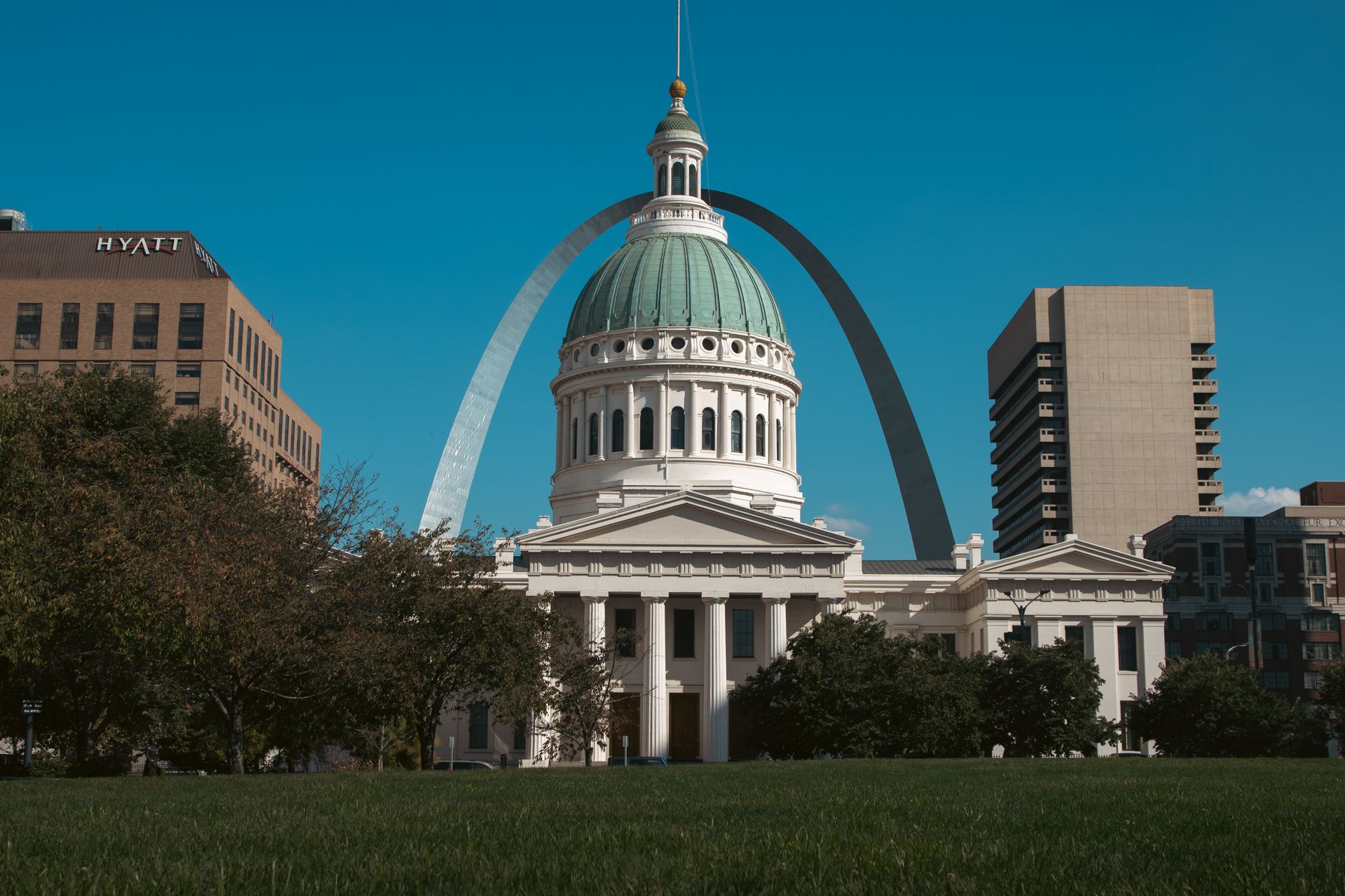
The first time the Gateway Arch catches you off guard, it feels like someone sliced the sky open with a butter knife. That 630-foot ribbon of stainless steel rises from the Mississippi riverfront in St. Louis, United States of America, and refuses to be ignored. Yet the real surprise waits elsewhere: a city that hands you world-class museums, a sprawling zoo, and an art museum without asking for a cent.
Listen to the guide — 47 min Open the map
St. Louis, United States of America
St. Louis · United States of America
12
attractions
3-5 days
days suggested
Spring (April-May)
best season
EN · EN
narration

03 Top tickets in St. Louis.

Book ahead

Curated from places in this city. Same price as official sites.

St. Louis Karaoke Mobile Tour Sing and Explore the City
Missouri Botanical Garden
St. Louis Karaoke Mobile Tour Sing and Explore the City
from €349.79

Prices shown are indicative — final pricing and availability are confirmed at checkout. Audiala may receive a commission from bookings made via these links.

01 An introduction

synthesized from 240+ sources ·

SThe first time the Gateway Arch catches you off guard, it feels like someone sliced the sky open with a butter knife. That 630-foot ribbon of stainless steel rises from the Mississippi riverfront in St. Louis, United States of America, and refuses to be ignored. Yet the real surprise waits elsewhere: a city that hands you world-class museums, a sprawling zoo, and an art museum without asking for a cent.

Midwestern hospitality runs deep here. Locals still call it the Gateway to the West, a nickname earned when wagon trains rolled out of town toward whatever came after the horizon. That same spirit lingers in the free admission signs posted across Forest Park, larger than Central Park and home to institutions most cities would charge a fortune to enter.

The food tells its own story of layered migrations. Toasted ravioli, cracker-crisp St. Louis-style pizza with Provel cheese, and pork steaks grilled until the edges go smoky. Eat them in neighborhoods built by German and Italian hands, then wander past Victorian mansions and 19th-century stone cottages that somehow survived every wave of demolition.

Family Friendly Budget Friendly Photography Hotspot

02 Why St. Louis.

What makes this place worth slowing down for.

The Gateway Arch

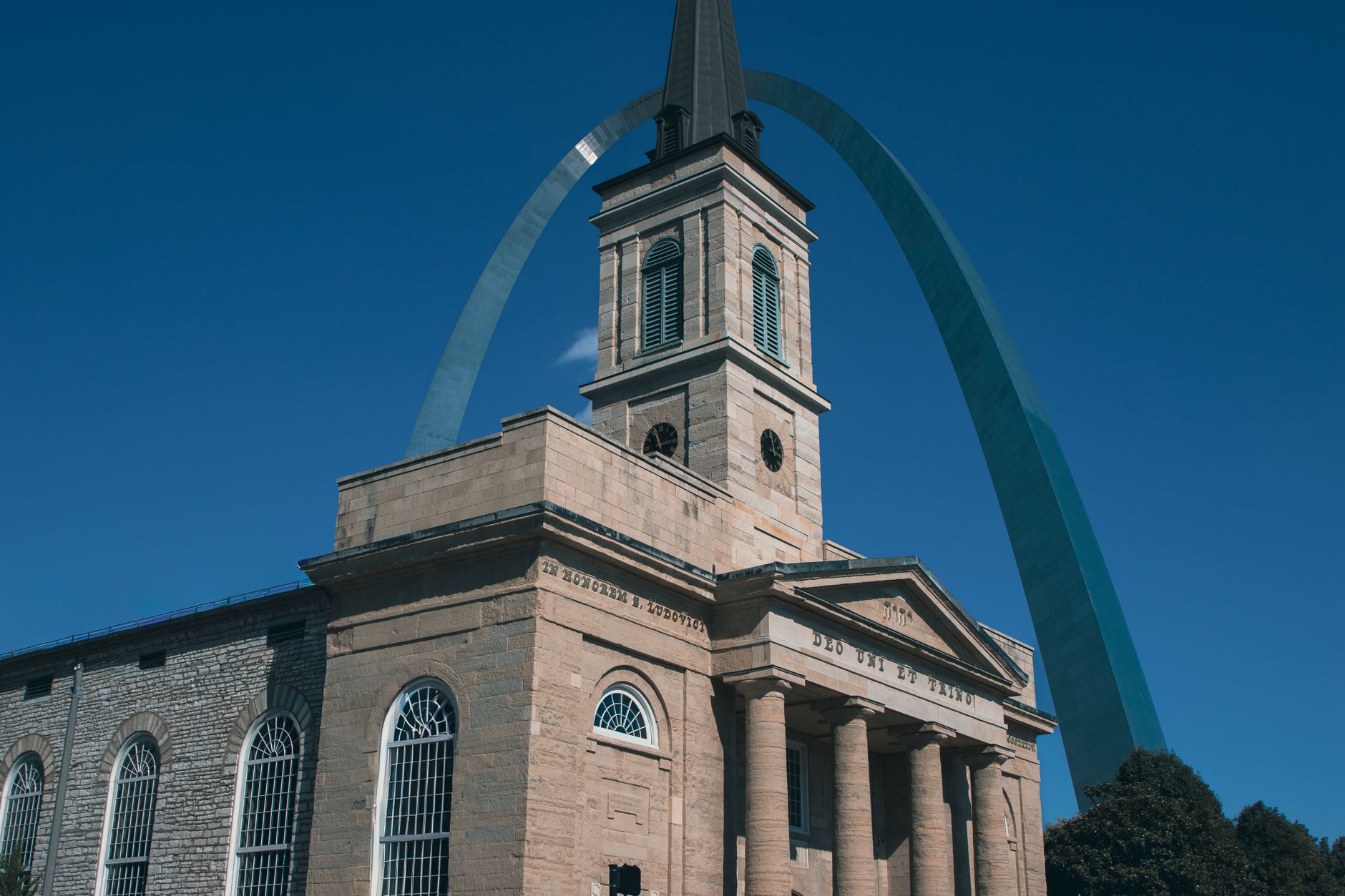
At 630 feet this stainless-steel catenary curve stands alone on the Mississippi riverfront. Ride the cramped, pod-like tram to the top and feel the structure sway 1.5 inches in a strong wind. The view changes how you see the entire Midwest.

Forest Park's Free Classics

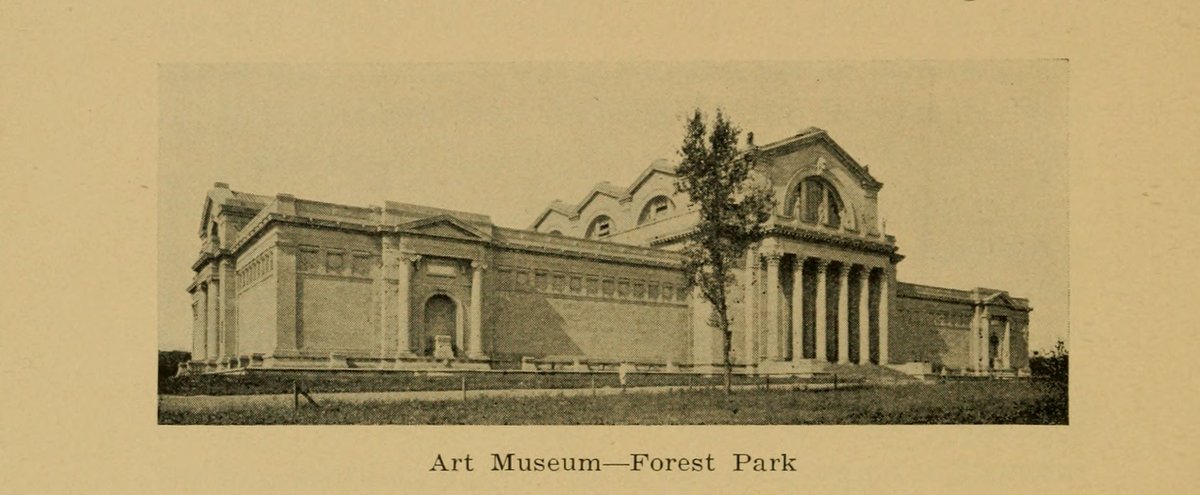
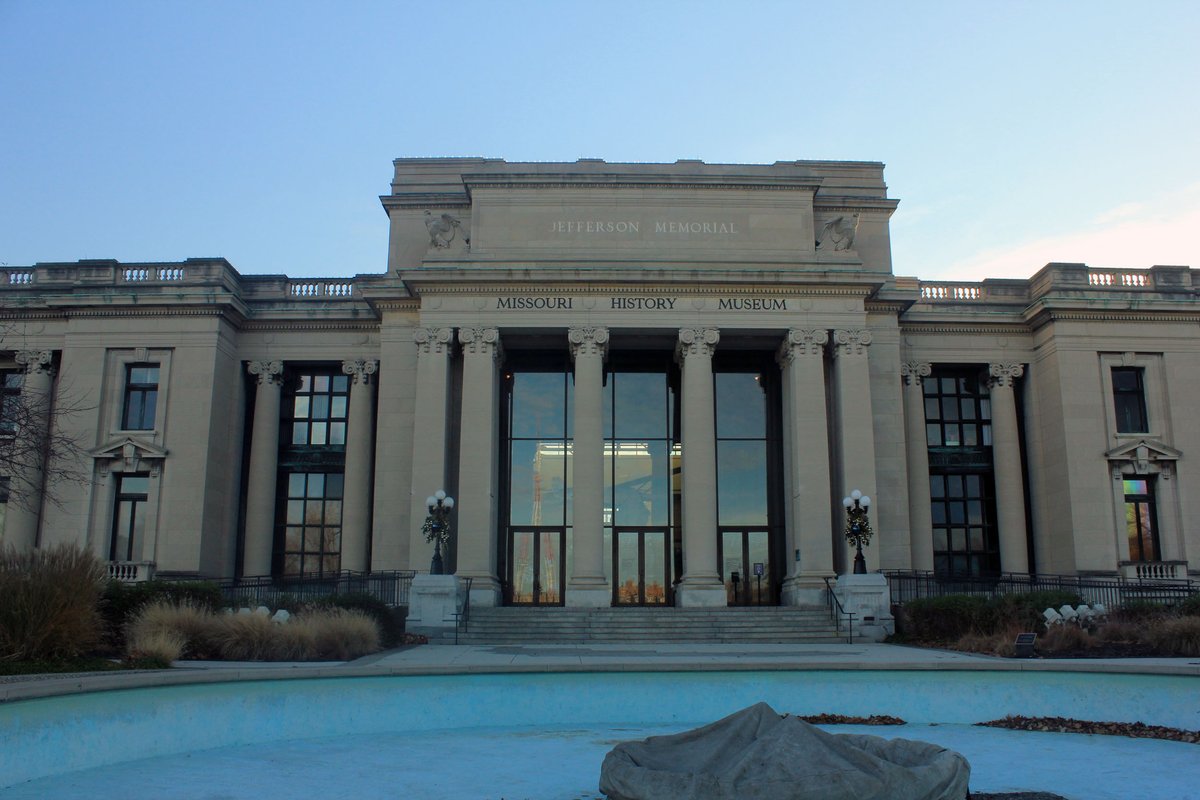
One park bigger than Central Park holds the free St. Louis Zoo, Art Museum, and History Museum. Walk from African penguins to a 19th-century Japanese garden without opening your wallet once. The city treats its best assets like public furniture.

City Museum

A former shoe factory turned ten-story architectural jungle gym. Slide through a 10-story spiral chute made of old bank vaults, then climb a wire-mesh cave suspended above the atrium. Adults leave with bruised shins and ridiculous grins.

Cathedral Basilica Mosaics

The Cathedral Basilica holds one of the largest mosaic collections on earth, installed over 72 years by 20 artists. Stand beneath 83 million glass and marble tiles while afternoon light turns the dome into living fire. Even skeptics go quiet.


03 Places to Visit.

Not every monument, just the ones we'd walk you past ourselves.
Missouri Botanical Garden
Editor's pick
01 · Place

Missouri Botanical Garden

Founded in 1859, MoBot's Climatron was named one of the 100 greatest U.S. architectural achievements. St. Louis residents simply call it 'The Garden.'

Saint Louis Zoo
02 Place

Saint Louis Zoo

Visiting the Saint Louis Zoo in St.

03 Place

Cahokia

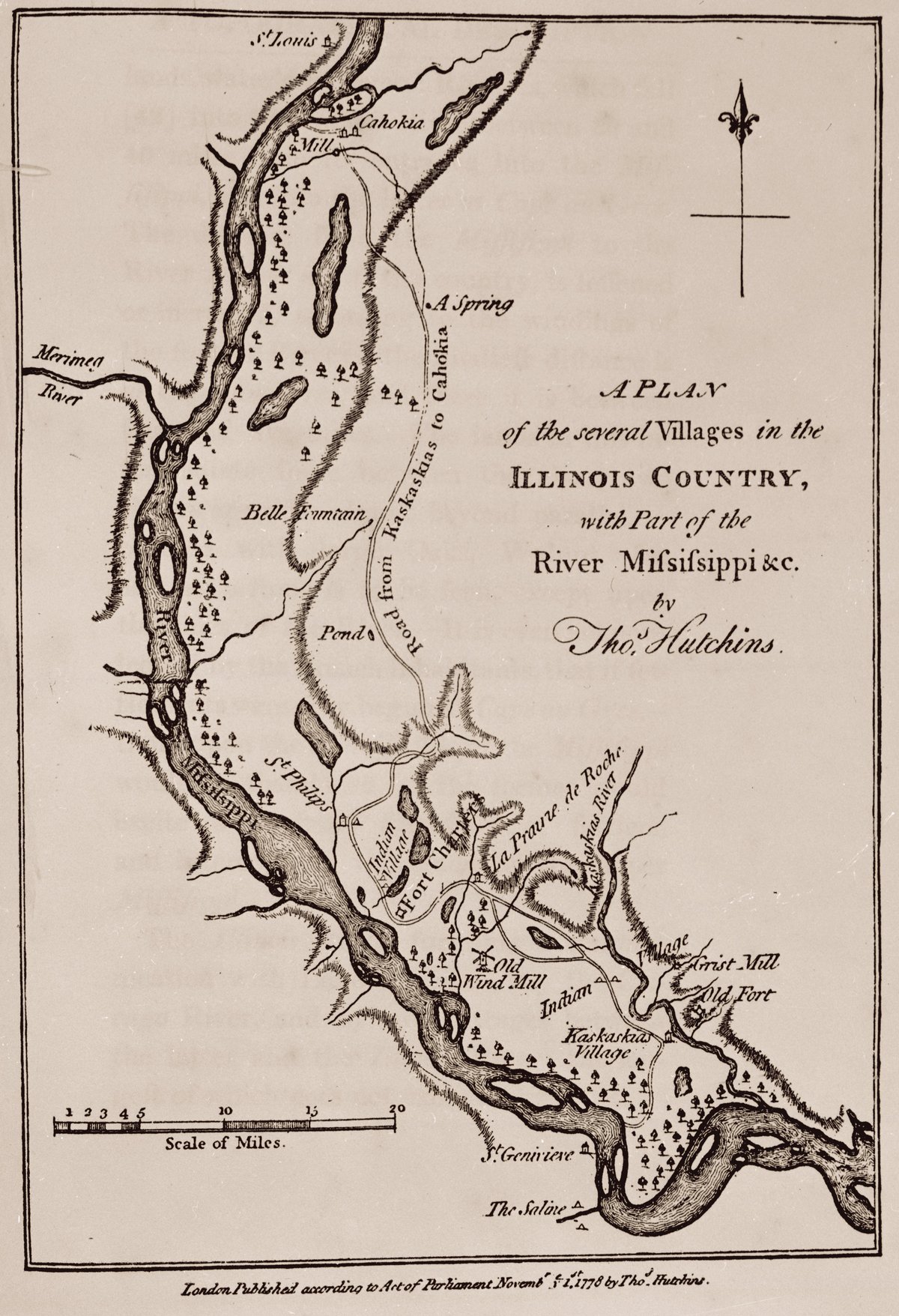
Cahokia Mounds State Historic Site, located near Collinsville, Illinois, is a remarkable testament to North America's ancient civilizations.

Gateway Arch National Park
04 Place

Gateway Arch National Park

Gateway Arch National Park in St.

Gateway Arch
05 Place

Gateway Arch

The Gateway Arch in St.

Saint Louis Art Museum
06 Place

Saint Louis Art Museum

Nestled in the vibrant cultural heart of Forest Park, St.

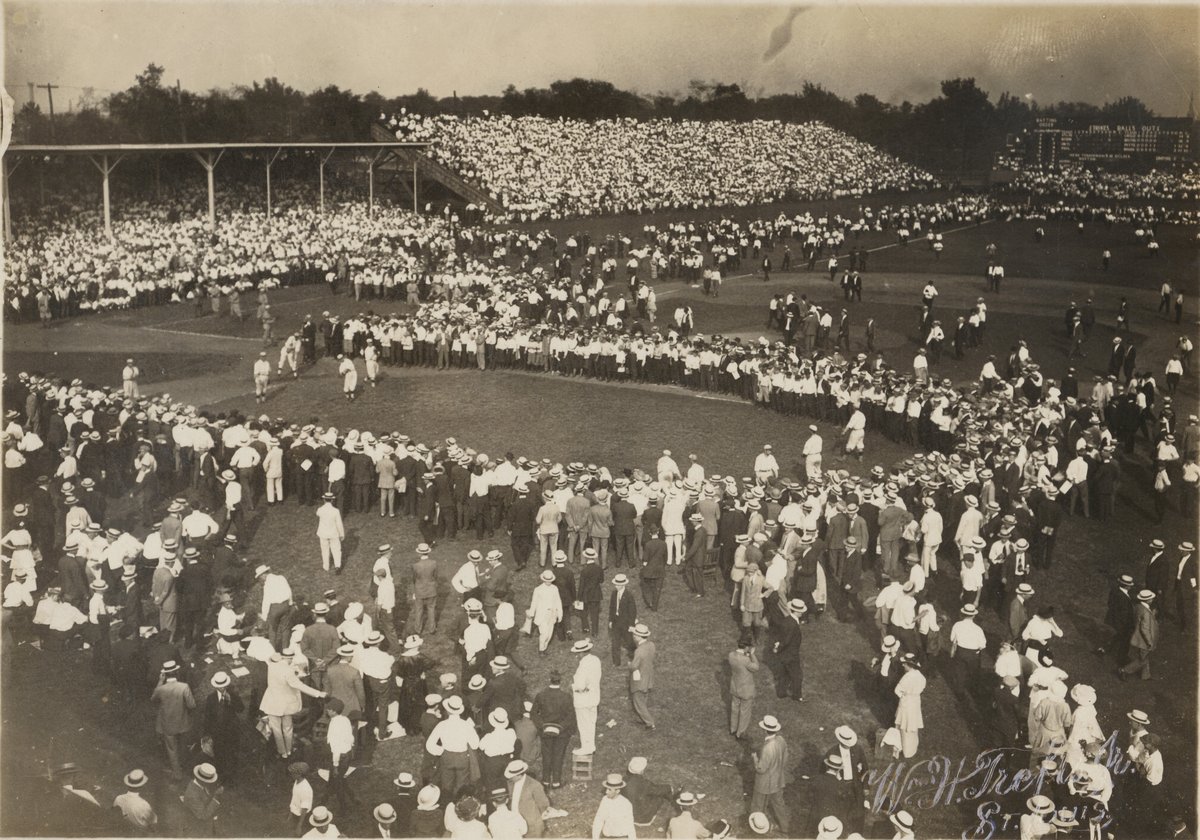
Sportsman'S Park
07 Place

Sportsman'S Park

Located at the historic intersection of Grand Avenue and Dodier Street in St.

All 72 places in St. Louis

04 Neighborhoods.

Where to wander, by quarter — each with its own rhythm.

01

The Delmar Loop

Stretching along Delmar Boulevard, this strip mixes record stores, street art, and live music joints. Blueberry Hill still serves burgers under walls covered in Chuck Berry memorabilia. The sidewalk stars embedded in the pavement honor local legends while the Pageant and Tivoli Theatre keep the nights loud.

02

Soulard

The oldest operating farmers market west of the Mississippi runs here every weekend since 1779. Red-brick row houses lean over narrow streets filled with the smell of fried fish and cold beer. Mardi Gras spills out for blocks each year, but the neighborhood's real rhythm belongs to its corner bars and Sunday market crowds.

03

Central West End

Private streets like Portland Place and Westminster Place hide behind gates, their Victorian and Tudor mansions built for 1890s wealth. Today the neighborhood balances upscale restaurants with independent bookstores and cocktail bars. The light through the stained glass at the Cathedral Basilica shifts across one of the largest mosaic collections on the planet.

04

Lafayette Square

Victorian mansions with wrought-iron balconies surround a park dedicated in 1851. Benton Place, one of America's oldest private streets, still feels like a secret. The scale is intimate, the architecture precise, and the evening light on those brick facades changes how you see the rest of the city.

05

The Grove

Manchester Avenue cuts a straight line through this walkable corridor of bars, restaurants, and small clubs. Once industrial, the street now hosts everything from Bosnian grilled meats to late-night music. The crowd shifts hourly, from after-work pints to dancing that lasts until the small hours.

06

Cherokee Street

Former heart of German St. Louis now wears street art and antique shop signs. The smell of fresh tortillas drifts from Mexican bakeries while record stores and dive bars occupy 19th-century storefronts. Come for the antiques, stay for the unexpected conversations at the corner taquerias.

Historical Timeline

Mound Builders to Gateway Arch

How a French trading post became the crossroads of America

Indigenous Period
c. 900 BCE

Mississippian Mound City Rises

Indigenous builders constructed over 25 earthen mounds along the Mississippi. The largest stood 40 feet high, visible for miles across the floodplain. Their precise alignment with solstices suggests a sophisticated understanding of the cosmos that still echoes in the city's layout today.

French Colonial Era
1764

Pierre Laclède Plants a Flag

French fur trader Pierre Laclède chose a limestone bluff 18 miles below the Missouri's mouth. On February 15 his stepson Auguste Chouteau and 30 men cleared trees under a cold sky. Within months the grid of streets appeared, smelling of fresh-cut oak and river mud.

Frontier Era
1770

William Clark Born Nearby

William Clark entered the world on a Virginia plantation but would spend his most consequential years in St. Louis. As territorial governor and Indian Affairs superintendent he kept an office near the riverfront. The maps he drew here still shape how we picture the American West.

1803

Louisiana Purchase Signed

Napoleon sold 828,000 square miles to Jefferson for three cents an acre. News reached St. Louis by keelboat that autumn. Overnight the tiny settlement became the American gateway to an empire twice the size of France.

1804

Lewis and Clark Depart

On May 14 the Corps of Discovery pushed off from the foot of Wood River. Their boats carried scientific instruments, gifts for tribes, and the weight of national ambition. St. Louis watched them vanish upstream, then waited three years for their return.

Musical Golden Age
1826

Scott Joplin Born

Scott Joplin arrived in northeast Texas but found his voice in St. Louis. The Maple Leaf Rag and The Entertainer first rang out from the city's parlors and saloons. His syncopated rhythms still rattle the floorboards of every bar on Delmar.

Industrial Expansion
1849

Cholera Epidemic Kills Thousands

The steamboat Monroe carried infected passengers from New Orleans. Within weeks the disease emptied entire blocks. Church bells tolled day and night while carts hauled bodies to mass graves beyond the city limits.

Musical Golden Age
1868

Chuck Berry Born

Chuck Berry grew up at 2520 Goode Avenue singing in the Antioch Baptist Church choir. His guitar later invented rock and roll on the stages of Cosmopolitan Club. The city still argues whether his duck walk or his lyrics changed music more.

Industrial Expansion
1876

Forest Park Land Purchased

The city bought 1,293 acres of wooded ridges and creeks for $849,000. Larger than Central Park by 500 acres, it became the green heart where generations would picnic, argue politics, and forget the factories for an afternoon.

Cultural Ascent
1880

Symphony Orchestra Founded

The second-oldest orchestra in the United States gave its first concert that December. Musicians in starched collars played Beethoven while the smell of coal smoke drifted through the windows of the Mercantile Library.

1904

World's Fair Transforms the City

The Louisiana Purchase Exposition sprawled across 1,200 acres of Forest Park. Twenty million visitors tasted ice cream cones, saw the Olympic Games, and rode the world's largest Ferris wheel. The fair left the Art Museum and a permanent taste for toasted ravioli.

Musical Golden Age
1906

Josephine Baker Born

Josephine Baker entered the world in a shack on Gratiot Street. At thirteen she was already dancing on the sidewalks of the Ville. She would later smuggle secrets for the French Resistance in her sheet music while the Nazis occupied Paris.

1926

Miles Davis Born

Miles Dewey Davis III arrived in Alton but learned his trumpet in East St. Louis. The city's after-hours clubs taught him to bend notes until they cried. He never stopped returning, even after the world called him genius.

Modern Era
1936

Gateway Arch Design Chosen

Eero Saarinen's catenary curve beat 194 other entries. Construction would wait until 1963, but the idea of a 630-foot stainless steel arch already changed how the city saw itself: no longer just the old river town but the literal gateway to everything west.

1965

Gateway Arch Completed

On October 28 the final section was eased into place 630 feet above the river. The structure sways six inches in high wind. From the top on clear days you can see 30 miles of America stretching in every direction like a promise kept.

1966

Beatles Play Busch Stadium

On August 21, 23,000 fans screamed so loudly the band couldn't hear themselves. John Lennon later called it one of the loudest concerts of their career. The stadium shook with teenage hysteria while the Arch watched silently from two miles away.

1994

Uncle Tupelo Splits

The Belleville bar band that invented alt-country played its last show at Mississippi Nights. Jeff Tweedy and Jay Farrar went separate ways, birthing Wilco and Son Volt. The split quietly redrew the map of American music from a St. Louis basement.

Present Day

06 Who lived here.

The people who shaped the city — and were shaped by it.

Musician 1926–2017

Chuck Berry

Born and raised in St. Louis

Chuck Berry walked these streets, duck-walked across stages on Delmar, and basically invented the soundtrack for every American road trip that followed. You can still feel his influence in the riffs spilling out of Blueberry Hill on any given night. He'd probably smirk at the fact that his hometown finally built a proper museum to him after the rest of the world caught up.

Dancer and activist 1906–1975

Josephine Baker

Born in St. Louis

Born poor in the city’s north side, Josephine Baker fled to Paris and became an international star who smuggled secrets for the French Resistance. The contrast between the segregated streets she grew up on and the standing ovations in Europe still stings. Today the city claims her loudly, though it took decades to admit what it drove her away from.

Composer 1868–1917

Scott Joplin

Lived and worked in St. Louis

Scott Joplin wrote the Maple Leaf Rag while living here during ragtime’s peak. The rhythm of his music still echoes in the way locals move through Soulard market on Saturday mornings. He never saw the massive revival of his work decades after his death in 1917. The city that barely noticed him then now sells his sheet music in every gift shop.

Founder of St. Louis c. 1724–1778

Pierre Laclede

Founded the city in 1764

French fur trader Pierre Laclede picked this exact spot on the Mississippi in 1764 because the limestone bluffs gave his trading post natural defense. He laid out the street grid that still defines downtown. Standing at the top of the Arch today, you realize he chose the one place where east finally met west.

08 Where to Eat.

Where locals actually book dinner — not the tourist menus.

Bogart's Smokehouse Bogart's Smokehouse
Local favorite €€

Bogart's Smokehouse

4.7 View
Broadway Oyster Bar Broadway Oyster Bar
Local favorite €€

Broadway Oyster Bar

4.6 View
Eleven Eleven Mississippi Eleven Eleven Mississippi
Local favorite €€

Eleven Eleven Mississippi

4.6 View
International Tap House, Soulard International Tap House, Soulard
Local favorite €€

International Tap House, Soulard

4.7 View
Anchor Room Coffeehouse Anchor Room Coffeehouse
Cafe €€

Anchor Room Coffeehouse

4.8 View
Odditeas Cafe & Artistic Lounge Odditeas Cafe & Artistic Lounge
Cafe €€

Odditeas Cafe & Artistic Lounge

4.8 View

09 Insider tips.

Small things that change how the city treats you.

Visit in April or October

April brings blooming dogwoods in Forest Park while October offers 65°F days and far fewer crowds than summer. Both beat the July highs that regularly hit 89°F.

Take the MetroLink

The Red Line runs straight from STL airport terminals to downtown and Forest Park for $2.50. Skip the rental car entirely if you stay within the central corridor.

Embrace the Free Fun

The St. Louis Zoo, Art Museum, and Missouri History Museum in Forest Park charge nothing. Plan at least one full day there and watch your trip budget stretch dramatically.

Order Toasted Ravioli

These breaded, deep-fried pockets were invented here. Try them at any Italian spot on The Hill, but know the locals dip them in marinara with zero shame.

Stay South of Delmar

Stick to Central West End, The Loop, Soulard, and Forest Park after dark. North St. Louis and certain downtown pockets after 9pm still worry even lifelong residents.

Ride a Tram to the Top

The Gateway Arch tram ride takes four minutes and reaches 630 feet. Book the earliest slot you can; the light on the Mississippi changes dramatically every hour.

12 Frequently asked

Is St. Louis worth visiting?

Yes, especially if you like cities that refuse to act like their size. The 630-foot Gateway Arch, completely free world-class museums in Forest Park, and toasted ravioli create a mix you won't find anywhere else. Three days here will quietly rewrite your expectations of Midwest cities.

How many days do you need in St. Louis?

Three full days works for most people. One for the Arch and downtown, one for Forest Park's free museums and zoo, and one to wander The Loop or Soulard. Add a fourth if you want to drive to Cahokia Mounds or the wine country in Hermann.

Is St. Louis safe for tourists?

The tourist areas are safe if you use common sense. Forest Park, Central West End, The Loop, and Soulard see plenty of visitors with few issues. Avoid North St. Louis and certain pockets east of downtown after dark. Locals still lock their cars everywhere.

What's the best way to get around St. Louis?

MetroLink light rail connects the airport, downtown, Forest Park, and The Loop cheaply and cleanly. Rent a car only if you plan to visit Lone Elk Park or Grant's Farm. Rideshares work fine in the central neighborhoods but get expensive late at night.

When is the cheapest time to visit St. Louis?

January and February bring the lowest hotel rates and almost no crowds at the Arch. The trade-off is cold weather around 25°F. September and early October give you the best balance of mild temperatures, lower prices, and fall color in Forest Park.

What food is St. Louis known for?

Toasted ravioli, thin-crust pizza cut into squares and covered in Provel cheese, and pork steaks grilled with Maull's barbecue sauce. The Slinger breakfast—eggs, burger patty, hash browns, chili, and cheese—remains a late-night institution at places like Crown Candy.

Ready to book?

03 Top tickets in St. Louis.

Book ahead

Curated from places in this city. Same price as official sites.

St. Louis Karaoke Mobile Tour Sing and Explore the City
Missouri Botanical Garden
St. Louis Karaoke Mobile Tour Sing and Explore the City
from €349.79

Prices shown are indicative — final pricing and availability are confirmed at checkout. Audiala may receive a commission from bookings made via these links.

13Before you go

Practical Information

Flight

Getting There

Fly into St. Louis Lambert International Airport (STL). The MetroLink Red Line runs directly from both terminals to downtown in 25 minutes for $2.50. Major highways include I-70 from the east and west, I-55 from the south, and I-64 slicing straight through the city.

Directions transit

Getting Around

MetroLink operates two light-rail lines (Red and Blue) with 37 stations connecting the airport, Forest Park, Delmar Loop, and downtown. MetroBus fills the gaps. Buy a $5 day pass or use contactless tapping; fares are $2.50 for two hours. In 2026 a car remains useful for day trips to Cahokia Mounds or Lone Elk Park.

Thermostat

Climate & Best Time

Summers hit 89 °F in July with sticky humidity. Winters drop to 25 °F in January. Rain falls year-round, peaking in May. April–May brings dogwood blooms and manageable crowds; September–October offers perfect light and lower hotel rates. Avoid July unless you love sweat.

Shield

Safety

Forest Park, Central West End, The Loop, and Lafayette Square feel safe for visitors during daylight. North St. Louis and certain downtown pockets after dark warrant caution. Use rideshares at night and keep your phone charged. Standard big-city awareness applies.

Take St. Louis with you

47 minutes of St. Louis,
downloaded once.

72 places, one continuous walking route. Free with your first city.

Get this guide on the app Open in browser

All Places to Visit.

72 places to discover

Missouri Botanical Garden
Place

Missouri Botanical Garden

Saint Louis Zoo
Place

Saint Louis Zoo

Place

Cahokia

Gateway Arch National Park
Place

Gateway Arch National Park

Gateway Arch
Place

Gateway Arch

Saint Louis Art Museum
Place

Saint Louis Art Museum

Sportsman'S Park
Place

Sportsman'S Park

Busch Memorial Stadium
Place

Busch Memorial Stadium

Forest Park
Place

Forest Park

Place

Cathedral Basilica of Saint Louis

Place

Missouri History Museum

Bellefontaine Cemetery
Place

Bellefontaine Cemetery

Place

Energizer Park

Tower Grove Park
Place

Tower Grove Park

Mildred Lane Kemper Art Museum
Place

Mildred Lane Kemper Art Museum

Place

St. Louis Cardinals Hall of Fame Museum

National Museum of Transportation
Place

National Museum of Transportation

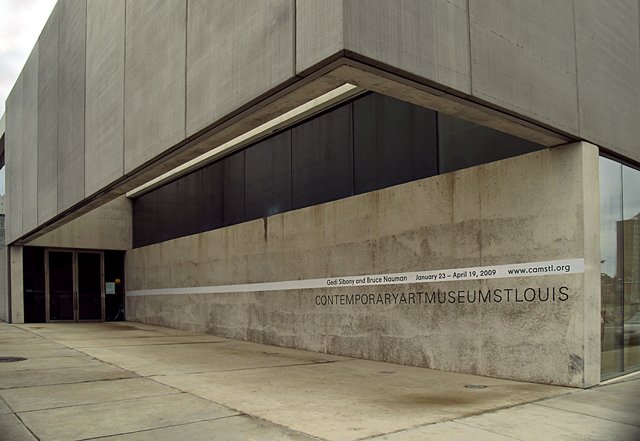
Contemporary Art Museum St. Louis
Place

Contemporary Art Museum St. Louis

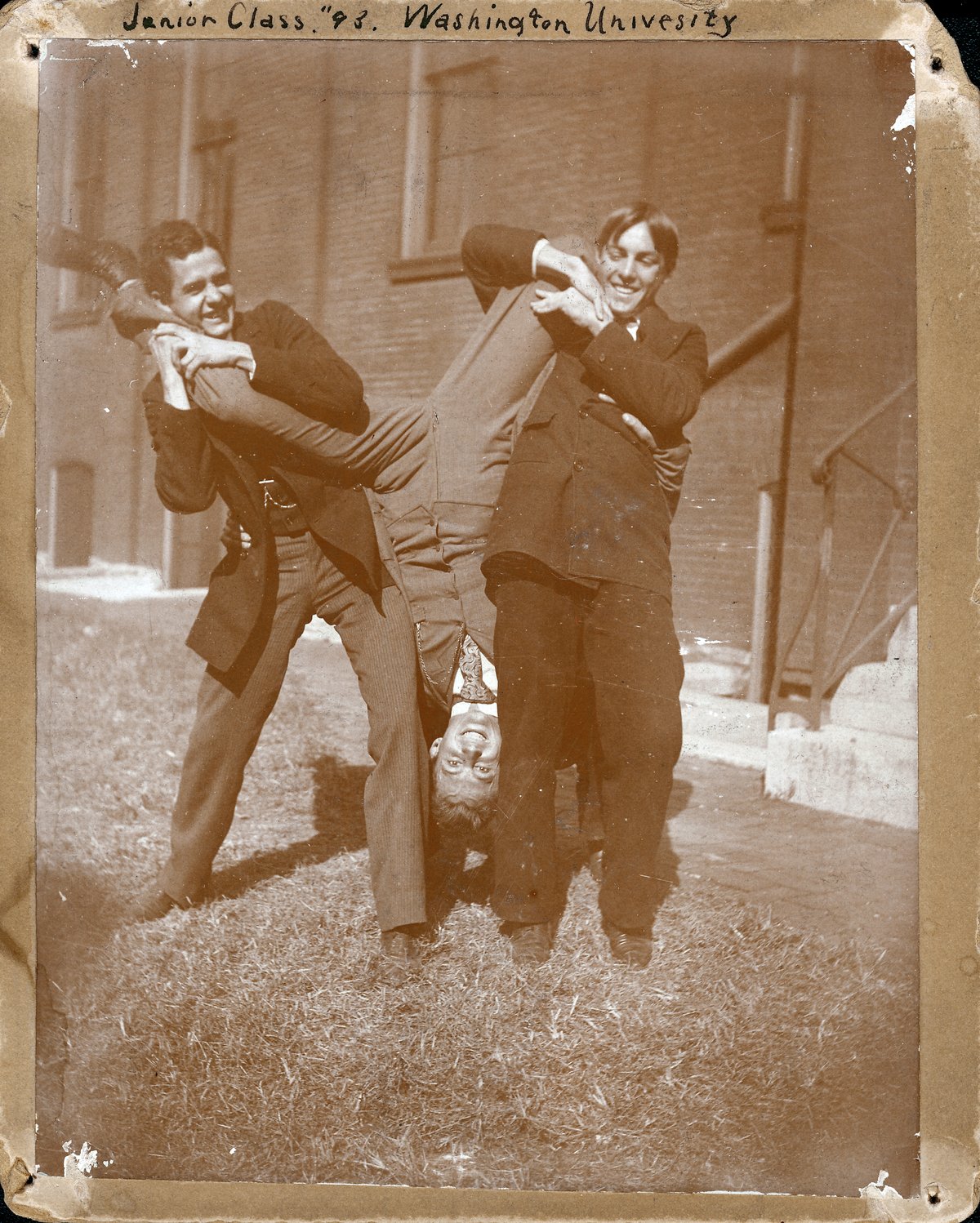
Washington University in St. Louis
Place

Washington University in St. Louis

Place

Fox Theatre

Place

Stifel Theatre

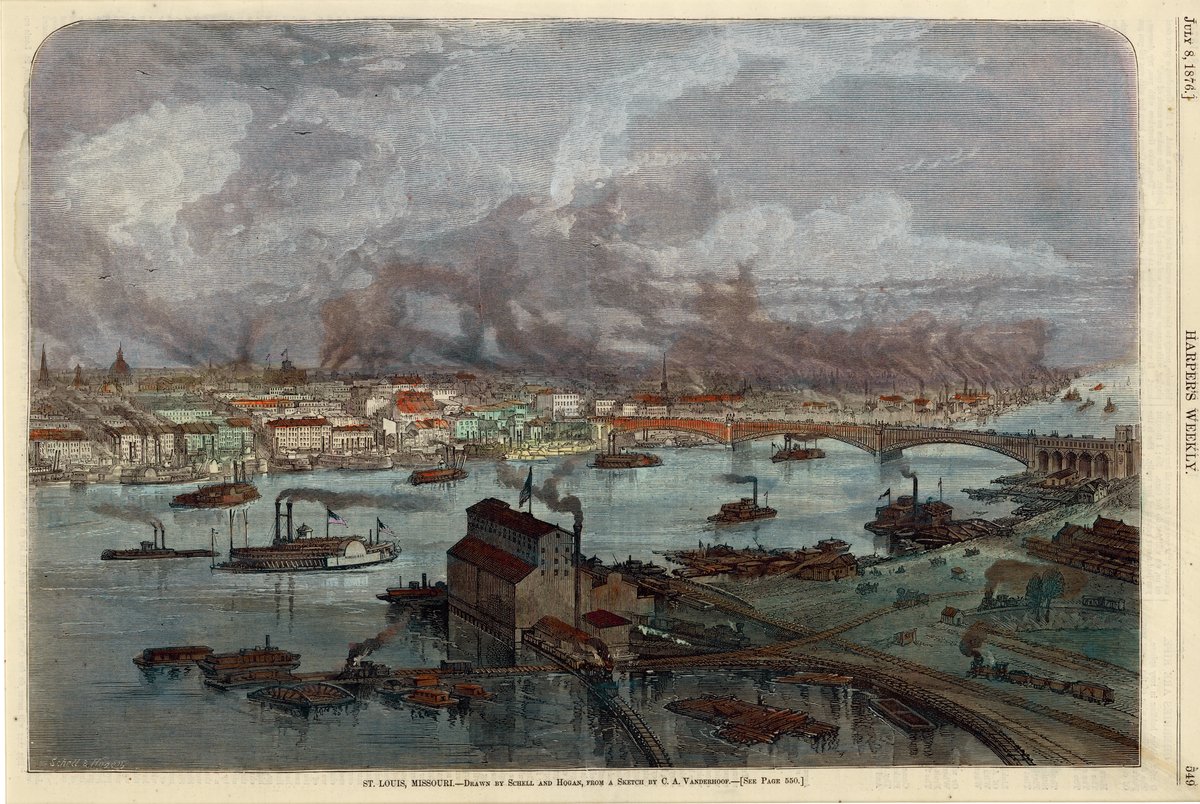
Eads Bridge
Place

Eads Bridge

City Museum
Place

City Museum

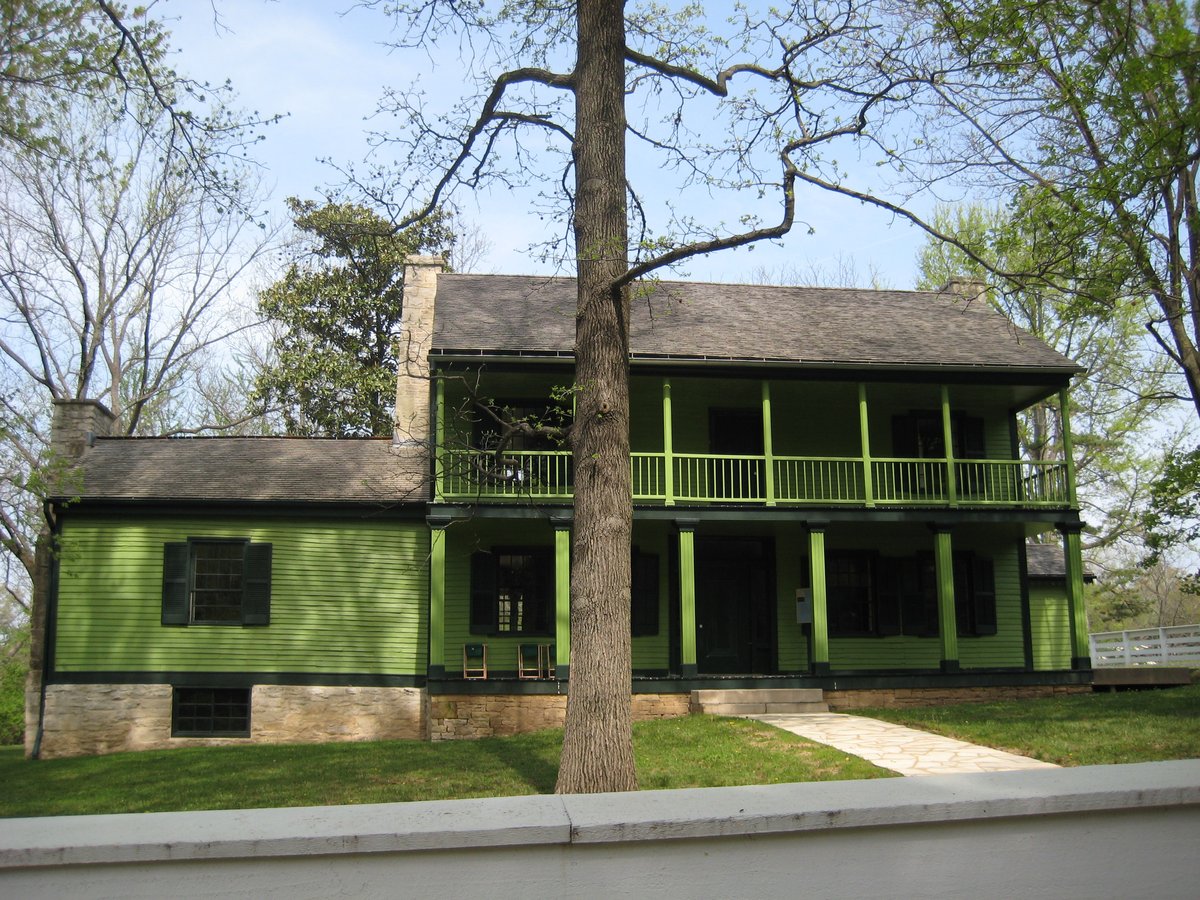
Ulysses S. Grant National Historic Site
Place

Ulysses S. Grant National Historic Site

St. Ambrose Church
Place

St. Ambrose Church

Soldiers' Memorial
Place

Soldiers' Memorial

Campbell House Museum
Place

Campbell House Museum

The Magic House, St. Louis Children'S Museum
Place

The Magic House, St. Louis Children'S Museum

National Blues Museum
Place

National Blues Museum

Place

St. Francis De Sales Church

St. Alphonsus Catholic Church, St. Louis
Place

St. Alphonsus Catholic Church, St. Louis

Old Courthouse
Place

Old Courthouse

The Griot Museum of Black History
Place

The Griot Museum of Black History

Busch Stadium
Place

Busch Stadium

Enterprise Center
Place

Enterprise Center

The Dome at America'S Center
Place

The Dome at America'S Center

St. Louis Arena
Place

St. Louis Arena

Place

World Chess Hall of Fame

Kiel Auditorium
Place

Kiel Auditorium

Robison Field
Place

Robison Field

Harris–Stowe State University
Place

Harris–Stowe State University

Place

St. Louis Municipal Opera Theatre

Aquinas Institute of Theology
Place

Aquinas Institute of Theology

Missouri Historical Society
Place

Missouri Historical Society

Scott Joplin House State Historic Site
Place

Scott Joplin House State Historic Site

Chaifetz Arena
Place

Chaifetz Arena

Saint Louis Science Center
Place

Saint Louis Science Center

Wainwright Building
Place

Wainwright Building

Showing 48 of 72 — search any place to jump straight there.