


Place
United States of America Updated Oct 2026
Red brick keeps appearing underfoot in Boston, United States of America: the Freedom Trail threads 2.5 miles through busy streets, burial grounds, meetinghouses, and the Old State House. Follow it and the American Revolution stops being a chapter heading; it becomes a route through a city still going about its business.
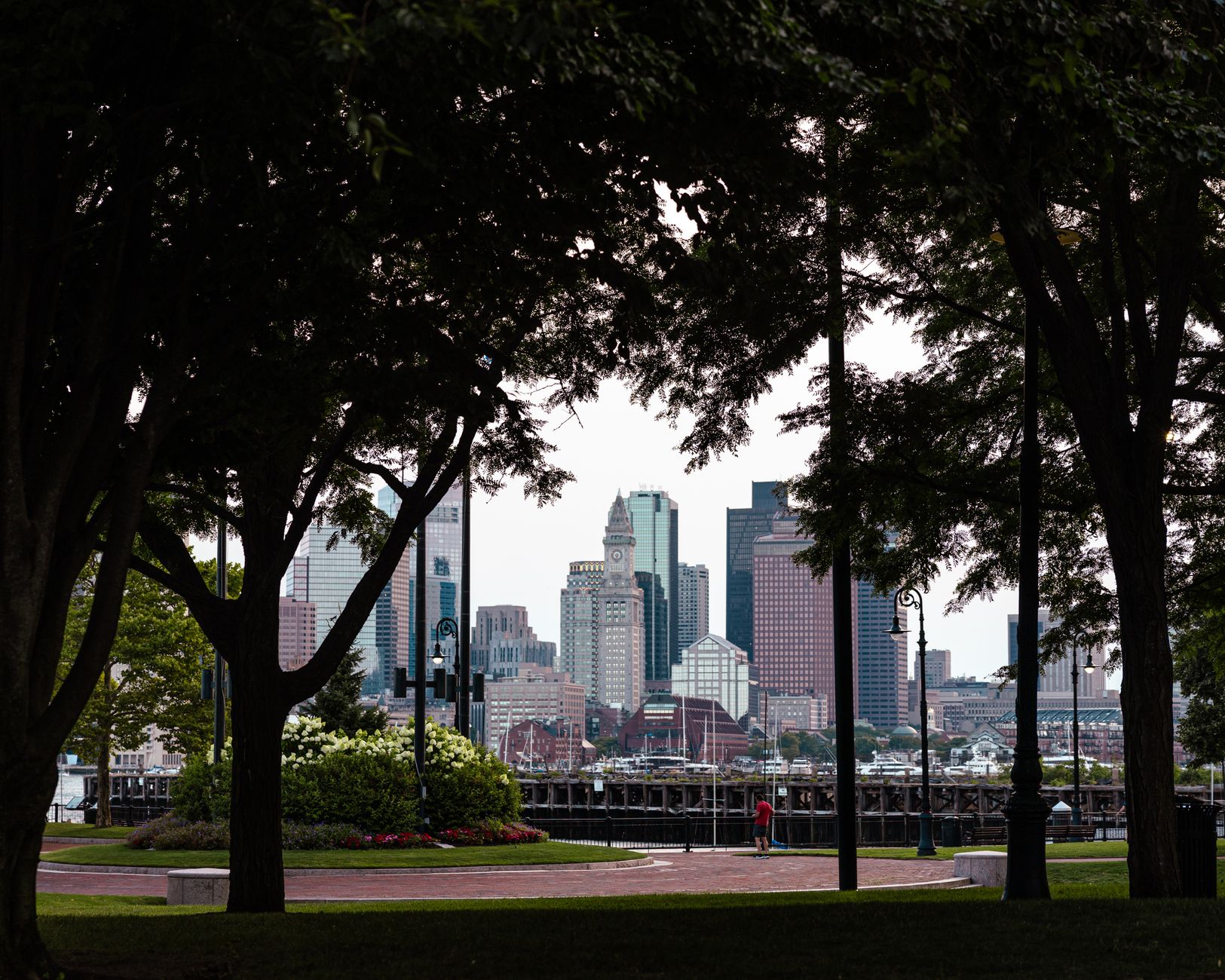
 Photo: Dominik Gryzbon / Pexels
Built from cited sources · see the method · How we make our guides →
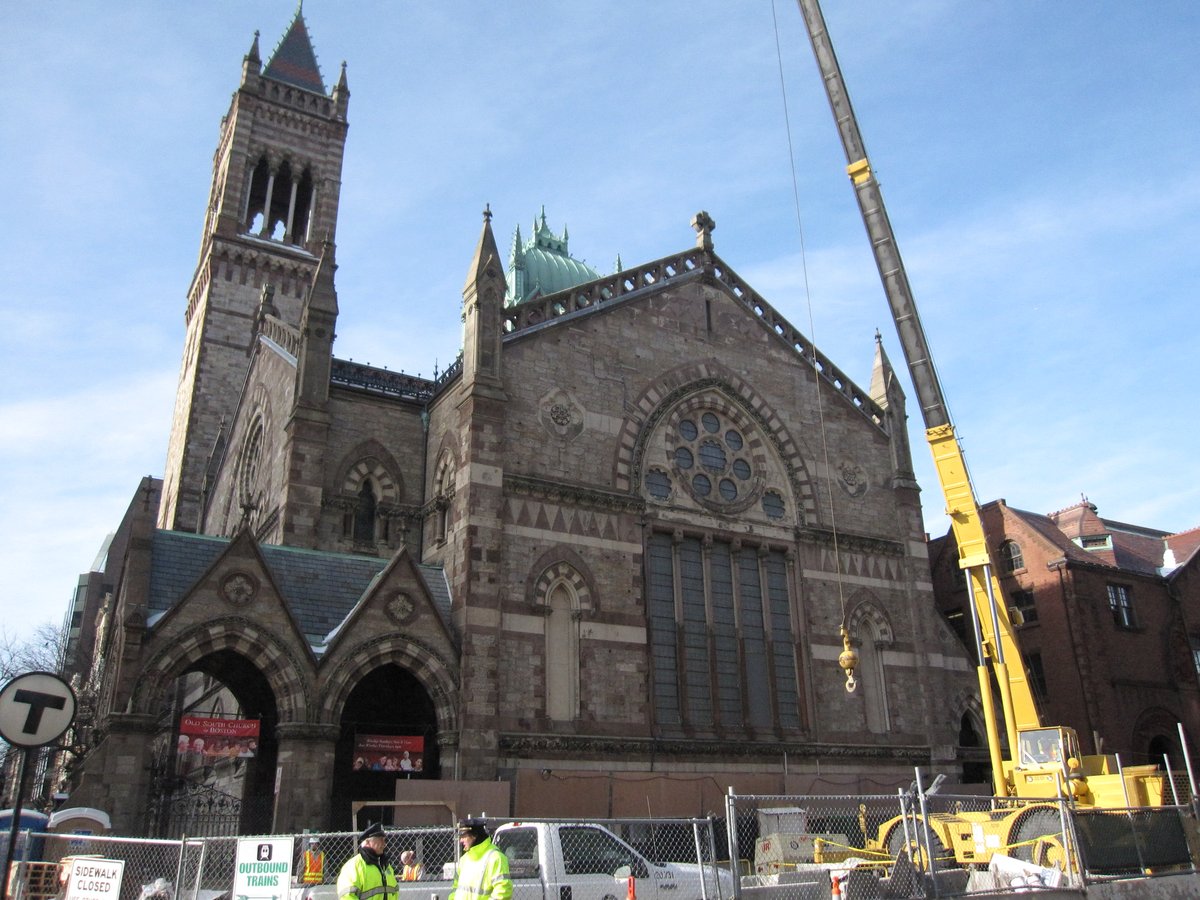
Boston’s past sits close to the surface. Along the trail, Granary Burying Ground holds the graves of John Hancock, Samuel Adams, and Paul Revere, while the Old South Meeting House recalls the gathering that helped set the Boston Tea Party in motion.
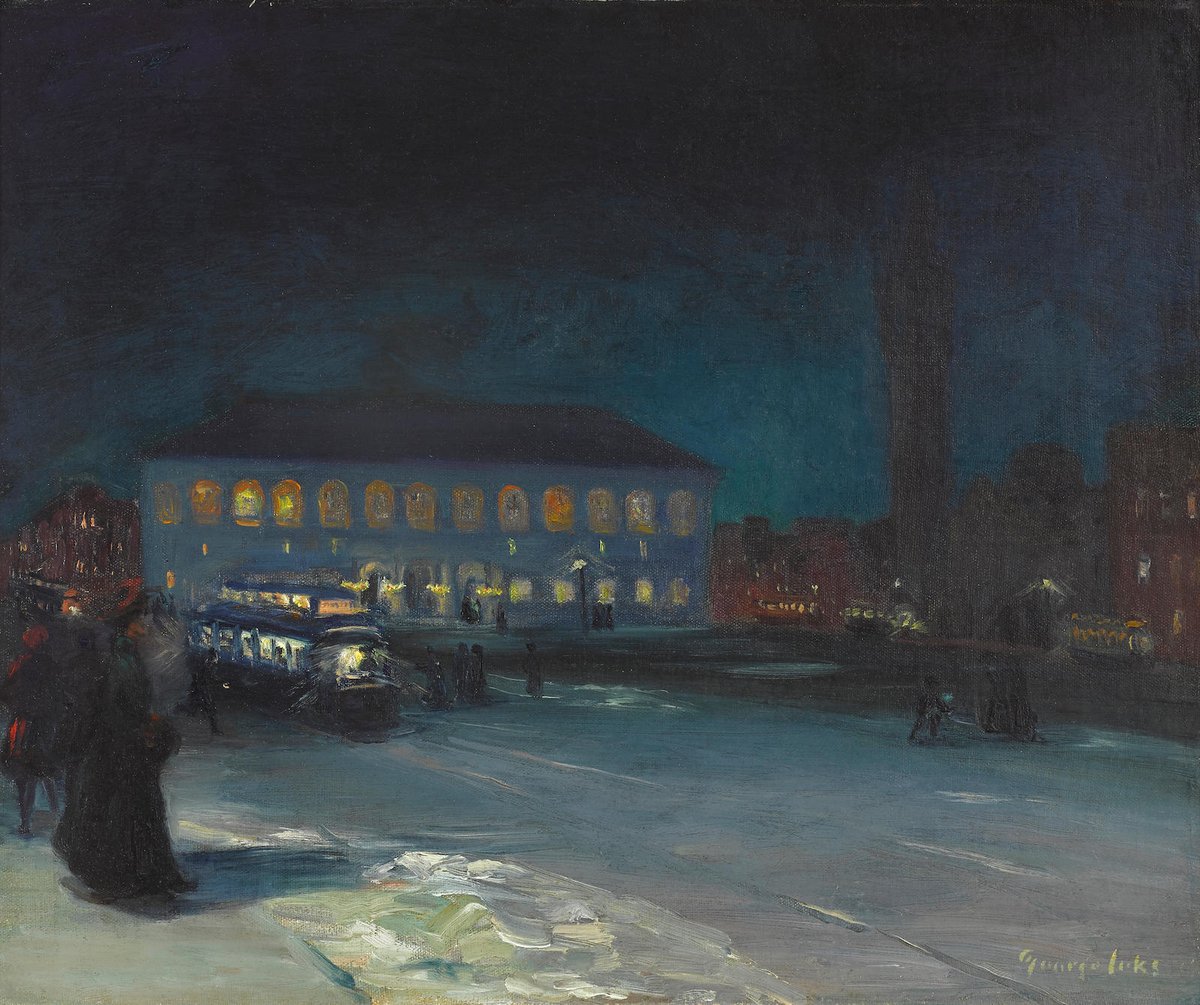
The city’s art institutions have their own stories to tell. At the Isabella Stewart Gardner Museum, an enclosed courtyard blooms beneath a glass roof, while empty frames still mark paintings stolen in 1990; at the Boston Public Library, the barrel-vaulted Bates Hall gives a public reading room the hush of a grand hall.
Food and daily life pull Boston out of the history books: the North End smells of espresso and fresh bread, and the harbor-facing Seaport trades old brick for glass and open water. The Freedom Trail runs through both the city people remember and the one they live in now.
Not every monument, just the ones we'd walk you past ourselves.
Where to wander, by quarter — each with its own rhythm.
Before you go
Curated from places in this city. Same price as official sites.


Prices shown are indicative — final pricing and availability are confirmed at checkout. Audiala may receive a commission from bookings made via these links.
From Massachusett Shawmut to a city that keeps remaking itself
Long before English settlement, Massachusett people lived along the peninsula they called Shawmut, using its springs, harbor, and river edges for food and travel. No single year marks that history; the colonial city was built on an inhabited shore.
Anglican clergyman William Blackstone built a cabin near what is now Beacon Hill, becoming the first recorded English settler on the peninsula. His small holding stood apart from the larger settlement that would soon arrive across the Charles River.
In September, Puritan colonists led by John Winthrop moved from Charlestown to Shawmut and named their new town for Boston in Lincolnshire. The harbor offered a safer base for trade, while English settlement swiftly brought new claims to Massachusett land and power.
After news of England’s Glorious Revolution reached the colony, Bostonians surrounded the government center and arrested Governor Sir Edmund Andros. The uprising ended the Dominion of New England’s rule here and restored a measure of local authority.
Boston’s new Town House opened on the east side of what is now State Street, replacing a wooden building destroyed by fire. The Old State House’s brick walls still frame the spot where, decades later, revolutionaries would address crowds from its balcony.
Born in Boston, Samuel Adams grew into one of the city’s most persistent organizers of resistance to British rule. He helped build the Sons of Liberty and turned meetings, newspaper essays, and public ceremony into instruments of protest.
Boston-born Paul Revere trained as a silversmith and engraver, making a living from the metalwork and prints sold around the busy port. In 1775, he rode out from the city to warn that British troops were on the move.
Merchant Peter Faneuil funded a market hall beside the wharves, where the smell of fish and produce mingled with arguments over politics. Charles Bulfinch enlarged it in 1806; its meeting rooms became a stage for the city’s growing resistance to British rule.
The Stamp Act brought crowds into Boston’s streets to oppose a tax imposed without colonial representation. On August 26, a mob ransacked Lieutenant Governor Thomas Hutchinson’s home, making clear that protest could turn quickly into destruction.
Outside the Old State House, British soldiers fired into a tense crowd, killing five people, including Crispus Attucks. John Adams defended the soldiers in court; most were acquitted, but the killings gave colonial opponents a powerful new rallying point.
Enslaved in Boston as a child, Phillis Wheatley learned to read and write and became a poet whose first book appeared in London in 1773. Her work crossed the Atlantic from a city that denied her freedom, challenging assumptions about who could claim literary authority.
That night, protesters boarded the Dartmouth, Eleanor, and Beaver and dumped 342 chests of East India Company tea into Boston Harbor. The act was a direct reply to the Tea Act; Parliament answered by closing the port and tightening its grip on the town.
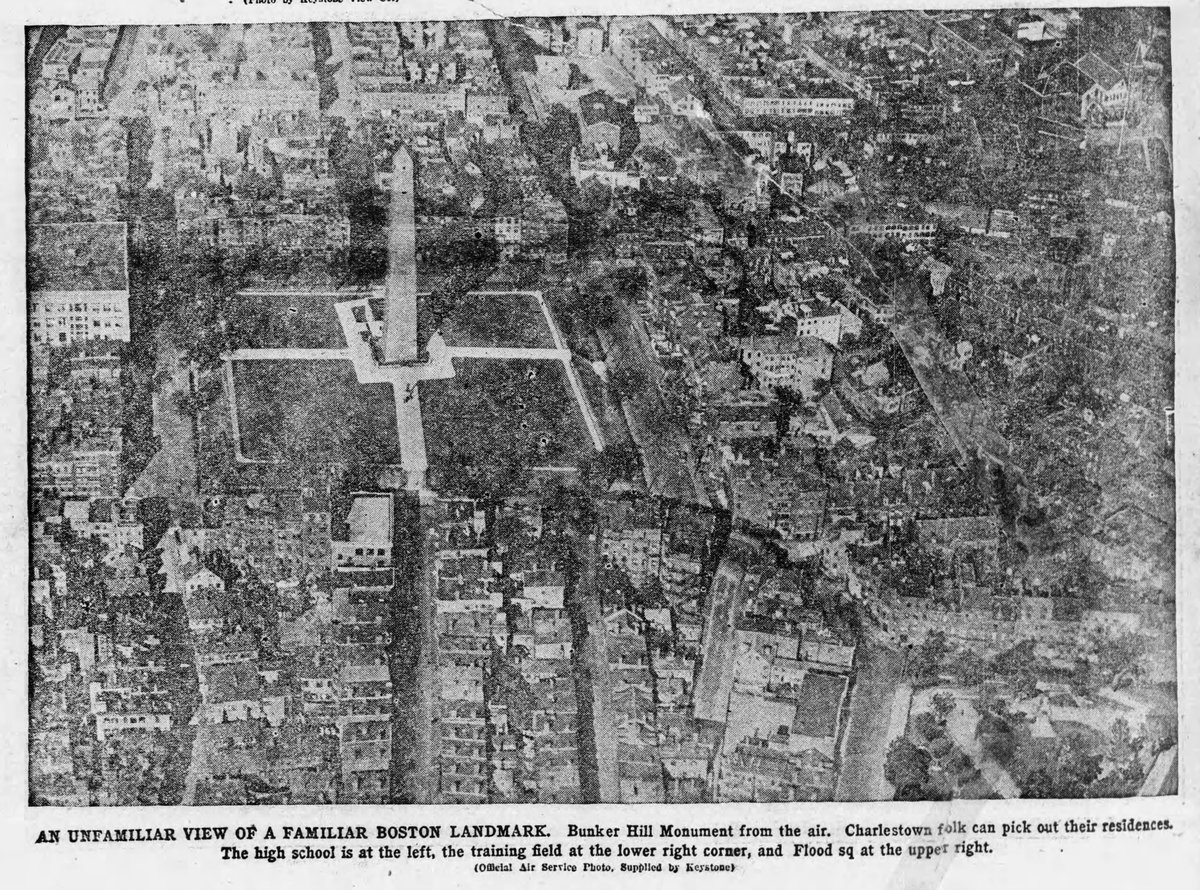
British troops captured Breed’s Hill at the Battle of Bunker Hill, but only after heavy losses against colonial fighters. Boston was already ringed by the Continental Army, and the costly assault strengthened the rebels’ resolve to hold the siege.
On March 17, British troops evacuated by sea after Continental forces fortified Dorchester Heights with artillery brought from Fort Ticonderoga. In July, the Declaration of Independence was read aloud from the Old State House balcony, above a crowd in the newly emptied city.
A new charter made Boston a city, and John Phillips became its first mayor. The change formalized government for a port whose population, commerce, and physical edges were already growing beyond the old town’s limits.
On January 1, William Lloyd Garrison published the first issue of The Liberator in Boston, calling for the immediate abolition of slavery. The small weekly newspaper helped make the city a center of radical antislavery organizing, and a target for fierce opposition.
The Great Famine drove tens of thousands of Irish newcomers to Boston, many of them poor, Catholic, and in urgent need of work. They reshaped neighborhoods and city politics, while nativist hostility made their arrival a hard contest over belonging.
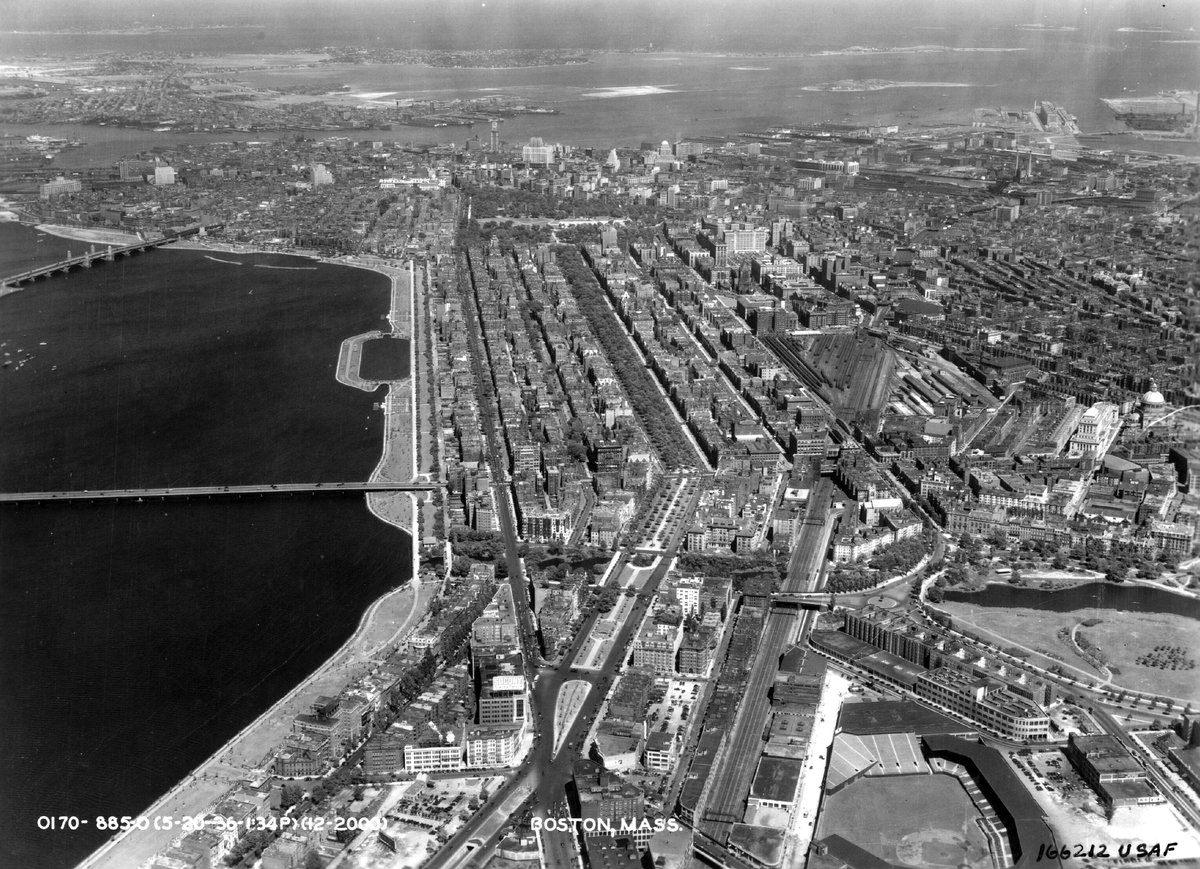
Boston began turning the tidal flats of Back Bay into buildable ground, hauling gravel by rail from Needham. The work eventually added more than 400 acres to the city; beneath the straight streets and brownstones lies an engineered shoreline.
Black soldiers mustered in Boston for the 54th Massachusetts Infantry, commanded by Colonel Robert Gould Shaw. The regiment became one of the Union Army’s best-known Black units, and its enlistment challenged the nation’s refusal to treat Black men as equal citizens.
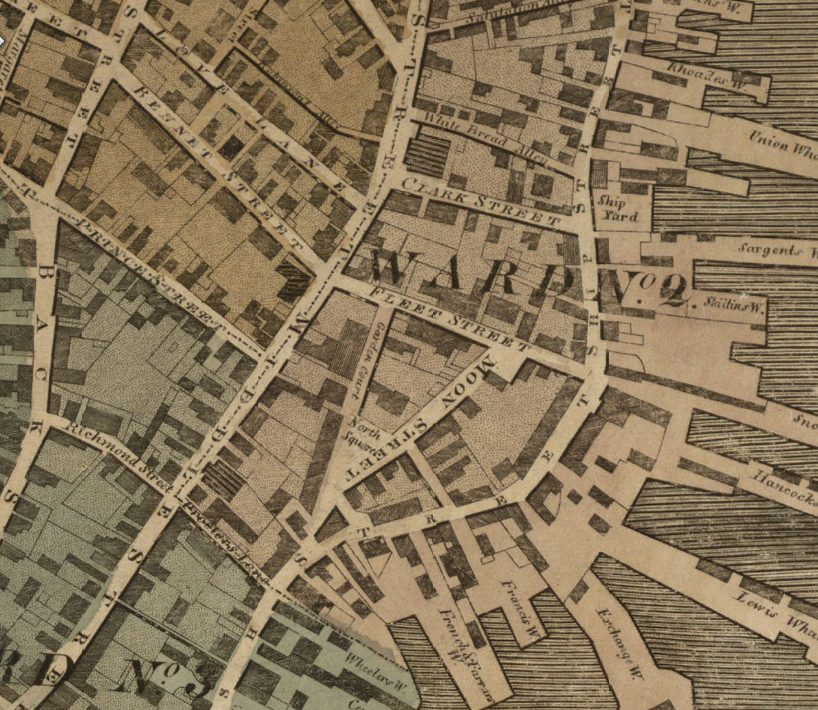
A fire tore through Boston’s commercial district, destroying about 776 buildings across 65 acres and killing roughly 30 people. The next morning, merchants surveyed smoking brick shells where offices and shops had stood; rebuilding changed the district’s streets and building rules.
The Tremont Street Subway opened on September 1, giving Boston the first underground rapid-transit tunnel in North America; its route remains part of the Green Line. Earlier that year, the city also held the first Boston Marathon, on April 19.
Isabella Stewart Gardner opened her museum in a Venetian-style palazzo built to hold her collection of paintings, sculpture, and decorative arts. Its glass-roofed courtyard brings a softer light into the galleries, a deliberate counterpoint to Boston’s colder stone institutions.
A storage tank ruptured in the North End, releasing about 2.3 million gallons of molasses into nearby streets. The wave killed 21 people and injured around 150; in winter cold, the sticky syrup clung to buildings, vehicles, and rescue workers.
A fire at the Cocoanut Grove nightclub killed 492 people, many trapped by crowded rooms and blocked exits. The disaster drove stricter fire-safety rules and changes in emergency medicine, with consequences that reached far beyond Boston.
Urban renewal cleared much of the West End, displacing thousands of residents and erasing a close-knit neighborhood of narrow streets and tenements. Around the same period, the elevated Central Artery cut through downtown, putting cars ahead of the city’s older street life.
A federal court ordered Boston to desegregate its public schools, and busing began amid angry demonstrations and violence, especially around South Boston High. The conflict exposed how deeply residential segregation and unequal schooling shaped daily life.
Two men dressed as police officers stole 13 works of art from the Isabella Stewart Gardner Museum, including paintings by Vermeer and Rembrandt. The works remain missing, and their empty frames still mark the spaces they left behind.
Boston completed the Central Artery/Tunnel Project, moving the elevated highway beneath downtown streets and opening new connections across the harbor. The Zakim Bunker Hill Bridge and the surface corridor later known as the Rose Kennedy Greenway made the city’s most ambitious road project visible in a different way: through the ground it gave back.
Two bombs exploded near the Boston Marathon finish line on Boylston Street, killing three people and injuring more than 260. A citywide manhunt followed, bringing a lockdown to Boston and nearby communities before the surviving suspect was captured.
Boston elected Michelle Wu as its first woman mayor and first person of color to hold the office. Her victory reflected a city whose political identity, like its shoreline, has been remade over generations.
Silversmith and Revolutionary patriot · 1734–1818
Lifelong Boston resident
Revere worked as a Boston silversmith before the ride that made him a Revolutionary icon; his North End house still stands near the route to Old North Church. Following those stops today makes the famous alarm feel less like a lone gallop and more like a citywide relay.
Poet · c. 1753–1784
Lived and published in Boston
Enslaved in Boston as a child, Wheatley became a poet whose first collection appeared in 1773. Her words entered a city arguing for liberty while denying it to her, a contradiction that still gives Boston’s Revolutionary story its sharpest edge.
Writer and poet · 1809–1849
Born in Boston
Poe’s Boston story begins at birth, long before the dark, unsettled tales that made his name. The city can claim that first chapter, but the stranger worlds he wrote belong to no single place.
Essayist and philosopher · 1803–1882
Born in Boston
Emerson was born in Boston and became a leading voice of Transcendentalism, a movement built around independent thought. He might recognize the city’s appetite for argument today, even as its old meeting rooms have given way to new stages for debate.
Poet and novelist · 1932–1963
Born in Jamaica Plain and attended a Boston University poetry workshop
Plath was born in Jamaica Plain and later attended Robert Lowell’s poetry workshop at Boston University, where Anne Sexton was also part of the circle. Boston’s neat rows of brick houses can seem a strange frame for the unsettled precision of her poems.
Where locals actually book dinner — not the tourist menus.
Small things that change how the city treats you.
The city, as it actually looks.




Yes, especially if you like American history, art museums, and a city best explored on foot. The Freedom Trail links 16 historic sites over 2.5 miles, while the Gardner Museum’s glass-roofed courtyard offers a quieter change of pace.
Plan on 3–5 days for the historic center, a major museum, and time by the river or harbor. Three days can cover the Freedom Trail and one or two museums; add days for a Salem trip or the Boston Harbor Islands.
Take the Silver Line SL1 from any Logan terminal to South Station; the inbound airport ride is free. A free Massport shuttle also connects the terminals to Airport Station, where you can take the Blue Line downtown.
The listed MBTA fares are $2.40 for a subway or trolley ride and $1.70 for a local bus ride. Contactless cards and mobile wallets work at gates and readers, but check the MBTA fare page for current prices.
Use ordinary city precautions and stay alert in crowded areas and on public transit. Keep valuables secured, choose well-lit routes late at night, and check MBTA service alerts; call 911 for emergencies.
It can be, particularly if you visit several ticketed museums: the listed adult admissions are $30 at the Museum of Fine Arts and $25 at the Gardner Museum. Walking the Freedom Trail and spending time in Boston Common or the Public Garden cost nothing; confirm current admission prices before you go.
330 places to discover


Showing 1–48 of 330 places
Saved and recently read places — kept on this device only.
Photos may have been resized or cropped.