

Founding and Early Development
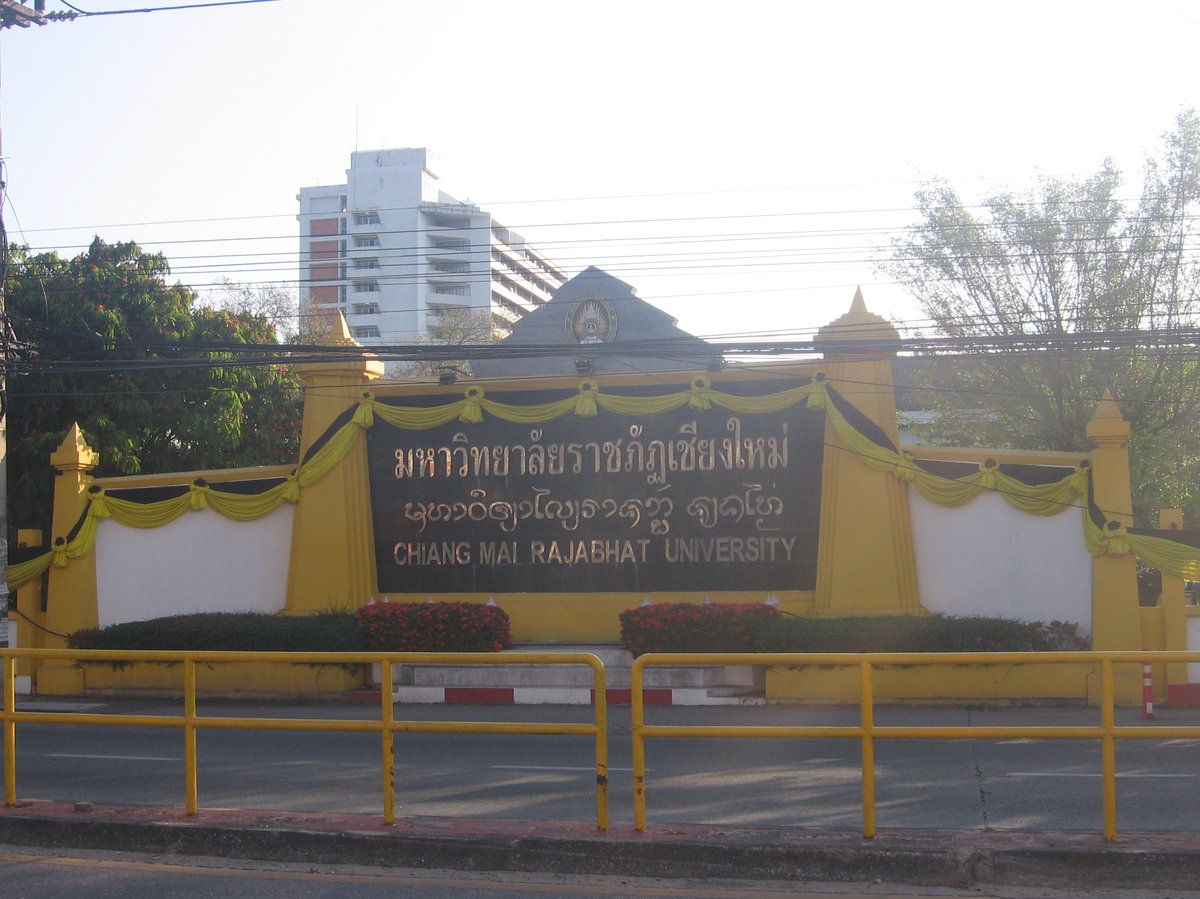
Chiang Mai Rajabhat University began its journey in 1924 as Chiang Mai Teachers College, part of national efforts to expand quality education beyond Bangkok. It initially specialized in training educators for the Lanna region, laying a foundation for the preservation and dissemination of Northern Thai culture.
Transition to University Status
In 1995, the institution was elevated to university status under the Rajabhat University Act, expanding its academic offerings to include the humanities, sciences, business, and technology. This transformation enabled CMRU to make significant contributions to regional development and cultural preservation (Chiang Mai Rajabhat University History).
Why Visit Chiang Mai Rajabhat University?
Cultural and Architectural Significance
CMRU’s campus is a visual treat, featuring traditional Lanna architectural elements—such as intricately carved wooden buildings, open courtyards, and tranquil gardens—alongside modern educational facilities. Its proximity to Chiang Mai’s Old City and the Ping River makes it a convenient destination for culture seekers.
Community Engagement and Cultural Events
CMRU is a vibrant cultural hub, regularly hosting events like the Lanna New Year and Loy Krathong festivals. Visitors can enjoy traditional performances, hands-on workshops, and exhibitions that celebrate local customs and crafts (CMRU Cultural Events).
Museums and Galleries
The university’s museums and galleries offer rotating exhibitions on regional art, history, and indigenous knowledge, making CMRU a must-visit for those interested in Northern Thai culture.
Visiting Information
Visiting Hours
- Campus Grounds Open to visitors daily from 8:00 AM to 6:00 PM.
- Visitor Center Monday to Friday, 9:00 AM to 5:00 PM.
- CMRU Monument Daily, 8:00 AM to 5:00 PM.
Admission and Tickets
- General Access Free of charge to campus and public areas.
- Special Exhibitions/Events May incur a nominal fee; check the university website for updates.
Guided Tours
- Availability By appointment through the Visitor Information Center (CMRU Visitor Information).
- Languages Tours provided in Thai and English; additional languages on request.
- Content Historical insights, architectural highlights, and an overview of cultural programs.
Accessibility
- Facilities Wheelchair-accessible paths, ramps, and elevators.
- Assistance Available upon request at the Visitor Center.
Dress Code and Visitor Etiquette
- Dress Modestly Cover shoulders and knees, especially during cultural or religious events.
- Photography Permitted in most outdoor areas; request permission before photographing individuals.
The CMRU Monument
Located centrally on the main campus, the CMRU Monument honors the university’s founding and its ongoing role in education and community development. The monument blends traditional Northern Thai architectural motifs with contemporary design, serving as a focal point for ceremonies and festivals.
Visiting Details
- Entry Free to the public.
- Guided Tours Weekdays, 9:00 AM to 4:00 PM, through the Cultural Heritage Department.
- Accessibility Wheelchair-friendly paths and designated parking.
Tips
- Combine your visit to the monument with a campus tour and nearby attractions.
- Visit during university event days for enhanced cultural experiences.
Campus Structure & Key Attractions
CMRU comprises four main campuses, each offering distinct experiences:
- Wiang Bua (Main Campus) Administrative offices, International College, and traditional Lanna architecture.
- Mae Sa Campus Suburban, quieter atmosphere, around 10km from city center.
- Mae Rim Campus Focused on education and cultural centers.
- Mae Hong Son Campus Extends the university’s reach into mountainous areas.
Notable attractions include student lounges, health clinics, sports facilities, and the Asian Institute for Community Economy and Technology (adiCET), a leader in green technology research.
Dining, Shopping, and Visitor Facilities
- Food & Drink Cafeterias, coffee shops, and convenience stores available on campus.
- Shops Bookstores and souvenir shops.
- Restrooms Easily accessible in public areas.
- Wi-Fi Free in designated zones.
Transportation and Parking
- Public Transport Red songthaews, tuk-tuks, and city buses connect CMRU to Chiang Mai’s key districts.
- By Car Limited parking available; use public transport when possible.
- Cycling/Walking Popular due to the city’s compact size.
- Shuttle Services Operate between CMRU campuses and nearby neighborhoods (Chiang Mai Transportation).
Frequently Asked Questions (FAQs)
Q: Is there an entrance fee to visit Chiang Mai Rajabhat University or its monument?
A: No, general access is free.
Q: What are the official visiting hours?
A: Campus grounds: 8:00 AM–6:00 PM daily; administrative offices: weekdays, 8:30 AM–4:30 PM; monument: 8:00 AM–5:00 PM.
Q: Are guided tours available?
A: Yes, arrange through the Visitor Information Center.
Q: Is the campus accessible for visitors with disabilities?
A: Yes, major facilities are wheelchair accessible.
Q: Are there places to eat and rest on campus?
A: Cafes, restrooms, and lounges are available.
Q: Can I take photographs?
A: Yes, in public areas; request permission for special facilities or events.
Practical Tips for Visitors
- Wear comfortable shoes and modest clothing.
- Bring sunscreen, a hat, and a reusable water bottle.
- Check the university’s website or social media for event schedules.
- Respect local customs when participating in cultural events.
- Visit during the cool season (November–February) for the most pleasant weather.
Related Articles
- Top Historical Sites to Visit in Chiang Mai
- Chiang Mai Travel Tips for First-Time Visitors
- Exploring Lanna Culture in Northern Thailand