
Historical Background
Origins and Early Development
Founded in the 19th century, Alameda Park was envisioned as a public garden and leisure space following the European trend of landscaped city parks. Its name, derived from the Spanish word for poplar, reflects the tree-lined avenues and shaded promenades that remain central to its design. The park’s proximity to the old town and the Cathedral established it early on as a favored gathering place (Tourist Platform).
Evolution Through the 19th and 20th Centuries
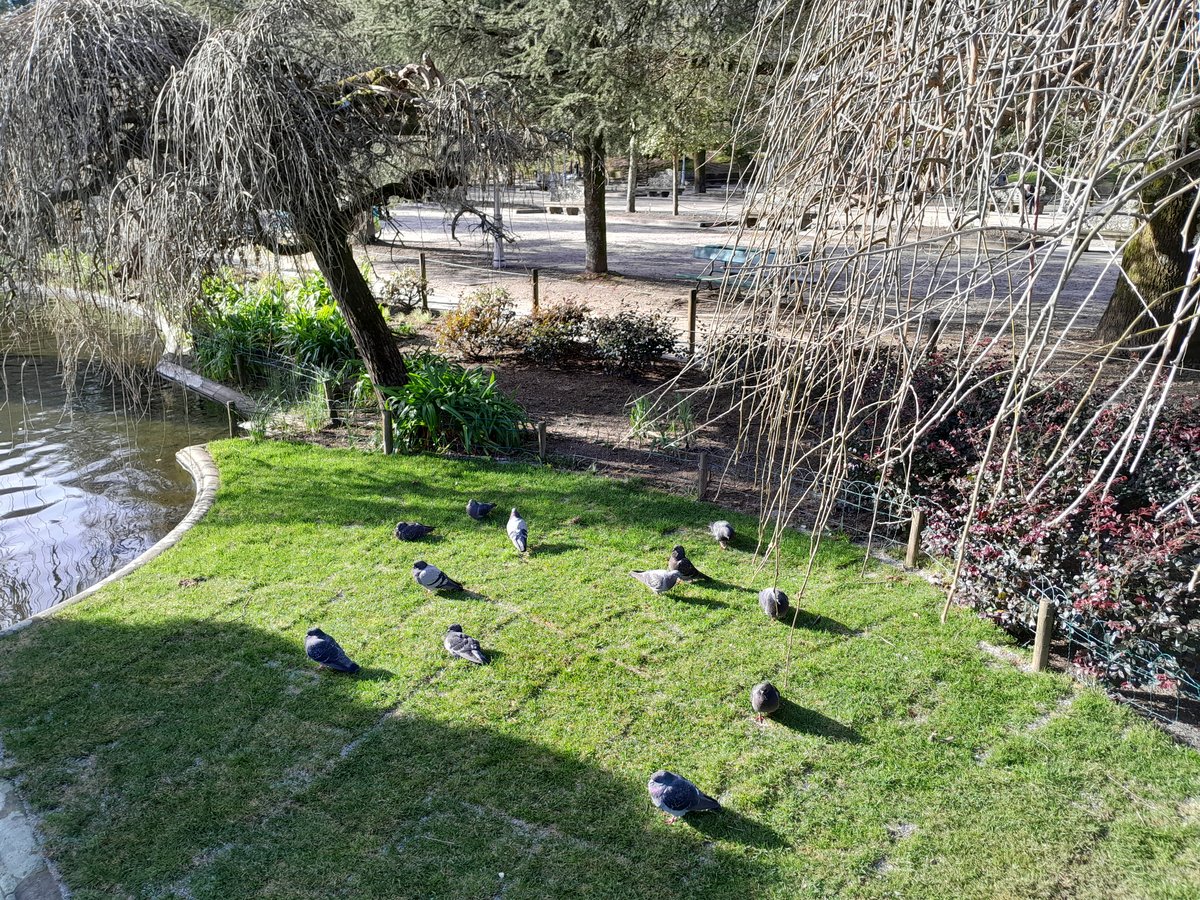
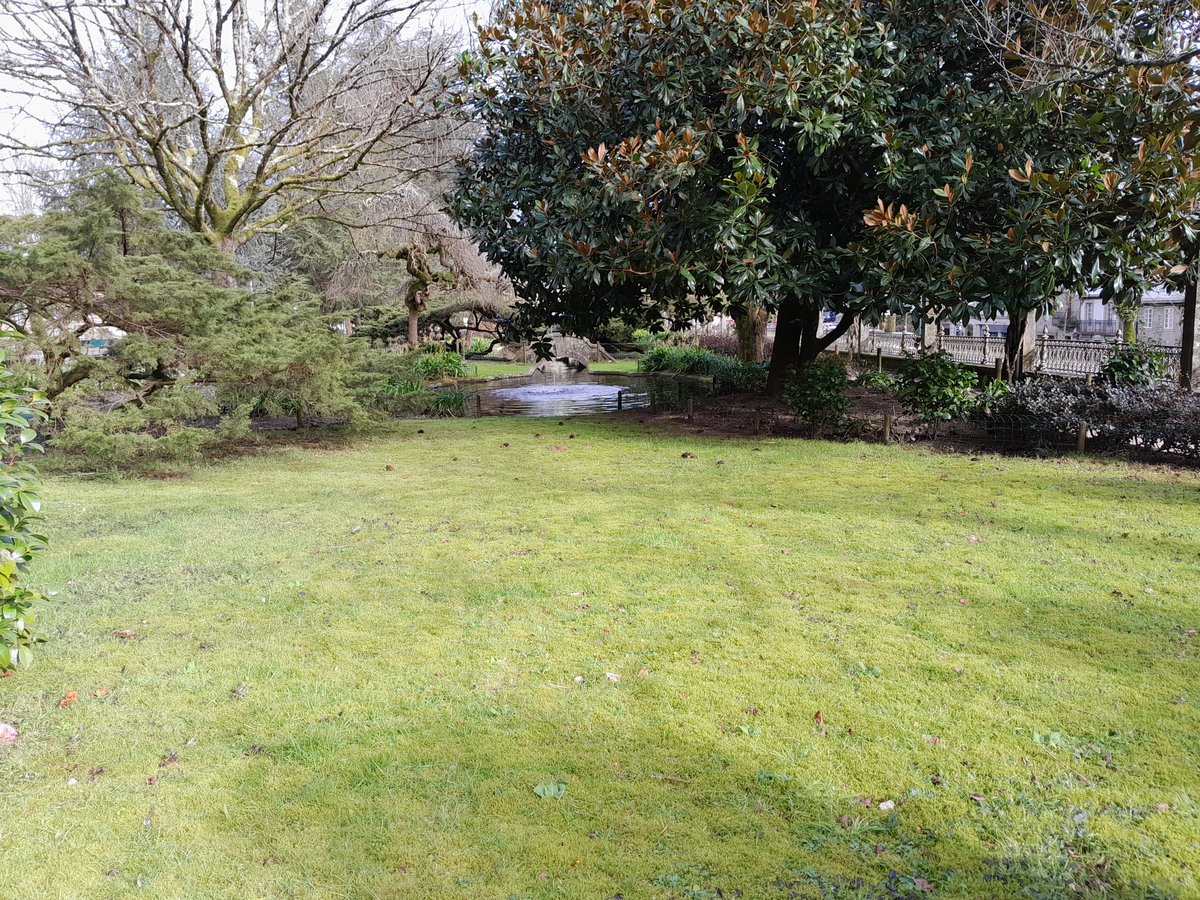
As Santiago modernized, Alameda Park became a backdrop for social events and public celebrations. Its wide avenues, historic bandstand, fountains, and monuments were gradually added, transforming the park into a dynamic blend of nature and culture (Packing Up The Pieces). The design also reflected a democratic spirit by providing a space where all social classes could mingle, even as subtle spatial separations lingered in the layout.
Cultural Significance and Social Role
Alameda Park is deeply woven into the life of Santiago. It hosts concerts, open-air theater, art exhibitions, and traditional Galician festivals, especially during summer. The park’s music kiosk (bandstand) is a focal point for live performances, while its shaded promenades and open lawns welcome daily exercise, family gatherings, and quiet contemplation (All Events Santiago). The park’s enduring popularity speaks to its role as both a civic and cultural anchor for the city.
The Two Marías: Symbol of Resistance and Freedom
A defining feature is the statue of “Las Dos Marías” (The Two Marías), honoring Maruxa and Coralia Fandiño Ricart. These sisters became local legends for their bright attire and daily walks during the Franco era, symbolizing individuality and resilience. Their statue, often repainted in vivid colors, remains a beloved photo spot and a testament to the community’s spirit (Andaspain; I Love Compostela).
Artistic and Architectural Highlights
The park features numerous monuments—including tributes to Rosalía de Castro and Ramón del Valle-Inclán—ornamental fountains, and 19th-century benches. The 12th-century Santa Susana Chapel and the Capilla de San Roque add religious and historical depth, while the Paseo da Ferradura offers panoramic views of the Cathedral and old town (Explorial; Packing Up The Pieces).
Visiting Information
Hours and Entry
- Opening Hours
Alameda Park is open daily from 7:00 AM to 10:00 PM in spring and summer, and from 8:00 AM to 8:00 PM in autumn and winter. Hours may vary slightly by season—check with Santiago Turismo for updates. - Entry
Admission is always free; no tickets are required.
Accessibility
- Paved, wide paths accommodate wheelchairs and strollers.
- Benches, shaded areas, and accessible restrooms are located throughout the park.
Getting There
- Location
Alameda Park is a 10-minute walk from the Cathedral via Rúa das Hortas and is also accessible by bus or taxi. - Parking
Nearby parking facilities are available for those arriving by car.
Nearby Attractions
- Cathedral of Santiago de Compostela
- Praza do Obradoiro
- University of Santiago de Compostela
- Mercado de Abastos
- Historic Old Town, with cafés and shops
Combine your park visit with a stroll through Santiago’s historic center for a complete experience (Caminoways).
Events, Activities, and Guided Tours
- Cultural Events
The park is a venue for concerts, open-air theater, and festivals, with highlights during the Feast of St. James in July (Follow the Camino). - Guided Tours
Occasional tours focus on the park’s history, sculptures, and hidden corners. Check with the official tourist office or local operators for schedules (Santiago Turismo).
Best Photo Spots
- Paseo da Ferradura
Horseshoe-shaped promenade with iconic city and cathedral views—especially magical at sunset (Winalist). - Miradoiro da Catedral
The best vantage point for capturing the cathedral’s spires and the red rooftops of the old town. - Las Dos Marías Statue
A vibrant symbol of local character and resilience. - Seasonal Camellia Gardens
Bursting with color from late winter through spring.
Practical Visitor Tips
- Best Time to Visit
Late winter to spring for camellia blooms; summer for festivals and concerts; sunset for photography. - Facilities
Restrooms, drinking fountains, and waste bins are available throughout the park. - Pets
Dogs are welcome but must be kept on a leash. Owners should clean up after their pets. - Weather
Santiago’s climate is mild but can be rainy—pack an umbrella or raincoat in spring or autumn. - Safety
The park is well-lit and considered safe at all hours.
Frequently Asked Questions (FAQ)
What are the opening hours of Alameda Park?
Alameda Park is open daily—generally from 7:00 AM to 10:00 PM in spring and summer, and 8:00 AM to 8:00 PM in autumn and winter.
Is there an entrance fee?
No, admission is free.
Are pets allowed?
Yes, pets are allowed but must be kept on a leash.
Is the park wheelchair accessible?
Yes, most main paths are flat and suitable for wheelchairs and strollers.
Are guided tours available?
Occasionally, especially during festivals or by arrangement with local guides.
What are the best nearby attractions?
The Cathedral, Praza do Obradoiro, Mercado de Abastos, and the old town are all within walking distance.