The University of Girona
The University of Girona (Universitat de Girona, UdG) is an academic institution in the heart of Girona’s medieval Old Town, in Catalonia, Spain. Its Barri Vell campus is surrounded by historic streets and is close to the Cathedral of Santa Maria, the Jewish Quarter and the Onyar River. The university combines historic buildings with modern facilities at Montilivi and the Science and Technology Park.
History
The university’s roots date to 1446, when King Alfonso V of Aragon established the Estudi General. It ceased operating after its closure in 1717, during a period of political turmoil, and was re-established in 1991. Revitalized in the 1990s, UdG is now a modern centre for learning and research, with community engagement and academic activity alongside its historic heritage.
What to see and do
Barri Vell and Les Àligues
The Barri Vell campus is set among Girona’s historic streets and landmarks. Its standout building is Les Àligues, a 16th-century Renaissance building that now houses the university’s rectorate. Its façade, balconies and courtyards reflect Girona’s architectural evolution and civic history (Les Àligues Monument Guided Tours).
Other visual highlights include the campus’s ancient stone façades and atmospheric courtyards, the colourful houses along the Onyar River, and the contemporary buildings and green spaces of the Montilivi campus. The Science and Technology Park supports research and entrepreneurship.
Events and public programmes
UdG promotes intercultural exchange and appreciation of local heritage. Visitors can participate in or observe castells (human towers) through the university’s Xoriguers group, take part in Catalan cuisine workshops featuring xuixos and regional wines, and explore nearby archaeological sites and local traditions (ATLAS Abstract Book, p. 60).
The university’s research includes tourism, sustainability and cultural studies. It also offers public lectures and international conferences open to visitors.
Practical visiting information
Hours and admission
- University historic buildings Generally open to visitors Monday through Friday, 9:00 AM to 6:00 PM. Hours may vary during holidays, exam periods and special events. Confirm current hours on the official UdG website.
- Les Àligues Typically open for guided tours or special events from 10:00 AM to 6:00 PM, Tuesday through Sunday. Check schedules, especially during local festivals.
- Admission Entry to most historic sites and university buildings is free. Some special events or exhibitions may require tickets, which can be reserved online or obtained at local tourist information centres. Les Àligues entry is free during tours; special exhibitions may require tickets.
Guided tours
Tours by appointment cover the university’s history, architecture and cultural significance. They are available in multiple languages, including English. Book through the UdG International Relations Office or local tourism offices.
Getting there and getting around
The main campus is in Girona’s Old Town, within walking distance of the Cathedral of Santa Maria and the Onyar River. Girona is accessible by high-speed train, bus or car; the high-speed train journey from Barcelona takes about 38 minutes (Toureaux.com). Girona-Costa Brava Airport connects to several European cities.
The city centre is compact and pedestrian-friendly, and most sites are within easy walking distance. Public parking is available near the Old Town, although parking near Les Àligues is limited. Walking or cycling is ideal for reaching the monument.
Accessibility and services
Most historic and modern university buildings have ramps, elevators and adapted restrooms. Les Àligues also has ramps and adapted facilities for visitors with mobility challenges. Free Wi-Fi and adapted facilities are listed campus-wide. Contact the university’s visitor services in advance about specific accessibility needs.
Information desks at main entrances provide maps and visitor support. On-campus cafeterias and local restaurants serve regional cuisine. Cafés, rest areas and information centres are also near Les Àligues.
Catalan and Spanish are spoken on campus; English is widely used in visitor services and international programmes. The university’s Science and Technology Park is generally restricted to academic and business purposes, though public open days and special events occasionally provide access.
Girona is described as safe and welcoming. Respect quiet zones and university regulations, especially during examination periods.
Tips for a memorable visit
- Check the UdG website for updated hours, ticketing and events.
- The best visiting periods are March–April and September–October. Temps de Flors in May is a standout event; consult the Girona Cultural Events Calendar.
- Early morning or late afternoon light brings out the stonework at Les Àligues.
- Consider combining the university visit with Girona’s museums, festivals and culinary experiences, and engage with students for cultural insights.
- Explore the Passeig de la Muralla for views of Girona and the Pyrenees (Toureaux.com).
- Digital tools such as the Audiala app can be used for self-guided explorations.
Nearby places
The university’s Old Town setting makes it easy to combine a visit with other Girona highlights:
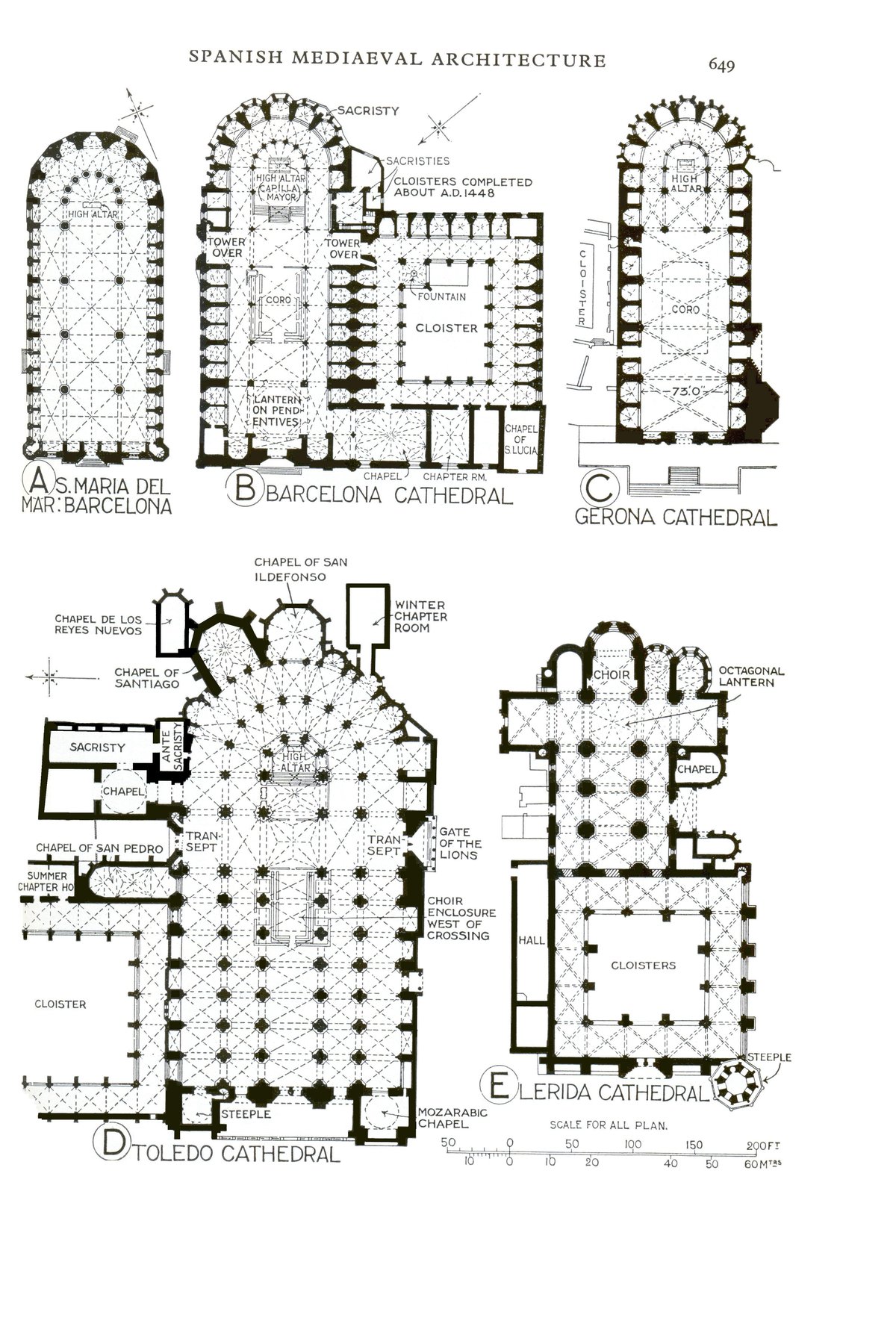
- Girona Cathedral Home to the widest Gothic nave in the world.
- Jewish Quarter (Call Jueu) Medieval streets and heritage museums.
- City Walls (Passeig de la Muralla) Panoramic views of Girona and the Pyrenees.
- Onyar River Colourful houses and university landmarks along its banks.
Frequently Asked Questions (FAQs)
What are the University of Girona’s visiting hours?
Most sites are open Monday to Friday, 9:00 AM to 6:00 PM. Check the official website for updates.
Is there an entrance fee?
General admission is free; special events or exhibitions may require tickets.
Are guided tours available?
Yes. Tours about the university’s history and architecture are offered by appointment in multiple languages.
Is the campus accessible for visitors with disabilities?
Most university facilities have accessibility features. Contact visitor services for details.
How can I book a tour?
Tours can be booked through the International Relations Office or at Girona tourist information centres.