History of Castelldefels
Roman Influence
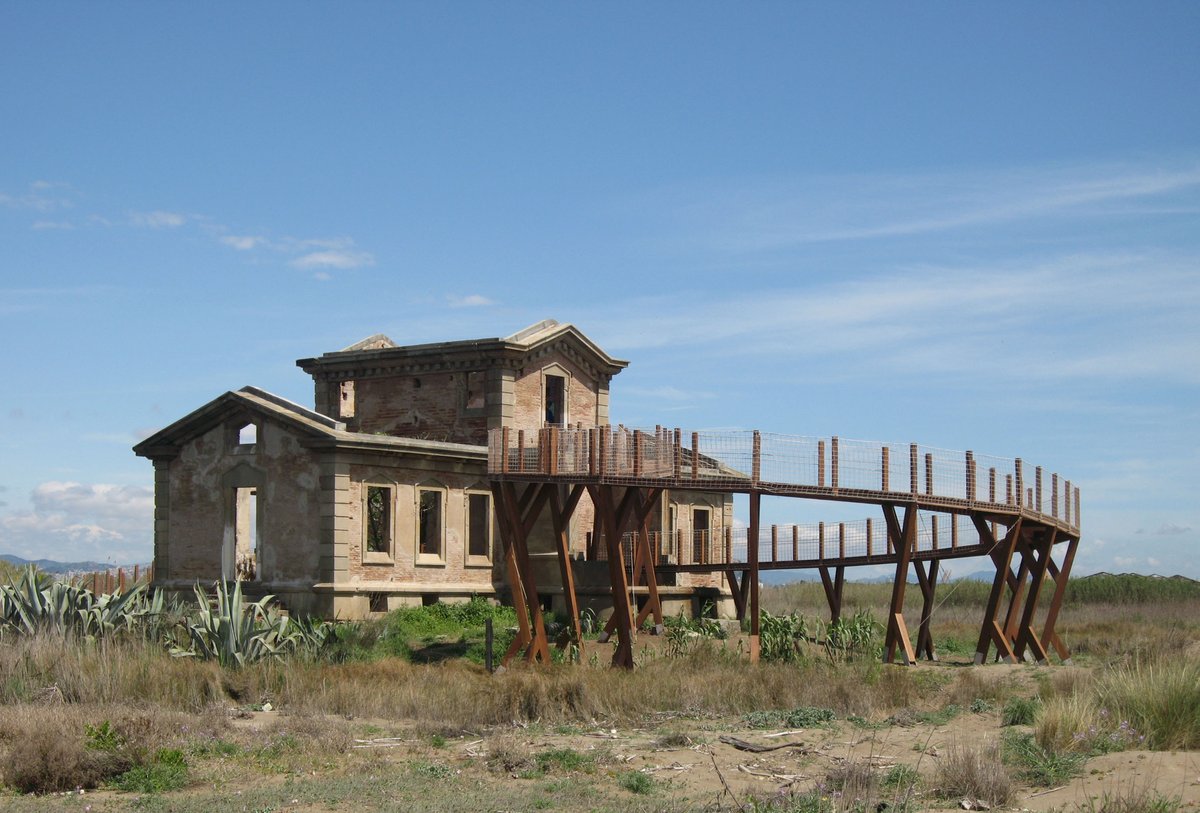
Castelldefels boasts a rich history dating back to Iberian settlements, with evidence pointing to its strategic importance even then. The Romans, recognizing the area's strategic location, established a presence. Remnants of their influence can still be seen today, with archaeological sites like the Castrum Fidelium offering glimpses into the past. This Roman heritage laid the foundation for Castelldefels' development.
Medieval Period
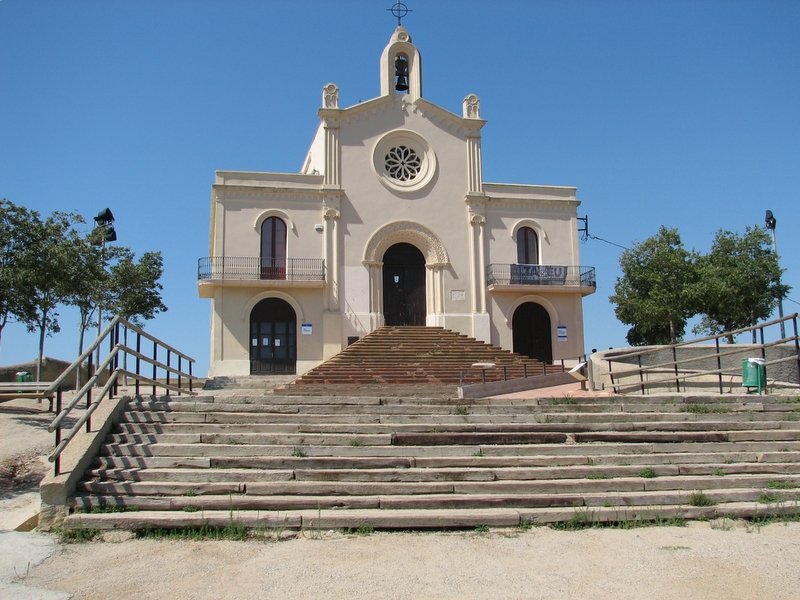
During the Middle Ages, Castelldefels faced the constant threat of pirate raids. To protect themselves, the inhabitants constructed a series of watchtowers and a castle, which gave the town its name – Castelldefels, meaning "Castle of Fels." The Castelldefels Castle, standing proudly to this day, serves as a reminder of this turbulent yet fascinating period.
19th and 20th Centuries
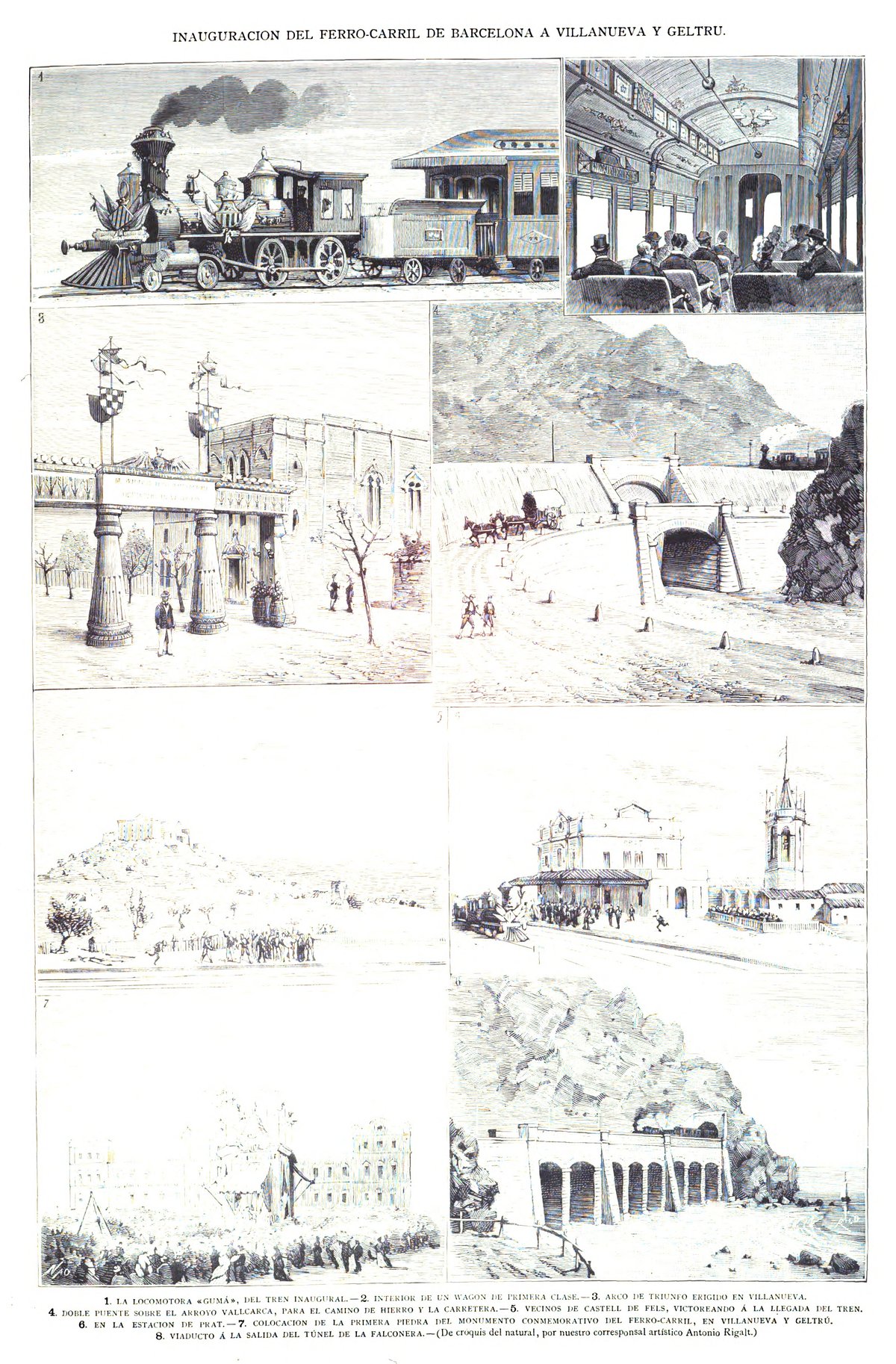
The 19th century brought about significant changes with the arrival of the railway, connecting Castelldefels to Barcelona and facilitating trade and tourism. The town gradually transformed from a small fishing village into a popular destination for wealthy Barcelona residents seeking seaside retreats. This period saw the construction of elegant villas and the development of the town's tourism infrastructure.
La Pleta - A Modern Neighborhood
Residential Development
La Pleta likely emerged as a primarily residential area during the 20th century, catering to the increasing demand for housing driven by tourism and Castelldefels' proximity to Barcelona.
Tourism and Amenities
As Castelldefels flourished as a tourist destination, La Pleta benefited from the town's overall development. The presence of amenities like shops, restaurants, and recreational facilities in and around La Pleta points towards its integration into Castelldefels' thriving tourism industry.
Significance of La Pleta Today
Tranquility and Proximity
Its location offers residents and visitors the best of both worlds – a peaceful escape from the city while remaining well-connected to Barcelona and its attractions.
Local Life
La Pleta provides a glimpse into the local life of Castelldefels, away from the main tourist hubs. Exploring its streets, interacting with residents, and experiencing the local culture can offer a unique perspective on this charming coastal town.
Visitor Information
Visiting Hours
La Pleta, being a residential neighborhood, does not have specific visiting hours. However, visitors can explore the area at any time.
Ticket Prices
There are no ticket prices for visiting La Pleta as it is an open residential area. However, if you plan to visit nearby attractions such as the Castelldefels Castle, check their official websites for ticket prices and visiting hours.
Accessibility
La Pleta is accessible by public transportation from Barcelona. Buses and trains frequently run between Barcelona and Castelldefels, making it easy to visit this serene neighborhood.
Nearby Attractions
- Castelldefels Castle - A historical site offering panoramic views of the area.
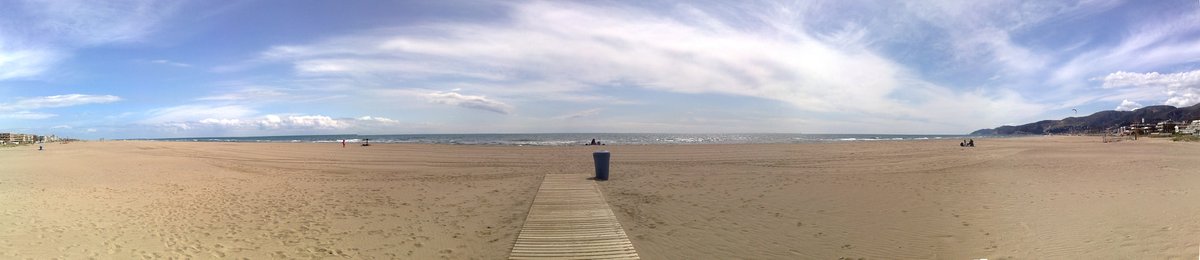
- Castelldefels Beach - A long stretch of sandy beach perfect for relaxation and water sports.
- Garraf Natural Park - A natural reserve ideal for hiking and nature walks.
Travel Tips
Best Time to Visit
The best time to visit La Pleta and Castelldefels is during the spring and summer months when the weather is pleasant.
Local Cuisine
Don't miss trying local seafood dishes at the nearby restaurants.
Stay Connected
Consider staying in Castelldefels for a few days to fully experience its charm and proximity to Barcelona.
FAQs
Q: Is La Pleta suitable for families?
A: Yes, La Pleta is a peaceful residential area ideal for families.
Q: How far is La Pleta from Barcelona?
A: La Pleta is approximately 20 km from Barcelona, easily accessible by train or bus.
Q: Are there any guided tours available in La Pleta?
A: While there are no specific guided tours for La Pleta, you can find tours that include visits to Castelldefels and its attractions.