
What the University of A Coruña Is
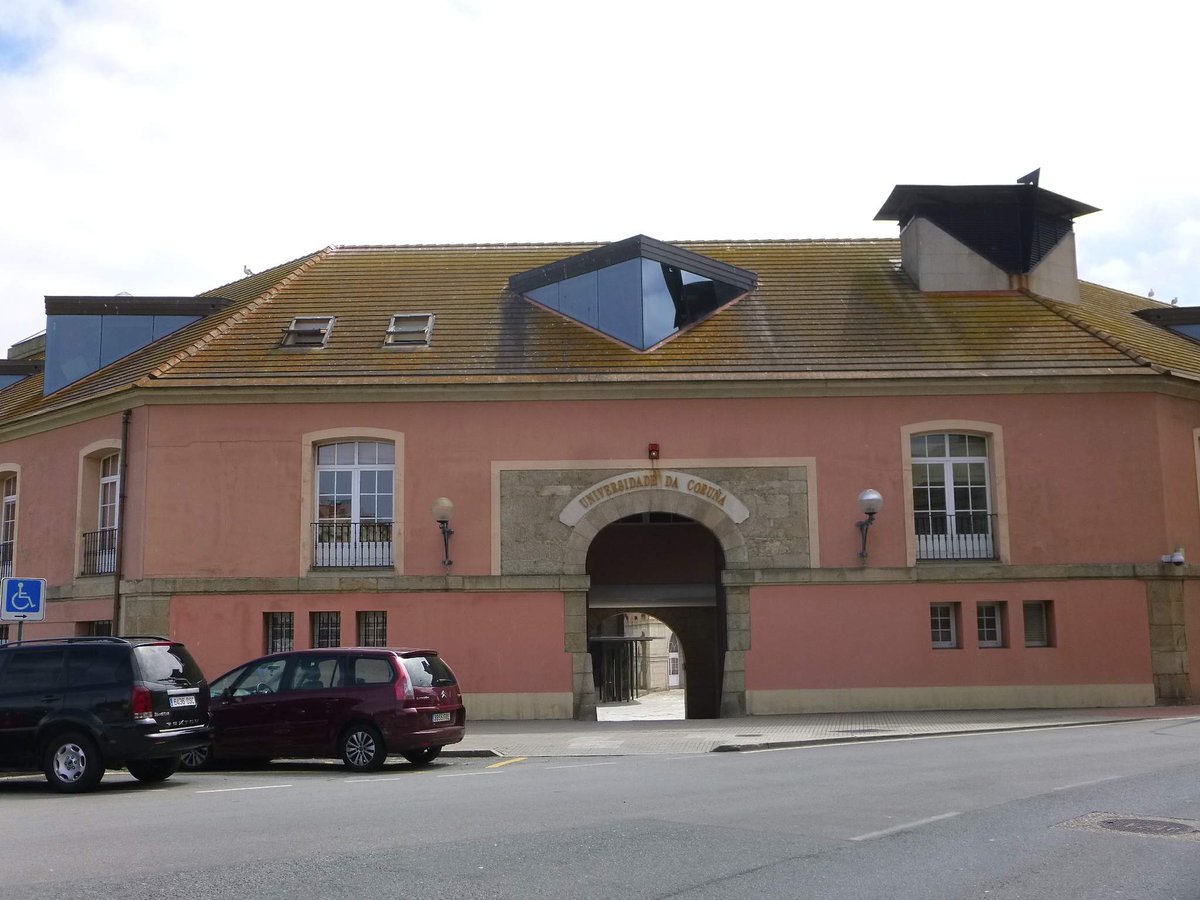
The University of A Coruña (Universidade da Coruña, UDC) is a modern academic and cultural institution in Galicia, Spain. Its campuses in A Coruña and Ferrol combine research and sustainability initiatives with Galician heritage and are integrated into the cities’ urban and cultural landscapes.
UDC’s academic portfolio is particularly strong in maritime, engineering, and digital disciplines. The university also hosts exhibitions, lectures, and community events. Its location near landmarks including the Tower of Hercules makes it a starting point for exploring A Coruña.
History
UDC was established in 1989 under the Galician Universities Law 11/1989. Its mission is to advance Galicia’s social, cultural, and linguistic identity in a European and international context.
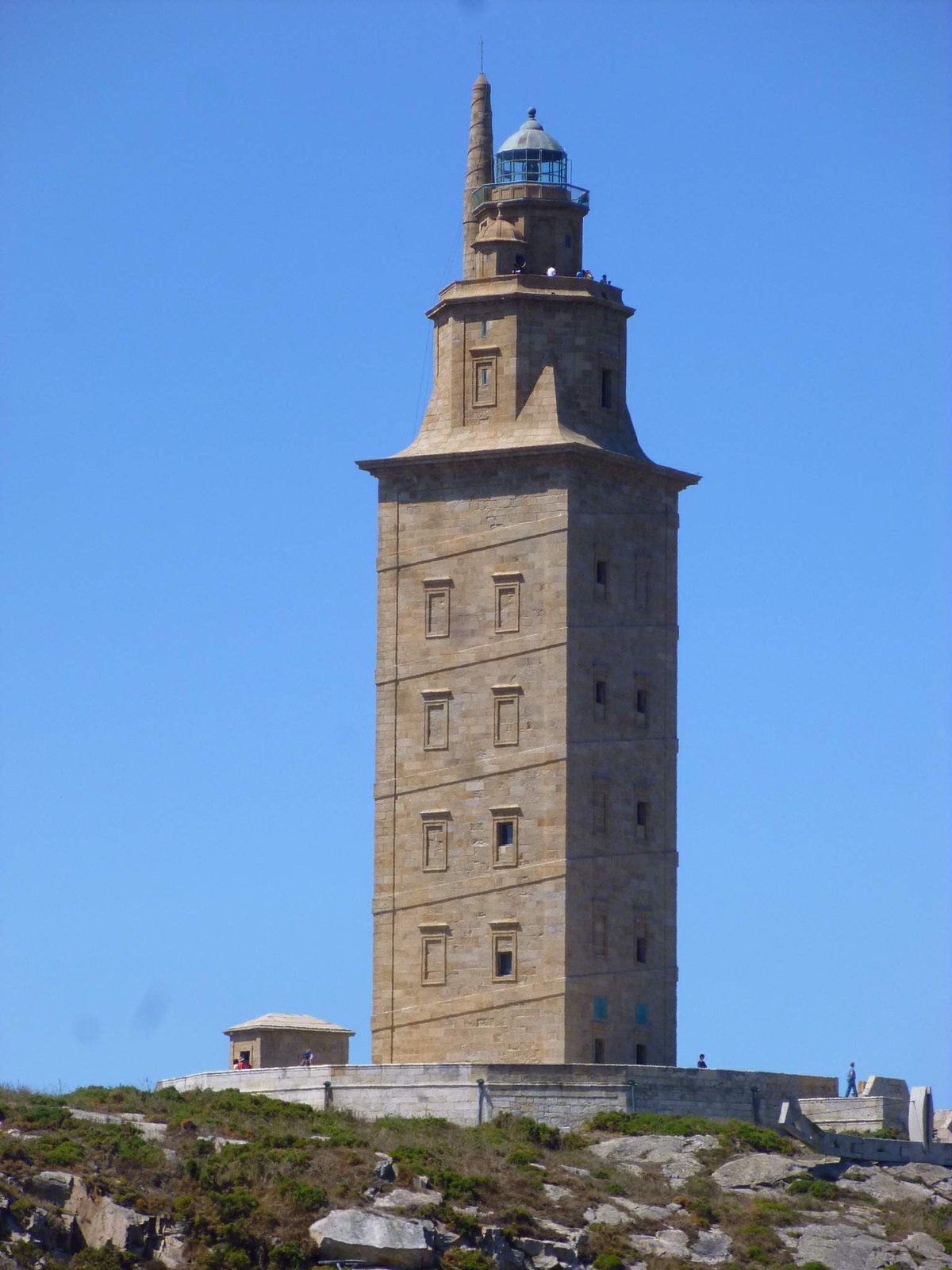
The Tower of Hercules, a symbol of A Coruña’s maritime heritage, was built in the 2nd century AD. It is a UNESCO World Heritage Site and the world’s oldest functioning Roman lighthouse (Tower of Hercules Official).
What to See
University Campuses and Facilities
A Coruña Campus
- A central, urban setting close to beaches and landmarks, with direct access to city amenities and public transport (StandYou).
- Modern lecture halls, research labs, and computer rooms.
- 17 libraries with more than 804,000 books and 9,000 journals.
- Student residences: Elvira Bao, Rialta, and Siglo XXI.
- Dining canteens, sports centers, and arts spaces (Estudos UDC).
Ferrol Campus
- Specialties include industrial engineering, nautical science, and health sciences.
- Facilities include specialized labs, simulation centers, and smaller-scale residences.
UDC offers undergraduate and postgraduate degrees in sciences, humanities, engineering, health, business, architecture, and other fields. It also has doctoral programs with competitive entry and a strong research focus, and specialized cross-disciplinary training through institutes such as CITIC (CITIC Contact).
University support services include an International Office for visa and residence help; a Language Center offering Spanish, Galician, and English, as well as exam preparation; on-campus counseling and health services; career services for internships, placement, and skills workshops; and diversity and inclusion programs (Estudos UDC).
Student life includes sports clubs, arts, student associations, and campus-wide Wi-Fi (StandYou, Estudos UDC).
The Tower of Hercules
The Tower of Hercules is a UNESCO World Heritage Site and a landmark of A Coruña. Its visitor grounds and visitor center are accessible, while climbing the tower involves stairs.
A Coruña City Highlights
- A Coruña’s Galerías Iconic glass-enclosed balconies.
- María Pita Square The heart of city life, surrounded by cafes and historic buildings.
- Other sights Aquarium Finisterrae, Castle of San Antón, Riazor and Orzán beaches, open-air markets, and tapas bars (Galicia Travels, The Orange Backpack).
Practical Visiting Information
University Hours, Admission, and Tours
- General campus hours Monday–Friday, 8:00 AM–8:00 PM. Libraries, research centers, and exhibition spaces may have different hours; check the UDC Events Calendar ahead of your visit.
- Admission Campus entry is free. Special events, exhibitions, or workshops may require registration or tickets.
- Guided tours Book through the International Office or CITIC Contact page. Advance booking is recommended for groups.
Accessibility
All main campuses feature ramps, elevators, and reserved parking. Visitors with disabilities should contact UDC in advance to arrange any special accommodations.
Getting to A Coruña
Alvedro Airport is 15 minutes from the city center. City buses and regional trains provide access around the area.
Spanish and Galician are official languages; English is also widely spoken in academic settings.
The Tower of Hercules: Hours, Tickets, and Access
- April–September 10:00 AM–8:00 PM.
- October–March 10:00 AM–6:00 PM.
- Tickets Adults €5; concessions €3; children under 12 free (Buy Tickets Online).
- Guided tours are available in multiple languages.
- The tower is 2.5 km from the city center. Visitors can walk along the scenic promenade, take a city bus, or drive; parking is limited.
Tips
Spring and early autumn offer mild weather and cultural events. Wear comfortable shoes, especially when walking between the university and nearby attractions.
For the Tower of Hercules, early morning or sunset is best for photography. Check the official site for holiday hours; online booking is recommended in peak seasons.
Visitors can combine campus exploration with visits to local landmarks, sample Galician cuisine in nearby cafes, and take part in the city’s festivals and public events. The Audiala app offers interactive guides, event notifications, and campus maps. UDC and the Tower of Hercules also share updates on social media.
Nearby Places and Accommodation
Near the Tower of Hercules are the Parque Escultórico sculpture park, Orzán and Riazor beaches, and the A Coruña Aquarium.
Accommodation options include UDC residences, which are described as affordable, central, and inclusive; private apartments and shared housing; city hotels; and boutique accommodations in the historic center.
Useful Links
- University of A Coruña Official Website
- CITIC Contact
- Galicia Travels: Explore A Coruña
- Tower of Hercules Official
- A Coruña Tourism Board
- Buy Tickets Online for Tower of Hercules
- Public Transport in A Coruña
- The Orange Backpack: Things to Do in A Coruña
- University of A Coruña Cultural Events
Frequently Asked Questions
What are UDC’s visiting hours?
The general campus hours are Monday–Friday, 8:00 AM–8:00 PM. Individual buildings may have different hours.
Is there a campus entrance fee?
No. Campus access is free; special events may require tickets or registration.
Are guided tours available?
Yes. Tours can be booked through the International Office or CITIC Contact.
Are campus facilities accessible?
All main campuses have ramps, elevators, and reserved parking. Contact UDC in advance about specific needs.
Where can I stay?
Options include UDC residences, private apartments and shared housing, city hotels, and boutique accommodations in the historic center.