Historical Background of Stepan Makarov
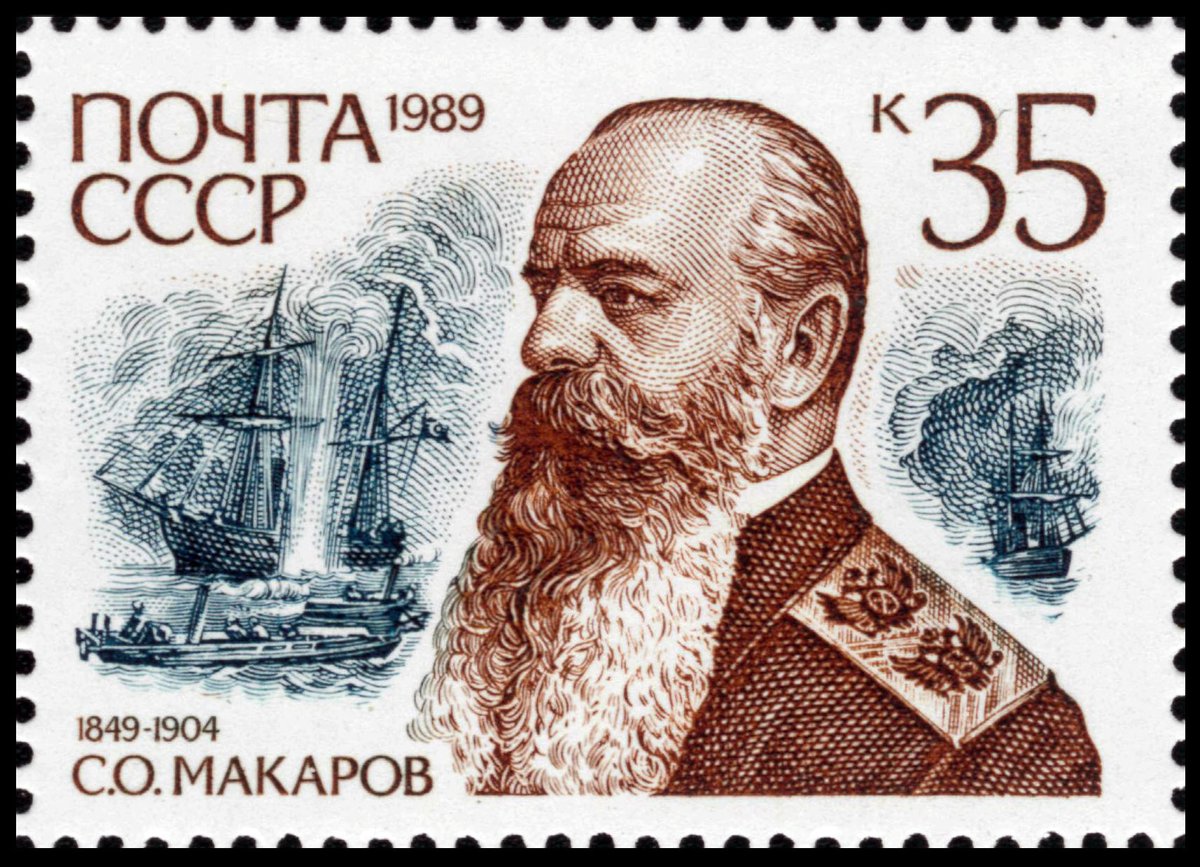
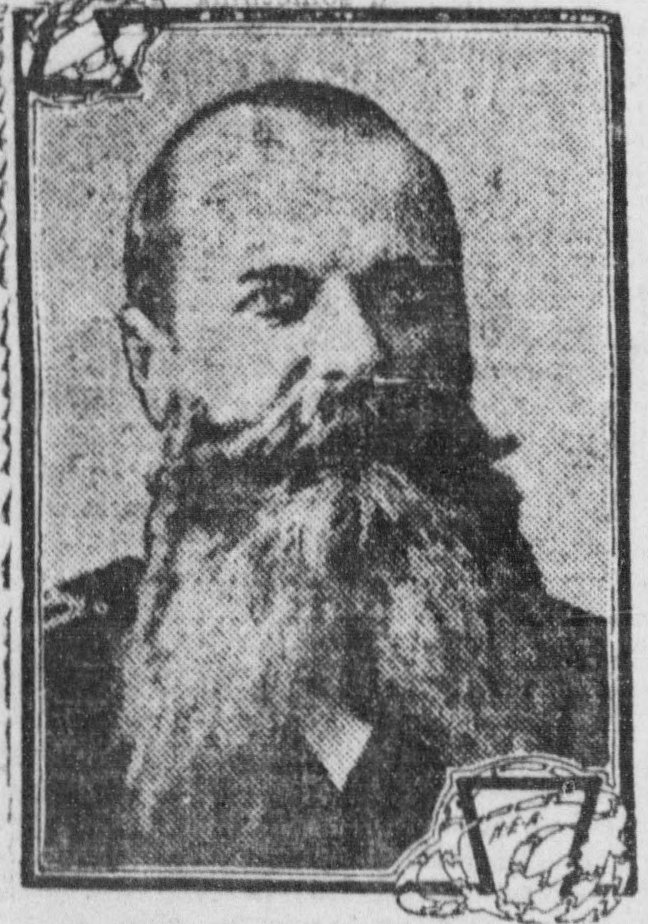
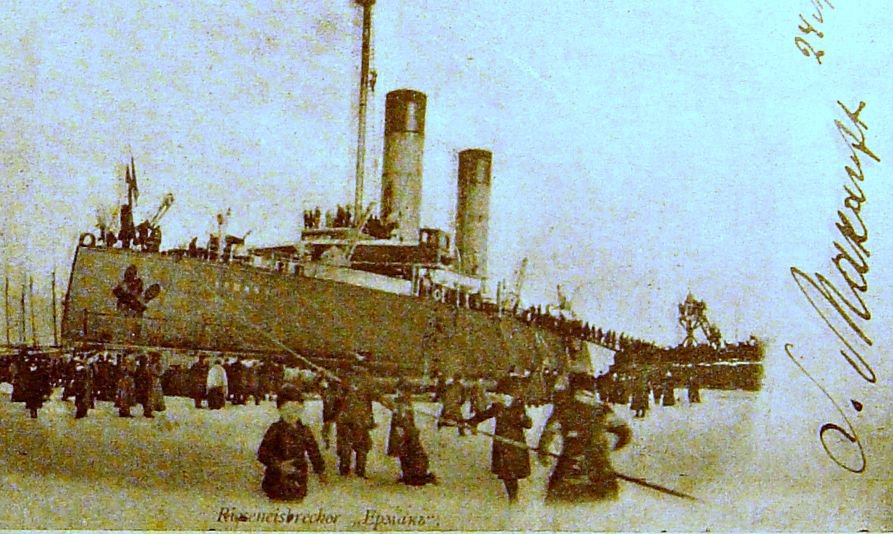
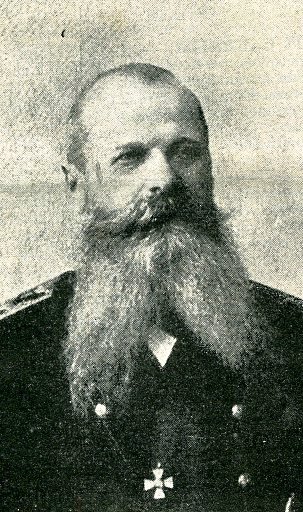
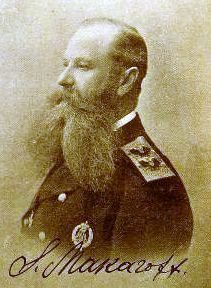
Admiral Stepan Makarov was a visionary leader whose innovations modernized the Russian Navy. Born in Nikolaev (now Mykolayiv, Ukraine), he pioneered several key naval technologies, including the collision mat for ship repairs and leading the construction of the world’s first polar icebreaker, "Ermak." His scientific advancements extended to oceanography and naval warfare tactics, influencing Russian maritime operations for decades (Tripomatic).
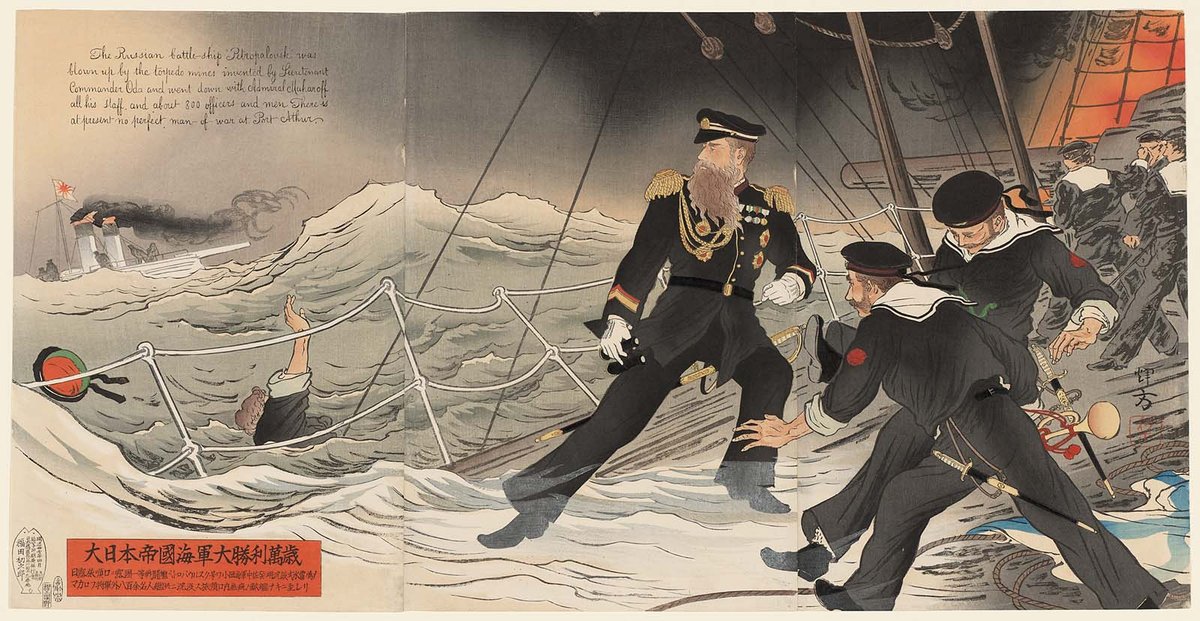
Makarov’s career was marked by distinguished service in the Russo-Turkish War (1877–1878) and the Russo-Japanese War (1904–1905), where he ultimately lost his life commanding the Pacific Squadron at Port Arthur. His leadership, courage, and technical expertise have been honored across Russia, with the Vladivostok monument serving as a focal point for remembrance.
The Stepan Makarov Monument: Location & Features
Located in Stepan Makarov Square in central Vladivostok, the monument is a striking bronze statue atop a granite pedestal, depicting Admiral Makarov in full naval regalia, gazing solemnly toward the sea. Maritime motifs and inscriptions celebrate his achievements and lasting influence on Russian naval history.
The square is beautifully landscaped, with benches and pathways for quiet reflection and photography. Its proximity to the waterfront and other cultural landmarks makes it a popular stop for both locals and tourists.
Visiting Hours and Tickets
- Opening Hours The monument and surrounding square are accessible 24/7, year-round, as they are in a public outdoor space.
- Admission Free of charge; no tickets are required.
- Guided Tours Available through local operators and often included in comprehensive city or maritime heritage tours (Vladivostok Maritime Museum).
Directions and Transportation
- By Foot The monument is within walking distance of Vladivostok’s city center, main hotels, and the waterfront.
- Public Transport Buses and trams connect major city points to the monument area.
- By Car Limited parking is available nearby. Taxis and ride-hailing services (Yandex Go, Maxim) are convenient alternatives.
Nearby Historical and Cultural Sites
Enhance your trip with visits to:
- Vladivostok Fortress A network of late 19th-century military fortifications, some of which are open as museums (Military Review).
- Vladivostok Maritime Museum Features exhibits on naval history, exploration, and technology (Vladivostok Maritime Museum).
- Eagle’s Nest Hill Offers panoramic views of the city and Amur Bay.
- Arsenyev Museum Focuses on regional history and culture.
- Tigrovaya Hill & Seafront Promenade Ideal for scenic walks and city views.
Travel Tips and Visitor FAQs
- Best Time to Visit May to September provides mild weather and lively city events.
- Photography The monument and square offer excellent photo opportunities, especially during daylight.
- Accessibility The square is generally accessible, though some adjacent streets may be steep or uneven.
FAQs:
- Is the monument accessible 24/7? Yes.
- Is there an entrance fee? No, it is free to visit.
- Are guided tours available? Yes, via local tour companies and the Maritime Museum.
- Is the monument wheelchair accessible? Generally, yes, but some nearby areas may present challenges.
Visiting the Stepan Makarov Fortress and Vladivostok Fortress Complex
The greater fortress complex spans over 400 square kilometers, encompassing forts, batteries, and underground structures. Notable sites include:
- Stepan Makarov Battery A well-preserved coastal artillery position with panoramic bay views.
- Voroshilov Battery Features underground tunnels and gun emplacements on Russky Island.
- Bezymyannaya Battery Museum Offers detailed exhibits on fortress history and military technology.
Visiting Hours: Generally Tuesday–Sunday, 10:00–18:00 (last admission 30–60 minutes before closing). Some sites require advance booking and may have seasonal hours.
Tickets: Admission ranges from 200–500 rubles. Discounts are available for students, children, and groups. Purchase tickets onsite or online via official channels (Go Russia Travel Guide).
Guided Tours: Highly recommended for historical context and access to restricted areas. English-language tours are available at major sites by prior arrangement.
Accessibility, Safety, & Cultural Etiquette
- Mobility Some fortress sites have uneven terrain; sturdy footwear is advised.
- Safety Vladivostok is generally safe, but use standard precautions. Fortress sites may have hazardous areas—heed all safety signage.
- Cultural Respect The monument and fortress are symbols of national heritage. Respect posted rules; avoid climbing or removing anything from the sites.
- Language Russian is the primary language; translation apps or phrasebooks are helpful.
Special Events and Seasonal Highlights
- Military Fleet Day (late July) Features parades and ceremonies at the monument and along the waterfront.
- Fortress Day (August 30) Commemorates Vladivostok’s designation as a fortress, with reenactments and guided tours.
- Naval and historical festivals Occur periodically throughout the year.