

Braniewo
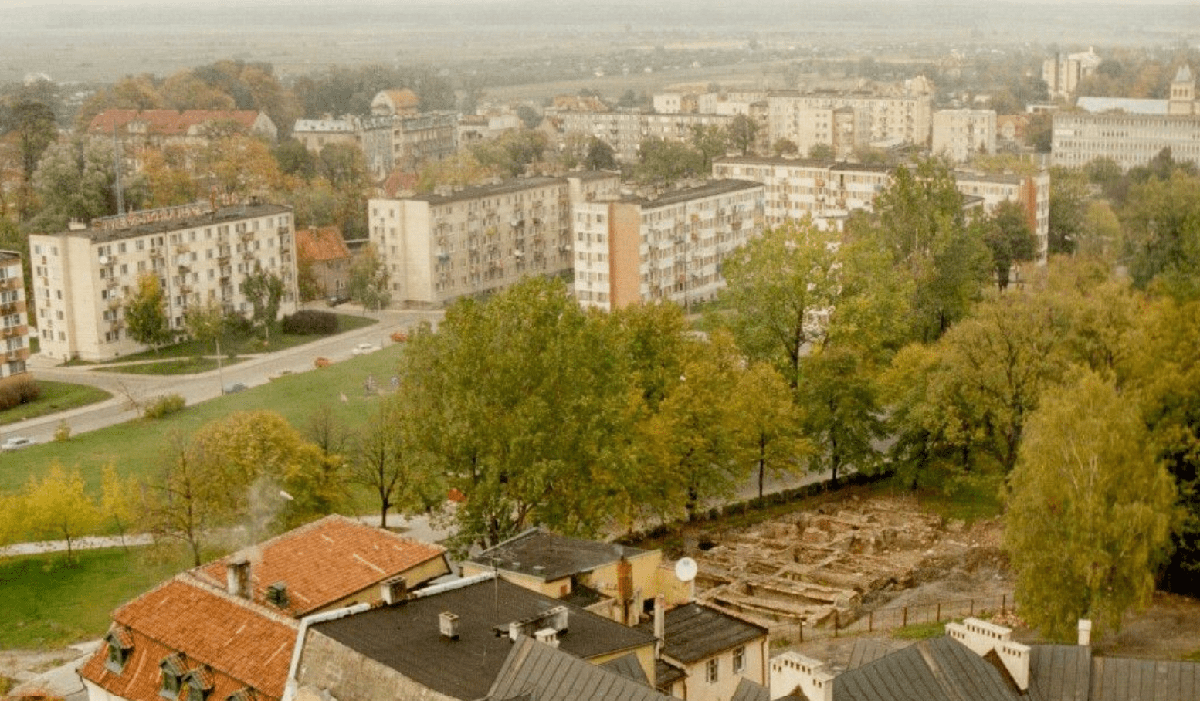
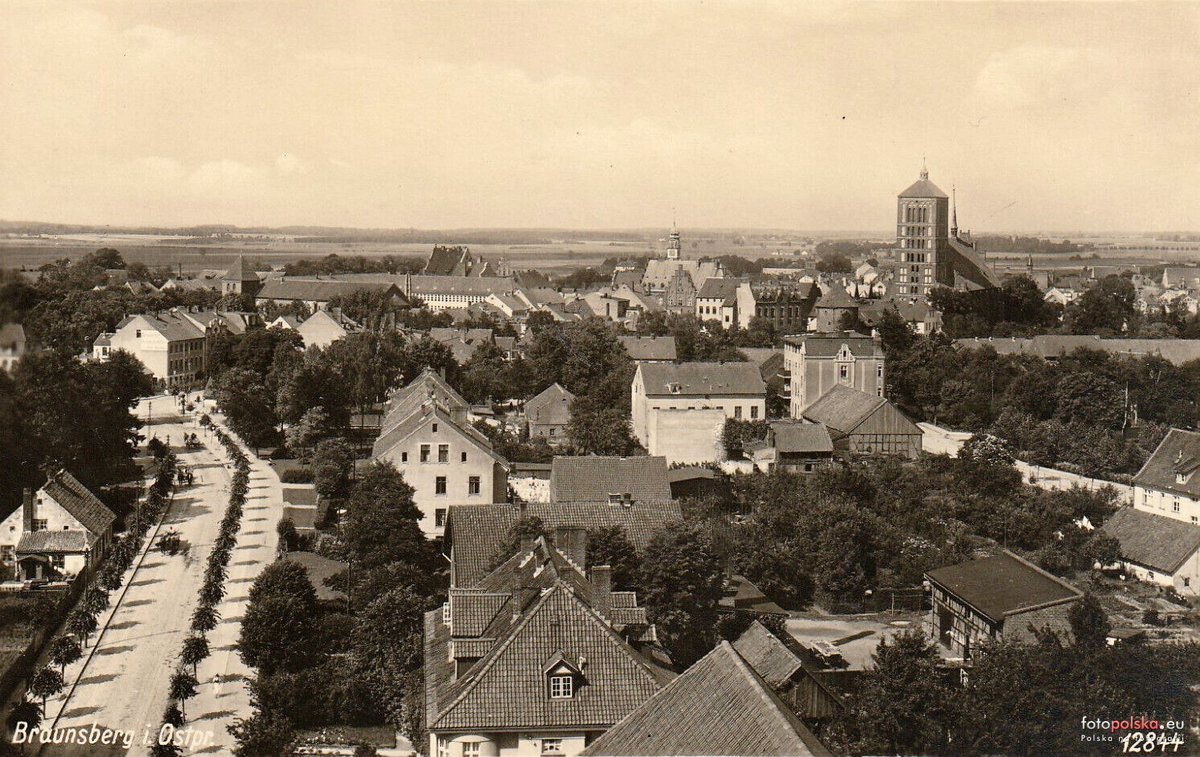
Braniewo is a town in Poland’s northern Warmian-Masurian Voivodeship. Founded in 1240 by the Teutonic Knights as Braunsberg, it developed from a medieval stronghold into a town known for its architectural heritage, religious significance and cultural life. Its landmarks include Gothic churches, the Collegium Hosianum and remnants of medieval fortifications (Braniewo official website).
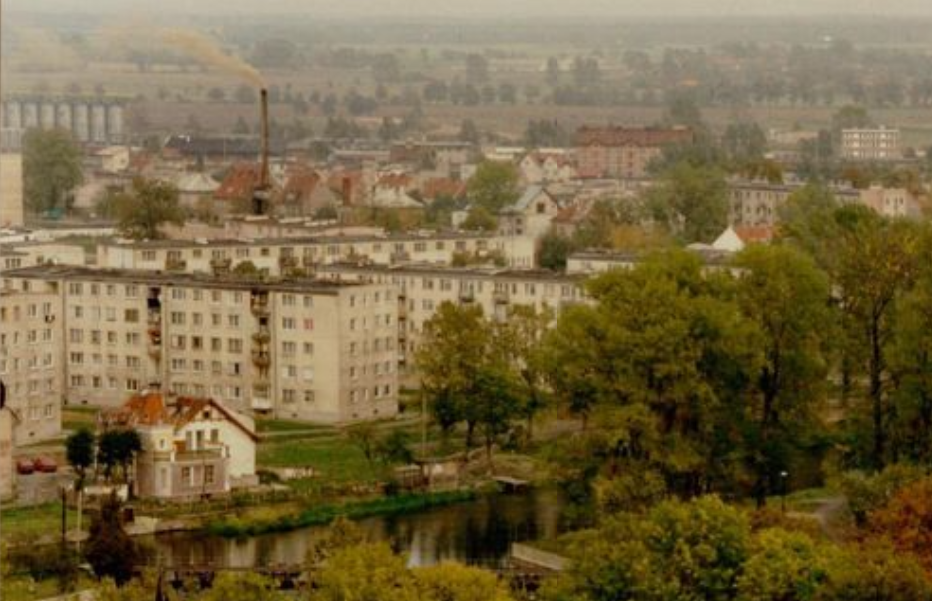
The town lies by the Pasłęka River, near the Vistula Lagoon and the Baltic Sea. Wetlands, forests and Natura 2000 protected areas in the surrounding region support outdoor activities and wildlife, including birdwatching, hiking, cycling and water sports (TouristPlaces.Guide).
History and cultural heritage
Braniewo is one of the oldest towns in the region. Founded in 1240 as a strategic stronghold on the Pasłęka River, it developed an urban layout and fortifications shaped by its medieval origins. Its location near the Baltic Sea and Vistula Lagoon supported trade and cultural exchange, making it an administrative and commercial hub (Braniewo official website).
In the Middle Ages, Braniewo belonged to the Prince-Bishopric of Warmia, and the construction of monumental buildings such as St. Catherine’s Church began during this period (Komoot: St. Catherine's Church). Braniewo became the seat of the Warmian bishops in the 16th century. The Jesuit-run Collegium Hosianum, founded in 1565, made the town a centre of Catholic education and Counter-Reformation activity, attracting scholars from across Central and Eastern Europe (Braniewo official website).
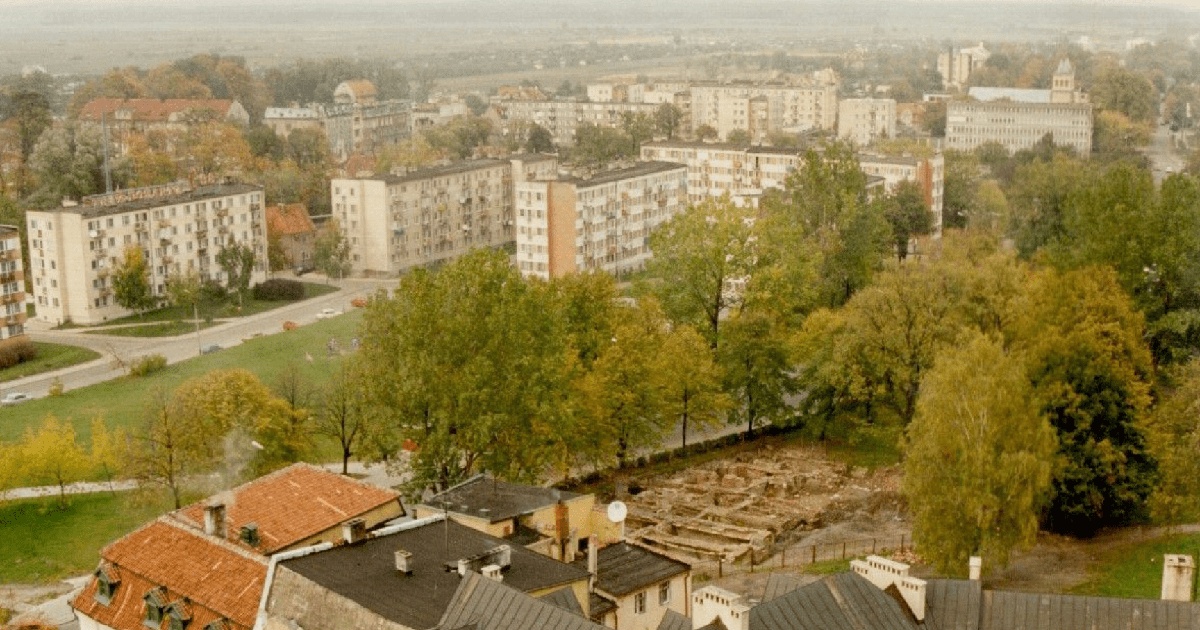
Braniewo’s history also includes changing borders and governance, as well as extensive destruction during World War II. Restoration efforts have revived key landmarks and community life (Braniewo official website). Cardinal Stanislaus Hosius, a leading Catholic Reformation figure, and the Sisters of St. Catherine are among the people and communities associated with the town’s religious and educational legacy.
Religious festivals, processions, folk festivals and local markets continue to shape Braniewo’s cultural life. The Braniewski Bieg Hozjusza celebrates Cardinal Hosius’s legacy, while the Braniewo Cultural Center and Municipal Public Library host exhibitions, concerts and workshops. Sporting events and community projects also encourage engagement with local heritage (Braniewo official website).
Braniewo is part of the Cittaslow movement, which emphasizes sustainable urban development and quality of life, and participates in regional cultural routes such as the “Trail of Holy Warmia” (Braniewo official website). Restoration and digital initiatives, including the e-Services platform, support the preservation of the town’s heritage.
What to see
Churches and religious sites
- Braniewo Cathedral (Cathedral of St. Andrew the Apostle) A Gothic church with ribbed vaults, ornate altars and historic stained glass. The listing gives daily opening hours of 9:00 AM–5:00 PM, free admission, donations welcome, guided tours on request and wheelchair accessibility. (StayPoland; TouristPlaces.Guide)
- Basilica of St. Katherine A monumental Gothic basilica with altars and chapels. The listing gives opening hours of Monday–Saturday, 10:00 AM–4:00 PM, with Sundays closed. Tickets are 10 PLN for adults. Accessibility is limited, assistance is available and guided art-history tours are held monthly. (StayPoland)
- Church of St. Anne Known for its Gothic brickwork, 17th-century vestry and artistic altars. Listed as open daily, 9:00 AM–5:00 PM, with free admission and wheelchair accessibility. (TouristPlaces.Guide)
- Sanctuary of the Feast of the Cross A Baroque sanctuary built by the Jesuits, notable for its artistic altars and pulpit. Listed as open Tuesday–Sunday, 10:00 AM–4:00 PM; entry is free and donations are welcome. Accessibility is limited. (StayPoland)
The Basilica of St. Catherine is also identified as a prominent Gothic landmark alongside Braniewo’s town walls, defensive towers and Jesuit College (Komoot: St. Catherine's Church).
Collegium Hosianum and fortifications
- Collegium Hosianum Founded in 1565, this Jesuit college played a central role in regional education. Listed as open Tuesday–Sunday, 9:00 AM–3:00 PM, with entry at 15 PLN. Guided tours are available on weekends and accessibility is partial. (StayPoland)
- Fortifications of Braniewo Medieval defensive walls, towers and bastions are accessible year-round. Guided tours run May–September and cost 20 PLN. Accessibility is partial, and surfaces are uneven. The fortifications are also noted as a place for photography. (TouristPlaces.Guide)
- Braniewo Castle (Zamek w Braniewie) These 13th-century ruins include a surviving gate tower and fragments of walls. Listed as open daily, 8:00 AM–6:00 PM, with free admission. There are informational plaques and occasional tours during festivals. (Wikipedia)
Town centre, tower and museum
- Braniewo Market Square A historic hub with colourful townhouses and frequent markets. It is open year-round; weekly markets take place on Saturdays, alongside summer festivals. The square is listed as fully accessible. (TouristPlaces.Guide)
- Braniewo Water Tower A Neo-Gothic structure in a landscaped park, recognizable by its clock face. The park is open from dawn to dusk and is free to visit; the tower interior is not open. The site is listed as wheelchair accessible. (TouristPlaces.Guide)
- Museum of the Warmia and Masuria A regional history and art museum in a former monastery. Listed as open Tuesday–Sunday, 10:00 AM–5:00 PM. Entry is 12 PLN, with concessions, and the museum is listed as fully accessible. (TouristPlaces.Guide)
Nature and outdoor activities
Braniewo’s landscape includes glacial plains, river valleys and the nearby Vistula Lagoon. Willow, alder and poplar grow along the rivers, while pine and oak are found in the woodlands. Wildlife includes storks, herons, cranes, roe deer, otters and beavers.
The Vistula Lagoon is a Natura 2000 site important for migratory birds. The nearby Elbląg Upland Landscape Park and Łuknajno Lake Reserve are noted for hiking and nature observation. The lagoon is popular for birdwatching, boating and walking trails; guided nature tours run May–September, and it is accessible by car or public transport. (TouristPlaces.Guide)
Outdoor activities in the area include:
- Hiking and walking Trails along the Pasłęka River and the city green belt.
- Cycling The Braniewo–Frombork route and Pasłęka River Loop; rentals are available.
- Water sports Kayaking, canoeing, fishing and sailing on the river and lagoon.
- Birdwatching Spring and autumn are the best seasons for migrations.
- Winter activities Cross-country skiing and ice activities when conditions allow.
Practical visitor information
Opening hours, tickets and accessibility
A general visitor overview says that most historical sites, including the Basilica of St. Catherine, are open daily from 9:00 AM to 5:00 PM, with holiday variations. It also says admission is typically free, although guided tours may require pre-booking and a small fee. Individual attraction listings give different hours, admission prices and accessibility details, as listed above. Check the official tourism website for current details and confirm accessibility directly with sites. Visitor facilities for people with disabilities are described as improving.
Tickets for major sites are generally described as affordable, typically 10–15 PLN. Guided tours are available for historical landmarks and the brewery; advance booking is recommended.
Getting to Braniewo
Braniewo is accessible by train, bus and car from regional centres, and is about 60 km from Olsztyn. Local buses and taxis are available; car rental is advisable for exploring rural areas (Wikipedia: Braniewo; TalkPolish: Warmian-Masurian). The closest major airports are in Gdańsk and Warsaw, and the town is also described as well-connected to regional centres via Olsztyn, Gdańsk and Warsaw airports. Its location near the Polish-Russian border adds to its strategic significance.
Accommodation, food and local customs
Accommodation options include hotels, guesthouses and apartments. Local cuisine includes fish, sausages, sękacz cake and regional beverages (Poland Culinary Vacations).
Pharmacies, clinics and public Wi-Fi are described as readily available. Standard precautions apply. Politeness and modest attire are valued, especially in churches, and tipping is customary at restaurants. Religious festivals and local markets feature local traditions, crafts and cuisine. Markets and processions, particularly at Easter and Christmas, are noted as occasions of interest for photographers.
If planning to visit the Russian border, check current regulations and carry proper identification (Wikipedia: Braniewo).
Tips and seasonal considerations
- Late spring to early autumn is suggested for the best weather and events.
- Spring and autumn have mild weather and are suited to outdoor activities.
- Summer brings festivals, markets and the peak visitor season.
- Winter is quieter, with serene landscapes and winter sports (PolskaBee: Masurian Lakes).
- Use the Audiala app for updated information, maps and self-guided audio tours.
- Consult TouristPlaces.Guide and the Braniewo official website for current hours, tickets and tour options.
Nearby places
Frombork is nearby and offers historical attractions, including the Nicolaus Copernicus Museum (Komoot: Attractions around Braniewo). Braniewo also serves as a gateway to the Warmian-Masurian region, known for its lakes, forests and medieval towns.