
Historical Context and Significance
Bacolor’s Place in Philippine History
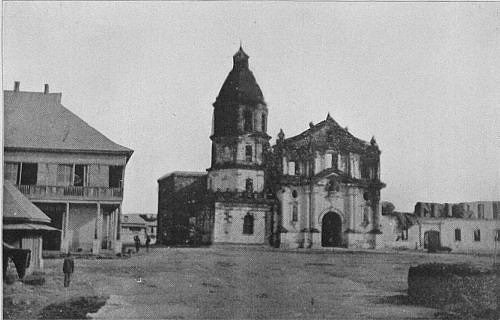
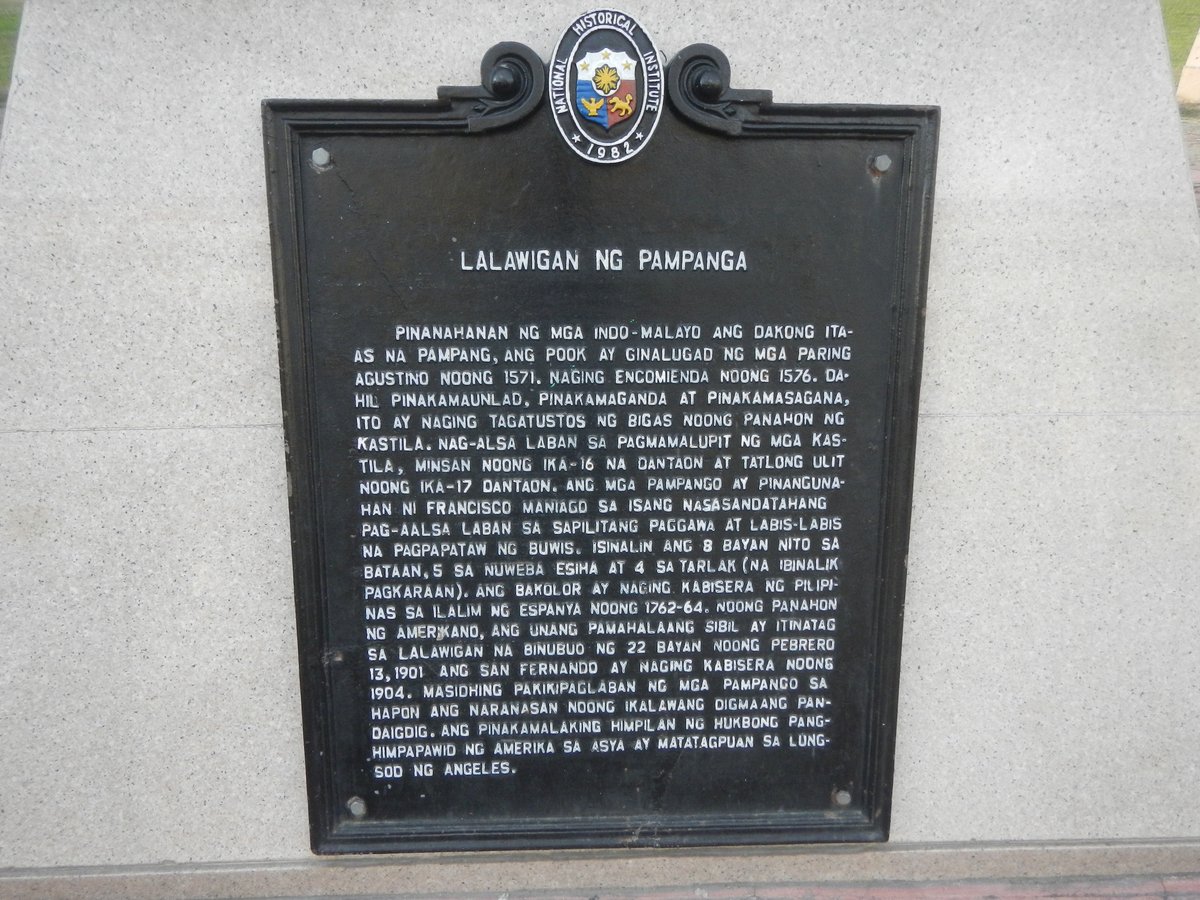
Bacolor, founded in 1574, has played a crucial role in the nation’s story. Twice serving as the capital—first during the Spanish era and again during the British occupation of Manila (1762–1764)—the town became a political and cultural center (Inquirer). The marker not only commemorates these milestones, but also honors Bacolor’s recovery from the Mount Pinatubo eruption, which buried much of the town under lahar yet could not erase its vibrant identity (remembranceofthingsawry.wordpress.com).
Symbol of Resilience
The marker stands as a powerful reminder of Bacolor’s survival and rebirth. Despite facing over 20 feet of lahar, the community rebuilt and continues to preserve its heritage, as seen in landmarks like the San Guillermo Parish Church and the restored Casa Real (thetouristchecklist.com).
Notable Personalities
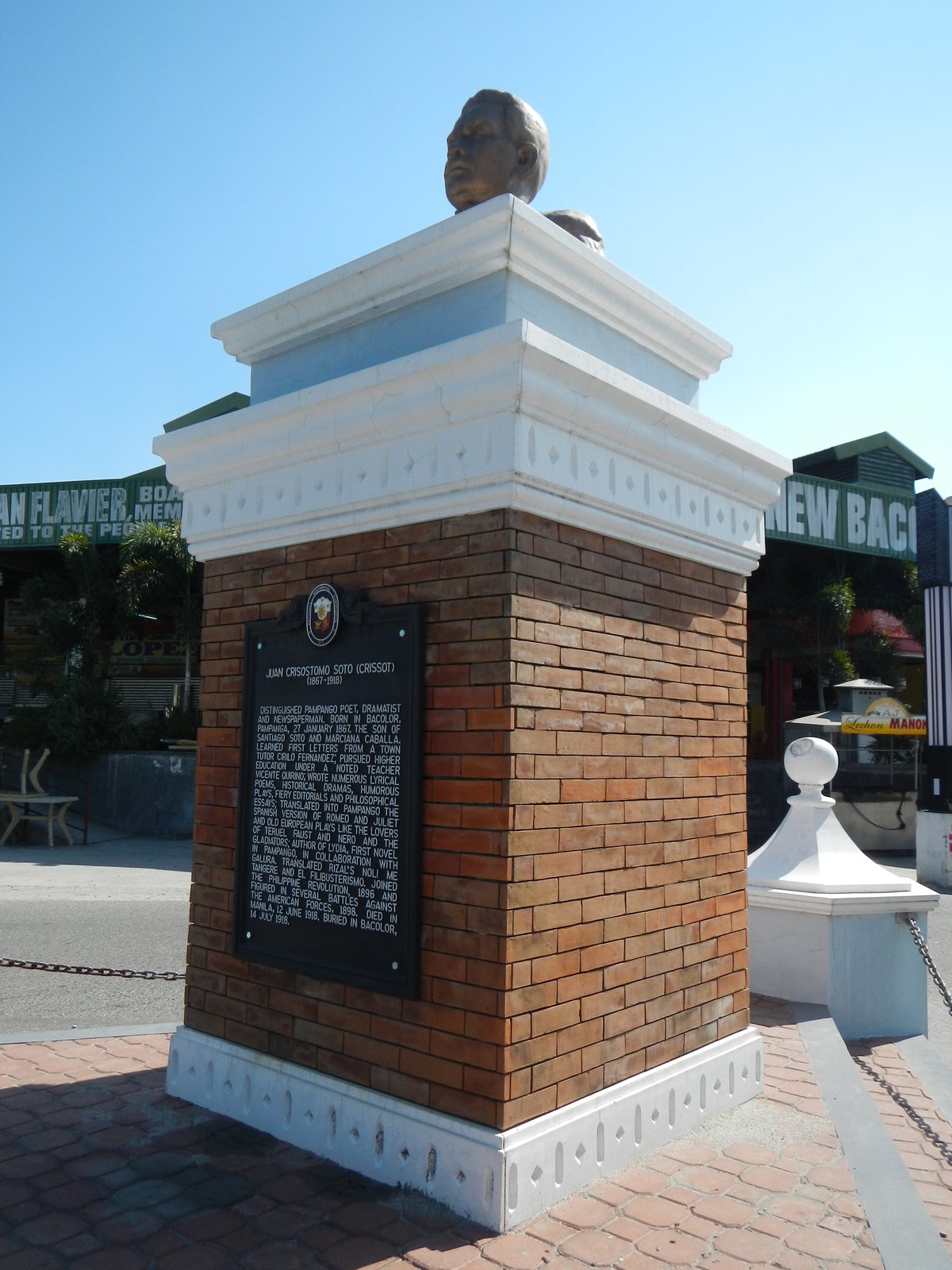
Bacolor has produced influential figures, including revolutionary general Francisco Liongson, Pampanga’s first governor Tiburcio Hilario, and others honored in local monuments (audiala.com).
Location, Accessibility, and How to Get There
Geographic Setting
The marker is located at the DHVTSU Heritage Building on MacArthur Highway, Barangay Cabambangan, Bacolor—about 70 kilometers north of Metro Manila. The campus is accessible by car (via NLEX, San Fernando exit), bus, jeepney, or tricycle (Vigattin Tourism, SunStar).
Accessibility
The DHVTSU campus features ramps and paved pathways, making the marker accessible to wheelchair users. Parking is available nearby. Local public transport (jeepneys, tricycles) is convenient for visitors coming from San Fernando and adjacent towns.
Description of the Historical Marker
The marker is a cast-iron plaque on a pedestal, inscribed in Filipino and English, documenting DHVTSU’s history and contribution to Pampanga’s educational legacy (SunStar). The heritage building behind it, built in 1892, displays Spanish-era architecture with thick adobe walls and capiz shell windows.
Visiting Hours and Ticketing
- Marker and DHVTSU Grounds Open Monday–Friday, 8:00 AM–5:00 PM. (Check with DHVTSU for holiday schedules.)
- San Guillermo Parish Church Tuesday–Sunday, 8:00 AM–5:00 PM. Closed Mondays.
- Museo de Bacolor and other sites Usually open 8:00 AM–5:00 PM; some may charge a nominal entrance fee (PHP 20–50).
- Tickets The historical marker and DHVTSU grounds are free to visit. Some adjacent museums and churches may request donations.
Guided Tours and Special Events
- Guided Tours While there are no regular tours at the marker, heritage walks and guided visits can be arranged through the municipal hall, local museums, or tour agencies in San Fernando and Angeles City.
- Festivals Bacolor’s annual fiesta (February), Makatapak Festival, and nearby Giant Lantern Festival (San Fernando, December) offer rich cultural experiences.
Best Time to Visit and Travel Tips
- Best Season November–April (dry season) is ideal to avoid rains and flooding.
- Travel Tips
- Wear comfortable shoes for heritage walks and uneven terrain near lahar sites.
- Dress modestly, especially in religious places.
- Bring a camera to capture unique landmarks.
- Sample Kapampangan cuisine at local eateries (try bringhe, sisig, tamales).
- Respect preservation efforts and local customs.
Key Nearby Attractions
- San Guillermo Parish Church Famous for its half-buried structure; a poignant symbol of Bacolor’s resilience (hiketotravels.com).
- Casa Real The former provincial capitol, surrounded by ancestral houses and heritage museums.
- Bacolor Town Plaza and Municipal Hall Spanish colonial architecture, local memorials, and event venues.
- Bacolor Cemetery and Lahar Memorial Offers insight into the impact of the 1991 eruption.
- Betis Church (Guagua) The “Sistine Chapel of the Philippines,” known for its baroque murals.
- Museo Ning Angeles and Clark Museum Accessible day trips for deeper exploration of Kapampangan culture.
Cultural Experiences: Festivals and Cuisine
- Festivals Experience the Makatapak Festival, La Naval procession, and the Giant Lantern Festival.
- Culinary Highlights Enjoy heritage dishes such as bringhe, sisig, tibok-tibok, and puto seco in Bacolor’s eateries.
- “San Guillermo Church Bacolor half-buried facade”
- “Bacolor historical sites and ancestral houses”
- “Pampanga heritage landmarks during local festivals”
Frequently Asked Questions (FAQs)
Q: What are the visiting hours for the Province of Pampanga Historical Marker?
A: Monday–Friday, 8:00 AM–5:00 PM.
Q: Is there an entrance fee?
A: No, the marker is free to visit. Some museums may charge a small fee.
Q: Are guided tours available?
A: Yes, through local agencies, museums, or via the Audiala app.
Q: Is the area accessible for people with disabilities?
A: Yes, with ramps and paved paths.
Q: What other attractions can I visit the same day?
A: San Guillermo Parish Church, Casa Real, Bacolor Town Plaza, Betis Church, and more.
Discover More
To enhance your visit:
- Download the Audiala app for self-guided audio tours and real-time updates.
- Follow local tourism pages for event announcements and travel tips.
- Check official sources for any changes to visiting hours or special events.